When to visit Arima? City-Trip Guide

Discover the cultural pearl of Trinidad and Tobago where Caribbean traditions and urban modernity create a unique atmosphere all year round.

  • 33,000 population
  • English, Trinidadian Creole language
  • 180 days rainy days/year
  • February to April best time to visit
  • 2 to 4 days recommended stay

Arima's Tropical Climate

Understanding Arima's Urban Tropical Climate

Arima enjoys a humid tropical climate characterized by stable temperatures throughout the year. Located in the Arima Valley at the foot of the Northern Range Mountains, the city experiences a moderate urban heat island effect and rainfall influenced by the surrounding mountainous orography.

  • City Center: Urban area with slightly higher temperatures and rapid drainage
  • Residential Neighborhoods: Cooler areas with abundant vegetation
  • Mountainous Periphery: Cooler temperatures and higher precipitation
MonthMin Temp (°C / °F)Max Temp (°C / °F)Precipitation (mm / in)Sunshine (h/day)Tourist TrafficRecommended Activities
January22°C / 72°F29°C / 84°F85mm / 3.3in7⭐⭐⭐Festivals, markets
February22°C / 72°F30°C / 86°F65mm / 2.6in8⭐⭐⭐⭐Carnival, outdoors
March23°C / 73°F31°C / 88°F70mm / 2.8in8⭐⭐⭐⭐Hiking, culture
April24°C / 75°F32°C / 90°F90mm / 3.5in7⭐⭐⭐Museums, centers
May24°C / 75°F32°C / 90°F140mm / 5.5in6⭐⭐Indoor, galleries
June24°C / 75°F31°C / 88°F180mm / 7.1in6⭐⭐Shopping malls
July23°C / 73°F31°C / 88°F190mm / 7.5in6⭐⭐⭐Summer festivals
August23°C / 73°F31°C / 88°F200mm / 7.9in6⭐⭐⭐Music, dance
September23°C / 73°F32°C / 90°F180mm / 7.1in6⭐⭐Theaters, cinemas
October23°C / 73°F31°C / 88°F160mm / 6.3in6⭐⭐Divali, traditions
November23°C / 73°F30°C / 86°F140mm / 5.5in6⭐⭐⭐Heritage, history
December22°C / 72°F29°C / 84°F110mm / 4.3in7⭐⭐⭐⭐Christmas, parang

Altitude variations around Arima create microclimates: the low-altitude city center remains warmer and drier, while peripheral neighborhoods benefit from refreshing mountain breezes and more frequent rainfall.

The Seasons in Arima

Attractions by Weather

Arima offers a diversity of attractions adapted to all weather conditions, allowing you to optimize your urban stay regardless of the day's weather.

☔ In Cloudy/Rainy Weather

Indoor & Sheltered

Intro: Rainy days reveal the rich cultural and artistic heritage of Arima through its welcoming, air-conditioned indoor spaces.

Sites:
🏛️ Arima Borough Corporation - Historic administrative center (1h, free, all year)
🎭 Local Cultural Center - Exhibitions and shows (2h, 20 TTD, optimal Oct-Mar)
🛍️ Arima Market - Authentic covered market (1-2h, free, morning recommended)
🏪 Heights of Arima Shopping Center - Shopping and dining (2-3h, variable, air-conditioned)
⛪ Santa Rosa Cathedral - Colonial architecture (45min, free, Sunday mass)
🍽️ Traditional Restaurants - Authentic Creole cuisine (1-2h, 50-100 TTD)

Practical Tip: Reservation recommended for cultural shows, avoid market peak hours (11am-2pm)

Additional Tip: Combine market visit with lunch in a nearby traditional restaurant for a complete gastronomic experience

☀️ In Good Weather

Optimal Outdoors

Intro: The sun reveals the full beauty of Arima's green spaces and mountainous surroundings, perfect for outdoor activities.

Sites:
🌳 Arima Dial - Panoramic viewpoint (2h, free, sunrise/sunset)
🏞️ Cleaver Woods - Nature reserve and trails (3-4h, free, cool morning)
🎪 Central Square - Entertainment and local life (1h, free, late afternoon)
🚶 Historic District - Colonial architecture (2h, free, optimal 9am-11am)
🌺 Public Gardens - Green spaces and relaxation (1h, free, all day)
📸 Mountain Viewpoints - Valley views (1-2h, free, golden hour)

Best Time of Day: Sunrise from Arima Dial for spectacular photos, late afternoon for authentic local atmosphere

Seasonal Tip: February-April optimal for hiking, avoid noon-2pm during dry season (intense heat)

🌤️ Versatile All-Weather

Flexible

Intro: These sites offer the flexibility to quickly move between covered and open spaces depending on weather conditions.

Sites:
🏛️ Administrative Complex - Modular indoor/outdoor
🍴 Restaurants with covered terraces - Instant weather adaptation
🛍️ Centers with open galleries - Flexible shopping

Weather Tip: Start with covered spaces if the sky is threatening, then move outdoors if it clears, always have an indoor Plan B

Example Itinerary: Morning covered market → covered terrace lunch → afternoon cultural center if raining or historic district walk if sunny

💰 Free or Economical

No Cost

Sites:
🆓 Central Square and public gardens - Permanently free
🆓 Historic district and colonial architecture - Free exploration
🆓 Viewpoints and lookouts - Free access
🆓 Local market - Free entry, optional purchases

Free Days: Some cultural events are free on weekends, street festivals with no entrance fees

Budget Tips: Picnic in public gardens, street food at the market, free hiking in nature reserves, watching sunsets from viewpoints

Practical Guide

Prepare your city trip to Arima with these essential recommendations adapted to tropical climate variations and the specifics of this charming Caribbean city. Clothing and budget adjustments according to the seasons will optimize your comfort and urban experience.

👕 Seasonal packing

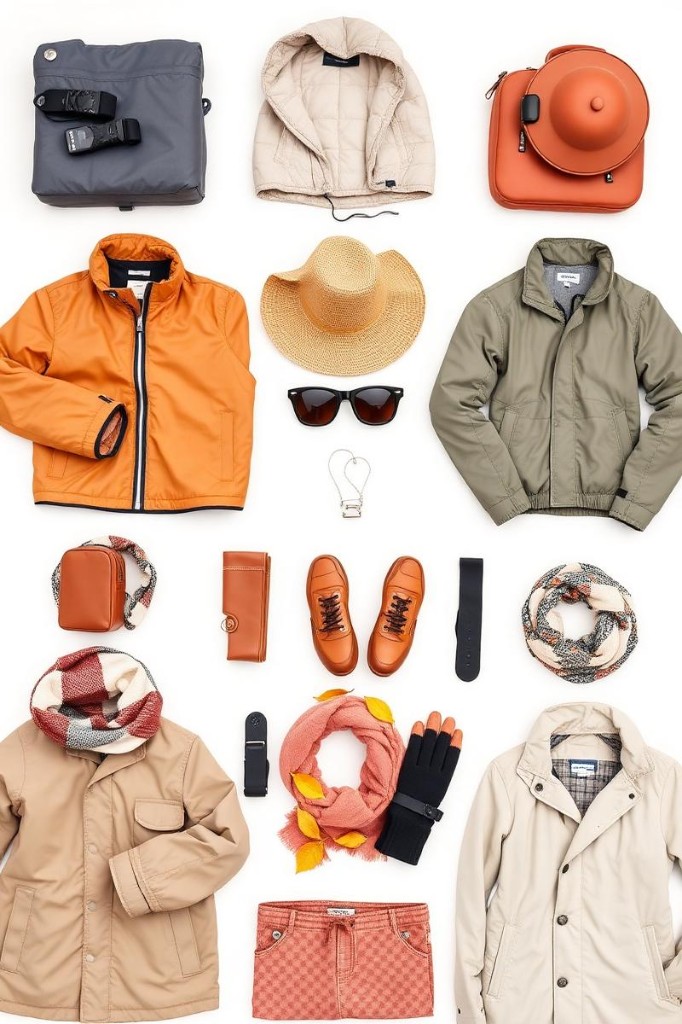
Dry Season (Jan-May): • Breathable walking shoes • Hat and sunglasses • Lightweight cotton clothing • Light jacket for evenings • SPF30+ sunscreen

Wet Season (Jun-Dec): • Non-slip waterproof shoes • Compact umbrella • Quick-dry clothing • Light rain jacket • Waterproof bag for electronic devices

Travel clothing and gear by season

💰 Seasonal budget

PeriodCity Center Accommodation (TTD/night)Transport (TTD/day)Restaurants (TTD/day)Attractions (TTD)Crowds
Carnival (Feb-Mar)400-60050-80150-250100-200⭐⭐⭐⭐⭐
Dry Season300-45040-60120-20080-150⭐⭐⭐⭐
Wet Season200-35030-50100-18060-120⭐⭐
Divali (Oct-Nov)350-50045-70130-22090-160⭐⭐⭐

💡 Money-saving tips

Maximize your budget with a weekly transport pass (30% savings), favor local market restaurants (50% cheaper), book peripheral accommodation (20-30% savings), enjoy free weekend cultural events, and negotiate group rates for multiple attractions.

🏥 Health and precautions

Increased hydration (humid tropical climate) • Mosquito protection (DEET repellent) • Closed-toe shoes for urban walking • Basic first-aid kit (anti-diarrheal, paracetamol) • High-protection sunscreen • 24h pharmacies available in the city center

Urban Events

Arima's Essential Event Calendar

Arima's cultural events punctuate urban life and offer an authentic immersion into the city's Caribbean soul, transforming the atmosphere with the seasons.

🎭 Trinidad and Tobago Carnival (February-March)

Description: Arima actively participates in the national carnival with its own parades, calypso and soca concerts, and street entertainment. The urban atmosphere transforms completely with colorful costumes, omnipresent music, and days of non-stop celebration.

Location: Arima City Center, central square, and main streets

Highlight: Tradition of local mas bands and authentic steel drum competitions

Climate Impact: Ideal dry season, crowded city, accommodation booking essential 3 months in advance, prices doubled

Transport Access: Special shuttles from Port of Spain, limited parking in city center

Planning Tip: Book accommodation from the previous November, budget for a 50% increase

🪔 Divali Festival (October-November)

Description: A major Hindu celebration transforming Arima into a city of lights with spectacular decorations, street markets, culinary demonstrations, and traditional shows. The atmosphere becomes magical with illuminations and the scent of incense.

Location: Arima Hindu Temple and residential neighborhoods

Highlight: Largest Hindu community in the region, guaranteed authenticity

Climate Impact: End of wet season, pleasant cool evenings, moderate attendance, stable prices

Transport Access: Reinforced public transport, organized temporary parking

Planning Tip: Traditional restaurant reservation recommended, respectful clothing advised

🎵 Parang Festival (December)

Description: Caribbean Christmas celebrations with traditional parang music, craft markets, street concerts, and festive decorations. Arima regains a warm family atmosphere blending Hispanic and Caribbean traditions.

Location: Central square, churches, and community centers

Highlight: Authentic parang music with traditional local instruments

Climate Impact: Start of dry season, pleasant temperatures, family-oriented crowds, high demand for accommodation

Transport Access: Transport services adapted for night hours, easy access

Planning Tip: Early booking for concerts, family-friendly atmosphere prioritizing respect and conviviality

Seasonal events

Dry Season: • Carnival (Feb-Mar, city center, national) • Steel drum festivals (Mar-Apr) • Open-air concerts (Jan-May, central square) • Night markets (all dry season)

Wet Season: • Divali Festival (Oct-Nov, temples, religious) • Christmas Parang (Dec, churches, traditional) • Indoor cultural festivals (Jul-Sep) • Emancipation Day celebrations (Aug, historical)

Responsible City-Trip

Adopt responsible urban tourism in Arima by prioritizing sustainable practices that respect the fragile tropical environment and support the local Caribbean economy.

Arima encourages eco-responsible tourism through priority soft mobility (walking, cycling), support for family-owned businesses over international chains, responsible waste management in a sensitive tropical environment, and respect for local cultural traditions.

🌱 Low-season advantages

Visiting Arima in the wet season reduces tourist pressure, allows for authentic encounters with locals, offers more accessible prices, and decreases the ecological impact on limited local resources.

♻️ Sustainable travel tips

Prioritize walking and public transport, choose local family restaurants, opt for eco-certified accommodation, reduce single-use plastic, respect fragile natural sites, buy authentic local crafts, and save water and electricity.

🏙️ Local sustainable initiatives

Arima develops urban green initiatives: community recycling program, weekly local organic markets, protected green spaces, environmental awareness in schools, promotion of sustainable transport, and preservation of colonial architectural heritage.

Our Recommendations

Recommendations for your Arima city trip

Our climate and cultural analyses converge toward personalized recommendations based on your travel priorities. The optimal period combines favorable weather, an authentic urban atmosphere, and cultural events, while alternatives offer different but equally enriching experiences at more accessible prices.

✨ Optimal Period

Months: February to April

Advantages:
• Ideal weather with little rainfall
• Spectacular Carnival in February-March
• Comfortable temperatures for outdoor activities
• Effervescent and colorful urban atmosphere
• Perfect conditions for photography and hiking

Key Events: National Carnival, steel drum festivals, open-air concerts

Disadvantages: Maximum tourist traffic during Carnival, increased accommodation prices

Ideal Profile: Caribbean culture enthusiasts, photographers, families, first-time visitors

Stay Duration: 3-4 days recommended

🌟 Interesting Alternative

Months: November-December and May

Description: Transition periods offering an excellent compromise between acceptable weather, moderate prices, and authentic cultural experiences without tourist overcrowding.

Specific Advantages: Authentic Christmas Parang, affordable accommodation prices, facilitated local encounters, spectacular Divali

For Whom: Budget travelers, couples seeking authenticity, lovers of local traditions

👥 Tips for your travel style

Family: February-March, secure peripheral accommodation, park activities and festivals

Budget: May or October-November, local guesthouses, public transport, street food

Culture: All year round depending on events, cultural centers, artisan encounters

Romantic: December-January, charming accommodation, terrace dinners, sunset viewpoints

Weekend: Avoid Carnival (too short), favor November-December

First Trip: February-April, local guides, central neighborhoods, organized transport

⚠️ Periods to Avoid

Months: June to September

Reasons: Maximum rainfall limiting outdoor activities, uncomfortable high humidity, risk of prolonged showers disrupting schedules

Nuances: Acceptable for budget travelers prioritizing indoor culture and authentic encounters

Villes du même pays

All cities

Frequently Asked Questions

Answers to essential questions for planning your city trip to Arima based on weather conditions and Caribbean urban specifics.

What is the best month to visit Arima?

February to April represents the optimal period, combining ideal weather (little rain, pleasant temperatures), major cultural events like Carnival, and perfect conditions for outdoor activities. March offers the best balance between favorable climate and moderate post-Carnival crowds, with more reasonable accommodation prices than February.

How many days should I plan for Arima?

2-3 days are enough to discover the essentials of Arima: historic center, local markets, cultural sites, and surrounding nature excursions. 4 days allow for a deeper experience with mountain hiking, participation in local festivals, and authentic encounters. A weekend can be suitable for a first discovery focused on urban heritage.

What to do in Arima when it rains?

Arima offers excellent indoor alternatives: visiting the authentic covered market, discovering local cultural centers and art galleries, exploring traditional Creole restaurants, shopping in air-conditioned malls, and participating in community activities in covered spaces. Tropical showers are often short, so combine indoor and outdoor activities.

Which events should not be missed in Arima?

Carnival (February-March) is a must for its Caribbean authenticity and unique festive atmosphere. Divali (October-November) offers a spectacular Hindu cultural experience with illuminations and gastronomy. The Parang Festival (December) reveals Caribbean Christmas traditions. Steel drum festivals (March-April) and seasonal night markets complete the cultural agenda.

What budget should I plan according to the season?

Carnival period: 500-800 TTD/day (accommodation+meals+transport). Normal dry season: 350-550 TTD/day. Wet season: 250-400 TTD/day with significant accommodation discounts. Divali and Parang: 400-600 TTD/day. Expect a 50% increase during major events, 30% savings in low season. Economical local transport: 30-50 TTD/day.