When to visit Baa Atoll? Paradise Guide

A marine sanctuary with crystal-clear waters where every season reveals its unique underwater treasures.

  • 11,000 inhabitants population
  • Dhivehi, English language
  • 180 days rainy days/year
  • November to April best time to visit
  • 5 to 10 days recommended stay

Tropical Climate of Baa Atoll

Understanding the equatorial climate of Baa Atoll

Baa Atoll enjoys a tropical equatorial climate characterized by constant temperatures and two distinct seasons. Its proximity to the equator ensures year-round warmth, ideal for water activities.

The atoll features a homogeneous microclimate with minimal variations between islands. Northeast and southwest trade winds influence rainfall patterns, creating optimal conditions for the exceptional marine biodiversity of this UNESCO Biosphere Reserve.

MonthMin Temp (°C / °F)Max Temp (°C / °F)Precipitation (mm / in)Sunshine (h/day)Tourist TrafficRecommended Activities
January25°C / 77°F30°C / 86°F76mm / 3.0in8★★★★★Diving, snorkeling
February25°C / 77°F30°C / 86°F38mm / 1.5in9★★★★★Manta ray watching
March26°C / 79°F31°C / 88°F74mm / 2.9in9★★★★★Desert island excursions
April26°C / 79°F32°C / 90°F123mm / 4.8in8★★★★Big game fishing
May26°C / 79°F31°C / 88°F219mm / 8.6in7★★★Spa, relaxation
June26°C / 79°F30°C / 86°F167mm / 6.6in6★★Surfing, water sports
July26°C / 79°F30°C / 86°F150mm / 5.9in6★★★Night diving
August26°C / 79°F30°C / 86°F176mm / 6.9in6★★★Dolphin watching
September25°C / 77°F30°C / 86°F199mm / 7.8in6★★Underwater photography
October25°C / 77°F30°C / 86°F194mm / 7.6in7★★★Local cruises
November25°C / 77°F30°C / 86°F231mm / 9.1in7★★★★Diving with whale sharks
December25°C / 77°F30°C / 86°F218mm / 8.6in8★★★★★Holiday festivities

With a maximum elevation of 2 meters / 6.6 feet, Baa Atoll has no climate variation linked to relief. The uniform sea level ensures consistent weather conditions across all 75 coral islands.

Tropical Seasons

Activities by Weather

Baa Atoll offers a multitude of experiences adapted to every climate condition to optimize your paradise stay.

🌧️ During Monsoon Weather

Protected Activities and Wellness

Tropical showers never interrupt the fun for long in the Maldives. Enjoy indoor facilities and unique experiences.

Recommended Activities:
🧘 Overwater spa with Ayurvedic treatments (2-3h) - €150-300
🐠 Marine center and aquarium (1h) - Free/included
🍽️ Maldivian cooking classes (2h) - €80-120
📚 Library and air-conditioned relaxation areas
🎨 Local craft workshops (1-2h) - €50-80
🍸 Indoor panoramic bars
💆 Massages in closed pavilions
🎬 Covered outdoor cinema

Practical Tip: Book spa treatments in advance; it is an ideal time to recharge

Bonus Tip: Showers create magical atmospheres for atmospheric photography

☀️ During Sunny Weather

Optimal Marine Exploration

The sun reveals the full splendor of the crystal-clear waters and the exceptional biodiversity of this UNESCO-listed atoll.

Must-see Sites:
🐠 Hanifaru Bay - manta ray observation (2-3h) - best visibility 10am-2pm
🦈 Dharavandhoo Thila - shark diving (1.5h) - early morning or late afternoon
🏝️ Desert islands of Fulhadhoo and Fehendhoo (full day)
🐢 Nelivaru Reefs - turtles and corals (2h) - optimal 9am-11am
🏄 Dharavandhoo surf spots (depending on swell)
🛥️ Dolphin excursions (2h) - sunset 5pm-7pm
📸 Aerial drone photography (optimal conditions)

Best Time of Day: Sunrise 6am for diving, golden hour 5:30pm-6:30pm for photos

Seasonal Tip: December-March is optimal; avoid 12pm-2pm for thermal comfort

🌤️ Variable Weather

Flexible Activities

Adapt your schedule according to the changing weather conditions typical of the transition season.

Versatile Sites:
🏛️ Eydhafushi Cultural Center (indoor/outdoor modular)
🛍️ Local covered markets and crafts
🚤 Inter-island cruises with closed cabins
🎣 Traditional fishing (adaptable to weather)
🥥 Coconut plantations (guided tours)

Weather Tip: Use local weather apps to optimize timing for outings

Itinerary Example: Morning diving if clear, afternoon spa if showers, evening panoramic restaurant

🏝️ Authentic Experiences

Local Discovery

Cultural Activities:
🏘️ Fishing villages of Eydhafushi and Dharavandhoo (free)
🕌 Historic mosques and local architecture
🐟 Morning fish markets (5am-7am)
🌴 Nature walks on coral paths
🛶 Traditional dhoni navigation

Free Periods: Public beaches accessible year-round, free snorkeling

Budget Tips: Local guesthouses, public transport between islands, meals with locals

Practical Guide

Prepare for your stay in Baa Atoll with our tips adapted to the tropical climate and the specificities of this unique paradise destination.

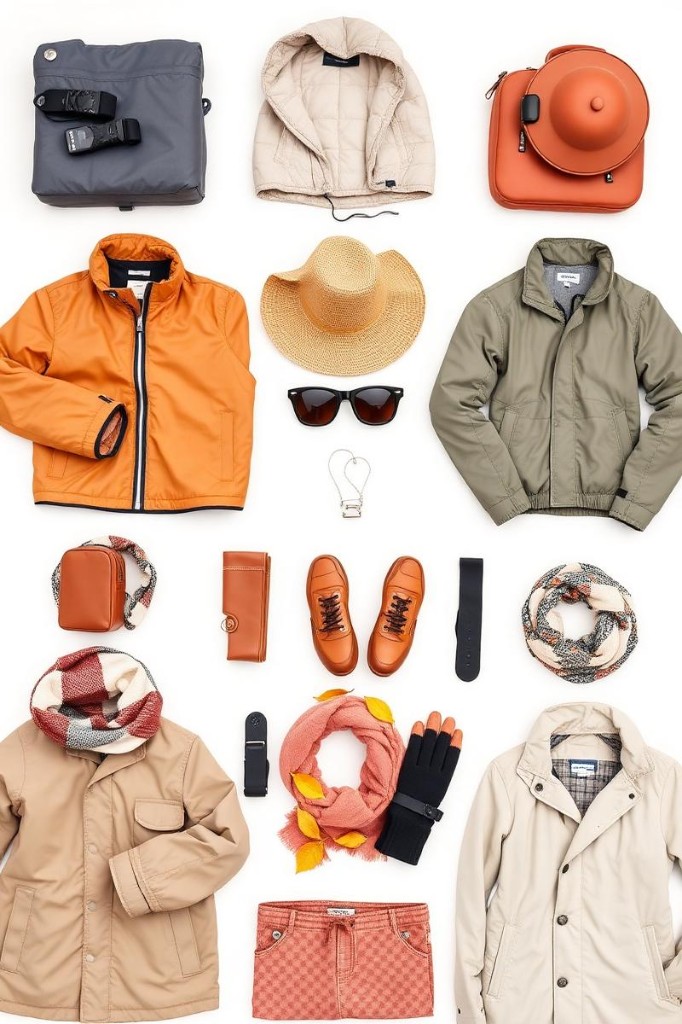
👕 Seasonal packing

Dry Season (Dec-Apr): • Multiple swimsuits • SPF50+ sunscreen • Reef water shoes • Lightweight cotton/linen clothing • Hat and sunglasses

Wet Season (May-Nov): • Lightweight waterproof jacket • Compact umbrella • Quick-dry sandals • Breathable clothing • Waterproof equipment bag

Year-round: • Respectful attire for local islands (long sleeves, trousers) • Personal snorkeling gear • UV protection rashguard

Travel clothing and gear by season

💰 Seasonal budget

PeriodLuxury Resort (€/night)Guesthouse (€/night)Meals (€/day)Excursions (€)Traffic
Dec-Jan800-200080-150100-200150-400★★★★★
Feb-Mar900-220090-180120-220180-450★★★★★
Apr-May600-150060-12080-160120-350★★★
Jun-Sep400-100040-8060-120100-280★★
Oct-Nov500-120050-10070-140110-320★★★

💡 Money-saving tips

Book 6-8 months in advance for the best high-season rates • Choose local island guesthouses to save 60-70% • All-inclusive packages are often more economical than half-board • Group excursions are cheaper than private ones • Avoid alcoholic drink supplements (high taxes)

🏥 Health and precautions

Enhanced sun protection - reflection on water doubles exposure • Constant hydration (3L / 100oz per day minimum) due to tropical climate • First aid kit - medical centers are limited • Mandatory travel insurance including evacuation • Natural mosquito repellent for inhabited areas • Closed-toe shoes for protection against sharp coral

Events and Festivities

Cultural and natural calendar of Baa Atoll

Baa Atoll pulses with extraordinary natural phenomena and authentic Maldivian traditions that enrich the travel experience.

🐠 Manta Ray Season - Hanifaru Bay (May to November)

The most extraordinary natural spectacle in the atoll, where hundreds of manta rays gather to feed on plankton. Hanifaru Bay becomes a true open-air natural aquarium, listed as a UNESCO site.

Location: Hanifaru Bay, east coast of the atoll

Feature: Only site in the world with such concentrations of manta rays

Climate Impact: Peak activity during the southwest monsoon; snorkeling reservations limited to 80 people/day

Transport Access: 45-minute speedboat transfer from resorts; guided excursions only

Planning Tip: Book 2-3 months in advance; special permit required

🦈 Whale Shark Migration (August to November)

A prime period to observe the world's largest fish in the nutrient-rich waters of the atoll. A unique experience of swimming alongside these gentle giants.

Location: Outer reefs and deep channels of the atoll

Feature: Individuals can reach 12 meters / 39 feet in length

Climate Impact: Optimal conditions during the monsoon transition; visibility varies with weather

Transport Access: Specialized excursions via traditional dhoni or speedboat

Planning Tip: Diving certification recommended; maintaining a safe distance is mandatory

🎊 Ramadan and Eid (dates vary by lunar calendar)

Immerse yourself in authentic Maldivian culture during these significant religious celebrations. Experience a unique spiritual atmosphere and discover local culinary traditions.

Location: Inhabited islands of Eydhafushi, Dharavandhoo, Fulhadhoo

Feature: Community breaking of the fast and family festivities

Climate Impact: Activity schedules may be adjusted; please respect local customs; some restaurants may be closed during the day

Transport Access: Public ferry from Male or inter-island transfers

Planning Tip: Book local guesthouses for an authentic experience

Seasonal events

Dry Season: • Maldivian New Year (April) - traditional festivities • Big game fishing tournaments (January-March) • Cultural festivals on local islands

Wet Season: • Independence Day (July) - parades and shows • Outer reef surfing season (June-September) • Migratory bird watching (September-October)

Year-round: • Traditional Maldivian weddings • Bodu Beru (drumming) ceremonies • Nightly fresh fish markets

Responsible Tourism

Baa Atoll, a UNESCO Biosphere Reserve, requires a respectful approach to preserve its exceptional marine ecosystem and support local communities.

Responsible tourism in Baa Atoll involves protecting marine biodiversity, respecting local traditions, and contributing to the economy of inhabited islands. Every action counts in preserving this unique world natural heritage.

🌱 Low-season advantages

Traveling in the wet season reduces tourist pressure on fragile reefs, allows for more accessible rates, and offers a more authentic experience with less-solicited local communities.

♻️ Sustainable travel tips

• Choose Green Globe certified resorts or equivalent • Prioritize local island guesthouses for direct economic impact • Respect safety distances from marine life (3m / 10ft for manta rays) • Use oxybenzone-free sunscreens (coral protection) • Participate in reef cleaning programs • Consume local products and authentic crafts

🏙️ Local sustainable initiatives

The atoll is developing coral restoration programs, community recycling centers, solar energy projects, and eco-guide training for youth. Resorts are investing in ecological desalination and marine protection.

Our Recommendations

Recommendations for your stay in Baa Atoll

After analyzing climatic conditions, marine biodiversity, and seasonal rates, here are our personalized tips to optimize your discovery of this jewel of the Maldives. The balance between favorable weather, exceptional wildlife viewing, and budget determines the ideal timing based on your travel priorities.

🏆 Optimal Period: January to March

Recommended Months: January, February, March

Advantages:
• Perfect weather conditions (8-9h sunshine/day)
• Exceptional underwater visibility (25-30m / 82-98ft)
• Calm seas ideal for all excursions
• Manta ray season begins in Hanifaru Bay
• Optimal temperatures 25-30°C / 77-86°F without excessive humidity

Key Events: Peak manta ray observation, international fishing tournaments, cultural festivals

Disadvantages: Peak crowds, premium rates (+50-80% vs low season)

Ideal Profile: Honeymooners, experienced divers, luxury stay without budget constraints

Stay Duration: 7-10 days recommended

⚖️ Balanced Alternative: November-December

Alternative Months: November, December

Description: Transition toward the dry season offering an excellent quality-price compromise with progressive improvement in weather conditions and rates still moderate before the tourist peak.

Specific Advantages: 30-40% rate reduction, fewer crowds, still a chance to observe whale sharks, lush vegetation

For Whom: Families with a controlled budget, couples seeking authenticity, nature photographers

👥 Tips for your travel style

Family: January-March for child safety, resorts with kids clubs, easy lagoon snorkeling
Budget: May-October local guesthouses, low-season all-inclusive packages, group excursions
Diving: December-April optimal visibility, local PADI certification, drift diving sites
Romantic: February-March for sunsets, overwater dinners, couples spas
Weekend: Impossible - minimum 3-4 days including transfers
First Trip: January-February perfect conditions, all-inclusive resort, organized excursions

⚠️ Delicate Periods: June-September

Months to avoid: June, July, August, September

Reasons: Peak southwest monsoon with frequent showers, rough seas limiting excursions, reduced underwater visibility, high humidity

Nuances: Acceptable for budget travelers, spa-relaxation enthusiasts, or authentic off-the-beaten-path cultural experiences

Villes du même pays

All cities

Frequently Asked Questions

Answers to essential questions for planning your paradise stay in Baa Atoll under optimal climate conditions.

What is the best month to visit Baa Atoll?

February is generally optimal with the least rainfall (38mm / 1.5in), maximum sunshine (9h/day), and perfectly calm seas. January and March also offer excellent conditions. This period guarantees exceptional underwater visibility for observing manta rays and whale sharks, but it also corresponds to the highest prices and peak crowds, requiring advance booking.

How many days should I plan for Baa Atoll?

7 to 10 days is the ideal duration to fully appreciate the richness of the atoll. A minimum of 5 days allows for essential activities (Hanifaru Bay, diving, local islands), while 10-14 days offers the luxury of total relaxation and in-depth exploration. Consider transfer times (half a day from Male) and time to adjust to the tropical pace to optimize your stay.

What to do in Baa Atoll if it rains?

Tropical showers are usually brief and intense (1-2 hours maximum). Enjoy overwater spas, air-conditioned cultural centers, Maldivian cooking classes, or atmospheric photography sessions. Rainfall often creates magical atmospheres with spectacular rainbows. Most water activities remain possible as the water stays warm (26-28°C / 79-82°F) and showers pass quickly in the tropics.

Which events should not be missed in Baa Atoll?

Hanifaru Bay during the manta ray season (May-November) remains an absolutely unique experience, with gatherings of up to 200 individuals simultaneously. Whale shark migrations (August-November) also offer unforgettable encounters. For local culture, participate in Eid celebrations and traditional festivals on inhabited islands, particularly authentic in Eydhafushi and Dharavandhoo with Bodu Beru music and local crafts.

What budget should I expect depending on the season?

High season (Dec-Mar): €2,000-€4,000/week for an all-inclusive luxury resort, compared to €1,200-€2,500 in the low season (May-Oct). Local island guesthouses: €600-€1,200/week depending on the season. Add €500-€1,000 for excursions (Hanifaru Bay, diving, desert islands) and €200-€400 for seaplane/speedboat transfers. Premium all-inclusive packages are often more economical than half-board with à la carte drink and activity supplements.