When to visit Chiang Rai? City-Trip Guide

Discover the pearl of Northern Thailand by season: golden temples under the sun or night markets under tropical rain.

  • 0.2 M population
  • Thai, Northern dialects language
  • 120 days rainy days/year
  • November to February best time to visit
  • 3 to 5 days recommended stay

Climate and weather in Chiang Rai

Understanding the tropical mountain climate of Chiang Rai

Chiang Rai enjoys a tropical savanna climate influenced by its mountainous location in the Golden Triangle. The moderate altitude (580m / 1,903ft) tempers extreme heat, creating an urban microclimate cooler than Bangkok, ideal for exploring temples and markets on foot.

MonthMin Temp (°C / °F)Max Temp (°C / °F)Precipitation (mm / in)Sunshine (h/day)Tourist TrafficRecommended Activities
January13°C / 55°F28°C / 82°F8mm / 0.3in8⭐⭐⭐⭐⭐Temples, trekking, cycling
February15°C / 59°F32°C / 90°F12mm / 0.5in8⭐⭐⭐⭐⭐Festivals, walking
March19°C / 66°F35°C / 95°F25mm / 1.0in7⭐⭐⭐⭐Morning visits
April23°C / 73°F37°C / 99°F58mm / 2.3in6⭐⭐⭐Songkran, swimming
May24°C / 75°F35°C / 95°F158mm / 6.2in5⭐⭐Museums, cafes
June25°C / 77°F33°C / 91°F142mm / 5.6in4⭐⭐Indoor, spa
July24°C / 75°F32°C / 90°F165mm / 6.5in4⭐⭐Covered temples
August24°C / 75°F32°C / 90°F195mm / 7.7in4⭐⭐Shopping, massage
September23°C / 73°F32°C / 90°F168mm / 6.6in5⭐⭐Covered markets
October21°C / 70°F31°C / 88°F98mm / 3.9in6⭐⭐⭐Ideal transition
November17°C / 63°F29°C / 84°F28mm / 1.1in7⭐⭐⭐⭐Loy Krathong
December14°C / 57°F27°C / 81°F12mm / 0.5in8⭐⭐⭐⭐⭐All activities

The seasons in Chiang Rai

Must-sees by Weather

Optimize your discovery of Chiang Rai by adapting your visits to weather conditions. From air-conditioned temples to covered markets, each attraction reveals its secrets depending on the weather.

☔ In cloudy/rainy weather

Indoor & protected

Intro: Rain reveals the intimate charm of Chiang Rai through its covered spaces where art and spirituality flourish.

Must-see sites:
🏛️ Wat Rong Khun (White Temple) - 1h30 - 50฿ - Spectacular covered galleries
🎨 Baandam Museum (Black House) - 2h - 80฿ - Artistic collections under traditional roofs
🛍️ Central Plaza Chiang Rai - 2-3h - Free - Air-conditioned shopping and dining
☕ Artistic cafes in the center - 1-2h - 100-200฿ - Cozy local atmosphere
🏮 Wat Phra Kaew - 45min - Free - Historic temple with covered areas
🎭 Oub Kham Museum - 1h30 - 300฿ - Lanna treasures in a modern building

Practical tip: Online booking recommended to avoid queues in the rain

Extra tip: Combine several nearby sites to minimize outdoor travel
☀️ In good weather

Optimal outdoor

Intro: Chiang Rai's sun enhances the golden temples and reveals architectural splendor in all its magnificence.

Must-see sites:
🌟 Wat Rong Suea Ten (Blue Temple) - 1h - Free - Dazzling blue facade in the sun
🌸 Singha Park - 3-4h - 60฿ - Gardens and lake for cycling/walking
🏔️ Doi Tung Royal Villa - 2h - 90฿ - Botanical gardens with panoramic views
🌉 Bridge over the Kok River - 30min - Free - Spectacular sunsets
🎪 Saturday Night Market - 2-3h - Free - Authentic street entertainment
🚲 Historic center bike tour - 3h - 300฿ - Discovery of temples and neighborhoods

Best time of day: Sunrise (6am-8am) and golden hour (5pm-6:30pm) for exceptional photographic light

Seasonal tip: November to February optimal, avoid 12pm-3pm in hot season

🌤️ Versatile for all weather

Flexible

Intro: These sites adapt perfectly to meteorological whims thanks to their mixed indoor-outdoor spaces.

Must-see sites:
🏪 Chiang Rai Night Market - Covered stalls and terraces
🍜 Local food courts - Modular semi-open spaces
🛕 Wat Phra Singh - Temples with covered galleries
🎨 Artistic district - Adaptable galleries and workshops
🌿 Wat Jet Yot Gardens - Pavilions and green spaces

Weather tip: Start outside if the weather is nice, retreat to covered areas in case of a shower

Sample itinerary: Morning outdoor temples → Lunch covered market → Afternoon museums depending on weather

💰 Free or economical

No cost

Free sites:
🛕 All public temples (Wat Phra Kaew, Wat Phra Singh)
🌉 Walks along the Kok River
🏛️ Colonial architecture of the city center
🎪 Local markets (free observation)
🌳 Public parks and municipal gardens

Free days: Some museums offer free access on Buddhist holidays

Budget tips: Panoramic viewpoints from the hills, morning markets for local atmosphere, temples at sunset

Practical Guide

Prepare your stay in Chiang Rai with our tips adapted to climatic variations. From seasonal gear to variable budgets, optimize every aspect of your city trip according to the meteorological peculiarities of Northern Thailand.

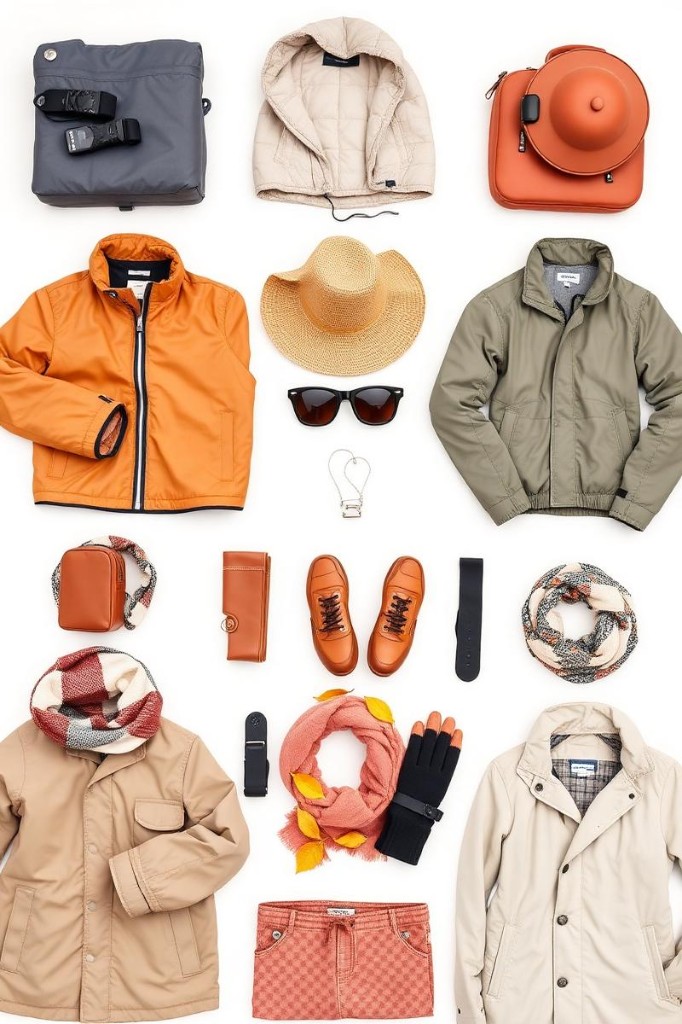
👕 Seasonal packing

Cool Season (Nov-Feb): • Comfortable walking shoes • Light jacket for evenings • Long pants for temples • Humidity-protected camera

Hot Season (Mar-May): • Breathable closed-toe shoes • Hat and sunglasses • Light, covering clothing • High-protection sunscreen • Reusable water bottle

Rainy Season (Jun-Oct): • Compact raincoat • Non-slip shoes • Waterproof bag for electronics • Quick-dry clothing • Sturdy umbrella
Travel clothing and gear by season

💰 Seasonal budget

PeriodCenter Accommodation (€/night)Transport (€/day)Restaurants (€/day)Attractions (€)Crowds
High season (Dec-Feb)25-458-1215-2520-30⭐⭐⭐⭐⭐
Shoulder season (Nov, Mar)20-356-1012-2015-25⭐⭐⭐⭐
Hot season (Apr-May)15-285-810-1812-20⭐⭐⭐
Rainy season (Jun-Oct)12-224-78-1510-18⭐⭐

💡 Money-saving tips

• Book accommodation 2-3 months in advance during high season • Prioritize street food and local markets (50-70% cheaper) • Rent a bicycle/scooter for economical transport • Visit free temples first • Negotiate tuk-tuk prices before boarding

🏥 Health and precautions

• Increased hydration due to high heat and humidity • Sun protection essential (intense UV at altitude) • Mosquito repellent during rainy season • Closed shoes for walking on wet surfaces • 24h pharmacies available in city center • Travel insurance recommended

Urban Events

Chiang Rai's essential event calendar

Festivals transform Chiang Rai into a living cultural theater, marking the year with spectacular events that reveal the authentic soul of Northern Thailand.

Loy Krathong Festival (November)

Description: The festival of lights illuminates Chiang Rai with thousands of floating lanterns on the Kok River. The mystical atmosphere turns the city into a fairy tale with night processions, traditional performances, and handmade krathongs drifting under historic bridges.

Location: Kok River, historic center, main temples
Highlight: Best krathong contest and giant lantern releases
Climate Impact: Ideal cool season, peak crowds, bookings essential
Transport Access: Special shuttles from city center, limited parking
Planning Tip: Book accommodation 3 months in advance, prices double
Songkran Festival (April 13-15)

Description: The Thai New Year erupts into giant water battles throughout the city. Chiang Rai becomes a massive aquatic playground where locals and tourists joyfully splash each other, turning every street into a festive river with music, dance, and traditional blessings.

Location: Main thoroughfares, markets, temples, public squares
Highlight: Morning religious processions followed by water festivities
Climate Impact: Intense heat offset by water games, high crowds
Transport Access: Traffic disrupted, prefer walking or waterproof cycling
Planning Tip: Protect electronics, wear quick-dry clothing
Flower Festival (February)

Description: Chiang Rai is adorned with vibrant colors during this festival celebrating tropical blooms. Floral float parades, garden competitions, botanical exhibitions, and craft markets turn the city into a giant fragrant garden, perfect for photography.

Location: Central park, main streets, botanical gardens
Highlight: International floral art competition and creative workshops
Climate Impact: Perfect cool season, stable weather, high attendance
Transport Access: Free shuttles between sites, temporary parking
Planning Tip: Book private garden tours in advance

Seasonal events

Cool Season: • Christmas Market (December) - City center - European atmosphere • Bun Bang Fai Festival (May) - Traditional rockets

Hot Season: • Visakha Bucha (May, variable) - Major Buddhist holiday • Mother's Day (August) - Royal decorations

Rainy Season: • Khao Phansa (July) - Monastic retreat • Candle Festival (July) - Night processions. Note: some temples partially close during monastic retreats

Responsible City-Trip

Discover Chiang Rai ethically by prioritizing tourism that respects local communities and the fragile tropical environment of the Golden Triangle.

Chiang Rai offers many opportunities for responsible tourism: prioritize soft transport (cycling, walking), support local artisans rather than international chains, respect dress codes in temples, minimize plastic waste, and participate in Lanna cultural preservation initiatives.

🌱 Low-season advantages

Visiting during the rainy season considerably reduces environmental impact: less tourist congestion, fair prices for locals, authentic cultural experience without overcrowding, and economic support during the off-season.

♻️ Sustainable travel tips

• Use free bicycles or local public transport • Eat in family restaurants rather than chains • Choose eco-certified accommodation or local guesthouses • Refuse single-use plastics, bring a water bottle • Respect 1m distance from monks and temple codes • Buy souvenirs directly from artisans

🏙️ Local sustainable initiatives

Chiang Rai is actively developing sustainable tourism: bike-sharing program, local organic markets, urban reforestation projects, community guide training, preservation of traditional Lanna architecture, and zero-waste initiatives in main temples.

Our Recommendations

Recommendations for your city trip to Chiang Rai

After analyzing climatic data, tourist traffic, and cultural events, here are our personalized tips to optimize your discovery of Chiang Rai. Each period reveals different facets of this northern pearl, from golden temples under the winter sun to the aquatic festivities of Songkran.

Optimal Period: November to February

Recommended Months: December-January (peak), November and February (excellent)

Advantages:
• Ideal climate 15-30°C / 59-86°F, permanently clear skies
• Major festivals (Loy Krathong, New Year)
• Perfect conditions for trekking and urban cycling
• Exceptional visibility for photography
• All sites accessible, fluid transport

Key Events: Loy Krathong (November), Flower Festival (February), Christmas Market

Disadvantages: Peak crowds, accommodation prices +50-100%, bookings essential

Ideal Profile: First visit, photographers, families, seniors

Stay Duration: 4-5 days optimal
Interesting Alternative: March and October-November

Alternative Months: March (transition), October (end of monsoon)

Description: Perfect compromise between favorable weather and moderate attendance. March offers bearable heat before the heatwave, October reveals lush nature post-monsoon with pleasant temperatures.

Specific Advantages: Attractive intermediate prices, less waiting at sites, more authentic experience with locals, generally stable weather

For Whom: Experienced travelers, medium budgets, nature photography enthusiasts

👥 Tips for your travel style

Family: December-February, center district accommodation, short activities adapted for children, parks and gardens

Budget: June-October, local guesthouses, street food, free temples, public transport

Culture: November-February for festivals, March for authenticity, in-depth museums and temples

Romantic: December-January, charming accommodation, sunsets on the Kok River, terrace restaurants

Weekend: Any season except July-August, focus on historic center, night market, main temples

First Trip: December-February absolutely, English-speaking guide, must-see sites, maximum safety

Periods to Avoid: April-May and July-September

Not Recommended Months: April-May (heatwave), July-August (monsoon peak)

Reasons: Extreme heat 35-40°C / 95-104°F limiting daytime activities, torrential rains disrupting transport, possible atmospheric pollution, discomfort for prolonged urban walking

Nuances: April remains interesting for Songkran if you can handle intense heat, rainy season suits very tight budgets and fans of cozy atmospheres

Villes du même pays

All cities

Frequently Asked Questions

Answers to essential questions for planning your city trip according to the climatic and cultural specifics of Chiang Rai.

What is the best month to visit Chiang Rai?

December and January are optimal with perfect weather (15-28°C / 59-82°F), clear skies, and the Loy Krathong festivals. Crowds are at their peak, but the experience is exceptional. For a compromise, choose November or February: excellent weather with fewer crowds and softer prices, while still enjoying the benefits of the cool season.

How many days should I plan for Chiang Rai?

3 to 5 days allow for a complete discovery. A minimum of 3 days is needed for the main temples (White, Blue, Black) and the historic center. 4-5 days are ideal to include Golden Triangle excursions, local markets, and in-depth cultural experiences. A weekend is possible but intense. Avoid staying less than 2 days: it is too frustrating given the cultural richness.

What to do in Chiang Rai when it rains?

Rain reveals the indoor charm of Chiang Rai: Wat Rong Khun (covered galleries), Baandam Museum, Central Plaza for air-conditioned shopping, artistic cafes in the city center, traditional massages, Thai cooking classes, and covered markets. Temples remain visitable with their protected areas. A cozy atmosphere is guaranteed in local restaurants!

Which events should not be missed in Chiang Rai?

Loy Krathong (November) is absolutely magical with lanterns on the Kok River. Songkran (April) turns the city into a giant water party. The Flower Festival (February) adorns Chiang Rai with vibrant colors. Each event requires advance accommodation booking. Weekend night markets offer constant entertainment all year round.

What budget should I plan according to the season?

Budget varies enormously by season: high season (Dec-Feb) €70-110/day, shoulder season €50-80/day, low season €35-60/day. Accommodation accounts for 40% of the budget with extreme variations. Savings possible: street food (€3-5/meal), free temples, public transport (€2/day). Expect +30% during major festivals, -40% in rainy season.