When to visit Colombo? City-Break Guide

Discover the Sri Lankan capital between tropical monsoons, equatorial heat, and colorful festivities that transform the urban atmosphere.

  • 0.75 M population
  • Sinhala, Tamil, English language
  • 147 days rainy days/year
  • December to March best time to visit
  • 3 to 5 days recommended stay

Climate and weather in Colombo

Understanding Colombo's tropical equatorial climate

Colombo enjoys a tropical equatorial climate characterized by consistently high temperatures and two distinct monsoons. The urban heat island effect intensifies temperatures, while the proximity of the Indian Ocean slightly moderates the extremes, creating an ideal environment for winter city breaks.

  • Urban coastal zone: Temperatures moderated by sea breezes, constant high humidity
  • Dense city center: Urban heat island effect, temperatures 2-3°C / 3.6-5.4°F higher
  • Green suburbs: Vegetation that slightly tempers the tropical heat
MonthMin/Max Temp. (°C / °F)Precipitation (mm)Sunshine (h/day)Tourist TrafficRecommended Activities
January23/31°C / 73/88°F658★★★★★Outdoor visits, beaches
February23/31°C / 73/88°F738★★★★★Festivals, markets
March24/32°C / 75/90°F1477★★★★☆Temples, museums
April25/32°C / 77/90°F2316★★★☆☆Shopping, gastronomy
May26/31°C / 79/88°F3715★★☆☆☆Indoor activities
June25/30°C / 77/86°F2245★★☆☆☆Museums, shopping malls
July25/30°C / 77/86°F1356★★★☆☆Indoor parks, culture
August25/30°C / 77/86°F1096★★★☆☆Monuments, neighborhoods
September25/30°C / 77/86°F1606★★☆☆☆Indoor activities
October24/30°C / 75/86°F3485★★☆☆☆Temples, cultural centers
November23/30°C / 73/86°F3156★★★☆☆Gastronomy, crafts
December23/31°C / 73/88°F1477★★★★☆Festivities, walks

As Colombo is located at sea level, altitude variations are negligible. However, elevated neighborhoods like Cinnamon Gardens benefit from fresher breezes, while port areas concentrate more humidity and urban heat.

The seasons

Attractions by weather

Optimize your stay in Colombo by choosing your activities according to weather conditions to fully enjoy this dynamic tropical capital.

☔ In cloudy/rainy weather

Indoor & sheltered

Monsoon days reveal the cultural and commercial Colombo, perfect for discovering the Sri Lankan soul under cover.

Recommended sites:
🏛️ National Museum (2-3h, 500 LKR, all year)
🏪 Odel Department Store (1-2h, free, air-conditioned shopping)
🕌 Gangaramaya Temple (1h, 300 LKR, partially covered)
🎨 706 Art Gallery (1h, free, contemporary art)
🏢 World Trade Center (30min, free, covered panorama)
🍛 Majestic City Food Courts (2h, 1000-2000 LKR)

Practical tip: Online bookings recommended to avoid queues in the rain
Additional tip: Combine museums and shopping malls via the city center's covered walkways

☀️ In good weather

Optimal outdoor

The tropical sun reveals the colonial architectural beauty and lush green spaces of Colombo.

Recommended sites:
🏛️ Colombo Fort and colonial district (2-3h, optimal at sunrise)
🌳 Viharamahadevi Park (1-2h, free, morning or late afternoon)
🏖️ Galle Face Green Promenade (1h, sunset)
🕌 Kelaniya Temple (2h, 6am-6pm, golden light)
🏢 Lotus Tower (30min, 1000 LKR, 360° panorama)
🚂 Colombo Fort Colonial Station (30min, architecture)

Best time of day: 6am-9am and 5pm-7pm to avoid intense heat
Seasonal tip: December-March optimal, avoid 11am-3pm even in dry season

🌤️ Versatile for all weather

Flexible

These sites adapt to the caprices of the tropical climate thanks to their mixed spaces.

Recommended sites:
🏪 Pettah Market (modular indoor/outdoor)
🕌 Sri Kailawasanathan Temple (covered galleries)
🏛️ City Hall (gardens + visitable interiors)
🍜 Cinnamon Gardens District (cafes with covered terraces)

Weather tip: Start outdoors then retreat according to conditions
Example itinerary: Pettah Market in the morning → Temple if it rains → Cinnamon Gardens in the afternoon

💰 Free or budget-friendly

No cost

Free sites:
🌊 Galle Face Green (ocean promenade)
🏛️ Fort Colonial District (architecture)
🌳 Viharamahadevi Park (green spaces)
🚂 Colombo Fort Station (heritage)

Free days: National Museum free on the first Saturday of the month
Budget tips: Local markets, panoramas from hotel rooftops, temples at symbolic prices

Practical Guide

Prepare for your city break in Colombo by adapting your gear to the tropical climate variations and the specifics of this constantly evolving Asian metropolis.

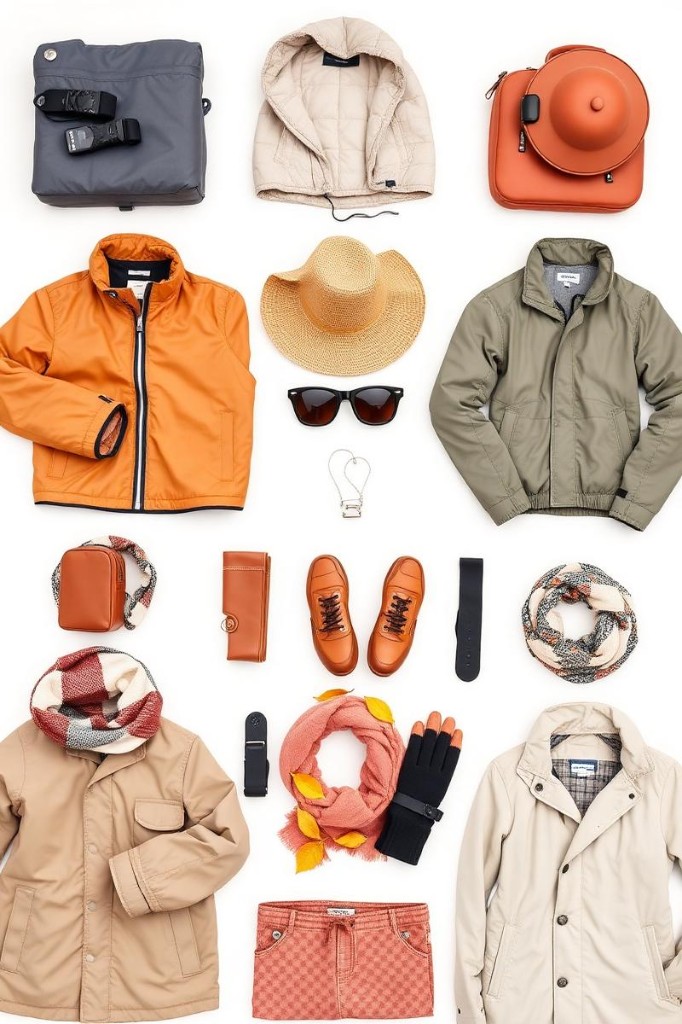
👕 Seasonal packing

Dry season (Dec-Mar): • Breathable walking shoes • Hat and sunglasses • Lightweight cotton clothing • High-protection sunscreen

Monsoon (Apr-Nov): • Lightweight and compact raincoat • Non-slip waterproof shoes • Sturdy umbrella • Quick-dry clothing • Plastic bag to protect electronics

All year round: • Light jacket for air conditioning • Respectful attire for temples • Waterproof backpack
Travel clothing and gear by season

💰 Seasonal budget

PeriodCity Center Accommodation (€/night)Transport (€/day)Restaurants (€/day)Attractions (€)Crowds
Dec-Feb45-808-1215-2520-30★★★★★
Mar-May35-606-1012-2015-25★★★☆☆
Jun-Aug25-455-810-1815-20★★☆☆☆
Sep-Nov30-506-912-2015-25★★☆☆☆

💡 Money-saving tips

Colombo City Pass: Cost-effective from 3 attractions visited in high season
Local restaurants: Lunch €2-5 vs tourist dinner €15-25
Accommodation: Bambalapitiya or Wellawatta neighborhoods are 30% cheaper than Fort
Transport: Daily bus pass €1 vs tuk-tuk €8-12/trip
Free events: Religious festivals and night markets

🏥 Health and precautions

Intensive hydration: 3-4L / 0.8-1 gal per day minimum due to tropical heat
Sun protection: SPF50+ cream reapplied every 2 hours
Urban pollution: Mask recommended during rush hours
Air conditioning: Light jacket for very cold shopping malls
24h Pharmacies: Osusala and Keells Super available for emergencies
Intensive walking: Comfortable shoes essential on uneven pavement

Urban Events

Calendar of must-see events in Colombo

Colorful festivals and religious celebrations transform the atmosphere of Colombo, creating a unique vibrancy that significantly enriches the urban experience.

🎊 Sinhalese and Tamil New Year (April)

The biggest celebration of the year turns Colombo into a giant festival of colors and traditions. Streets are decorated, families gather, and a festive mood takes over every neighborhood.

Location: Citywide, concentrated at Galle Face Green
Highlight: Unique fusion of Sinhalese and Tamil cultures
Climate impact: Transition period to the monsoon, bookings essential
Transport access: Public transport free on certain days
Planning tip: Book accommodation 2 months in advance

🪔 Vesak (May)

A major Buddhist festival illuminating Colombo with thousands of colorful lanterns. Temples organize spectacular processions and distribute free food and drinks throughout the city.

Location: Mainly Gangaramaya and Kelaniya temples
Highlight: Giant artistic illuminations in the streets
Climate impact: Peak monsoon, activities partially covered
Transport access: Special shuttles to main temples
Planning tip: Arrive early to avoid massive crowds

🎭 Navam Dance Festival (February)

A grand traditional spectacle at Gangaramaya Temple showcasing classic Sri Lankan dances in a modern urban setting. Procession of decorated elephants parading through the city center.

Location: Gangaramaya Temple and adjacent streets
Highlight: Unique blend of tradition and urban modernity
Climate impact: Ideal dry season, maximum tourist influx
Transport access: Metro to Fort then 15min walk
Planning tip: Paid seating available, arrive 2 hours early

Seasonal events

Dry season (Dec-Mar): • Christmas and Western New Year (Dec-Jan) • Duruthu Perahera Festival (Jan) • Maha Shivaratri (Feb-Mar)

Monsoon (Apr-Nov): • Local New Year (Apr) • Vesak illuminations (May) • Poson celebrations (Jun) • Esala Festival (Jul-Aug)

Impactful holidays: Business closures during full moons (Poya Days) every month

Responsible city break

Adopting a responsible urban tourism approach in Colombo helps reduce environmental impact while supporting the local economy in this growing metropolis.

Colombo is actively developing urban sustainable initiatives: electrified public transport, expanded pedestrian zones, reinforced recycling, and promotion of local businesses over international chains. Respect for residential neighborhoods and responsible waste management remain priorities.

🌱 Low-season advantages

Visiting during the monsoon significantly reduces your carbon footprint: less tourist air conditioning, less crowded transport, authentic experience of local life, and attractive prices that encourage the local economy rather than international chains.

♻️ Sustainable travel tips

Public transport: Local bus and train vs private taxis
Local restaurants: Traditional "Rice and curry" vs international chains
Certified accommodation: Green hotels with water/energy management
Plastic reduction: Reusable water bottle, cloth bags
Prioritize walking: Discovering neighborhoods on foot
Alternative circuits: Residential neighborhoods vs ultra-tourist zones

🏙️ Local sustainable initiatives

Colombo is investing in soft mobility with bike lanes, shared bikes, and extended pedestrian zones. Urban greening is progressing via vertical parks, green roofs, and community gardens. Ecotourism labels are emerging for responsible accommodation and restaurants.

Our recommendations

Personalized recommendations for your city break in Colombo

After analyzing climate data, tourist traffic, and cultural events, here are our personalized tips to optimize your discovery of Colombo. The choice of season drastically influences your experience: between the ideal but expensive dry season and an authentic but humid monsoon.

🌟 Optimal period: December to February

Advantages:
• Perfect weather conditions (23-31°C / 73-88°F, little rain)
• Colorful festivals and maximum festive atmosphere
• All sites accessible and ideal photo conditions
• Terraces and outdoor activities fully open
• More comfortable public transport

Key events: Multicultural Christmas, New Year, Duruthu Festival
Disadvantages: Accommodation prices +40%, maximum tourist traffic
Ideal profile: First-time travelers, families, photographers
Recommended stay: 4-5 days

⚖️ Interesting alternative: March and November

Months: March (end of dry season) and November (end of monsoon)
Description: Smart compromise between acceptable weather and moderate rates, with fewer tourist crowds but conditions still favorable for urban exploration.
Specific advantages: Prices -25% vs high season, less crowded sites, more authentic atmosphere
For whom: Flexible travelers, intermediate budgets, couples

👥 Tips for your travel style

Family: Dec-Feb, Cinnamon Gardens area, indoor backup activities, private transport
Budget: Jun-Sep, Bambalapitiya guesthouses, public transport, local restaurants
Culture: All year round, focus on temples/museums, religious festival periods
Romantic: Jan-Feb, boutique hotels in Fort, Galle Face sunsets, terrace restaurants
Weekend: Dec-Mar, city center, concentrated major sites
First trip: Jan-Feb, local guide, comfortable accommodation, safe dry season

❌ Periods to avoid: May and October

Months: Peak monsoons with torrential rains
Reasons: Extreme precipitation (300-370mm / 11.8-14.6 inches), complicated travel, stifling humidity, urban flooding risks
Nuance: Acceptable for very tight budgets and indoor culture enthusiasts

Villes du même pays

All cities

Frequently Asked Questions

Answers to essential questions to help you plan your city break in Colombo according to the climate and urban specifics.

What is the best month to visit Colombo?

January and February offer optimal conditions with dry weather, pleasant temperatures (23-31°C / 73-88°F), and a festive post-New Year atmosphere. It is the ideal time to discover outdoor sites and enjoy numerous festivals. March remains excellent with fewer crowds. Avoid May-October unless you seek local authenticity and accept monsoon constraints.

How many days should I plan for Colombo?

3 to 5 days are sufficient for a complete discovery of Colombo. Three days allow you to see the essentials (colonial Fort, major temples, markets), four days to delve into local culture, and five days to explore residential neighborhoods and take excursions to nearby beaches. A weekend can provide a good overview but may feel rushed for such a culturally rich capital.

What to do in Colombo when it rains?

The monsoon reveals the cultural indoor side of Colombo: National Museum for history, air-conditioned shopping malls (Odel, Majestic City), covered temples like Gangaramaya, contemporary art galleries, and food courts to discover local gastronomy. Covered walkways in the city center allow you to move between sites while staying dry. It is the perfect opportunity to immerse yourself in authentic Sri Lankan culture.

Which events should not be missed in Colombo?

Sinhalese-Tamil New Year (April) turns the city into a giant festival despite the monsoon. Vesak (May) illuminates Colombo with thousands of lanterns. In the dry season, the Navam Festival (February) features traditional dances and elephant processions. Multicultural Christmas celebrations (December) create a unique atmosphere blending local traditions with colonial influences in this cosmopolitan capital.

What budget should I plan according to the season?

High season (Dec-Feb): €80-120/day (accommodation €45-80, meals €15-25). Shoulder season (Mar, Nov): €60-90/day with significant discounts. Monsoon (May-Oct): €45-70/day, accommodation -50%, local restaurants very affordable. Add €20-30 for main attractions. Festivals can spike prices, so book in advance.