When to visit Douala? Complete City-Trip Guide

Between equatorial heat and cultural vibrancy, Douala reinvents itself through the seasons to surprise every traveler.

  • 4.5 million population
  • French, English, Douala (local language), Pidgin language
  • 185 days rainy days/year
  • November to February best time to visit
  • 3 to 5 days recommended stay

Weather and Climate Trends in Douala

Understanding Douala's hot and humid equatorial climate

Douala features a Köppen-classified Af equatorial climate, defined by consistent heat and humidity throughout the year. Located at the estuary of the Wouri River, just a few meters above sea level and near the Gulf of Guinea, the city records some of the highest rainfall levels in Africa, exceeding 4,000 mm / 157.5 inches annually. The urban heat island effect intensifies nighttime temperatures, making seasonal planning essential.

  • City Center: The hottest zone with an urban heat island effect and consistently high temperatures.
  • Coastal Districts: Benefit from refreshing sea breezes, making the humidity more manageable.
  • Urban Outskirts: Slightly cooler temperatures with denser vegetation.
MonthMin Temp (°C / °F)Max Temp (°C / °F)Precipitation (mm / in)Sunshine (h/day)Tourist TrafficRecommended Activities
January22°C / 72°F32°C / 90°F50 mm / 2 in5★★★☆☆Strolls in Bonanjo, central market, river trips
February22°C / 72°F33°C / 91°F70 mm / 2.8 in6★★★☆☆Cultural visits, Akwa district, local cuisine
March23°C / 73°F33°C / 91°F150 mm / 5.9 in5★★☆☆☆Museums, neighborhood festivals, urban art
April23°C / 73°F32°C / 90°F200 mm / 7.9 in4★★☆☆☆Art galleries, restaurants, nightlife
May23°C / 73°F31°C / 88°F280 mm / 11 in3★☆☆☆☆Doual'Art, indoor visits, covered markets
June22°C / 72°F29°C / 84°F400 mm / 15.7 in2★☆☆☆☆Museums, cultural centers, indoor street food
July22°C / 72°F28°C / 82°F580 mm / 22.8 in1★☆☆☆☆Indoor experiences, bars and lounges, shopping
August22°C / 72°F28°C / 82°F520 mm / 20.5 in1★☆☆☆☆Local gastronomy, traditional music, markets
September22°C / 72°F28°C / 82°F450 mm / 17.7 in2★☆☆☆☆Neighborhood life, culinary discovery, crafts
October22°C / 72°F29°C / 84°F350 mm / 13.8 in3★★☆☆☆Strolls, Ngondo festival preparation
November22°C / 72°F31°C / 88°F180 mm / 7.1 in4★★★☆☆Ngondo festival, excursions, river trips
December22°C / 72°F32°C / 90°F60 mm / 2.4 in5★★★★☆Ngondo, end-of-year festivities, outdoor culture

Douala's low elevation (13 meters / 43 feet) maintains consistently high temperatures. Thermal variations are primarily influenced by oceanic proximity and dense urbanization rather than altitude.

Seasons in Douala

Must-sees by Weather in Douala

Whether it's raining or sunny, Douala always has memorable experiences in store. Organizing your visits according to the daily weather allows you to optimize every hour of your stay and avoid unpleasant surprises in this city with capricious weather.

☔ In Overcast/Rainy Weather

Indoor & Protected Spaces in Douala

When tropical downpours hit Douala, the city's cultural depth truly shines. Museums, galleries, and covered markets offer refuges that are as enriching as they are pleasant.

  • 🎨 Doual'Art – Contemporary Art Center: 2h visit | Free entry or suggested donation | Open year-round — international reference for contemporary African art, Bali district.
  • 🕌 Douala Museum (Palace of the Bassa Kings): 1.5h visit | ~1,000 FCFA | Royal heritage and history of the Littoral region.
  • 🛒 Douala Central Market: 2-3h | Free | Covered labyrinth of textiles, spices, and crafts — total sensory immersion.
  • 🏛️ French Institute of Cameroon: 1-2h | Free to low cost | Exhibitions, screenings, media library, Akwa district.
  • 🍽️ Cameroonian Cuisine Restaurants: Ideal during rainy weather to discover ndolé, poulet DG, or fish skewers.
  • 🛍️ Wouri Shopping Centre: 2-3h | Free | Modern shopping mall, air-conditioned refuge during heavy rain.

Practical Tip: Book your Doual'Art visits in the morning before late-day downpours. Covered markets are best visited early in the morning to avoid crowds and heat.

Trick: Link Doual'Art → French Institute → lunch in a Bonanjo neighborhood restaurant for a complete cultural day even in the rain.

☀️ In Sunny Weather

Optimal Outdoor Douala

Sunny days during the great dry season (November-February) finally offer the opportunity to explore Douala outdoors, discover its colonial architecture, and enjoy its spectacular river banks.

  • 🏛️ Bonanjo District: 2-3h | Free | German and French colonial architecture, administrative and historical atmosphere — best visited in the morning.
  • Wouri Cruise: 2-4h | 5,000-15,000 FCFA depending on the boat | Magical sunsets over the estuary, departure from the fishing port.
  • 🌿 Reunification Park: 1h | Free | Central green space ideal for a break, iconic monument of Douala.
  • 🕌 Saints-Peter-and-Paul Cathedral: 30min | Free | Impressive architecture, Akwa district, golden light ideal in late morning.
  • 🎭 Deido Roundabout and Deido District: 2h | Free | Authentic neighborhood life, murals, popular atmosphere — photographic golden hour in late afternoon.
  • 🐟 Youpwé Fishing Port: 1-2h | Free | Arrival of pirogues, lively fish market, spectacular sunrise.

Best Moment: Sunrise at Youpwé (6:00 AM-7:00 AM) and sunset over the Wouri from the banks of Bonanjo are exceptional photographic moments.

Seasonal Tip: Prioritize December and January for outdoor outings — rainfall is at its minimum and lighting is optimal.

🌤️ All-Weather Versatile

Flexible Sites in Douala, Rain or Shine

Some Douala locations can be enjoyed regardless of the weather, offering a complete experience both indoors and outdoors depending on the conditions.

  • 🛒 New Bell Market: Bustling semi-covered market, ideal in cloudy or sunny weather — crafts, thrift clothes, electronics, and street food.
  • 🎵 Bars and Music Scenes of the Akwa District: Makossa and Afrobeat concerts indoors or on terraces depending on the weather — guaranteed evening entertainment.
  • 🏨 Panoramic Rooftop Hotels (e.g., Sawa Hotel): Pool and covered terrace — enjoy sun breaks between showers.

Weather Trick: Start your day at the New Bell Market (covered), then take advantage of a clearing to walk to Bonanjo. In the evening, the Akwa district comes alive regardless of conditions.

Typical Itinerary: 8:00 AM New Bell Market → 11:00 AM Bonanjo District (if sunny) → 1:00 PM Lunch in a local maquis → 4:00 PM Doual'Art if raining → 8:00 PM Akwa musical evening.

💰 Free or Budget-Friendly

Douala for Free: Wealth Accessible to All

  • 🌿 Reunification Park: Free entry, iconic central green space.
  • 🎨 Street Art of the Bali and Deido Districts: Free walk to discover murals of the Cameroonian urban art scene.
  • Saints-Peter-and-Paul Cathedral: Open access, remarkable architecture.
  • 🐟 Youpwé Fish Market: Free entry, authentic experience at sunrise.
  • 🎵 Musical Atmosphere of the Akwa Streets: Street music and neighborhood maquis offer free and unforgettable cultural immersion.

Free Days: Some community galleries like Doual'Art offer free entry with a voluntary contribution option.

Budget Tips: The most striking panoramas of Douala can be admired from the banks of the Wouri — completely free. Neighborhood maquis offer full meals for less than 2,000 FCFA.

Douala Practical Guide

Traveling to Douala requires preparation adapted to its specific equatorial climate. Between intense heat, permanent humidity, and unpredictable rain, each season dictates its own equipment and travel strategies. Anticipating these constraints ensures a smooth and comfortable city trip in one of Central Africa's most dynamic cities.

👕 Seasonal packing

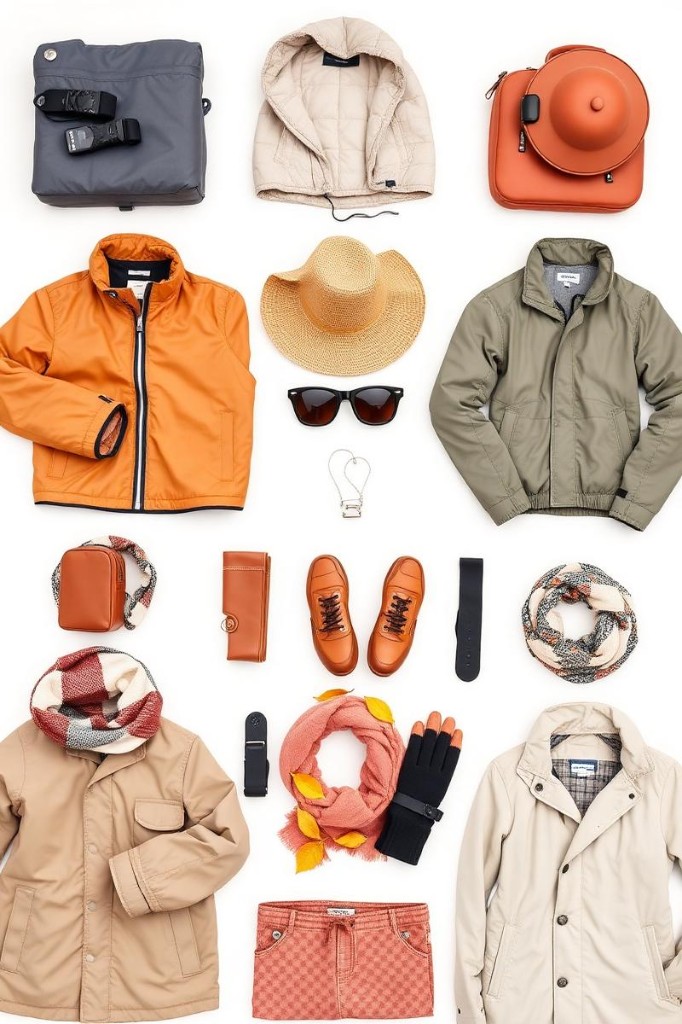
Dry Season (November-February): • Lightweight breathable cotton or linen clothing • Comfortable lightweight walking shoes • Sunglasses and a hat or cap • High-SPF sunscreen • A light jacket for evenings and hotel air conditioning

Rainy Season (March-October): • Lightweight raincoat or compact poncho is essential • Waterproof shoes or closed non-slip sandals • Quick-drying synthetic clothing • Waterproof backpack or covers to protect cameras and documents • Keep spare outfits easily accessible

Year-round: • Mosquito protection (cream and repellent) is essential • Modest clothing for visiting places of worship • Casual but respectful attire for markets and popular neighborhoods

Travel clothing and gear by season

💰 Seasonal budget

PeriodCity Center Accommodation (€/night)Transport (€/day)Restaurants (€/day)Attractions (€)Traffic
December-January (peak)60 – 200 €8 – 15 €15 – 40 €5 – 20 €★★★★☆
November & February45 – 150 €6 – 12 €12 – 35 €5 – 15 €★★★☆☆
March-April (transition)35 – 100 €5 – 10 €10 – 30 €3 – 10 €★★☆☆☆
May-June (start of rains)25 – 80 €4 – 8 €8 – 25 €2 – 8 €★☆☆☆☆
July-September (heavy rains)20 – 60 €4 – 7 €7 – 20 €2 – 5 €★☆☆☆☆
October (transition)30 – 90 €5 – 10 €9 – 28 €3 – 10 €★★☆☆☆

💡 Money-saving tips

Favor neighborhood maquis to eat local for under 5 € for a full meal — much cheaper and more authentic than hotel restaurants.
Negotiate taxi fares before boarding: city taxis in Douala operate without meters, so the price is fixed at departure.
Travel in the low season (July-September) for accommodation up to 60% cheaper, ideal for budget travelers.
Shop at the central market for artisanal souvenirs and local fabrics rather than tourist boutiques — significant savings guaranteed.
Group your cultural visits on the same day to limit transport costs between sites.

🏥 Health and precautions

  • Malaria: Antimalarial prophylaxis is essential — consult a doctor before departure, and evening mosquito protection is mandatory.
  • Recommended Vaccines: Yellow fever (mandatory), hepatitis A and B, typhoid, meningitis — check with your primary care physician.
  • Hydration: Drink only bottled or purified water — intense humidity causes sweating even without effort.
  • Heat and Humidity: Avoid intense outdoor activity between 12:00 PM and 3:00 PM in the dry season; the combined heat and humidity can cause heat exhaustion.
  • Pharmacies: Several pharmacies available in the Akwa and Bonanjo districts, some open in the evening.
  • Street Food: Favor hot-cooked foods consumed immediately to avoid gastrointestinal risks.

Urban Events in Douala

Calendar of must-see events in Douala

The cultural and traditional events of Douala deeply define the rhythm of city life and are often a travel destination in themselves. They transform the urban atmosphere and make every visit a unique experience.

🎭 Ngondo Festival — December (usually 1st weekend)

The Ngondo is Douala's major cultural event, an ancestral celebration of the Sawa people held on the banks of the Wouri River. This spiritual and festive gathering blends water rituals, pirogue races, traditional dances, the election of the Ngondo Queen, and speeches by traditional chiefs. The atmosphere is electric, with thousands of spectators and visitors from across Cameroon lining the Wouri banks.

Location: Wouri River banks, Deido-Bonanjo district

Specialty: Ritual consultation of water spirits, unique in Central Africa

City Impact: Douala is buzzing throughout the week preceding the festival — hotels are fully booked, prices rise, and nightlife thrives in all neighborhoods.

Transport Access: Motorcycle taxi or shared taxi from the city center — plan to walk the final 500m / 0.3 miles.

Planning Tip: Book your accommodation at least 6 to 8 weeks in advance for December.

🎵 Doual'Art Festival & Contemporary Art Events — November to February

The Doual'Art gallery, an international cultural institution based in Douala, regularly organizes exhibitions, urban installations, and contemporary art events that turn city neighborhoods into open-air galleries. These initiatives have made Douala one of the emerging capitals of contemporary African art, attracting artists and collectors worldwide.

Location: Bali district, installations throughout Douala

Specialty: In-situ urban art integrated into architecture and neighborhood life

City Impact: Neighborhoods transformed into living exhibition spaces, international cultural atmosphere.

Transport Access: City center accessible by taxi or on foot from the Akwa district.

Planning Tip: Check the Doual'Art calendar before your departure to align your visit with an opening or special event.

🍫 Chocolate and Cocoa Culture Fair — Variable dates (March-April)

As Cameroon is a major global cocoa producer, Douala periodically hosts events dedicated to the chocolate and cocoa industry, showcasing local producers, artisanal chocolatiers, and Cameroonian gastronomy. These events are generally held in hotel spaces or at the French Institute and offer a unique gastronomic and economic experience.

Location: French Institute of Cameroon or Douala Congress Palace

Specialty: Tasting rare cocoas, meeting producers from the Centre and Littoral regions.

City Impact: Influx of professionals and foodies, vibrant city center.

Transport Access: City center, accessible by taxi from all districts.

Planning Tip: Verify exact dates with the French Institute or local tourist offices — programming varies by year.

Seasonal events

Great Dry Season (November-February): • Ngondo Festival (December, Wouri banks, spiritual and festive) • Christmas and New Year celebrations (December-January, neighborhood events, outdoor concerts) • Doual'Art events (November-January, Bali district, exhibitions) • Cameroon National Day — January 1st

Rainy Transition (March-June): • Cocoa and gastronomy events (March-April, French Institute) • May 20th National Day (official events, parades, partial closures — expect transport delays) • Indoor Makossa and Afrobeat concerts (throughout the period)

Rainy Season (July-October): • Indoor cultural events in cultural centers • Nightlife concentrated in Akwa bars and clubs • Covered neighborhood night markets — authentic local atmosphere

Responsible City-Trip in Douala

Visiting Douala responsibly means contributing positively to the local economy while minimizing your impact on a city already under demographic and environmental pressure. The choice of season and local providers makes all the difference.

Douala, a metropolis of 4.5 million inhabitants, faces significant environmental challenges: waste management, intense traffic, and pressure on water resources. Choosing committed accommodation, supporting local artisans and restaurateurs rather than international chains, and favoring walking in central districts are concrete steps for a positive-impact tourism.

🌱 Low-season advantages

Traveling outside the December peak allows you to reduce pressure on Douala's tourist infrastructure, support the local economy throughout the year, take advantage of accessible prices, and experience an authentic immersion in the daily life of Douala residents.

♻️ Sustainable travel tips

Favor motorcycle taxis and shared taxis (bendskin) rather than private vehicles for short trips in the city — less traffic and more economical.
Eat in neighborhood maquis and restaurants run by local families — your money goes directly to the local economy.
Buy crafts and souvenirs at the central market directly from producers, avoid tourist intermediaries.
Reduce plastic bottles by opting for refillable filtered water jugs available in some hotels.
Respect local dress codes, particularly in popular neighborhoods and places of worship.
Hire certified local guides for your visits — they pass on authentic knowledge and participate in the sustainable tourism economy.

🏙️ Local sustainable initiatives

Douala is seeing the emergence of sustainable initiatives led by civil society: waste collection programs in popular neighborhoods like New Bell and Deido, greening of public spaces around the Reunification Park, development of experimental electric motorcycle taxis, and Doual'Art's commitment to culture accessible to all local audiences.

Our Recommendations

Recommendations for your city trip to Douala

After a complete analysis of Douala's climate, cultural events, and urban specifics, it is clear that the city is at its best between November and February. This period combines the most favorable weather conditions of the year, the Ngondo festival in December, and the best hotel and gastronomic offerings. For a first trip, this window is undoubtedly the best. Curious and adventurous travelers, however, will find a more intimate, less expensive, and deeply authentic Douala in the low season, provided they are well-prepared for tropical surprises.

✅ Optimal Period: November to February

Recommended Months: November, December, January, February

  • Minimal rainfall, clear skies favorable for outdoor activities.
  • Ngondo festival in December: an unforgettable cultural experience on the banks of the Wouri.
  • Pleasant temperatures (22-33°C / 72-91°F) with good sunshine.
  • Nightlife and outdoor terraces are accessible.
  • Best time for river cruises on the Wouri.

Key Events: Ngondo Festival (December), end-of-year celebrations, Doual'Art exhibitions.

Drawbacks: Higher hotel rates in December, reservations must be anticipated — potential saturation during Ngondo.

Ideal Profile: First-time visitors, families, traditional culture enthusiasts, travelers wanting to experience Douala in the best conditions.

Recommended Duration: 4 to 5 days to combine culture, gastronomy, walks, and river excursions.

⚖️ Interesting Alternative: October and March

Alternative Months: October, March

These two transition months offer an interesting compromise between acceptable weather and attractive prices. Rains are still present but less torrential than in the heart of the wet season. The city gradually regains its dynamism in October (before the December peak) and begins its spring awakening in March with cultural and gastronomic events.

Specific Advantages: Intermediate rates, hotel availability, fewer tourists than in December, lush vegetation still present in March.

For whom: Flexible travelers, photographers in search of atmospheric contrasts, budget-conscious travelers wanting to discover Douala without the festive crowds of December.

👥 Tips for your travel style

Family: Prioritize December (spectacular Ngondo festival for children), stay in hotels with indoor pools (Sawa Hotel, Akwa Palace), Bonanjo district for safe walks, plan at least 5 days.

Budget: Travel in October or March, stay in guesthouses in the Akwa or Bali districts (20-40€/night), eat exclusively in local maquis, get around by shared taxi.

Culture: December is undoubtedly best for Ngondo, but also November for Doual'Art — plan 5 days to combine museums, galleries, markets, and river trips.

Romantic: January and February for terrace evenings and sunset cruises on the Wouri — book a hotel with a river view.

Weekend / Short Stay: 3 days are enough in the dry season (Nov-Feb): Day 1 Bonanjo + Wouri, Day 2 markets + Doual'Art, Day 3 Youpwé at sunrise + gastronomy.

First Trip: December remains the obvious choice — festival, weather, and festive atmosphere combined. Hire a local guide to discover popular neighborhoods with peace of mind.

⚠️ Periods to Avoid: July and August

Months not recommended: July, August

Reasons: These two months concentrate the most intense rainfall of the year (over 500 mm / 19.7 inches monthly), with almost zero sunshine. Getting around the city is made difficult by localized flooding in some popular neighborhoods. Extreme humidity makes physical exertion grueling and outdoor walking nearly impossible during downpours.

Nuance: Business travelers or those looking for off-the-beaten-path experiences may still find an ultra-local and very inexpensive Douala during this period — provided they are perfectly equipped and have no itinerary constraints.

Villes du même pays

All cities

Frequently Asked Questions

Planning your trip to Douala and have questions about the best time to visit, budget, or activities by season? Here are the essential answers.

What is the best month to visit Douala?

December is the ideal month to visit Douala for several reasons: it is the driest month of the year with only 60 mm / 2.4 inches of rainfall, the sky is clearest, and temperatures range between 22°C and 32°C / 72°F and 90°F. Most importantly, it is the month of the Ngondo festival, a major cultural event for the Sawa people, which transforms the Wouri banks into a living spectacle unique in Central Africa. November and January are excellent, slightly less crowded, and more affordable alternatives.

How many days should I plan for Douala?

A stay of 4 to 5 days is ideal to explore Douala in depth without rushing. In 3 days, you can cover the essentials: Bonanjo district, central market, Doual'Art, and a cruise on the Wouri. Extra days allow you to explore the popular neighborhoods of Deido or New Bell, or take an excursion to Mount Cameroon or the beaches of Kribi, 2 hours away by road. For the Ngondo festival, plan for 5 to 6 days to fully enjoy it.

What to do in Douala if it rains?

Douala is full of absolutely captivating experiences during rainy weather. The Doual'Art gallery (Bali district) offers international-standard contemporary African art exhibitions. The French Institute of Cameroon hosts screenings, concerts, and exhibitions. The semi-covered central market offers an incomparable sensory immersion. Cameroonian cuisine restaurants — serving ndolé, poulet DG, or eru — are best enjoyed during a sheltered lunch. The bars and clubs of the Akwa district liven up rainy evenings with live Makossa and Afrobeat.

What events should I not miss in Douala?

The Ngondo festival in December is undoubtedly the event not to be missed: this ancestral celebration of the Sawa people on the banks of the Wouri blends water rituals, pirogue races, and traditional dances in a unique atmosphere. The contemporary art events of Doual'Art (November-February) turn neighborhoods into living galleries. The May 20th National Day features official and popular events. Finally, the musical evenings of Makossa in the bars of Akwa are an essential daily cultural event.

What budget should I plan for the season?

The budget varies significantly by season. In high season (December-January), expect 80 to 250 € per day all-inclusive (accommodation, meals, transport, activities) depending on your comfort level. In low season (July-August), the same budget can be reduced by 40 to 60%: accommodation starting from 20 €/night, meals in local maquis for under 5 €. In shoulder season (November, February, October), a budget of 50 to 150 €/day comfortably covers a quality stay. The biggest savings are found in accommodation (book early for December) and transport (shared taxi rather than private taxi).