When to visit Fogo? City-Trip Guide

Discover the volcanic island of Fogo according to the seasons for an authentic experience between majestic craters and picturesque villages.

  • 37,000 inhabitants population
  • Portuguese, Cape Verdean Creole language
  • 15 days rainy days/year
  • from November to June best time to visit
  • 4 to 7 days recommended stay

Climate and weather in Fogo

Understanding the tropical volcanic climate of Fogo

Fogo enjoys an arid tropical climate influenced by the altitude of the Pico do Fogo volcano. Atlantic trade winds moderate temperatures, while the elevation creates distinct microclimates between the coast and the volcanic heights.

  • Coastal zone: Hot and dry climate, stable temperatures around 25-28°C / 77-82°F
  • Mid-altitude zones: Cooler temperatures, denser vegetation
  • Volcanic crater: Cool climate at high altitude, frequent fog at the summit
MonthMin Temp (°C / °F)Max Temp (°C / °F)Precipitation (mm)Sunshine (h/day)Tourist TrafficRecommended Activities
January18 / 6425 / 7757⭐⭐⭐Hiking, village tours
February18 / 6425 / 7738⭐⭐⭐Volcano climb, beaches
March19 / 6626 / 7928⭐⭐⭐Trekking, cultural discovery
April20 / 6827 / 8118⭐⭐Hiking, traditional villages
May21 / 7028 / 8219⭐⭐Volcano, local crafts
June22 / 7229 / 8409⭐⭐Beaches, festivals
July23 / 7330 / 8609⭐⭐⭐Local festivals, swimming
August24 / 7531 / 88158⭐⭐⭐⭐Festivals, nightlife
September24 / 7531 / 88457⭐⭐⭐Cloud observation, culture
October23 / 7330 / 86257⭐⭐Photography, gastronomy
November21 / 7028 / 8287⭐⭐Hiking, villages
December19 / 6626 / 7957⭐⭐⭐Traditional celebrations

Altitude significantly influences the climate: from an average of 28°C / 82°F on the coast to 15°C / 59°F in the crater. Thermal variations can reach 10-15°C / 18-27°F between sea level and the volcano heights.

The seasons in Fogo

Sites according to weather

Optimize your discovery of Fogo by adapting your visits to weather conditions to fully enjoy the volcanic wonders.

☔ In cloudy/rainy weather

Protected and cultural activities

Take advantage of cloudy days to discover the island's cultural and artisanal heritage.

Recommended sites:
🏛️ São Filipe Museum - 2h - €3 - Volcanic history
🏺 Traditional pottery workshops - 1.5h - €5 - Local crafts
🍷 Chã das Caldeiras wine cellars - 1h - €8 - Tasting
⛪ Igreja Matriz de São Filipe - 30min - Free - Colonial architecture
🎨 Local art galleries - 1h - €2 - Volcanic paintings

Practical tip: Book tastings in advance, especially in tourist season

Tip: Combine cultural visits and gastronomy in the center of São Filipe

☀️ In good weather

Optimal volcanic exploration

Perfect conditions to discover the geological wonders and exceptional panoramas of the island.

Must-see sites:
🌋 Pico do Fogo ascent - 6-8h - Guide mandatory - Sunrise
🏔️ Chã das Caldeiras crater - 4h - Village in the volcano
🌊 São Filipe beach - Relaxation - Sunset
👁️ Miradouro das Relvas - 1h - Island panorama
🥾 Monte Velha trail - 3h - Coastal hike

Best time: Sunrise for the ascent, golden hour for photos

Seasonal tip: November to May is optimal, avoid July-August which is too hot

🌤️ Versatile for all weather

Adaptable sites

Places offering alternatives depending on weather conditions.

Flexible sites:
🏘️ Chã das Caldeiras village - Indoor/outdoor
🌿 Botanical gardens - Natural shelters
🏪 Local markets - Partially covered

Weather tip: Start outdoors if the weather is nice, retreat indoors if necessary

Typical itinerary: Morning volcano if clear, afternoon culture if cloudy

💰 Free or economical

Discoveries without cost

Free sites:
🏖️ Public beaches - Free access
🚶 Marked trails - Free hiking
🏘️ Traditional villages - Free visit
🌅 Panoramic viewpoints - Free

Budget tips: Picnics with local products, informal local guides, shared transport

Practical Guide

Prepare your stay in Fogo with our recommendations adapted to the volcanic climate and the specificities of this authentic island of Cape Verde.

👕 Seasonal packing

Dry season (Nov-Jun): • Sturdy hiking boots • Windbreaker for altitude • Enhanced sun protection • Layered clothing

Rainy season (Jul-Oct): • Lightweight raincoat • Non-slip shoes • Breathable clothing • Hat and sunglasses
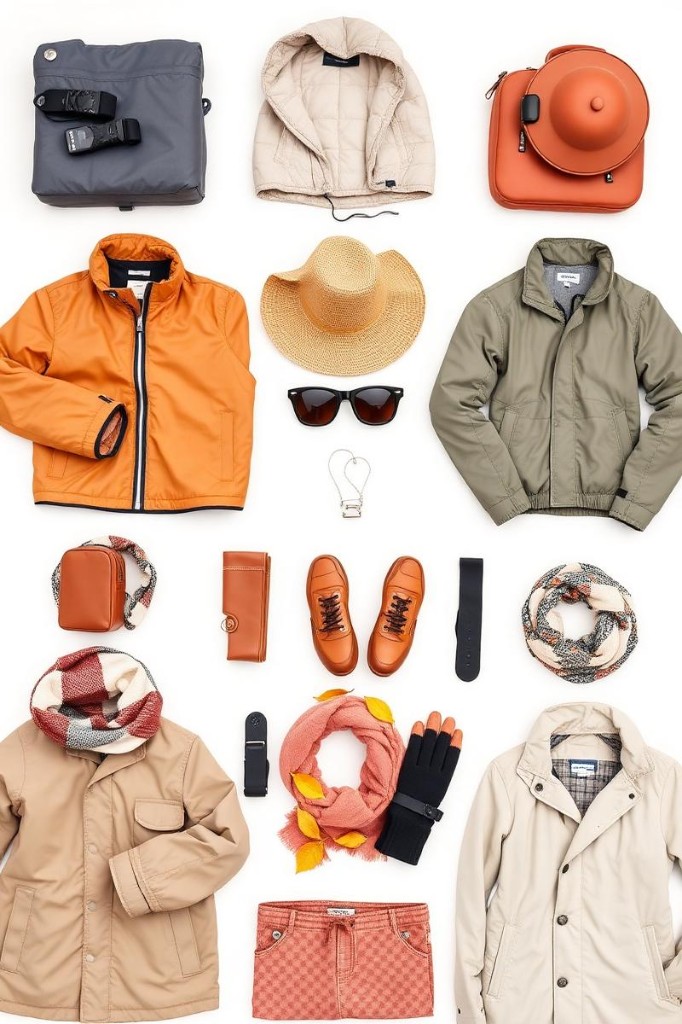
Travel clothing and gear by season

💰 Seasonal budget

PeriodAccommodation (€/night)Transport (€/day)Restaurants (€/day)Activities (€)Traffic
Nov-Feb40-8015-2520-3525-50⭐⭐
Mar-May45-8515-2520-3525-50⭐⭐⭐
Jun-Aug55-9520-3025-4030-60⭐⭐⭐⭐
Sep-Oct50-9015-2520-3525-50⭐⭐⭐

💡 Money-saving tips

• Negotiate with local guides directly • Favor family-run restaurants • Share transport with other travelers • Buy souvenirs in the villages • Avoid festival periods for accommodation

🏥 Health and precautions

• Increased hydration at altitude and in dry weather • Maximum sun protection (intense UV) • Beware of slippery trails after rain • First aid kit for hikes • Gradual adaptation to the volcano's altitude

Local Events

Calendar of traditional festivities in Fogo

Fogo's events reflect the island's Creole soul, blending African traditions and Portuguese influences in a unique volcanic setting.

🎭 São Filipe Festival (May)

A major cultural celebration blending traditional music, dance, and local crafts in the cobblestone streets of the capital. Morna and coladeira performances resonate within the colonial architecture.

Location: Historic center of São Filipe

Highlight: Unique fusion of colonial heritage and Creole culture

Climate impact: Ideal dry period, accommodation bookings essential

Access: Special shuttles from the airport

Tip: Book at least 2 months in advance

🍇 Harvest Festival (August-September)

A world-unique celebration of the grape harvest inside an active volcanic crater. Residents of Chã das Caldeiras share their exceptional winemaking traditions with tastings of volcanic wines.

Location: Chã das Caldeiras village, inside the crater

Highlight: Only vineyards in the world located in an active volcano

Climate impact: Rainy season, lush vegetation, access sometimes difficult

Access: 4x4 mandatory, local guides recommended

Tip: Bring waterproof clothing

🎵 Morna Festival (December)

A tribute to traditional Cape Verdean music in the intimate setting of mountain villages. Acoustic concerts and spontaneous jam sessions create a magical atmosphere under the stars.

Location: Various villages on the island

Highlight: Preserved authenticity, local and international artists

Climate impact: Cool season, evenings perfect for outdoor music

Access: Local transport organized between villages

Tip: Bring warm clothing for the evenings

Seasonal events

Dry season: • São Filipe Carnival (February-March) • Feast of São José (March) • Hiking Festival (April)

Rainy season: • Independence Day (July) • Nature Festival (September) • Year-end celebrations (December)

Responsible Tourism

Fogo, a fragile volcanic island, requires tourism that respects its unique ecosystem and preserved traditional communities.

Tourism in Fogo must preserve the delicate balance between economic development and the protection of the volcanic environment. Favor local guides, respect marked trails, and support traditional crafts in the crater villages.

🌱 Low-season advantages

Visiting in the low season reduces pressure on the island's limited resources, allows for a more authentic experience with residents, and supports the local economy in a balanced way.

♻️ Sustainable travel tips

• Use certified local guides for ascents • Buy directly from village artisans • Respect the fragility of volcanic soils • Save water, a precious resource • Take your trash away from hiking areas • Favor family-run accommodations

🏙️ Local sustainable initiatives

The island is developing eco-tourism projects: eco-marked trails, training of local guides, preservation of traditional vineyards, sustainable water management, and promotion of authentic volcanic crafts.

Our Recommendations

Recommendations for your discovery of Fogo

Our climate analyses and field knowledge allow us to guide you to the best periods according to your expectations. Fogo offers different experiences depending on the season, between spectacular volcanic ascents and authentic cultural immersion.

🌟 Optimal period: December to May

Recommended months: December, January, February, March, April, May

Advantages:
• Perfect conditions for climbing Pico do Fogo
• Exceptional visibility of volcanic landscapes
• Pleasant temperatures for hiking
• Clear skies ideal for photography
• Fewer tourists, more authentic experience

Events: São Filipe Festival, traditional Carnival

Disadvantages: More arid landscapes, volcanic dust

Ideal profile: Hikers, photographers, geology enthusiasts

Recommended duration: 5 to 7 days

🌿 Interesting alternative: September to November

Alternative months: September, October, November

Description: Transition period offering the best of both seasons with vegetation still green and weather conditions gradually improving.

Specific advantages: Lush landscapes, more accessible prices, harvest festivals, fewer crowds

For whom: Flexible travelers, local culture enthusiasts, moderate budgets

👥 Tips for your travel style

Experienced hikers: December-April, accommodation in Chã das Caldeiras, specialized volcano guides

Families: March-May, accommodation in São Filipe, cultural activities, beaches

Photographers: January-March, sunrise at the crater, coastal golden hour

Tight budget: September-November, local accommodation, shared transport

First visit: February-April, local guide, complete discovery circuit

⚠️ Periods to consider: July-August

Months: July, August

Reasons: Intense heat, high humidity, frequent fog at the summit, high prices, maximum crowds

Nuances: Excellent period for festivals and cultural life, ideal for fans of a festive atmosphere

Villes du même pays

All cities

Frequently Asked Questions

Answers to essential questions for planning your trip to Fogo according to optimal weather conditions.

What is the best month to visit Fogo?

The months from February to April offer optimal conditions with a dry climate, pleasant temperatures (18-27°C / 64-81°F), and perfect visibility for climbing the volcano. This period combines favorable weather, fewer tourists, and reasonable prices. Avoid July-August if you are sensitive to heat and crowds.

How many days should I plan for Fogo?

Plan for at least 4 to 7 days to discover the essentials: 2 days for climbing Pico do Fogo and exploring the crater, 1 day for São Filipe and its heritage, 1-2 days for traditional villages and coastal hikes. Geology and hiking enthusiasts can easily spend 10 days exploring all the trails.

What to do in Fogo in case of rain?

Take advantage of the cultural riches: visit the São Filipe museum, discover traditional pottery workshops, taste volcanic wines in the cellars of Chã das Caldeiras, explore local art galleries, or participate in Creole cooking classes. The colonial architecture of São Filipe also offers beautiful covered walks.

Which events should not be missed in Fogo?

The São Filipe Festival in May for Creole culture, the Harvest Festival in August-September (unique in the world in a volcanic crater), and the Morna Festival in December for traditional music. The February-March Carnival also offers an authentic experience far from mass tourism.

What budget should I plan according to the season?

Expect €80-€120 / $85-$130 per day in high season (June-August) and €60-€90 / $65-$95 per day in low season (November-February). Include accommodation (€40-€95 / $45-$105 per night), meals (€20-€40 / $22-$45 per day), local transport (€15-€30 / $16-$32 per day), and activities (€25-€60 / $27-$65). Climbing the volcano with a guide costs €40-€60 / $45-$65. Festival periods increase accommodation prices by 30-50%.