When to visit Grand Turk? City-Trip Guide

Between sunny dry seasons and tropical humidity, Grand Turk reveals a different character depending on the period chosen.

  • 0.005 M population
  • English language
  • 75 days rainy days/year
  • December to April best time to visit
  • 3 to 7 days recommended stay

Weather and Climate Trends in Grand Turk

Understanding the tropical climate of this Caribbean island

Grand Turk enjoys a tropical maritime climate influenced by Caribbean trade winds. Located approximately 559 miles / 900 km southeast of Miami, the island experiences two main seasons: a favorable dry season from December to April and a humid, cyclonic season from May to November, with mild temperatures year-round.

The island features a homogeneous climate with microclimatic variations depending on exposure to trade winds. The west coast, being more sheltered, offers slightly calmer conditions than the east coast, which is exposed to prevailing winds.

MonthMin Temp (°C / °F)Max Temp (°C / °F)Precipitation (mm)Sunshine (h/day)Tourist TrafficRecommended Activities
January22°C / 72°F27°C / 81°F358★★★★Diving, beach, exploring Cockburn Town
February22°C / 72°F27°C / 81°F308★★★★Snorkeling, humpback whale watching
March23°C / 73°F28°C / 82°F408★★★★★Wall diving, water sports, fishing
April24°C / 75°F29°C / 84°F308★★★★Beach, excursion to Gibbs Cay, kitesurfing
May25°C / 77°F30°C / 86°F607★★★Snorkeling, coastal hiking, cultural discovery
June26°C / 79°F31°C / 88°F807★★Diving, national museum, authentic local life
July27°C / 81°F32°C / 90°F1006★★Water sports, local gastronomy, low crowds
August27°C / 81°F32°C / 90°F1206★★★Cultural festival, diving, festive local atmosphere
September27°C / 81°F31°C / 88°F1306Relaxation, spa, indoor activities — cyclone vigilance
October26°C / 79°F30°C / 86°F1007★★Transition, diving when calm, unique discovery
November24°C / 75°F29°C / 84°F607★★★Diving, beach, good value for money
December23°C / 73°F28°C / 82°F408★★★★Local festivals, beach, diving, Maskanoo at month-end

With a maximum elevation of 161 feet / 49 meters, Grand Turk does not exhibit climatic variations linked to relief. The climate remains uniform across the island, influenced primarily by its oceanic proximity.

Seasons in Grand Turk

Must-sees according to the weather

Whether it is bright sunshine or clouds, Grand Turk always offers something to explore. Organizing your visits according to weather conditions will allow you to optimize every hour of your stay on this unique Caribbean island.

☔ In cloudy or rainy weather

Indoor & Sheltered Sites

Even in the rain, Grand Turk holds remarkable cultural and immersive experiences for travelers who know where to find them.

  • 🏛️ Turks and Caicos National Museum — Cockburn Town — 1 to 1.5 hours — approx. 10 USD — open all year. Fascinating dive into the island's history, from the first Lucayan inhabitants to the British colonists.
  • St. Thomas Anglican Church — Front Street — 30 min — free access. 19th-century colonial architecture, a place of serenity and heritage.
  • 🍽️ Front Street Restaurants — tasting local cuisine (grilled conch, lobster) under shelter — 45 min to 1 hour. Ideal for a gourmet break during a shower.
  • 🛍️ Cockburn Town Artisan Boutiques — city center — 30 to 45 min — free access. Local souvenirs, coral jewelry, Caribbean crafts.
  • 🏛️ Sadler's Building & Public Library — historic center — 30 min — free access. Well-preserved colonial architecture, a moment of quiet.

Practical Tip: Since the national museum is the most complete site, prioritize it in the early rainy morning to avoid cruise ship crowds. No reservation needed but check hours according to cruise ship calls.

Tip: Follow the museum with a tasting at a Front Street restaurant — less than 200 meters / 656 feet separate the two sites.
☀️ In good weather

Optimal Outdoors — Grand Turk in the sun

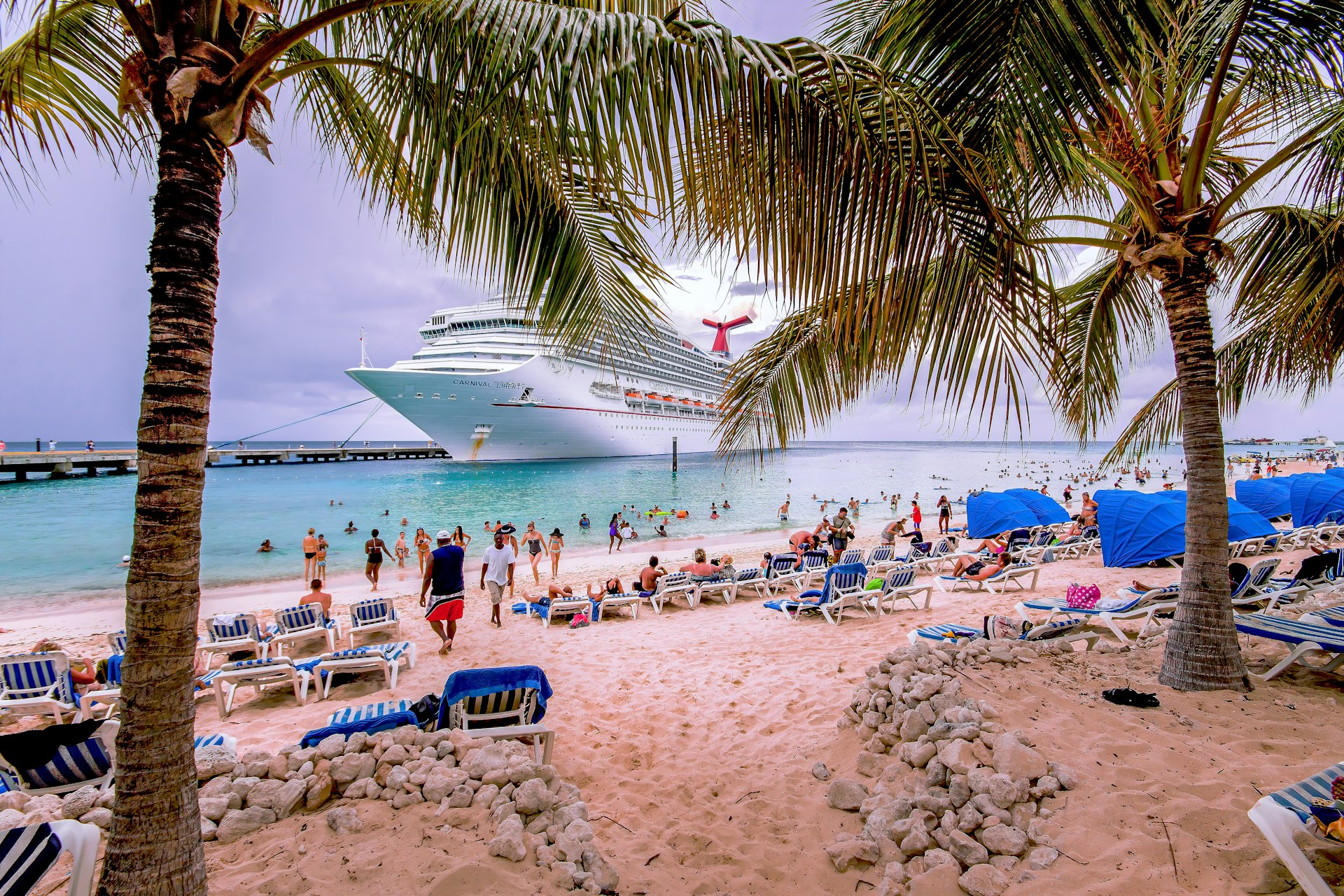
In good weather, Grand Turk transforms into a living postcard. The sea takes on unreal shades of turquoise and every outdoor activity becomes a memorable experience.

  • 🤿 Diving the Grand Turk Wall — from Grand Turk Dive Center — half-day — approx. 70-90 USD — optimal from November to April. One of the top 10 diving spots in the world according to several specialized references.
  • 🐠 Snorkeling at Gibbs Cay — boat excursion from the port — 2 hours — approx. 40-60 USD — all year in good weather. Swim with wild southern stingrays in crystal clear water.
  • 🏖️ Governor's Beach — west coast — free access — from 7 AM. The most beautiful beach on the island, calm waters and pristine white sand.
  • 🏖️ White Sands Beach — north of the island — free access — all day. Wild and deserted beach, ideal for photography at sunrise.
  • 🐋 Humpback Whale Watching — January to March — boat excursion approx. 80 USD. Grand Turk is on the annual migratory corridor of these majestic cetaceans.
  • 🚴 Island Bike Tour — rental approx. 15 USD/day — 2 to 3 hours. The island is only 6.5 sq miles / 17 km²: the full tour is accessible to all and offers splendid panoramas.

Best time of day: The golden morning light between 7 AM and 9 AM is ideal for photographing beaches and the sea. The sunset on the west coast is absolutely spectacular from Governor's Beach.

Seasonal Tip: Underwater visibility is maximum from December to April. Avoid the hottest hours (12 PM-3 PM) in summer for outdoor activities.

🌤️ All-weather versatile

Flexible Sites — Adaptable to conditions

These must-sees can be enjoyed in any weather and easily fit into any visit program in Grand Turk.

  • 🏛️ Historic Cockburn Town — city center — 1 to 2 hours — free access. The colonial town can be visited in the sun or under shelter: cobblestone streets, colonial houses, unique architecture in the Caribbean.
  • 🦅 Grand Turk Lighthouse — north of the island — 45 min — free access. 19th-century historic lighthouse surrounded by wild iguanas. Exceptional panorama in good weather, mystical atmosphere in cloudy weather.
  • 🍹 Front Street & local life — seaside — anytime — free access. The island's main street is experienced differently depending on the weather: sunny terrace or lively shelters in the rain.

Weather Tip: In case of cloudy but rainless skies, combine the lighthouse in the morning (ideal diffuse light for photos) with Cockburn Town in the afternoon. If rain arrives, slip into the national museum on the way.

Example itinerary: 8 AM — Lighthouse and iguanas | 10 AM — National Museum | 12 PM — Front Street lunch | 2 PM — Historic Cockburn Town | 5 PM — Sunset at Governor's Beach.

💰 Free or economical

No cost — Grand Turk accessible to all budgets

  • 🏖️ All public beaches — Governor's Beach, White Sands Beach, Pillory Beach — free access at any time. The most beautiful beaches on the island are entirely free.
  • 🦎 Wild iguana watching — around the lighthouse and in natural areas — free access. These endemic iguanas can be approached with respect.
  • 🚶 Walk in Cockburn Town — historic center — free access. Unique colonial architecture, authentic island atmosphere, memorable photos without spending a cent.
  • 🌅 Sunrise and sunset — east coast (sunrise) and west coast (sunset) — free access. The most beautiful natural shows in Grand Turk are entirely free.

Budget tips: Rent a bike instead of a car to explore the island. Local markets offer fresh fruit and snacks at very low prices. Avoid cruise terminal restaurants, which are significantly more expensive than those frequented by locals.

Practical Guide

Preparing for your trip to Grand Turk requires special attention to tropical climatic variations. Between the humid summer heat, the refreshing winter trade winds, and the autumn cyclone risk, a few simple precautions will be enough to turn your stay into an unforgettable experience on this Caribbean island.

👕 Seasonal packing

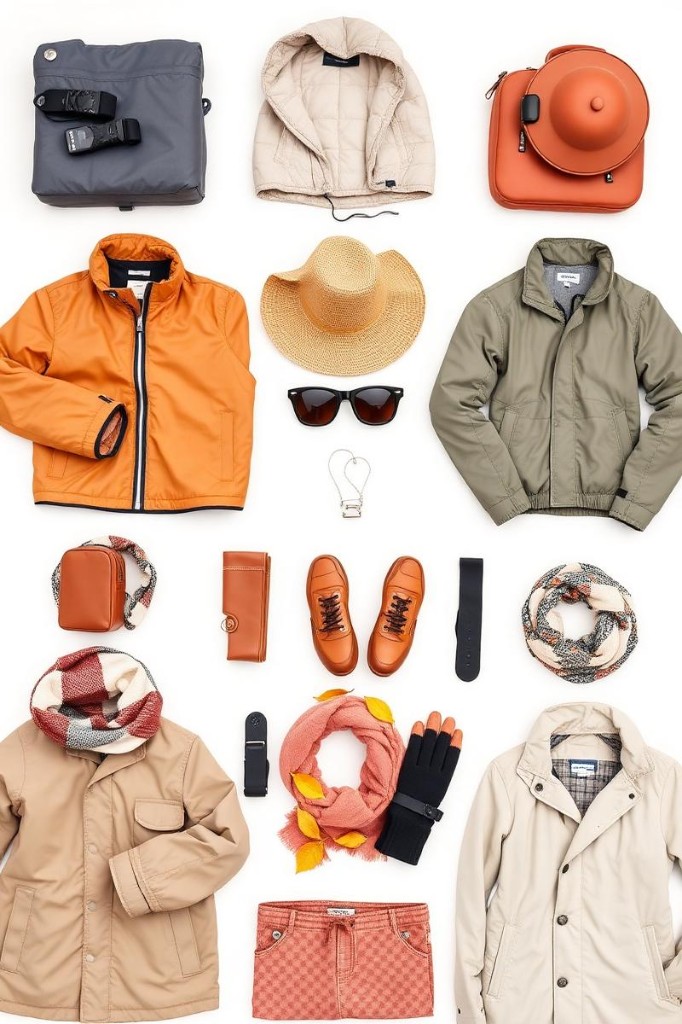
Dry Season (December-April): • light linen or breathable cotton clothing • swimsuit and sarong are essential • light jacket for evenings and restaurant air conditioning • beach shoes and comfortable sandals for walking on the beach • wide-brimmed hat and polarized sunglasses • SPF 50+ sunscreen (essential all year round)

Early Humid Season (May-June): • very light and breathable clothing • light raincoat or compact poncho for late-day showers • reinforced sun protection (intense UV) • light, quick-drying shoes

Cyclonic Season (July-September): • sturdy windproof raincoat • quick-drying clothing • waterproof closed-toe shoes • weather/cyclone app downloaded before departure • travel cancellation insurance coverage is essential

Late Season (October-November): • light seasonal outfits • a light jacket for the first cooler nights of November • clean snorkeling equipment (better hygiene and savings)

Travel clothing and gear by season

💰 Seasonal budget

PeriodAccommodation (€/night)Transport (€/day)Restaurants (€/day)Attractions (€)Traffic
Dec. - Apr. (High Season)180 - 35025 - 4060 - 10070 - 120★★★★★
Apr. - Jun. (Shoulder)120 - 22015 - 3045 - 7555 - 90★★★
Jul. - Aug. (Low Season)80 - 15015 - 2535 - 6040 - 70★★
Sep. - Oct. (Cyclone Trough)60 - 12010 - 2030 - 5530 - 60
November (Pre-season)100 - 20015 - 3040 - 7050 - 85★★★

💡 Money-saving tips

Book early in high season: Quality accommodation in Grand Turk fills up quickly between December and March. Booking 3 to 4 months in advance is advised to get the best rates.

Opt for local restaurants in Cockburn Town: Establishments frequented by locals offer conch and lobster dishes at prices two to three times lower than those at the cruise terminal.

Rent a bike instead of a taxi: Grand Turk is a small island easily explorable by bike for 10-15 USD per day, compared to 30-50 USD for a taxi.

Travel in May or November: These two months offer the best compromise between acceptable weather conditions and attractive shoulder season rates, up to 40% cheaper than high season.

Bring your own snorkeling gear: Daily rental represents a significant cost over a week. Your own mask also guarantees better hygiene.

🏥 Health and precautions

  • Sun Protection: The UV index regularly exceeds 11 in Grand Turk, even in winter. SPF 50+ cream, a hat, and polarized glasses are non-negotiable.
  • Hydration: Tropical heat and humidity require water consumption of at least 2 liters / 0.5 gallons per day, more during water activities.
  • Mosquitoes: Use effective repellent from sunset, especially in the humid season. Low risk of dengue but precautions are recommended.
  • Tap Water: Prefer bottled or filtered water. Check with your accommodation.
  • Jellyfish and Corals: For snorkeling activities, wear a light suit to protect yourself from coral stings.
  • Pharmacies: Medical supply is limited on the island — bring a complete first aid kit including antihistamines and anti-diarrheal treatment.

Local Events

Calendar of must-see events in Grand Turk

Despite its modest size, Grand Turk knows how to celebrate. Its local events reflect the Caribbean soul of the island and significantly enrich the travel experience depending on the chosen period.

🎶 Turks & Caicos Music & Cultural Festival — August

Every August, Grand Turk transforms into an open-air musical stage. This must-attend festival brings together Caribbean and international artists for several evenings of concerts and cultural activities against a backdrop of turquoise sea. The atmosphere is electric, locals gather with their families, and the few tourists present enjoy a rare and authentic cultural immersion.

Location: Front Street and coastal areas of Cockburn Town

Highlight: Unique fusion of reggae, soca, gospel, and local traditions of the Turks and Caicos Islands

Climate Impact: Hot and humid month, but seaside evenings are refreshing. Bring mosquito repellent.

Transport Access: Direct flight or via Providenciales (PLS) then ferry or regional flight to Grand Turk (GDT)

Advance Planning: Book your accommodation 2 to 3 months in advance — the island's few hotels fill up during the festival.

🎊 Maskanoo — December 26 and New Year

Maskanoo is the most iconic celebration in the Turks and Caicos, a local equivalent to the Bahamian Junkanoo. On December 26 (Boxing Day) and during New Year's festivities, Cockburn Town ignites with colorful costumes, wild percussion, and joyful night processions. It is one of the rare opportunities to observe an authentic cultural tradition not staged for tourists.

Location: Front Street and main streets of Cockburn Town

Highlight: Tradition inherited from African Caribbean communities, passed down from generation to generation

Climate Impact: Peak high season, ideal weather — mild evenings around 24-25°C / 75-77°F

Transport Access: Grand Turk is very busy during this period — book flights and accommodation 4 to 6 months in advance

Advance Planning: This is the most popular time of the year. Accommodation rates reach their maximum — plan for a significant budget.

🐋 Humpback Whale Season — January to March

Each winter, the Turks Passage, which runs along Grand Turk, becomes one of the most frequented migratory corridors for Caribbean humpback whales. These giant cetaceans pass just a few kilometers from the shore, offering observation opportunities from both land and boat. Some operators offer guided swimming excursions with the whales in strict compliance with local regulations.

Location: Turks Passage, west coast of the island — sometimes visible from Governor's Beach

Highlight: The Grand Turk wall drops to over 6,562 feet / 2,000 meters, providing a natural corridor used by whales during their migration

Climate Impact: Optimal weather conditions — low rainy season, calm sea, maximum underwater visibility

Transport Access: Embarkation from Cockburn Town port — several operators offer whale-watching trips by zodiac or catamaran

Advance Planning: Book your whale-watching trips as soon as you arrive — spots are limited and in high demand from February to March.

Seasonal events

Dry Season (December - April): • Maskanoo — December 26 and January 1 — Cockburn Town — cultural parade • Humpback Whale Season — January to March — sea excursions • Grand Turk Triathlon — April — island tour — popular sporting event

Early Humid Season (May - June): • Grand Turk Game Fishing Tournament — April-May — big game fishing competition • National Day of the Turks and Caicos — May — civic and local celebrations

Cyclonic Season (July - September): • Turks & Caicos Music & Cultural Festival — August — Caribbean music festival • Local community events — all season — ideal for cultural immersion

Late Season (October - November): • Local Columbus Day — October 12 — historical commemorations (Grand Turk claims to be the first landing point of Christopher Columbus in 1492) • Local markets and fairs preparing for the high season — November

Responsible Travel in Grand Turk

Grand Turk is an island ecosystem of exceptional fragility. Its coral reefs, pristine beaches, and remarkable marine fauna depend directly on the behavior of the travelers who choose to visit. Every action counts to preserve this unique destination.

The impact of tourism on Grand Turk is all the more visible because the island is small. The massive cruise ship arrivals in high season raise legitimate questions about the island's carrying capacity. Preferring independent local accommodation over large chains, consuming in restaurants run by locals, strictly respecting protected coral reef areas, and avoiding trampling fragile coastal vegetation are concrete and significant choices for a responsible traveler.

🌱 Low-season advantages

Traveling to Grand Turk in May, June, or November means reducing pressure on natural sites, benefiting from more accessible prices, interacting authentically with locals, and contributing to a more balanced local economy than that generated by cruise ship calls.

♻️ Sustainable travel tips

Prioritize certified local dive operators like Green Fins or equivalent, who respect strict protocols for protecting coral reefs.

Never touch corals or marine wildlife during your diving or snorkeling activities — an absolute rule in the protected waters of the Turks and Caicos.

Opt for cycling or walking rather than taxis or rental vehicles — the island is small enough to be explored on foot or on two wheels.

Choose local accommodation of human scale rather than large structures at the cruise terminal — the money stays directly in the island economy.

Drastically reduce single-use plastic — bring a reusable water bottle, cloth bags, and refuse plastic straws in bars and restaurants.

Respect sea turtle nesting areas — do not approach marked nests on beaches, especially from May to October.

🏙️ Local sustainable initiatives

The Turks and Caicos authorities have classified more than 30% of their marine waters as protected areas. Grand Turk benefits from the Columbus Landfall National Park and strict regulations on fishing and diving. Coral reef restoration programs are active on the island, supported by some committed local tourist operators.

Our Recommendations

Recommendations for your city-trip to Grand Turk

Grand Turk is an exceptional destination that deserves thoughtful planning. Its tiny territory hides natural and cultural treasures accessible only to travelers who choose the right climatic window. The high dry season offers ideal conditions but at a high price and with increasing crowds linked to cruise ships. The shoulder months of November and May will appeal to savvy travelers seeking a perfect balance between pleasant weather, accessible rates, and island authenticity. Absolutely avoid September, the riskiest month of the cyclonic season.

Optimal Period — December to April

Recommended Months: December, January, February, March, April

  • Clear skies and calm sea — exceptional diving and snorkeling conditions
  • Humpback whale watching from January to March — world-unique experience
  • Ideal temperatures between 22°C / 72°F and 29°C / 84°F — optimal comfort for all activities
  • Maskanoo in late December — authentic cultural immersion
  • Maximum underwater visibility, exceeding 131 feet / 40 meters on the Grand Turk wall

Key Events: Maskanoo (Dec 26), whale season (Jan-Mar), Grand Turk Triathlon (April)

Disadvantages: Accommodation rates at their annual peak — high crowds on cruise ship port days starting at 9 AM

Ideal Profile: Families, divers, couples, travelers seeking Caribbean authenticity in the sun

Recommended Duration: 4 to 7 days minimum to fully enjoy water and cultural activities

Interesting Alternative — November and May

Alternative Months: November, May

These two months constitute remarkable windows of opportunity. In November, the cyclonic season ends, prices remain attractive, and the sea gradually regains its transparency. In May, the high season fades, the island empties of cruise ship crowds, and rates drop by 30 to 40% compared to the high season, while maintaining very pleasant weather conditions.

Specific Advantages: Fewer tourists at sites, quieter beaches, significantly reduced accommodation prices, more authentic human contact with the local population, pleasant transition events

For Whom: Couples seeking tranquility, budget-conscious travelers, divers wanting spots without crowds, solo travelers

👥 Tips for your travel style

Family: Prefer January to March — calm sea guaranteed, unforgettable whale watching for children, safe beaches at Governor's Beach, family accommodation available in Cockburn Town. Ideal duration: 5 to 7 days.

Tight Budget: Opt for November or May — savings of 30 to 40% on accommodation, free natural spots, accessible local restaurants. Bike as the main mode of transport to minimize costs.

Diving/Marine Culture: February-March to combine whales and wall diving under optimal conditions. Book your trips as soon as you arrive with certified local operators.

Romantic: December or April — spectacular sunsets on the west coast, candlelit dinners facing the sea, almost deserted beaches at sunrise, intimate and enveloping island atmosphere.

First Trip: March is the perfect month — guaranteed weather, all activities available, festive atmosphere still present without the maximum crowds of January-February. Plan at least 5 days.

Periods to Avoid — July to October

Months not recommended: July, August, September, October

Reasons: High cyclonic risk — Grand Turk is in the zone of influence of Atlantic hurricanes from July to October. September is statistically the most dangerous month. Oppressive heat and humidity (32°C / 90°F with 80-85% humidity), abundant and unpredictable rainfall, some tourist operators reduce or suspend their activities, air links sometimes disrupted.

Nuances: August can nevertheless attract fans of the local cultural festival — in this case, absolutely take out travel insurance with cancellation and repatriation options. Some experienced divers enjoy diving in October for the low crowds and very attractive rates, accepting weather uncertainty.

Villes du même pays

All cities

Frequently Asked Questions

Do you have questions about planning your trip to Grand Turk? Here are the answers to the most common questions about the climate, budget, and activities on this Caribbean island.

What is the best month to visit Grand Turk?

The best month to visit Grand Turk is March, followed closely by February and December. March offers an exceptional balance: the dry season is in full swing with clear skies and a perfectly calm sea, the humpback whale season reaches its peak with sightings almost guaranteed from boats or even from the shore, and tourist traffic, while steady, is slightly less intense than in January-February. Diving conditions on the famous Grand Turk wall reach their peak with visibility often exceeding 131 feet / 40 meters. However, expect high accommodation rates during this period.

How many days should I plan for Grand Turk?

Grand Turk is a small 6.5 sq mile / 17 km² island that is ideally discovered in 3 to 7 days. Three days allow you to visit the must-see sites (national museum, Cockburn Town, lighthouse) and enjoy the beaches and a diving or snorkeling trip. Five to seven days will give you time to multiply water activities, explore the island by bike, try the excursion to Gibbs Cay to swim with rays, and fully enjoy the island atmosphere without rushing. Divers wishing to explore several sites on the wall will appreciate a full week to optimize their dives according to wind and sea conditions.

What to do in Grand Turk when it rains?

In case of rain in Grand Turk, the Turks and Caicos National Museum in Cockburn Town is the ideal cultural refuge — allow 1.5 hours for a complete tour of its collections on the island's history from the Lucayans to the colonial era. The restaurants on Front Street are perfect for a long gourmet break featuring local cuisine (grilled conch, lobster, fresh fish). Architectural exploration of Cockburn Town in the rain has a special charm — the cobblestone streets and colonial houses shine with a unique brilliance under tropical showers. Note that tropical rains are often intense but brief — 30 minutes of waiting under an awning is usually enough to see the sky clear up.

What events should not be missed in Grand Turk?

The Maskanoo on December 26 remains the most authentic and moving event in Grand Turk — this parade of colorful costumes and Caribbean percussion is an unforgettable cultural experience. From January to March, the humpback whale season is an absolutely unique natural event that few destinations in the world can offer so close to the shore. In August, the Turks & Caicos Music & Cultural Festival transforms the island into a festive Caribbean musical stage. In April, the Grand Turk Triathlon brings the island to life with enthusiastic sporting energy. And in October, the commemorations of the island's discovery by Christopher Columbus in 1492 constitute a unique historical moment.

What budget should I plan for according to the season?

In high season (December-April), plan for a total budget of 200 to 400 € per day per person for comfortable accommodation, meals, transport, and water activities. In the shoulder season (May and November), this budget drops to 120-220 € per day — a significant saving for a very similar experience. In the low season (June-October), very economical stays are possible from 80-150 € per day, but at the cost of real weather uncertainty linked to cyclones. Diving activities (70-90 € per guided trip) and excursions to Gibbs Cay (40-60 €) represent the largest expense items. Beaches, architectural tours of Cockburn Town, and iguana watching are entirely free.