When to visit Hong Kong? City-Trip Guide

Between sparkling skyscrapers and millennial traditions, Hong Kong reveals unique atmospheres according to the seasons.

  • 7.5 M population
  • Chinese (Cantonese), English language
  • 145 days rainy days/year
  • October to March best time to visit
  • 3 to 5 days recommended stay

Climate and weather in Hong Kong

Understanding Hong Kong's humid subtropical climate

Hong Kong enjoys a humid subtropical climate influenced by the Asian monsoon. The urban heat island effect intensifies temperatures between skyscrapers, while the proximity of the South China Sea moderates extremes. This dense metropolis experiences marked seasonal variations.

  • Urban center: Pronounced heat island, temperatures 2-3°C / 3.6-5.4°F higher
  • Coastal areas: Refreshing sea breeze, constant high humidity
  • New Territories: Slightly cooler, denser vegetation
  • Outlying islands: More temperate climate, prevailing sea winds
MonthTemp. min/max (°C / °F)Precipitation (mm)Sunshine (h/day)Tourist trafficRecommended activities
January15/19°C / 59/66°F254⭐⭐Urban tours, shopping
February16/20°C / 61/68°F543⭐⭐Chinese New Year, temples
March19/23°C / 66/73°F813⭐⭐⭐Parks, outdoor markets
April23/26°C / 73/79°F1744⭐⭐⭐Hiking, terraces
May26/30°C / 79/86°F3045⭐⭐⭐Beaches, water activities
June28/31°C / 82/88°F4565⭐⭐Air-conditioned museums
July28/32°C / 82/90°F3766⭐⭐Shopping malls
August28/32°C / 82/90°F4326⭐⭐Indoor attractions
September27/31°C / 81/88°F3276⭐⭐Autumn festivals
October24/28°C / 75/82°F1016⭐⭐⭐⭐Skyline, Victoria Peak
November20/25°C / 68/77°F376⭐⭐⭐⭐Markets, street food
December16/21°C / 61/70°F285⭐⭐⭐Illuminations, shopping

Altitude variations remain modest in Hong Kong, but The Peak (552m / 1,811ft) offers temperatures 3-5°C / 5.4-9°F lower than the city center. Skyscrapers create wind corridors that locally modify weather conditions, particularly sensitive during typhoons.

The four seasons

Attractions according to the weather

Hong Kong offers a multitude of attractions adapted to every climatic condition, allowing you to optimize your urban stay regardless of the weather.

☔ In overcast/rainy weather

Indoor & sheltered

Rainy days reveal the underground and air-conditioned Hong Kong, a true city within the city.

Recommended sites:
🏢 IFC Mall & Sky100 (2h, 188 HK$, all year)
🎭 Hong Kong Museum of History (2h, 10 HK$, avoid weekends)
🐠 Ocean Park aquarium (3h, 498 HK$, book online)
🛍️ Harbour City Shopping (half-day, free + shopping)
🎨 M+ Museum (3h, 120 HK$, new design museum)
🚇 MTR network and underground passages (unlimited with Octopus Card)
🍜 Traditional food courts (1h, 50-100 HK$)

Practical tip: Octopus Card essential, book online to avoid queues

Additional tip: Connect Central-Admiralty-Tsim Sha Tsui via covered walkways and covered Star Ferry
☀️ In good weather

Optimal outdoors

The sun reveals all the splendor of the Hong Kong skyline and its legendary panoramas.

Recommended sites:
🏔️ Victoria Peak at sunrise (2h, 65 HK$ tram, 6 AM-7 AM optimal)
🌉 Tsim Sha Tsui Promenade (1h, free, sunset)
🚡 Ngong Ping Cable Car (half-day, 235 HK$, morning recommended)
🏖️ Repulse Bay Beach (2h, free, afternoon)
🚢 Traditional Star Ferry (30min, 3 HK$, all day)
🌸 Nan Lian Garden (1h, free, cool morning)
🎪 Renovated Avenue of Stars (45min, free, late afternoon)

Best time of day: Sunrise at the Peak (6 AM), golden hour Promenade (6 PM-7 PM)

Seasonal tip: October-March optimal, avoid 12 PM-3 PM in summer, prioritize mornings

🌤️ Versatile all-weather

Flexible

Adaptable experiences that work in all weather thanks to their mixed spaces.

Recommended sites:
🏮 Wong Tai Sin Temple (covered/uncovered, 1h, free)
🎡 Central-Mid-Levels Escalator (covered, 30min, free)
🍜 Temple Street/Ladies Market neighborhoods (semi-covered, 2h)
🏛️ Hong Kong Space Museum (planetarium + outdoor, 2h, 24 HK$)
🌆 Sky Terrace IFC (indoor/outdoor modular, 1h)

Weather trick: Start outdoors if sunny, retreat to covered areas if weather deteriorates

Example itinerary: Morning Temple + Escalator, afternoon modular according to conditions, evening night market

💰 Free or economical

No cost

Free sites:
🌊 Tsim Sha Tsui Promenade and Symphony of Lights
🚢 Star Ferry (transport + attraction, 3 HK$)
🏮 Man Mo, Wong Tai Sin, Chi Lin Nunnery temples
🌸 Hong Kong Park and its aviaries
🎭 Cultural Centre (free temporary exhibitions)

Free days: Public museums free on Wednesdays for residents, reduced rates for tourists

Budget tips: Happy hour rooftops (5 PM-7 PM), morning dim sum, street markets, free panoramas from public buildings

Practical Guide

Hong Kong requires preparation adapted to its subtropical climate and frantic urban pace. Between icy shopping malls and tropical outdoor heat, the art of layering becomes essential to navigate comfortably in this vertical metropolis.

👕 Seasonal packing

Winter (Dec-Feb): • Comfortable walking shoes • Light jacket for evenings • Layers for shopping malls • Light raincoat

Spring (Mar-May): • Breathable clothing • Compact umbrella • Waterproof shoes • Mid-season jacket

Summer (Jun-Sept): • Light clothing + sweater for air conditioning • Quality raincoat • Quick-dry shoes • Cap and sunscreen

Autumn (Oct-Nov): • Comfortable walking outfit • Light jacket for evenings • Breathable shoes • Waterproof backpack
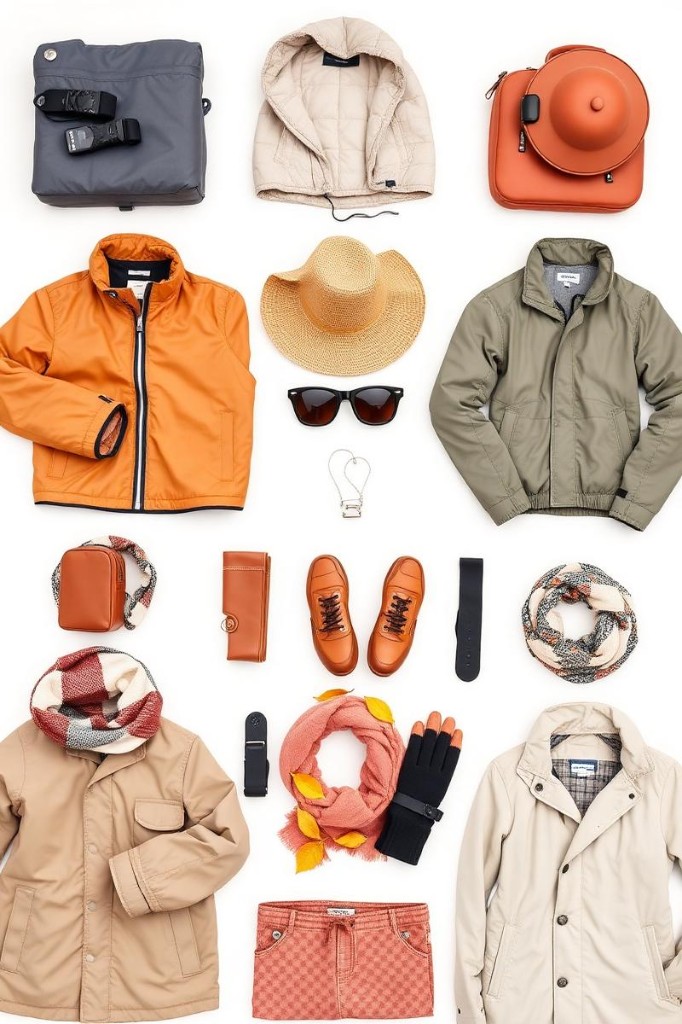
Travel clothing and gear by season

💰 Seasonal budget

PeriodCity accommodation (€/night)Transport (€/day)Restaurants (€/day)Attractions (€)Crowds
Oct-Nov (high)120-2008-1225-5015-25⭐⭐⭐⭐⭐
Dec-Feb (optimal)80-1508-1220-4015-25⭐⭐⭐
Mar-May (medium)90-1608-1222-4515-25⭐⭐⭐⭐
Jun-Sept (low)70-1208-1220-4015-25⭐⭐

💡 Money-saving tips

Octopus Card: essential for transport + payments, rechargeable • Morning dim sum: 50% cheaper than in the evening, authentic experience • Happy hour rooftops: 5 PM-7 PM, cocktails -40% with stunning views • Local food courts: shopping malls, meals 5-8€ vs tourist restaurants 25€+ • Kowloon accommodation: 30% cheaper than Hong Kong Island, excellent transport

🏥 Health and precautions

Urban pollution: mask recommended during pollution peaks, check AirVisual apps • Extreme air conditioning: 15°C / 27°F differences between indoors/outdoors, bring layers • Intensive hydration: 3L / 100oz minimum per day in summer, electrolytes • Intensive walking: 15-20km / 9-12 miles per day average, broken-in shoes essential • 24h pharmacies: Watson's and Mannings everywhere, over-the-counter medication • Summer typhoons: follow weather alerts, avoid outdoors

Major urban events

Calendar of must-see events in Hong Kong

Hong Kong vibrates to the rhythm of exceptional cultural events that transform the urban atmosphere and reveal the soul of this cosmopolitan metropolis.

🏮 Chinese New Year (January-February)

The city dresses in red and gold to celebrate the most important festival in Asia. Spectacular parades in the streets, giant fireworks in Victoria Harbour, traditional flower markets, and crowded temples create a unique magical atmosphere.

Location: Tsim Sha Tsui, Causeway Bay, citywide temples

Special feature: The only time the modern city slows down to honor its millennial traditions

Climate impact: Ideal cool temperatures, huge crowds, book accommodation 6 months in advance

Transport access: MTR reinforced, stations crowded, allow 2x more time

Planning tip: Book accommodation the previous October, avoid the first 3 days if you dislike crowds

🎆 International Fireworks Festival (October)

Victoria Harbour becomes the stage for the largest pyrotechnic show in Asia. International teams compete in creativity in a light and water ballet visible from the entire skyline, transforming the city into a giant amphitheater.

Location: Victoria Harbour, Tsim Sha Tsui and Central viewpoints

Special feature: Music-fireworks synchronization with the skyline as a backdrop

Climate impact: Optimal weather, record attendance, transport saturated for 3 hours after

Transport access: Arrive 3 hours before, leave 2 hours after, walking recommended

Planning tip: Book a restaurant with a harbour view or buy a VIP pass 2 months in advance

🎭 Hong Kong Arts Festival (February-March)

Three weeks of international performances transform the city into a global cultural capital. Opera, contemporary dance, experimental theater, and classical concerts take over the iconic venues of the metropolis, from the Cultural Centre to rooftops.

Location: Cultural Centre, City Hall, alternative venues citywide

Special feature: Programming mixing international avant-garde and local traditions

Climate impact: Early spring, pleasant evening temperatures, some showers possible

Transport access: MTR Tsim Sha Tsui and Central, special shuttles for outlying venues

Planning tip: Ticket office opens in December, festival pass advantageous, dress code for prestigious venues

Seasonal events

Winter: • WinterFest illuminations (Dec-Jan, Central/Tsim Sha Tsui) • Hong Kong Marathon (Jan/Feb) • Art Basel Asia (March)

Spring: • Rice Dumpling Festival (April, temples) • Rugby Sevens (March/April) • Cheung Chau Bun Festival (May)

Summer: • Dragon Boat Festival (June, ports) • Hungry Ghost Festival (August) • Mid-Autumn Festival (Sept/Oct)

Autumn: • Wine & Dine Festival (Oct/Nov) • Clockenflap Music Festival (Nov) • WinterFest start of illuminations (Nov)

Responsible city-trip

Hong Kong, a dense metropolis of 7.5 million inhabitants, requires a responsible approach to preserve its fragile balance between urban development and environmental sustainability.

This vertical city offers excellent opportunities for sustainable tourism: exemplary public transport, authentic local markets, advanced recycling initiatives. Prioritize walking and the MTR rather than taxis, support local businesses over international chains, and respect urban density.

🌱 Low-season advantages

Visiting Hong Kong in summer (June-September) reduces tourist pressure on infrastructure, allows for more accessible prices for locals, offers an authentic experience of Hong Kong life, and reduces the collective carbon footprint.

♻️ Sustainable travel tips

MTR and trams: exemplary network, avoid polluting taxis • Traditional markets: Temple Street, Ladies Market vs air-conditioned malls • Certified accommodation: Green Key, EarthCheck labels • Reusable bottles: numerous public fountains, reduce plastic • Prioritize walking: discover authentic neighborhoods, urban health • Alternative circuits: New Territories, less touristy outlying islands

🏙️ Local sustainable initiatives

Hong Kong is developing a public bike network, expanding its pedestrian zones on Sundays, multiplying vertical gardens on buildings, strengthening selective sorting in public spaces, supporting local organic markets, and promoting ecotourism to its natural parks (40% of the territory).

Our recommendations

Expert recommendations for your city-trip to Hong Kong

After analyzing climate data, tourist traffic, and cultural events, our recommendations adapt to your travel priorities. Hong Kong reveals different faces according to the seasons: crystalline metropolis in winter, tropical urban jungle in summer, golden setting in autumn. Your choice of period will determine your experience, from the crowds of October to the advantageous summer rates.

🏆 Optimal period: October - March

Recommended months: October, November, December, January, February

Advantages:
• Ideal temperatures 15-28°C / 59-82°F for intensive urban walking
• Exceptional skyline visibility, perfect photos
• Major cultural festival season
• Terraces and rooftops at their peak
• Optimal conditions for Victoria Peak and panoramas

Key events: October fireworks, Chinese New Year, WinterFest illuminations

Disadvantages: Accommodation prices +40% in October-November, maximum crowds

Ideal profile: First visit, premium city-trip, photography, honeymoon

Stay duration: 4-6 days to fully enjoy

🌸 Interesting alternative: March - May

Alternative months: March, April, early May

Description: Smart compromise between acceptable weather conditions and reasonable prices. The city is reborn after winter, parks bloom, and the urban atmosphere gradually wakes up.

Specific advantages: Fewer tourists than in autumn, moderate prices, spectacular urban blooming, authentic spring festivals

For whom: Flexible travelers, moderate budgets, urban nature lovers, photographers

👥 Tips for your travel style

Family: Oct-Mar, Disneyland + Ocean Park, Kowloon accommodation, unlimited MTR

Budget: Jun-Aug, hostels, food courts, free attractions, happy hours

Culture: Feb-Mar (Arts Festival), museums, temples, traditional neighborhoods

Romantic: Oct-Nov, rooftops, Star Ferry sunset, harbour view hotels

Weekend: Nov-Feb, direct flight, intensive Central-Tsim Sha Tsui program

First trip: Oct-Dec, optimal weather, must-sees, English-speaking guide

⚠️ Periods to avoid: June - September

Months not recommended: June, July, August, September

Reasons: Stifling heat 28-32°C / 82-90°F + 80%+ humidity, daily torrential rains, typhoon risk, extreme urban walking discomfort

Nuances: Acceptable for intensive shopping lovers (air-conditioned malls), tight budgets (-40% accommodation), authentic local experience

Villes du même pays

All cities

Frequently Asked Questions

Answers to essential questions to plan your Hong Kong city-trip according to optimal weather conditions.

What is the best month to visit Hong Kong?

October and November offer optimal conditions: pleasant temperatures of 20-28°C / 68-82°F, low humidity, and clear skies to admire the skyline. December to February are also excellent alternatives with a cooler climate (15-21°C / 59-70°F) and fewer tourists. Avoid June-September: stifling heat, excessive humidity, and daily torrential rains make urban walking difficult.

How many days should I plan for Hong Kong?

4 to 5 days allow you to discover the essentials: Victoria Peak, Tsim Sha Tsui, major temples, night markets, and an excursion. 3 days are enough for an intensive first overview, 6-7 days to include Macau, beaches, and hiking. The city's compactness and the efficiency of the MTR allow you to optimize every day. Plan a rest day if visiting in summer (climatic fatigue).

What to do in Hong Kong when it rains?

Hong Kong excels in rainy weather! Giant shopping malls (IFC, Harbour City), air-conditioned museums (M+, History Museum), Ocean Park with covered sections, and the MTR network to discover the underground city. Covered walkways connect Central to Admiralty. Temples offer cultural shelter. Traditional food courts for an authentic culinary experience. The Symphony of Lights remains visible from covered spaces.

What events should not be missed in Hong Kong?

Chinese New Year (Jan-Feb) transforms the city into a giant festival with parades and fireworks. The International Fireworks Festival (October) offers a unique show in Victoria Harbour. The Arts Festival (Feb-Mar) attracts international talent. WinterFest illuminates the city (Nov-Jan). Each season offers specific events: Rugby Sevens (spring), Dragon Boat Festival (summer).

What budget should I plan according to the season?

High season (Oct-Nov): 150-250€ / $160-270 per day (accommodation 120-200€ / $130-215, meals 30-50€ / $32-54, transport 10€ / $11). Optimal period (Dec-Feb): 120-200€ / $130-215 per day with accommodation 80-150€ / $85-160. Low season (Jun-Sept): 100-160€ / $105-170 per day, substantial savings on hotels (-40%) but higher restaurant air conditioning costs. Octopus Card transport (8-12€ / $9-13 per day), attractions 15-25€ / $16-27 constant. Local food courts vs tourist restaurants: 8€ / $9 vs 30€+ / $32+.