When to visit Honolulu? City-Trip Guide

Between urban beaches and skyscrapers, Honolulu offers a paradisiacal tropical climate all year round with subtle seasonal nuances.

  • 0.35 M population
  • English, Hawaiian language
  • 100 days rainy days/year
  • from April to June and September to November best time to visit
  • 4 to 7 days recommended stay

Climate and weather in Honolulu

Understanding Honolulu's tropical oceanic climate

Honolulu enjoys a tropical oceanic climate with mild temperatures all year round. The influence of the Pacific Ocean tempers variations, creating a pleasant urban environment where the urban heat island effect remains moderate thanks to constant trade winds.

MonthMin Temp (°C / °F)Max Temp (°C / °F)Precipitation (mm / in)Sunshine (h/day)Tourist TrafficRecommended Activities
January18°C / 64°F26°C / 79°F104 mm / 4.1 in7★★★★★Beaches, museums, shopping
February18°C / 64°F26°C / 79°F61 mm / 2.4 in8★★★★★Surfing, urban hiking
March19°C / 66°F27°C / 81°F79 mm / 3.1 in8★★★★☆Festivals, beaches
April20°C / 68°F28°C / 82°F32 mm / 1.3 in9★★★☆☆Snorkeling, sightseeing
May22°C / 72°F29°C / 84°F25 mm / 1.0 in9★★★☆☆All activities
June23°C / 73°F30°C / 86°F18 mm / 0.7 in10★★★★☆Beaches, water sports
July24°C / 75°F31°C / 88°F23 mm / 0.9 in10★★★★★Summer festivals
August24°C / 75°F31°C / 88°F27 mm / 1.1 in10★★★★★Beaches, nightlife
September24°C / 75°F31°C / 88°F39 mm / 1.5 in9★★★☆☆Surfing, hiking
October22°C / 72°F30°C / 86°F48 mm / 1.9 in8★★★☆☆Cultural festivals
November21°C / 70°F28°C / 82°F64 mm / 2.5 in7★★★☆☆Shopping, museums
December19°C / 66°F27°C / 81°F104 mm / 4.1 in6★★★★★Festivities, beaches

The Seasons

Attractions according to weather

Honolulu offers a diversity of attractions perfectly adapted to every weather condition, allowing you to optimize your tropical urban stay regardless of the climate.

☔ In cloudy/rainy weather

Indoor & sheltered

Rainy days reveal the exceptional cultural heritage of Honolulu through its world-class museums and air-conditioned shopping centers.

Recommended sites:
🏛️ Bishop Museum - 3h - 25$ - Hawaiian heritage
🛍️ Ala Moana Center - 2-4h - Free - Largest shopping center
🎨 Honolulu Museum of Art - 2h - 20$ - Asian and Western art
🐠 Waikiki Aquarium - 1h30 - 12$ - Pacific marine life
🏢 Iolani Palace - 1h30 - 22$ - Only American royal palace
🍺 Honolulu Beerworks - 1h - 15$ - Local beer tasting


Practical tip: Book online to avoid queues. The Go City Pass is cost-effective from 3 attractions visited.

Additional tip: Combine Bishop Museum and Iolani Palace in the morning, then Ala Moana in the afternoon for shopping and dining.
☀️ In good weather

Optimal outdoor

The Hawaiian sun reveals all the natural splendor of Honolulu, from urban beaches to spectacular mountain panoramas.

Must-see sites:
🏖️ Waikiki Beach - 2-4h - Free - Iconic beach
🌋 Diamond Head - 2h - 5$ - Exceptional sunrise
🌺 Lyon Arboretum - 2h - Free - Tropical garden
🏄‍♂️ Hanauma Bay - 3h - 25$ - Premium snorkeling
🚶‍♂️ Tantalus Lookout - 1h - Free - City panorama
⛵ Waikiki Catamaran - 2h - 45$ - Sunset


Best time of day: Sunrise at Diamond Head (6am), golden hour at Tantalus Lookout (5pm-6pm) for exceptional photos.

Seasonal tip: Avoid 11am-3pm in summer (too hot). Prefer April-June and September-November for optimal conditions.

🌤️ Versatile for all weather

Flexible

These sites combine indoor and outdoor spaces, perfect for adapting to Honolulu's tropical weather changes.

Adaptable sites:
🌸 Foster Botanical Garden - Greenhouses + outdoor gardens
🛍️ International Market Place - Semi-open shopping
🍴 Chinatown - Covered markets + pedestrian streets
🏨 Waikiki Hotels - Lobbies + panoramic terraces
⛪ Kawaiahao Church - Visit + gardens

Weather tip: Start outdoors in the morning, retreat indoors in case of a shower, go back out after.


Example itinerary: Morning Foster Garden (outdoor), noon Chinatown (covered), afternoon International Market Place (mixed).

💰 Free or budget-friendly

No cost

Free sites:
🏖️ All public beaches
🌺 Foster Botanical Garden (residents)
🚶‍♂️ Urban trails and lookouts
🎭 Free hula shows in shopping centers
🌅 Sunsets at Ala Moana Beach Park


Free days: Bishop Museum free for residents on the last Wednesday of the month. Honolulu Museum of Art free on Sundays for Hawaii residents.

Budget tips: Beach picnics, restaurant Happy Hours (3pm-6pm), farmers markets on Wednesday and Saturday, free hikes.

Practical Guide

Honolulu requires specific preparation to fully enjoy its tropical urban climate. Between beaches and skyscrapers, between showers and intense sun, here are our practical recommendations for an optimal stay.

👕 Seasonal packing

Dry Season (April-October): • Comfortable breathable shoes for urban walking • Beach sandals • Enhanced sun protection (hat, sunglasses) • Lightweight anti-UV clothing • Multiple swimsuits • Lightweight jacket for air conditioning

Wet Season (November-March): • Waterproof non-slip shoes • Compact umbrella or poncho • Quick-dry clothing • Waterproof bag for electronics • Extra layer for evenings • Sun protection (sun between showers)
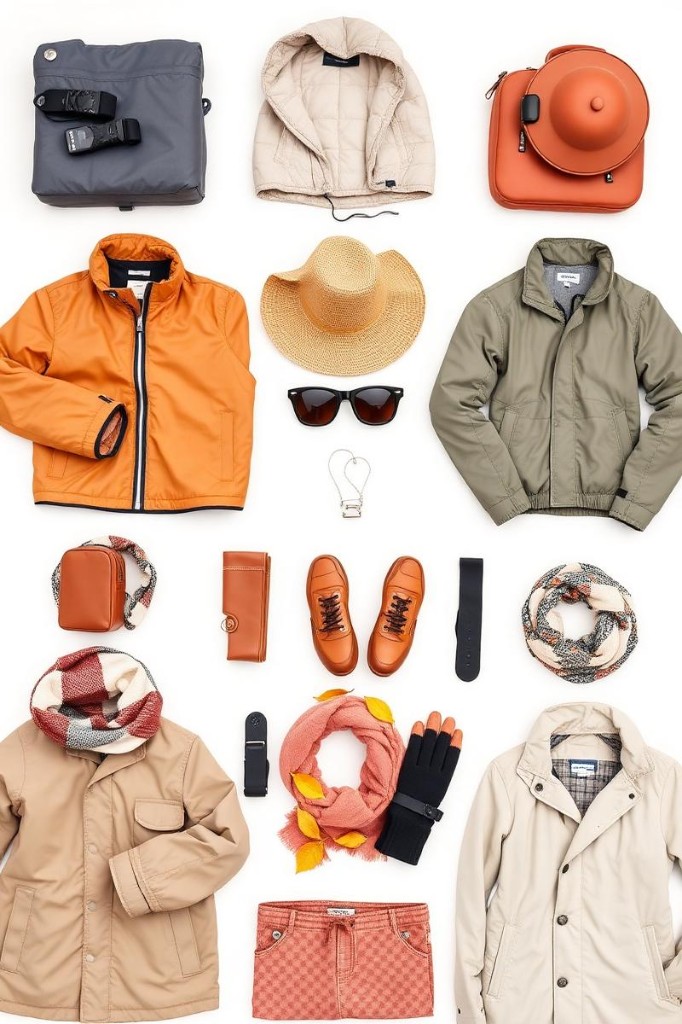
Travel clothing and gear by season

💰 Seasonal budget

PeriodCenter Accommodation (€/night)Transport (€/day)Restaurants (€/day)Attractions (€)Traffic
High season (Dec-Mar)180-35025-4060-12015-30★★★★★
Mid-season (Apr-May, Sep-Nov)120-25020-3545-9015-25★★★☆☆
Intermediate season (Jun-Aug)150-28025-3550-10015-30★★★★☆
Special events200-40030-4570-13020-40★★★★★

💡 Money-saving tips

Go City Pass cost-effective from 3 attractions (30-40% savings) • Restaurant Happy Hours 3pm-6pm (50% discount) • Chinatown or Keeaumoku accommodation cheaper than Waikiki • Food trucks and local plate lunches (8-15$ vs 25-40$ in restaurants) • Unlimited public transport 5.50$/day vs car rental 60$/day

🏥 Health and precautions

Maximum sun protection: Intense UV all year, ocean reflection • Enhanced hydration: tropical climate is dehydrating • Beware of ocean currents: respect beach flags • 24h pharmacies: Longs Drugs, CVS Waikiki • Mosquitoes in wet season: tropical repellent • Intensive walking: shoes adapted to hot surfaces

Urban Events

Honolulu's essential event calendar

Honolulu vibrates to the rhythm of exceptional cultural events that transform the urban atmosphere and enrich the tourist experience with authentic Hawaiian traditions.

🌺 Merrie Monarch Festival (April)

The most prestigious hula festival transforms Honolulu into a Polynesian cultural capital. Traditional dance competitions, local crafts, and celebrations spread throughout the city, creating a unique festive atmosphere.

Location: Waikiki and cultural centers
Highlight: The only event combining athletic competition with cultural preservation
Climate impact: Optimal dry period, high attendance, book accommodation 6 months in advance
Transport access: Free shuttles between sites, limited parking
Planning tip: Book accommodation starting in December, show tickets in February

🎆 Honolulu Festival (March)

A Pan-Pacific cultural festival celebrating the ties between Hawaii and the Asia-Pacific region. Colorful parades, street performances, and giant fireworks transform the city center into an international festive stage for 3 days.

Location: Waikiki Beach, Ala Moana, Downtown
Highlight: Largest multicultural parade in the Pacific
Climate impact: End of wet season, variable weather, large but manageable crowds
Transport access: Temporary road closures, prefer public transport
Planning tip: Waikiki accommodation recommended, most events are free

🏄‍♂️ Vans Triple Crown of Surfing (November-December)

World-class surfing competitions on the North Shore, with giant broadcasts in Waikiki. The surf vibe takes over the city with pop-up stores, exhibitions, and themed evenings in urban bars.

Location: North Shore + Waikiki events
Highlight: World finale of professional surfing
Climate impact: Start of wet season, big waves, maximum attendance, accommodation prices +50%
Transport access: Special North Shore shuttles, frequent traffic jams
Planning tip: Book accommodation 4 months in advance, follow weather for exact dates

Seasonal events

Dry Season (April-October): • Lei Day (May 1st) - Floral celebration • Lantern Floating Ceremony (May) - Moving commemoration • Honolulu Pride (October) - LGBTQ+ festival • Hawaii Food & Wine Festival (October) - Gastronomy

Wet Season (November-March): • Honolulu Marathon (December) - International race • Chinese New Year (January-February) - Chinatown celebration • Sony Open Tennis (January) - ATP tournament • Whale Season (December-April) - Whale watching

Responsible City-Trip

Honolulu faces challenges of overtourism in a fragile island ecosystem. Your seasonal and behavioral choices directly impact the preservation of this tropical urban paradise.

Responsible tourism in Honolulu involves respecting Hawaiian culture, supporting the local economy rather than international chains, using sustainable transport, and minimizing impact on the island's fragile marine and terrestrial ecosystems.

🌱 Low-season advantages

Visiting during the wet season (November-March) reduces tourist pressure, allows for authentic interactions with locals, lowers your carbon footprint through lower attendance, and offers more accessible rates.

♻️ Sustainable travel tips

• Prefer public transport (TheBus) or Biki bikes over car rental • Local plate lunch restaurants vs Waikiki tourist chains • Green Key or LEED certified accommodation • Reusable water bottle: numerous public fountains • Walking preferred: Honolulu is very walkable • Alternative circuits: Chinatown, Keeaumoku vs saturated Waikiki

🏙️ Local sustainable initiatives

Honolulu is developing sustainable initiatives: expansion of the Biki network (electric bikes), ban on single-use plastics, coral reef restoration program, local organic farmers markets, Green Business certification for hotels and restaurants, expanded downtown pedestrian zones.

Our Recommendations

Recommendations for your city trip to Honolulu

After analyzing climatic data, tourist traffic, and cultural events, our recommendations adapt to your priorities: optimal weather, controlled budget, cultural authenticity, or unique experiences. Honolulu offers distinct advantages depending on the chosen period.

🌟 Optimal Period: April-June & September-November

Recommended months: April, May, June, September, October, November

Advantages:
• Ideal weather: generous sun, rare showers
• Moderate traffic: authentic experience possible
• Calm and warm sea: perfect for water sports
• Major cultural events (Merrie Monarch, local festivals)
• Reasonable accommodation rates (-30% vs high season)

Key events: Merrie Monarch Festival (April), Lei Day (May), Hawaii Food & Wine Festival (October)

Disadvantages: June can be busier (US holidays), September sometimes windy

Ideal profile: First visit, couples, families, culture and nature lovers
Stay duration: 5-7 days recommended

💡 Interesting Alternative: January-March

Alternative months: January, February, March

Description: The wet season reveals a more authentic Honolulu with attractive prices and lush vegetation, despite some short tropical showers.

Specific advantages:
• Very attractive accommodation rates (-40%)
• Fewer tourists: easier local interactions
• Tropical vegetation at its peak
• Authentic cultural events (Chinese New Year)

For whom: Budget travelers, photography enthusiasts, couples seeking privacy, local culture buffs

👥 Tips for your travel style

Family: April-June, Waikiki Beach, gentle activities, accommodation with pool, easy public transport
Budget: November-February, Chinatown/Keeaumoku accommodation, food trucks, free beach/hiking activities, unlimited TheBus
Culture: March-May, Bishop Museum, local festivals, authentic neighborhoods, traditional events
Romantic: September-November, Tantalus sunsets, waterfront dinners, private catamaran, luxury spas
Weekend: Possible all year, focus on Waikiki, concentrated activities, advance bookings
First trip: April-June, classic tour, English-speaking guide, central Waikiki accommodation, must-do activities

⚠️ Periods to avoid: December & July-August

Not recommended months: December, July, August

Reasons:
• Maximum tourist traffic: crowded beaches, queues
• Prohibitive accommodation prices (+60% vs average)
• Intense heat in July-August (31°C / 88°F) with high humidity
• Difficult restaurant and activity bookings

Nuances: Acceptable for travelers flexible with budget or those who love a very festive atmosphere. December is magical for end-of-year festivities.

Villes du même pays

All cities

Frequently Asked Questions

Answers to essential questions for planning your city trip to Honolulu according to Hawaiian climatic and urban specifics.

What is the best month to visit Honolulu?

May and October offer the best balance of weather, price, and crowds. Ideal temperatures (22-29°C / 72-84°F), minimal rainfall, moderate rates (-25% vs high season), and authentic cultural events. Avoid December-January (peak prices, crowds) and July-August (intense heat). April is excellent for the Merrie Monarch Festival, September for surf lovers with fewer tourists.

How many days should I plan for Honolulu?

5 to 7 days allow you to discover the essentials without rushing. 3-4 days minimum for must-see sites (Waikiki, Diamond Head, Pearl Harbor, downtown). 7-10 days is ideal to include the North Shore, hiking, local life, and relaxation. A weekend is possible but frustrating given the distance. Plan an extra day for jet lag and long-haul flights from Europe.

What to do in Honolulu when it rains?

Tropical showers are short (30-60 min) but intense. Take refuge in excellent museums (Bishop Museum, Honolulu Museum of Art), air-conditioned shopping centers (Ala Moana Center, International Market Place), or discover covered Chinatown. Waikiki hotels offer spas and panoramic lobbies. Use the time to plan the next day or enjoy local cuisine in food courts.

Which events should not be missed in Honolulu?

Merrie Monarch Festival (April) for authentic hula culture, Honolulu Festival (March) for the Pan-Pacific atmosphere, and Vans Triple Crown (November-December) for world-class surfing. All year round: free hula shows in shopping centers, the moving Lantern Floating Ceremony (May), Chinese New Year in Chinatown (January-February), and daily sunsets from Tantalus Lookout.

What budget should I expect depending on the period?

High season budget (December-March): 200-400€/night for accommodation, 80-150€/day for meals, total 300-500€/day for a couple. Mid-season (April-June, September-November): 150-280€/night, 60-120€/day for meals, total 200-350€/day. Savings possible: accommodation outside Waikiki (-40%), local food trucks (10-15€), public transport (5€/day), free beach/hiking activities. Go City Pass is cost-effective from 3 attractions.