When to visit Kalambaka? City-Trip Guide

Perched at the foot of Meteora, Kalambaka reveals a unique atmosphere in every season, from the golden lights of spring to the mystical silence of winter.

  • 0.01 M population
  • Greek language
  • 90 days rainy days/year
  • April to June and September to October best time to visit
  • 2 to 4 days recommended stay

Climate of Kalambaka

Understanding the semi-arid continental climate of Kalambaka

Kalambaka enjoys a continental Mediterranean climate, characterized by hot, dry summers and cold winters. Nestled in the Thessaly plain at an altitude of 240 meters / 787 feet, the town is framed by the imposing rocks of Meteora, which create a local microclimate. Continental air masses bring marked thermal contrasts, making spring and autumn particularly pleasant for visiting the region.

  • Kalambaka Valley: Main area with a temperate climate, protected from winds by rocky peaks
  • Meteora Heights: Temperatures 3-5°C / 5-9°F cooler, stronger winds, frequent morning fog
  • Thessalian Plain: Marked continental influence with hot summers and cold winters
MonthMin Temp (°C / °F)Max Temp (°C / °F)Precipitation (mm)Sunshine (h/day)Tourist TrafficRecommended Activities
January1 / 348 / 46403Monasteries without crowds, winter photography
February2 / 3610 / 50354Quiet hiking, local discovery
March5 / 4114 / 57455⭐⭐First blooms, walks around the rocks
April9 / 4819 / 66406⭐⭐⭐Monastery visits, hiking, photography
May13 / 5524 / 75458⭐⭐⭐⭐Meteora in bloom, local festivals, excursions
June17 / 6330 / 862510⭐⭐⭐⭐Sunrise on the rocks, evenings on the terrace
July20 / 6834 / 931511⭐⭐⭐⭐⭐Morning monastery visits, regional swimming
August19 / 6633 / 911511⭐⭐⭐⭐⭐Summer festivities, spectacular sunsets
September15 / 5927 / 81308⭐⭐⭐⭐Hiking, visits without crowds, local gastronomy
October10 / 5020 / 68506⭐⭐⭐Autumn colors, peaceful atmosphere, photography
November6 / 4313 / 55554⭐⭐Authentic discovery, attractive rates
December2 / 368 / 46503Mystical atmosphere in the snow, absolute calm

The altitude, ranging from 200m / 656ft in town to 600m / 1969ft on the rocky peaks, creates distinct microclimates. The perched monasteries experience windier and cooler conditions, with spectacular cloud formations that can sometimes limit visibility. These altitude variations directly influence hiking and photography conditions.

The seasons in Kalambaka

Must-sees according to the weather

In Kalambaka, the weather directly influences the quality of your experience. Optimize your schedule according to sky conditions to fully enjoy Meteora and the cultural riches of the Thessalian region.

☔ In cloudy or rainy weather

Kalambaka Indoor & protected

In rainy weather, the museums and covered sites of Kalambaka and its immediate region offer beautiful alternatives to enrich your stay culturally without suffering from the bad weather.

  • 🏛️ Meteora Natural History Museum — Geological presentation of rock formations | Duration: 1h | Price: €3 | Open all year
  • Cathedral of the Assumption (Metropolis) — Remarkable Byzantine frescoes | Duration: 45 min | Free | All year
  • 🏺 Kalambaka Municipal Museum — Local history and Thessalian antiquities | Duration: 1h | Price: €2 | Closed on Mondays
  • 📖 Monasteries with indoor rooms — Iconographic treasures and libraries | Duration: 1h to 1h30 | Price: €3 per monastery
  • 🍽️ Traditional tavernas in the center — Thessalian gastronomic tasting in the warmth | Duration: flexible | Average price: €15 to €25

Practical tip: Book your monastery entry online if possible for peak periods. Prioritize mornings for museums, which often close at 3 PM off-season.

Additional tip: Combine the Meteora Natural History Museum with the Metropolis Cathedral in a rainy morning for a complete cultural immersion without leaving the city center.
☀️ In good weather

Kalambaka outdoors — Optimal outdoor sites

In good weather, Kalambaka reveals all its splendor. The rock formations of Meteora seem to touch the sky and the viewpoints offer breathtaking panoramas, especially at sunrise and sunset.

  • 🧘 Varlaam Monastery — One of the best preserved, with a panoramic terrace | Duration: 1h30 | Price: €3 | Best time: 9 AM-10 AM
  • 📸 Roussanou Monastery — Suspended on a dizzying peak, ideal for photos | Duration: 1h | Price: €3 | Best light: 5 PM-7 PM
  • 🥾 Meteora hiking trail — 7 km / 4.3 mile loop connecting several monasteries | Duration: 3 to 4h | Free | Recommended start: 7:30 AM
  • 🌅 Psaropetra viewpoint — Iconic viewpoint for sunset | Duration: 1h | Free | Best moment: 1h before sunset
  • 🏘️ Kastraki village — Walk in the authentic village at the foot of the rocks | Duration: 1h to 2h | Free | All day
  • 🌿 Portaïcos Gorges — Nature hike along the river | Duration: 2h to 3h | Free | Ideal in the morning

Best time of day: Sunrise (6 AM-7:30 AM in summer) on Meteora is an unforgettable photographic and spiritual experience. The evening golden hour turns the rocks into gold.

Seasonal tip: Avoid outdoor visits between 12 PM and 4 PM in July-August (intense heat up to 34°C / 93°F). The months of April, May, September, and October offer the best conditions for outdoor activities.

🌤️ Versatile sites for any weather

Kalambaka — Flexible experiences regardless of the weather

Some sites and activities in Kalambaka adapt perfectly to variable weather conditions, combining open spaces and natural or built shelters.

  • Great Meteoron (Monastery of the Transfiguration) — The largest, with an indoor museum and outdoor terrace: perfect in all conditions | Duration: 1h30 to 2h | Price: €3
  • 🏛️ Agios Stefanos Monastery — Accessible by footbridge, many covered spaces and terraced gardens | Duration: 1h | Price: €3
  • 🍷 Thessalian wine cellar on the outskirts — Tasting of local wines, indoor and outdoor | Duration: 1h30 | Price: €10 to €15

Weather tip: In uncertain weather, start with the Great Meteoron (indoor + museum) and watch the weather from its terrace to decide on the next steps. If the sky clears, continue to the Psaropetra viewpoint.

Example itinerary: 9 AM Great Meteoron (indoor) → 11:30 AM Varlaam Monastery if good weather → 1 PM lunch in Kastraki → 3 PM rest/coffee → 5:30 PM Psaropetra viewpoint for sunset.

💰 Free or economical

Kalambaka for free or almost

Kalambaka offers beautiful free or very accessible experiences for budget-conscious travelers.

  • 🌅 Panoramic viewpoints of Meteora — Several viewpoints freely accessible by car or on foot | Free
  • 🏘️ Walk in old Kalambaka — Authentic alleys, traditional Thessalian architecture | Free
  • 🌿 Marked hiking trails — 10 km / 6.2 mile network around the rocks | Free
  • Metropolis Cathedral — Free access during opening hours | Free

Free days: Some monasteries offer free entry during major Orthodox holidays (Orthodox Easter, August 15). Check with the local tourist office before your visit.

Budget tips: The most photographed panoramas of Meteora are accessible from the roads without paying monastery entrance fees. The weekly market on Tuesday morning in Kalambaka is an excellent opportunity to discover Thessalian products and flavors at low prices.

Practical Guide

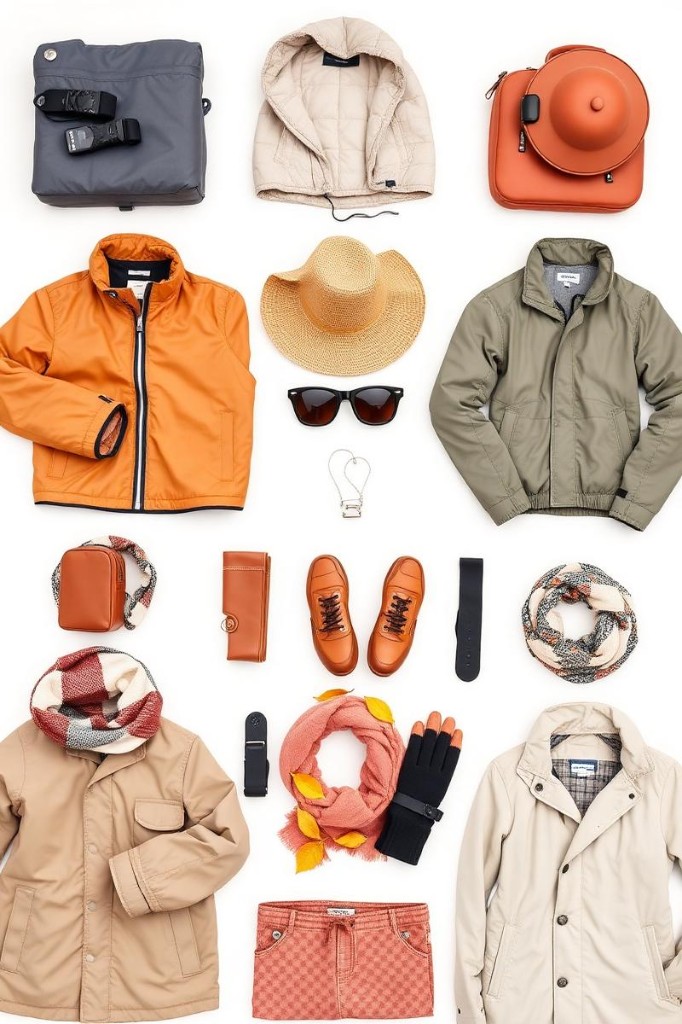
Visiting Kalambaka requires preparation adapted to the climatic conditions of each season. Between the climbs to the monasteries perched on their rocky peaks and walks in the Thessalian plain, your gear will largely determine the comfort of your stay. Temperature variations between the bottom of the town and the heights of Meteora can reach 5 to 8°C / 9 to 14°F difference, even in mid-summer. Always bring an extra layer, especially for morning visits.

👕 Seasonal packing

Spring (March-May): waterproof walking shoes • light windbreaker jacket • compact raincoat • sunglasses • brimmed hat • light thermal layer for mornings

Summer (June-August): light and breathable hiking shoes • modest clothing for entering monasteries (shoulders and knees must be covered) • wide-brimmed hat and SPF 50+ sunscreen • reusable water bottle of at least 1.5 L / 50 oz • light jacket for evenings

Autumn (September-November): waterproof hiking shoes • warm waterproof jacket • wool sweaters for evenings • compact umbrella • long pants

Winter (December-February): warm coat • waterproof hiking shoes with non-slip soles • gloves and hat • scarf • thermal socks • watch out for icy paths at dawn

Travel clothing and gear by season

💰 Seasonal budget

PeriodCity Center Accommodation (€/night)Transport (€/day)Restaurants (€/day)Attractions (€)Crowds
January-February35 to 555 to 1520 to 306 to 12
March-April45 to 705 to 2025 to 359 to 15⭐⭐
May-June65 to 10010 to 2530 to 459 to 18⭐⭐⭐⭐
July-August80 to 13010 to 3030 to 509 to 18⭐⭐⭐⭐⭐
September-October55 to 905 to 2525 to 409 to 15⭐⭐⭐
November-December35 to 605 to 1520 to 306 to 12⭐⭐

💡 Money-saving tips

Monastery Pass: If you visit several monasteries over two days, buy tickets separately (€3 each) — there is no global pass, but some hotels offer discounts through local partners.

Lunch vs. Dinner: Lunch menus in Kalambaka's tavernas are 30 to 40% cheaper than evening menus. Prefer lunch for your main meals.

Accommodation in Kastraki: The neighboring village of Kastraki, 2 km / 1.2 miles away, offers accommodations on average 20 to 30% cheaper than in the center of Kalambaka, often with superior views of the rocks.

Local Transport: Rent an electric bike (€15 to €20/day) to connect the monasteries in total autonomy and save on taxis or organized tours.

Local Markets: The weekly market in Kalambaka is ideal for buying local products (cheeses, honey, herbs) at very competitive prices and avoiding tourist shops.

🏥 Health and precautions

  • Summer Hydration: Dry heat can exceed 34°C / 93°F in July-August. Always carry at least 2 L / 67 oz of water per person for hikes in Meteora.
  • Watch the paths: Some paths around the rocks are steep and slippery in wet or winter weather — non-slip shoes are essential.
  • Spring Allergies: The Thessalian plain is very flowery in spring; those allergic to pollen should bring their usual treatment.
  • Winter Cold: Nighttime temperatures can drop below 0°C / 32°F in January-February; plan for appropriate medical coverage.
  • Pharmacy: The main pharmacy in Kalambaka is located in the city center (central square); open weekdays, weekend duty according to the schedule posted in the window.

Events in Kalambaka

Calendar of must-see events in Kalambaka

Cultural and religious events punctuate life in Kalambaka and significantly enrich the visitor experience, transforming every season into a unique encounter with Orthodox and Thessalian culture.

🐣 Orthodox Easter — March or April (variable date)

Orthodox Easter is arguably the most powerful event to experience in Kalambaka. The entire town participates in the Good Friday night processions, and the midnight mass from Saturday to Easter Sunday is an extraordinary spiritual experience. The Meteora monasteries organize special ceremonies accessible to respectful visitors.

Location: Metropolis Cathedral, central squares, and Meteora monasteries

Highlight: The candlelight procession through the cobbled streets of Kalambaka is an unforgettable visual and emotional spectacle.

Impact on stay: The town is very busy during the Easter weekend; some monasteries close on Good Friday. Book your accommodation 3 to 4 months in advance.

Access: On foot from the city center; monasteries are accessible by taxi or on foot via marked trails.

Tip: Plan to stay for Easter Monday to enjoy the festive atmosphere of family meals shared in local tavernas.

🌿 Feast of the Assumption — August 15

August 15 is one of the most important religious holidays in the Greek Orthodox calendar, especially celebrated in Kalambaka and the Meteora monasteries. The Roussanou Monastery, dedicated to the Virgin Mary, is at the heart of the celebrations with highly solemn liturgical services. The town comes alive with pilgrims from all over Greece, creating an atmosphere that blends religious fervor with popular celebration.

Location: Roussanou Monastery (Meteora) and Metropolis Cathedral of Kalambaka

Highlight: Entry to some monasteries may be free on the day of the feast — inquire locally.

Impact on stay: Maximum tourist and pilgrim influx this weekend; accommodations fully booked within a 30 km / 19 mile radius. Book 4 to 6 months in advance.

Access: Monasteries are accessible by taxi or shuttle from the center of Kalambaka.

Tip: Arrive at dawn to participate in the morning service and avoid the afternoon crowds.

🍷 Thessalian Gastronomy Festival — October

Every autumn, the Kalambaka region celebrates the flavors of Thessaly with a festival dedicated to local products: wines, cheeses, Pindus honey, cured meats, and traditional pastries. Local producers take over the central square of Kalambaka for tastings and culinary demonstrations. It is the perfect opportunity to discover an unknown and authentic gastronomy, far from tourist clichés.

Location: Central square of Kalambaka and immediate surroundings

Highlight: Traditional Thessalian cooking demonstrations with public participation — a rare culinary immersion.

Impact on stay: Moderate but notable influx in the city center; the atmosphere is family-friendly and warm, quite different from the summer bustle.

Access: On foot from all accommodations in the center of Kalambaka.

Tip: Book a table at a participating taverna as soon as you arrive for Friday or Saturday night dinner — spots fill up quickly.

Seasonal events

Spring: • Orthodox Easter (March-April, variable date) — processions and services throughout the town • Feast of Saint George (April 23) — local celebrations at Varlaam Monastery • First guided hikes organized by local hiking associations (April-May)

Summer: • Greek National Day (June 21, solstice) — outdoor entertainment in the central square • Assumption (August 15) — religious highlight of the summer • Outdoor concerts organized occasionally by the municipality (July-August)

Autumn: • Thessalian Gastronomy Festival (October) — local producers' market • Feast of Agios Dimitrios (October 26) — patron saint of many residents, village celebrations in Kastraki • Start of the low season and return of local atmosphere (November)

Winter: • Orthodox Christmas (December 25) — sober decorations and liturgical services in the monasteries • New Year's Day (January 1) — local traditions of the vasilopita (lucky cake) shared in cafes • Epiphany (January 6) — blessing of the waters in the nearby Pinios River

Responsible tourism in Kalambaka

Visiting Kalambaka and Meteora implies a particular responsibility: these sites, inscribed on the UNESCO World Heritage list, are weakened by constantly increasing attendance. Choosing your visit period intelligently contributes directly to preserving their integrity for future generations.

Kalambaka focuses on tourism respectful of religious and natural sites. The monasteries impose strict dress codes (shoulders and knees covered) and silent behavior — respect these rules without exception. Prioritize local family accommodations rather than large chains, whose income directly benefits the community. Take your trash with you during hikes and never leave marked trails to protect the rare rupestral vegetation of Meteora.

🌱 Low-season advantages

Visiting Kalambaka off-season (November to March) helps reduce tourist pressure on UNESCO-listed sites that are already very popular, enjoy an authentic experience with the locals, benefit from attractive rates, and limit your overall carbon footprint.

♻️ Sustainable travel tips

Walk or cycle: The marked trails connecting the monasteries allow you to visit everything on foot or by electric bike — an ecological alternative to shuttles and taxis.

Local tavernas: Prefer the family tavernas in the center of Kalambaka and Kastraki to tourist brands — the food is better and the money stays in the local community.

Certified accommodations: Several guest houses in Kalambaka display environmental commitments (waste sorting, solar panels, local products for breakfast).

Respect the monasteries: Do not take photos without authorization inside, speak quietly, and respect closing times in the middle of the day.

Reusable water bottle: Tap water is drinkable in Kalambaka — bring your own bottle to avoid single-use plastic.

Avoid peak crowds: Plan your visit outside of July-August weekends to reduce congestion on trails and in monasteries.

🏙️ Local sustainable initiatives

The municipality of Kalambaka is actively developing sustainable initiatives: extension of bike paths connecting Kalambaka to Kastraki and Meteora, waste reduction program in protected natural areas, partnerships with local producers for weekly markets, and work in progress for trail signage that respects the rupestral environment.

Our recommendations

Recommendations for your city-trip to Kalambaka

After analyzing climate data, tourist traffic, and the event calendar, April-May and September-October emerge as the most balanced periods to visit Kalambaka. Spring offers exceptional photographic light, ideal temperatures for hiking, and manageable crowds. Autumn offers a more intimate experience, attractive prices, and an authentic immersion into local Thessalian life. Summer is inevitably attractive for its maximum sunshine, but the intense heat and crowds in the monasteries can detract from the quality of the experience. Finally, winter is reserved for curious and adventurous travelers, who will find a surreal Kalambaka under the snow.

🌸 Optimal period: April, May, and September

Recommended months: April, May, September

  • Ideal temperatures (19 to 27°C / 66 to 81°F) for hiking and outdoor visits
  • Exceptional photographic light on rock formations
  • Moderate tourist traffic allowing for a serene visit to the monasteries
  • Accommodations available at reasonable rates
  • Orthodox Easter (April) for a unique cultural and spiritual experience

Key events: Orthodox Easter (April, variable date), first organized guided hikes (May), Gastronomy Festival (near October)

Limitations: Some spring rains possible in April; May weekends can be quite busy.

Ideal profile: Photographers, hikers, couples, cultural travelers, families with young children

Recommended duration: 2 to 3 nights minimum to visit Meteora without rushing

☀️ Interesting alternative: June and October

Alternative months: June, October

June still offers generous sunshine without the oppressive heat of July-August, while October sees crowds dissipate quickly after the high season. These two months represent excellent compromises between good weather conditions and a more serene experience. In October, the autumn colors of the region and seasonal products in the tavernas add an extra sensory dimension.

Specific advantages: Fewer tourists than in high season, lower accommodation prices (especially October), more authentic local atmosphere, less crowded trails

For whom: Travelers with flexible schedules, budget travelers, lovers of gastronomy and authenticity, photographers looking for specific light

👥 Tips for your travel style

Family with children: May or September are ideal — mild temperatures, accessible trails, family-friendly accommodations in Kastraki. Plan for at least 3 nights. Choose ground-level monasteries for the youngest (Agios Stefanos is the most accessible).

Tight budget: November or March offer the best rates. Stay in Kastraki (20% cheaper), eat lunch in a local taverna, walk between monasteries rather than taking a taxi. Daily budget possible from €40 to €50/person.

Culture & spirituality: Orthodox Easter week (April) is a must. Stay at least 3 nights, attend evening services at the Metropolis Cathedral, and visit each monastery with respect and curiosity.

Romantic: Late September or early October — amber lights, no crowds, intimate meals in tavernas. Choose accommodation with a direct view of Meteora for an unforgettable wake-up call.

First trip: May is the most balanced period — perfect weather, everything is open, the atmosphere is festive without being stifling. Plan 2 nights in Kalambaka and 1 night in Kastraki to diversify the viewpoints.

Short weekend: April or September — 2 nights are enough to visit the 6 open monasteries and enjoy a hike on the trails. Arrive Friday evening from Athens (3h by train) and leave Sunday afternoon.

⚠️ Periods to avoid (or approach with caution)

Months not recommended: July, August (intense high season) and January, February (strict winter)

Reasons: In July-August, the heat regularly exceeds 33°C / 91°F, monasteries are crowded from 9:30 AM, accommodations post their highest rates, and some trails are closed due to fire risk. In January-February, the cold and the possibility of heavy snow can make some trails and monastery access roads dangerous.

Nuances: Passionate photographers will find absolutely spectacular snowy landscapes in January-February, and budget travelers will enjoy unbeatable prices. In July-August, getting up before 7 AM allows you to beat the crowds on the trails and in the monasteries.

Villes du même pays

All cities

Frequently Asked Questions

Planning your trip to Kalambaka and Meteora? Here are the answers to essential questions for organizing your stay according to the climate and your preferences.

What is the best month to visit Kalambaka?

April, May, and September are the most recommended months to visit Kalambaka. In April and May, nature is in full bloom, temperatures range between 9 and 24°C / 48 and 75°F, ideal for hiking around Meteora, and the crowds remain manageable. September offers the advantages of summer (sunshine, pleasant warmth around 27°C / 81°F) without the drawbacks (excessive crowds, heatwaves). These three months are the ideal window to combine climatic comfort, landscape beauty, and a serene experience of the UNESCO-listed monasteries.

How many days should I plan for Kalambaka?

2 to 3 nights on-site are generally sufficient for a complete visit to Kalambaka and Meteora. The first day can be spent exploring the village of Kastraki and the Great Meteoron, the second hiking between the monasteries and watching the sunset from the Psaropetra viewpoint, and the third visiting the remaining monasteries and discovering the local tavernas. Travelers passionate about hiking or photography can easily extend to 4 or 5 nights to explore the surrounding Thessalian region.

What to do in Kalambaka if it rains?

Rain does not compromise a stay in Kalambaka if you have planned some indoor alternatives. The Meteora Natural History Museum explains the geological formation of the rocky peaks in a fascinating way (approx. 1 hour, €3). The Byzantine Cathedral of the Assumption (Metropolis) houses remarkable 12th-century frescoes. The monasteries themselves have rich indoor museums with icons, illuminations, and ancient liturgical objects. Finally, the tavernas of Kalambaka are an excellent opportunity to taste a Thessalian vegetable soup or a local stew while taking the time to chat with the locals.

Which events should not be missed in Kalambaka?

Orthodox Easter (March or April depending on the year) is the most significant event in Kalambaka: candlelight processions, solemn services in the monasteries, unique spiritual atmosphere. On August 15, the Feast of the Assumption brings pilgrims and visitors together for the celebrations at the Roussanou Monastery. In October, the Thessalian Gastronomy Festival invites you to discover local wines, cheeses, and honey in the central square. For lovers of snow and epic landscapes, Meteora in winter after a snowfall is an absolutely exceptional photographic spectacle.

What budget should I plan for Kalambaka depending on the season?

The budget varies significantly depending on the season. In high season (July-August), expect €80 to €130/night for accommodation in the city center, €30 to €50/day for meals, and €9 to €18 for attractions. In shoulder season (April-May, September-October), accommodations drop to between €55 and €100/night for equivalent comfort. In low season (November-March), rates fall to €35-€60/night, with restaurants offering very accessible prices. A daily budget of €60 to €80 per person in shoulder season covers decent accommodation, local meals, and monastery entrance fees.