When to go to Karera? City-Trip Guide

Between bright dry seasons and tropical rains, Karera reveals an authentic atmosphere throughout the year.

  • 0.08 M population
  • Kirundi, French language
  • 120 days rainy days/year
  • June to September best time to visit
  • 3 to 5 days recommended stay

Weather and climate trends in Karera

Understanding the tropical climate of Karera in the heart of Burundi

Karera enjoys a high-altitude tropical climate, tempered by an average elevation of approximately 1,300 meters / 4,265 feet. Two dry seasons and two wet seasons structure the year, offering pleasant temperatures ranging between 17°C and 27°C / 63°F and 81°F. Its geographical location in East Africa, near the Great Lakes chain, significantly influences local rainfall.

  • Central urban area: Milder microclimate with a cooling island effect due to the altitude
  • Hilly periphery: Temperatures slightly more variable depending on exposure and altitude
MonthMin Temp. (°C / °F)Max Temp. (°C / °F)Precipitation (mm)Sunshine (h/day)Tourist TrafficRecommended Activities
January20 / 6827 / 81806★★☆☆☆Exploring local markets, city walks
February20 / 6827 / 81706★★☆☆☆Cultural visits, meeting locals
March19 / 6626 / 791105★☆☆☆☆Museums, local crafts, traditional cuisine
April19 / 6626 / 791205★☆☆☆☆Indoor visits, community exchanges
May19 / 6626 / 79906★★☆☆☆Light hiking, countryside discovery
June17 / 6325 / 77207★★★☆☆Excursions, markets, outdoor activities
July17 / 6324 / 75108★★★★☆Active tourism, photography, national holidays
August17 / 6325 / 77158★★★★☆Exploration, cultural encounters, landscapes
September18 / 6426 / 79257★★★☆☆Walking, visiting natural sites
October19 / 6627 / 81806★★☆☆☆Agricultural markets, culinary discovery
November19 / 6627 / 811005★☆☆☆☆Local tourism, crafts
December19 / 6626 / 79905★★☆☆☆Local festivals, festive year-end atmosphere

The altitude of Karera (approximately 1,500m / 4,921 feet) moderates tropical temperatures, creating a particularly pleasant climate with limited thermal variations between day and night.

The seasons in Karera

Must-sees according to the weather

Organizing your stay in Karera according to the current weather conditions will allow you to optimize every day, whether it rains or the sun is out, and to fully enjoy every site.

☔ In cloudy or rainy weather

Indoor & protected places in Karera

When it rains, Karera offers beautiful alternatives to continue exploring its culture and art of living sheltered from tropical downpours.

  • 🏛️ Karera covered market – Immersion in daily life, crafts, and local products | Duration: 1–2 h | Free entry | All year
  • 🍽️ Local restaurants and eateries – Discovery of traditional Burundian cuisine (skewers, beans, ugali) | Duration: 1–2 h | Budget: 3–8 € | Ideal in rainy season
  • Catholic Church of Karera – Colonial architecture, quiet and cool atmosphere | Duration: 30 min | Free entry
  • 🏫 Local community centers – Exchanges with residents, cultural and artistic activities | On request
  • 📚 Library and cultural center of the Rutana province – Local resources, history, and heritage of Burundi | Duration: 1 h | Free entry

Practical tip: Bring local currency (Burundian franc) for markets and small establishments. Covered markets are liveliest early in the morning.

Tip: Follow the covered market with a lunch in a nearby eatery for a complete and economical cultural immersion.
☀️ In good weather

Optimal outdoors in Karera

Under the Burundian sun of the dry season, Karera and its surroundings reveal breathtaking green hilly landscapes, ideal for open-air exploration.

  • 🌄 Panoramic hills around Karera – Exceptional views of the valley and red lands | Duration: 2–4 h | Best time: sunrise
  • 🌿 Local coffee and banana plantations – Walks in the heart of Burundian agriculture | Duration: 1–3 h | Free or small paid guidance
  • 🚶 Hiking on the Rutana trails – Discovery of local flora and meetings with villagers | Duration: 3–5 h | June–September recommended
  • 🏞️ Surrounding waterfalls and streams – Refreshing natural sites perfect in the dry season | Duration: 2 h | Best period: June–August
  • 📸 Commune craft village – Pottery, basketry, and weaving in the open air | Duration: 1–2 h | Optimal light: 8 am–11 am

Best time of day: The morning golden hour (6:30 am–8:00 am) offers exceptional golden light on the hills for photography.

Season tip: July and August are the driest and sunniest months. Avoid prolonged hikes in the middle of the day even in the cool season.

🌤️ Versatile in any weather

Flexible sites regardless of the weather

Some places in Karera are fully appreciated in any weather, conveniently combining covered spaces and accessible exteriors.

  • 🛖 Historic district of Karera center – Architecture, shops, and local life between lively streets and covered passages | Duration: 2 h
  • 🌺 Communal gardens and green spaces – Walks possible with shelters in case of sudden downpours | Duration: 1 h
  • 🍺 Burundian cabarets and social life venues – Banana beer and local festive atmosphere, indoors or under arbors | Duration: 1–2 h

Weather tip: Start your day outdoors early in the morning (tropical rains often occur in the late afternoon) and retreat indoors for lunch.

Example itinerary: 7 am: walk on the panoramic hills → 10 am: local market → 12:30 pm: lunch in an eatery → 3 pm: visit to the historic district → 5 pm: local cabaret for the hour of urwagwa (banana beer).

💰 Free or economical

Discover Karera without breaking the bank

  • 🌅 Panoramas from the hills – Free, accessible on foot from the center | All year
  • 🏘️ Walk in authentic residential neighborhoods – Human encounters, local architecture, neighborhood life | Free
  • Visits to places of worship – Local churches and mosques open to respectful visitors | Free entry
  • 🌿 Rural trails around Karera – Bucolic hikes in the heart of the hills of Burundi | Free

Free days: Local markets are accessible without fees and are liveliest in the morning on weekdays.

Budget tips: Eat where the locals eat (eateries), drink local urwagwa, and chat with vendors for a 100% authentic and economical experience.

Practical Guide

Preparing your trip to Karera with care ensures a serene and memorable experience. Seasonal climatic variations directly influence your comfort, budget, and the quality of your activities. Here are the essential tips for traveling smart in Karera, regardless of the period chosen.

👕 Seasonal packing

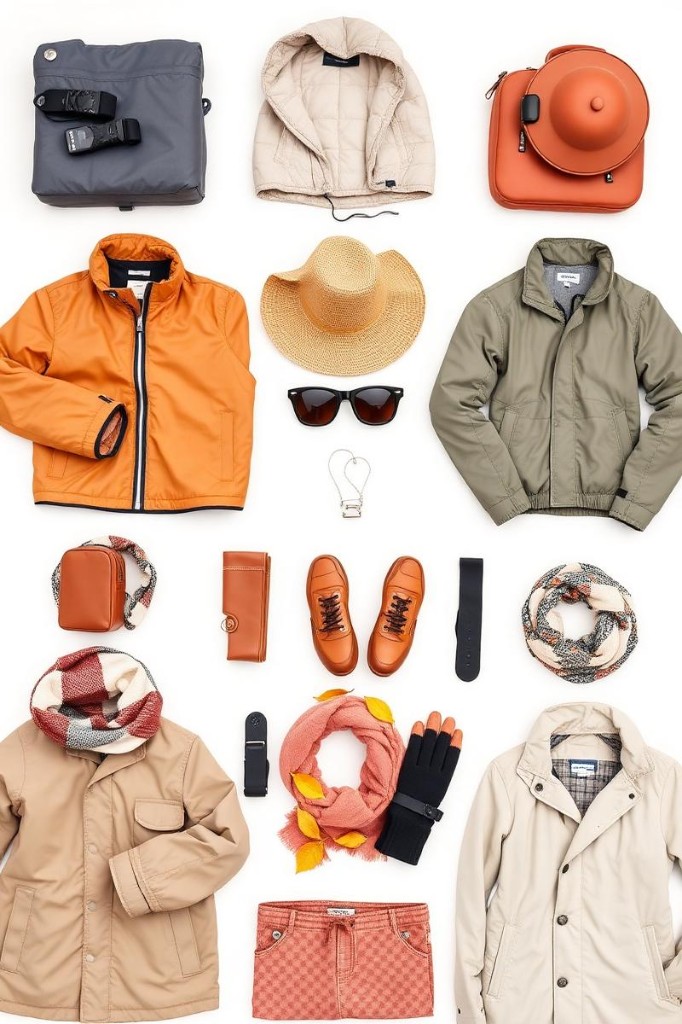
Great dry season (June–September): sturdy walking shoes • light jacket or fleece for cool evenings (17°C / 63°F) • sunglasses and hat • sunscreen essential • light backpack for excursions

Great rainy season (March–May): raincoat or light poncho • waterproof shoes or closed sandals • quick-drying clothing • compact umbrella • waterproof bag to protect your cameras

Short dry season (January–February): light outfits for the day • jacket for temperature variations • reinforced sun protection • versatile shoes

Short rainy season (October–December): essential rain gear • light and breathable outfits • rain shoes • extra layer for evenings

Travel clothing and gear by season

💰 Seasonal budget

PeriodAccommodation (€/night)Transport (€/day)Restaurants (€/day)Attractions (€)Traffic
July–Aug (high season)20–455–108–205–15★★★★☆
June, Sept (shoulder)15–354–86–153–10★★★☆☆
Jan–Feb (short dry)12–304–85–122–8★★☆☆☆
March–May (heavy rains)10–253–74–102–5★☆☆☆☆
Oct–Dec (light rains)10–283–74–102–5★★☆☆☆

💡 Money-saving tips

💡 Eat local: Burundian eateries and small restaurants offer complete meals for 2 to 5 €, much cheaper than establishments for foreign visitors.

💡 Travel in low season: March–May and October–November offer rates up to 40% cheaper on accommodation with an equally rich experience.

💡 Use local public transport: minibuses (taxi-bus) and motorcycle taxis are very economical for getting around in and around Karera.

💡 Prioritize markets for food: fresh fruits, vegetables, and local snacks at very low prices throughout the day.

💡 Negotiate local guides in advance: agreeing on a fixed rate before any excursion avoids bad surprises.

🏥 Health and precautions

  • 💊 Malaria: risk present all year round in Burundi — antimalarial prophylaxis strongly recommended before departure
  • 💧 Hydration: drink only bottled or treated water, especially in the hot season
  • 🌞 Sun protection: altitude amplifies the effects of the sun even in the cool season — apply SPF 30+ sunscreen daily
  • 🚶 Intensive walking: the hilly terrain of Karera can be tiring — wear suitable shoes and plan regular breaks
  • 🏥 Pharmacies and care: find out about the health facilities available in Karera before your departure; bring a complete first aid kit
  • 🦟 Mosquito repellent: essential in the evening, especially during wet seasons

Events in Karera

Calendar of must-see events in Karera and Burundi

National holidays and local celebrations in Burundi transform the atmosphere of Karera into unique festive moments, significantly enriching the experience for any curious and empathetic traveler.

🎉 Burundi Independence Day – July 1st

July 1st is arguably the most vibrant time of the year in Karera. The entire city celebrates the independence gained in 1962 with parades, traditional songs, intambwe dances, and warm community gatherings. The atmosphere is both solemn and festive, and foreign visitors are welcomed with remarkable generosity.

Location: Karera city center, main square, and shopping streets

Special feature: Traditional Burundian dances in costume, live music, and community speeches

Climate impact: In the middle of the dry season, weather conditions are excellent — blue skies and ideal temperatures. High local attendance; accommodations should be booked several weeks in advance.

Transport access: Accessible from Rutana by taxi-bus or motorcycle taxi

Advance tip: Book your accommodation at least 3 to 4 weeks in advance for this popular date.

🕊️ National Unity Day – February 5th

Celebrated on February 5th, National Unity Day is a highlight of Burundian civic life. In Karera, it takes the form of community gatherings, public speeches, and moments of collective memory. It is a rare opportunity to observe Burundian society in its most united and introspective dimension.

Location: Public spaces and community venues in Karera

Special feature: National reconciliation ceremony, patriotic songs, testimonials from the local community

Climate impact: In the short dry season, the weather is generally mild. Low tourist traffic, intimate and authentic atmosphere.

Transport access: Local transport from neighboring communes, motorcycle taxis available

Advance tip: No particularly urgent booking required, but plan your accommodation in Karera at least 1 to 2 weeks in advance.

🌾 Harvest festivals and seasonal agricultural markets – October to December

In Karera, the end of the year coincides with the harvests of the end of the short rainy season, resulting in extraordinarily rich agricultural markets. Vegetables, tropical fruits, beans, cassava, and sorghum fill the stalls in an explosion of colors and flavors. It is one of the best opportunities to dive into the peasant culture of Burundi and understand the local economy.

Location: Central market of Karera and peripheral markets of the commune

Special feature: Exceptional agricultural diversity, direct exchanges with local producers, friendly and authentic atmosphere

Climate impact: Rainy period — bring a raincoat, as markets operate even in the rain.

Transport access: On foot from the center, or by motorcycle taxi for peripheral markets

Advance tip: Arrive early in the morning (before 9 am) to enjoy the best deals and a calmer atmosphere.

Seasonal events

Great dry season (June–September):

  • 🎉 Independence Day (July 1st) – Karera central square – national holiday
  • 🥁 Cultural performances and traditional intambwe dances – all summer – public spaces
  • 🌞 Weekly open-air markets – every weekend – city center

Short dry season (January–February):

  • 🕊️ National Unity Day (February 5th) – public spaces – civic ceremony
  • 🌺 Local craft fairs – January – central market

Rainy season (March–May and October–December):

  • 🌾 Harvest markets (October–December) – local markets – agricultural event
  • 🍌 Informal food festivals – April and November – local restaurants and eateries

Note: National holidays (January 1st, May 1st, August 15th, November 1st) may result in the closure of shops and services. Anticipate your needs for cash and supplies.

Responsible travel in Karera

Choosing to travel to Karera is also choosing the impact of your presence on a local community whose economy remains fragile. Opting for less crowded periods and sustainable practices contributes directly to the well-being of the residents and the preservation of the territory.

Karera is a human-sized city where every traveler's choice has a direct and measurable impact on local life. Prioritize family eateries over impersonal establishments, buy crafts and food products directly from market producers, and get around on foot or by local public transport to reduce your carbon footprint in this preserved environment.

🌱 Low-season advantages

Visiting Karera outside of peak traffic (March–May, October–November) lightens the pressure on local resources, offers a more authentic experience, and helps support small economic actors during low periods, when they need it most.

♻️ Sustainable travel tips

🚶 Walk as a priority: Karera is a human-sized city, most sites are accessible on foot, which reduces emissions and allows for spontaneous encounters with residents.

🛺 Prioritize local transport: motorcycle taxis and shared taxi-buses directly support small Burundian entrepreneurs.

🛍️ Buy local and fair: central market, neighborhood artisans, women's cooperatives — every purchase is a concrete support to the economy of Karera.

🍽️ Eat in local eateries: authentic Burundian cuisine is delicious, economical, and 100% local.

♻️ Reduce your plastic waste: carry a reusable water bottle and refuse unnecessary plastic packaging.

🤝 Respect local customs: always ask before photographing people and learn a few words of Kirundi — a gesture always highly appreciated.

🏙️ Local sustainable initiatives

Several local associations and agricultural cooperatives in the Rutana province work for the promotion of Burundian crafts, organic farming, and women's vocational training. Supporting these structures during your visit contributes directly to the sustainable development of Karera and its residents.

Our recommendations

Recommendations for your city-trip to Karera, Burundi

After analyzing the high-altitude tropical climate of Karera, tourist traffic patterns, and the local event calendar, our main recommendation is the great dry season from June to September. This period combines the best assets: stable and sunny weather, cool and pleasant temperatures, the Independence Day on July 1st to experience in immersion, and ideal conditions for exploring the city and its natural surroundings. Budget-conscious travelers in search of authenticity will find their happiness in the low season, with very attractive rates and an incomparable local experience.

Optimal period: June – September

Recommended months: June, July, August, September

  • Clear skies and maximum sunshine (7 to 8 hours/day)
  • Mild temperatures ideal for walking and excursions (17–25°C / 63–77°F)
  • Independence Day on July 1st, a unique festive moment to experience on site
  • Local markets at their best in terms of animation and supply
  • Perfect conditions for photography and discovering hilly landscapes

Key events: Independence Day (July 1st), lively weekly markets, summer cultural events.

Disadvantages: Busiest period of the year, accommodations to be booked in advance; evenings sometimes cool requiring a jacket.

Ideal profile: First-time visitors, families, culture lovers, active travelers, and photographers.

Recommended duration: 3 to 5 days to discover the city and its natural surroundings comfortably.

Interesting alternative: January – February

Alternative months: January, February

The short dry season of January–February offers an excellent compromise between pleasant weather conditions and controlled budget. Temperatures reach their mildest level of the year (20–27°C / 68–81°F), sunshine is satisfactory, and the National Unity Day on February 5th adds a unique cultural dimension to the stay. Accommodations remain accessible and the city retains its authenticity without the tourist pressure of the summer.

Specific advantages: Accommodation prices 30 to 40% lower than in high season, authentic local atmosphere, civic event on February 5th, pleasant maximum temperatures.

For whom: Travelers in search of authenticity, tight budgets, lovers of local life, couples wishing to avoid crowds.

👥 Tips for your travel style

🏠 Family: Prioritize July–August for the safety of weather conditions, Independence Day, and adapted activities. Stay in the city center, within walking distance of markets and cultural sites. Bring mosquito repellent adapted for children.

💰 Budget: Travel in October–November or January–February for reduced rates. Sleep in a local guesthouse (10–20 €/night), eat in an eatery (2–5 €/meal), and get around by motorcycle taxi (1–2 €/trip).

🎭 Culture: July 1st and February 5th are must-see cultural appointments. Plan a local guide to understand Burundian ceremonies and traditions.

💑 Romantic: January–February offers ideal temperatures, splendid sunsets over the hills, and an intimate atmosphere in local restaurants in the evening.

🗓️ Weekend / Short stay: 3 days are enough for the essentials of Karera. Arrive on a Friday, enjoy the market on Saturday morning, and dedicate Sunday to natural excursions.

🌍 First trip: Choose July or August for optimal conditions and facilitated logistics. Reach Karera from Bujumbura or Rutana by shared taxi for an immediately authentic experience.

Periods to avoid: March – May and October – November

Not recommended months: March, April, May, October, November

Reasons: These are the two most intense rainy seasons of the year. Precipitation can reach 120 mm/month in April, making some rural roads difficult to access, reducing outdoor activity possibilities, and limiting visibility to enjoy the landscapes. Sunshine drops to only 5 hours/day.

Nuances: These periods remain feasible for travelers who love nature in the rain, photographers who love soft light, and travelers on a very tight budget. October–November agricultural markets are also a valid motivation for local gastronomy enthusiasts.

Villes du même pays

All cities

Frequently Asked Questions

All the answers to essential questions to plan your trip to Karera according to your profile, budget, and the climatic conditions of your chosen season.

What is the best month to visit Karera?

July is the ideal month to visit Karera. In the heart of the great dry season, it combines the best climatic conditions of the year: blue skies, maximum sunshine (8 hours/day), cool and comfortable temperatures (17–24°C / 63–75°F), and only 10 mm of precipitation. It is also the month of the Burundian Independence Day (July 1st), an exceptional festive moment. August offers nearly identical conditions and is an excellent alternative if July is fully booked for accommodations.

How many days should I plan to visit Karera?

For a satisfying discovery of Karera, plan for 3 to 5 days. Three days allow you to cover the essentials: local markets, hilly landscapes, city center architecture, and Burundian gastronomy. Five days offer the luxury of excursions in the surroundings of the Rutana province, a deeper immersion into local life, and a meeting with artisans and agricultural producers. Travelers wishing to also explore Bujumbura or other regions of Burundi should count on 7 to 10 days in total.

What to do in Karera in case of rain?

Tropical rain should not spoil your stay in Karera! The central covered market is the first destination to prioritize: colors, flavors, and encounters guaranteed under shelter. Then, slip into a local eatery to enjoy a traditional Burundian meal — beans, ugali, and skewers — in a warm atmosphere. The Catholic church and community centers of Karera also offer interesting cultural refuges. Tropical rains are often brief: wait under a roof and the city walk will soon resume.

What events should not be missed in Karera?

The must-see event in Karera is the Independence Day on July 1st, celebrated in a festive and warm atmosphere with traditional dances, music, and community gatherings. The National Unity Day on February 5th is a very touching civic and introspective moment. In October and November, agricultural harvest markets transform the central market into a festival of flavors and colors. Finally, the weekly weekend markets are appointments not to be missed under any circumstances throughout the year.

What budget should I plan according to the period in Karera?

The daily budget in Karera varies significantly according to the season. In high season (July–August), count on 35 to 70 € per day for decent accommodation, meals, and local transport. In shoulder season (June, September, January–February), the budget drops to 25 to 50 € per day. In low season (March–May, October–November), a budget of 18 to 35 € per day is quite realistic. Karera remains a very accessible destination: local eateries offer complete meals for 2 to 5 € and motorcycle taxi transport costs 1 to 2 € per trip.