When to visit Kaw? Tropical Nature Guide

Discover the best time to explore this exceptional nature reserve in French Guiana according to tropical seasons.

  • 200 inhabitants population
  • French language
  • 200 days rainy days/year
  • from July to November best time to visit
  • 3 to 5 days recommended stay

Tropical Climate of Kaw

Understanding the humid equatorial climate of Kaw

Kaw enjoys a tropical equatorial climate characterized by constant high humidity and stable temperatures. Located in the Kaw marshes, this nature reserve is influenced by the Atlantic Ocean and vast wetlands, creating a microclimate particularly favorable to exceptional biodiversity.

  • Marsh Zone: Maximum humidity with frequent morning fog
  • Tropical Forest: Dense canopy regulating temperatures
  • Oceanic Border: Maritime influence moderating extremes
MonthMin Temp (°C / °F)Max Temp (°C / °F)Precipitation (mm / in)Sunshine (h/day)Tourist TrafficRecommended Activities
January23°C / 73°F29°C / 84°F180mm / 7.1in6⭐⭐⭐Wildlife observation, canoe
February23°C / 73°F30°C / 86°F120mm / 4.7in7⭐⭐⭐⭐Hiking, photography
March23°C / 73°F30°C / 86°F140mm / 5.5in7⭐⭐⭐⭐Bird watching
April24°C / 75°F31°C / 88°F200mm / 7.9in6⭐⭐⭐Morning excursions
May24°C / 75°F31°C / 88°F280mm / 11.0in5⭐⭐Sheltered areas, indoor observation
June24°C / 75°F31°C / 88°F320mm / 12.6in5⭐⭐Short outings
July23°C / 73°F30°C / 86°F160mm / 6.3in7⭐⭐⭐⭐⭐All activities
August23°C / 73°F31°C / 88°F140mm / 5.5in8⭐⭐⭐⭐⭐Full exploration
September24°C / 75°F32°C / 90°F100mm / 3.9in8⭐⭐⭐⭐⭐Long hiking
October24°C / 75°F32°C / 90°F120mm / 4.7in7⭐⭐⭐⭐Night observation
November24°C / 75°F31°C / 88°F160mm / 6.3in6⭐⭐⭐Nature photography
December23°C / 73°F30°C / 86°F200mm / 7.9in6⭐⭐⭐Short excursions

As altitude variations are minimal (0-50m / 0-164ft), climatic differences are mainly related to ecosystems: wetter marshes, cooler forest under the canopy.

Tropical Seasons

Sites according to weather conditions

Optimize your discovery of Kaw by adapting your activities to climatic conditions for an unforgettable nature experience.

☔ In rainy weather

Protected activities

Take advantage of covered infrastructure and close-up observations during frequent rainy episodes.

Sites and activities:
🏠 Nature Interpretation Center (1h, free, all year)
🛖 Covered observation huts (30min, free, May-June optimal)
🦎 Local terrarium observation (45min, 5€, permanent)
📚 Biodiversity documentation space (free)
🎣 Fishing under sheltered areas (2h, equipment 15€)
🍃 Medicinal plant discovery workshops (1h30, 20€)

Practical tip: Reservation recommended for workshops, groups limited to 8 people

Additional tip: Combine center visit + covered observation + workshop for a productive full day
☀️ In good weather

Optimal outdoor exploration

Take advantage of ideal conditions to discover all the natural riches of Kaw outdoors.

Sites and activities:
🥾 Marsh Trail (3h, free, sunrise/sunset)
🚣 Full canoe excursion (4h, 45€, morning recommended)
🦅 Ornithological observatory (2h, free, 6am-8am optimal)
🌺 Tropical botanical garden (1h30, 8€, cool morning)
🦋 Butterfly trail (2h, free, 9am-11am)
📸 Panoramic viewpoints (30min each, free)

Best time of day: Sunrise (6am) and golden hour (5:30pm) for exceptional light and active wildlife

Seasonal tip: July-October optimal, avoid 11am-3pm in September-October (intense heat)

🌤️ Versatile activities

Flexible for all weather

Adaptable activities allowing you to switch between indoors and outdoors depending on conditions.

Versatile sites:
🏛️ Ecomuseum with outdoor trail (modular 1-3h)
🌿 Tropical greenhouse + gardens (indoor/outdoor combined)
🛶 Nautical base with shelters (outings adapted to weather)

Weather tip: Start outdoors if the sky is clear, retreat to covered areas if rain is forecast

Example itinerary: Morning short trail + ecomuseum if rain + afternoon canoe if clearings

💰 Free activities

Discovery at no cost

Free sites:
🥾 All marked trails in the reserve
🦅 Public ornithological observatories
📍 Viewpoints and lookouts
🌅 Sunrise/sunset spots
🏞️ Beaches and landscaped banks

Free days: Interpretation center free on the first Sunday of the month

Budget tips: Picnic in huts, autonomous observation with paper guide, free nature photography

Practical Guide

Prepare your stay in Kaw with our practical tips adapted to the humid tropical climate and the specificities of this exceptional nature reserve in French Guiana.

👕 Seasonal packing

Dry Season (July-November): • Waterproof hiking shoes • Lightweight breathable clothing • Hat and sunglasses • Light jacket for evenings • Swimwear

Rainy Season (December-June): • Rubber boots essential • Waterproof poncho • Quick-dry clothing • Mosquito protection • Waterproof equipment bags

All Year: • Strong tropical repellent • SPF50+ sunscreen • Headlamp • Reusable water bottle
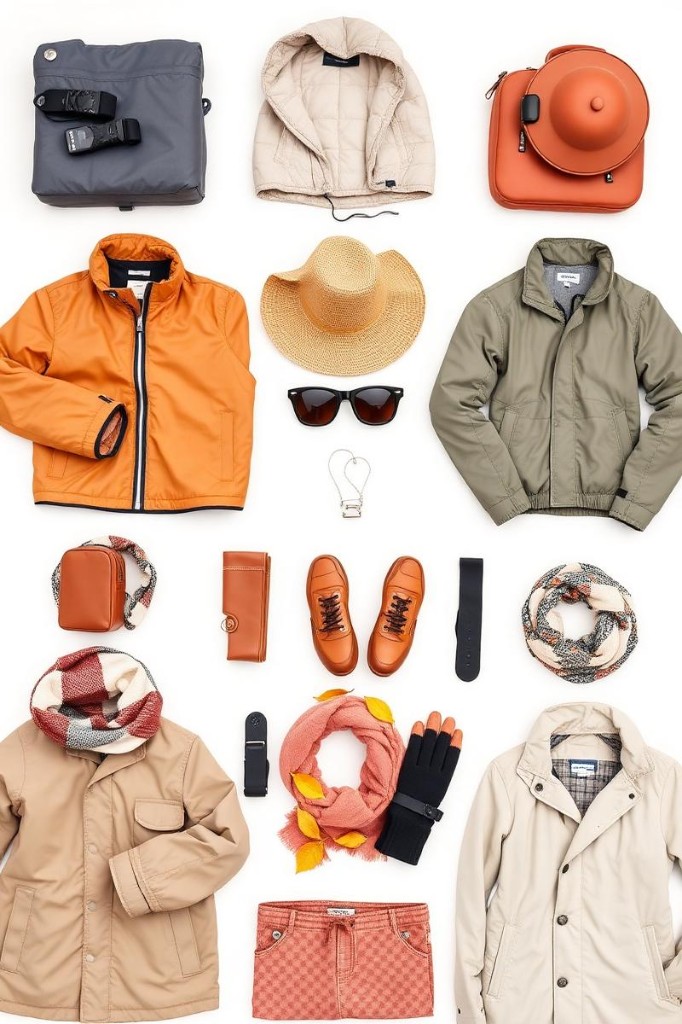
Travel clothing and gear by season

💰 Seasonal budget

PeriodAccommodation (€/night)Transport (€/day)Dining (€/day)Activities (€)Traffic
Dry Season (Jul-Nov)80-15025-4035-6030-80⭐⭐⭐⭐⭐
Mid-season (Feb-Mar)60-12020-3530-5025-70⭐⭐⭐⭐
Rainy Season (Apr-Jun)45-9015-3025-4520-60⭐⭐
End of year (Dec-Jan)70-13020-3530-5525-75⭐⭐⭐

💡 Money-saving tips

Save money by choosing the rainy season for reduced rates (-40%), prioritize authentic homestays, cook with local market products, group activities for sliding scale rates, use public transport to the reserve.

🏥 Health and precautions

Tropical mosquito repellent mandatory (dengue, chikungunya, malaria possible)
• Yellow fever vaccination recommended
• Enhanced hydration for humid climate
• Complete first aid kit
• Maximum sun protection
• Caution when swimming (currents, aquatic wildlife)

Nature Events

Calendar of exceptional natural events in Kaw

Kaw offers unique seasonal natural spectacles that enrich the discovery experience of this extraordinary reserve.

🦋 Butterfly Migration (August-September)

Spectacular natural phenomenon with thousands of tropical butterflies crossing the marshes. Trails turn into natural colorful galleries offering unique photographic opportunities.

Location: Marsh Trail and main clearings

Special feature: Over 200 species observable simultaneously

Climate impact: Optimal dry period, high naturalist attendance, advance accommodation booking necessary

Transport access: Special shuttles from Cayenne, morning departures recommended

Anticipation tip: Book 2 months in advance, specialized guides are in high demand

🐢 Leatherback Turtle Nesting (March-July)

Exceptional observation of the largest sea turtles in the world coming to lay eggs on nearby beaches. Unforgettable nocturnal experience in strict respect of protected wildlife.

Location: Awala-Yalimapo beaches (45min from Kaw)

Special feature: Turtles can reach 2m / 6.6ft and 700kg / 1543lbs

Climate impact: Rainy season, mandatory supervised night outings, limited groups

Transport access: Organized excursions only, 4x4 transport included

Anticipation tip: Mandatory prior registration, very limited spots

🌸 Giant Water Lily Blooming (November-January)

Extraordinary botanical spectacle with the blooming of Victoria amazonica, giant water lilies with leaves 2m / 6.6ft in diameter. The marshes are adorned with white then pink flowers in a fascinating aquatic ballet.

Location: Central marshes and main ponds

Special feature: Nocturnal blooming with intense fragrance

Climate impact: Seasonal transition, optimal water level, canoe excursions preferred

Transport access: Traditional canoes, silent departures for preservation

Anticipation tip: Night outings by reservation, equipment provided

Seasonal events

Dry Season: • Observation Festival (September, nature photo contest) • Tropical Starry Nights (August, astronomy) • Natural Heritage Days (October)

Rainy Season: • Biodiversity Week (May, conferences) • Forest Sounds Festival (June, nature recordings) • Creole Carnival influence (February-March, nearby Cayenne)

All Year: • Full moon night observation • High tides exploration of usually submerged areas

Responsible Tourism

Kaw, a fragile nature reserve, requires a respectful approach to preserve this exceptional ecosystem for future generations.

Responsible tourism in Kaw implies strict respect for biodiversity, support for local communities, limitation of environmental impact, and awareness of conservation. Each visitor becomes an ambassador of this precious nature.

🌱 Low-season advantages

Visiting in the rainy season reduces pressure on the ecosystem, allows for authentic encounters with locals, supports the local economy during the off-season, and offers a more intimate nature experience.

♻️ Sustainable travel tips

Respect marked trails exclusively, use certified local guides, avoid single-use plastics, observe wildlife from a regulated distance, participate in citizen science programs, choose eco-labeled accommodations, consume local products only.

🏙️ Local sustainable initiatives

Kaw develops innovative programs: participatory reforestation, local guide training, renewable energy for accommodations, zero-impact waste management, collaborative scientific research, school awareness, protection of threatened endemic species.

Our Recommendations

Recommendations for your nature stay in Kaw

After analyzing climatic conditions, seasonal biodiversity, and logistical constraints, here are our tips to optimize your discovery of Kaw. These recommendations take into account site accessibility, wildlife activity, observation conditions, and comfort of stay in this exceptional reserve of French Guiana.

🌟 Optimal Period: August - October

Advantages:
• Ideal weather conditions (low precipitation)
• Wildlife very active and concentrated
• Trails perfectly passable
• Optimal visibility for observation and photography
• Butterfly migration in September

Key events: Observation Festival, butterfly migration, starry nights

Disadvantages: Maximum attendance, high rates

Ideal profile: All audiences, families, nature photographers

Stay duration: 4-5 days recommended

⚖️ Interesting Alternative: February - March

Excellent period offering an optimal compromise between favorable weather conditions and moderate attendance. End of rainy season with lush nature but trails have become accessible again.

Specific advantages: Intermediate rates, fewer tourists, maximum vegetation, start of turtle nesting

For whom: Experienced travelers, average budgets, authentic nature lovers

👥 Tips for your travel style

Family: August-September, Cayenne accommodations + day excursions, educational activities at the interpretation center

Tight budget: February-March or December-January, camping allowed, paper guides, picnics, group transport

Passionate naturalist: All year depending on interests, long stays, specialized guides, professional observation equipment

Photographer: August-October optimal, rain protection equipment, long focal length lenses for wildlife, lightweight tripods

First visit: September-October, experienced guides, comfortable accommodations, 3-4 days duration, varied activities

⚠️ Periods to avoid: May - June

Reasons: Maximum precipitation (320mm / 12.6in), impassable trails, very reduced visibility, excessive mosquitoes

Nuances: Acceptable for experienced naturalists looking for a raw nature experience and minimal rates

Villes du même pays

All cities

Frequently Asked Questions

Answers to essential questions to prepare for your discovery of Kaw according to tropical climatic conditions.

What is the best time to visit Kaw?

The optimal period extends from August to October, during the dry season. Trails are passable, wildlife is very active, and observation conditions are excellent. September is particularly recommended for the butterfly migration. Avoid May-June (maximum rain) unless you are an experienced naturalist looking for an authentic nature experience.

How many days should I plan to discover Kaw?

Plan for at least 3 to 5 days for a complete discovery. 3 days cover the essentials (main trails, canoe, observation), 5 days offer total immersion with specialized activities. Passionate naturalists can stay up to a week to deepen their observation of the exceptional biodiversity according to the seasons.

What to do in Kaw in case of tropical rain?

Retreat to the interpretation center, covered observation huts, the ecomuseum, or participate in medicinal plant workshops. Tropical rains are often short but intense, so prepare flexible activities. It is also an opportunity to observe nature from another angle: forest sounds, intensified scents, specific animal behaviors.

Which natural events should not be missed in Kaw?

Do not miss the butterfly migration (August-September), a unique spectacle with over 200 species. Leatherback turtle nesting (March-July) on nearby beaches offers an unforgettable nocturnal experience. The blooming of giant water lilies (November-January) transforms the marshes into a magical aquatic garden. Each event requires advance booking.

What budget should I plan according to the season in Kaw?

Expect 150-250€/day in the dry season (accommodation, transport, meals, activities) versus 100-180€ in the rainy season. Rates vary by -40% between high and low season. Add specialized equipment (boots, tropical mosquito repellent), transport from Cayenne (50-80€), and mandatory guides for certain activities (40-80€/day). Book accommodations 2 months in advance in high season.