When to visit Lopé? Complete Nature Guide

Discover the climatic secrets of Lopé for a perfect immersion in Gabonese nature according to the seasons.

  • 0.015 M population
  • French language
  • 180 days rainy days/year
  • June to September best time to visit
  • 4 to 7 days recommended stay

Equatorial Climate of Lopé

Understanding the humid equatorial climate of Lopé

Lopé enjoys a humid equatorial climate characterized by constant temperatures and abundant rainfall. Located in the heart of Gabon, this forest region features a marked alternation between dry and wet seasons, which directly influences wildlife observation.

  • Central Forest Zone: Very humid climate with a dense canopy that regulates temperatures
  • Lopé Savannas: More open area with slightly more pronounced thermal variations
  • River Corridors: Cooler microclimates along the waterways
MonthMin Temp (°C / °F)Max Temp (°C / °F)Precipitation (mm)Sunshine (h/day)Tourist TrafficRecommended Activities
January21°C / 70°F29°C / 84°F456⭐⭐⭐Wildlife observation, hiking
February21°C / 70°F30°C / 86°F856⭐⭐⭐Safaris, photography
March22°C / 72°F30°C / 86°F1655⭐⭐Primate observation
April22°C / 72°F30°C / 86°F1954⭐⭐Ecotourism, relaxation
May22°C / 72°F29°C / 84°F1254⭐⭐Seasonal transition
June20°C / 68°F27°C / 81°F255⭐⭐⭐⭐Optimal safari, trekking
July19°C / 66°F26°C / 79°F154⭐⭐⭐⭐⭐Elephant observation
August19°C / 66°F26°C / 79°F354⭐⭐⭐⭐⭐Hiking, camping
September20°C / 68°F27°C / 81°F855⭐⭐⭐⭐Nature photography
October21°C / 70°F28°C / 82°F1655⭐⭐Bird watching
November21°C / 70°F29°C / 84°F1455⭐⭐Moderate ecotourism
December21°C / 70°F29°C / 84°F656⭐⭐⭐Year-end nature trips

Moderate altitude variations (200-600m / 656-1968ft) create forest microclimates with slightly cooler temperatures at higher elevations and constant humidity under the dense canopy.

The Seasons

Activities by Weather

Optimize your discovery of Lopé by adapting your activities to climatic conditions for an enriching naturalist experience.

🌧️ In rainy weather

Protected Activities

Justification: Rain reveals a different facet of the equatorial forest

Activities:
🏛️ Park interpretation center (2h, free)
🦎 Observation of amphibians and reptiles (3h, guide required)
🌿 Botanical study under natural shelters (4h)
📚 Educational sessions with local guides (1h)
☕ Relaxation at the lodge with observation from terraces

Practical advice: Waterproof equipment essential, non-slip shoes

Tip: Animals are often more active just after showers
☀️ In dry weather

Optimal Exploration

Justification: Ideal conditions for wildlife observation and hiking

Activities:
🐘 Forest elephant safari (6h, early morning)
🦍 Gorilla tracking (full day)
🥾 Savanna-forest hiking (4-8h depending on circuit)
📸 Photographic blinds at water points (3-5h)
🏕️ Bush camping (full night)

Best time: Sunrise and sunset for maximum animal activity

Season tip: June to September offer the best conditions

🌤️ Mixed conditions

Flexible Activities

Justification: Adaptability according to weather evolution

Activities:
🌊 Exploration of waterways
🦜 Bird watching
🥾 Short modular trails

Weather tip: Provide versatile equipment and adaptable itineraries

Typical itinerary: Morning exploration, midday rest, adapted afternoon activity

🌙 Nocturnal activities

Nocturnal Discovery

Activities:
🦉 Night safari (3h, guide mandatory)
🔦 Listening to forest sounds
⭐ Astronomical observation

Optimal seasons: Dry season for better accessibility

Safety: Always accompanied by an experienced guide

Practical Guide

Prepare your nature expedition to Lopé effectively with our recommendations adapted to the specifics of the equatorial climate and the requirements of ecotourism in a forest environment.

👕 Seasonal packing

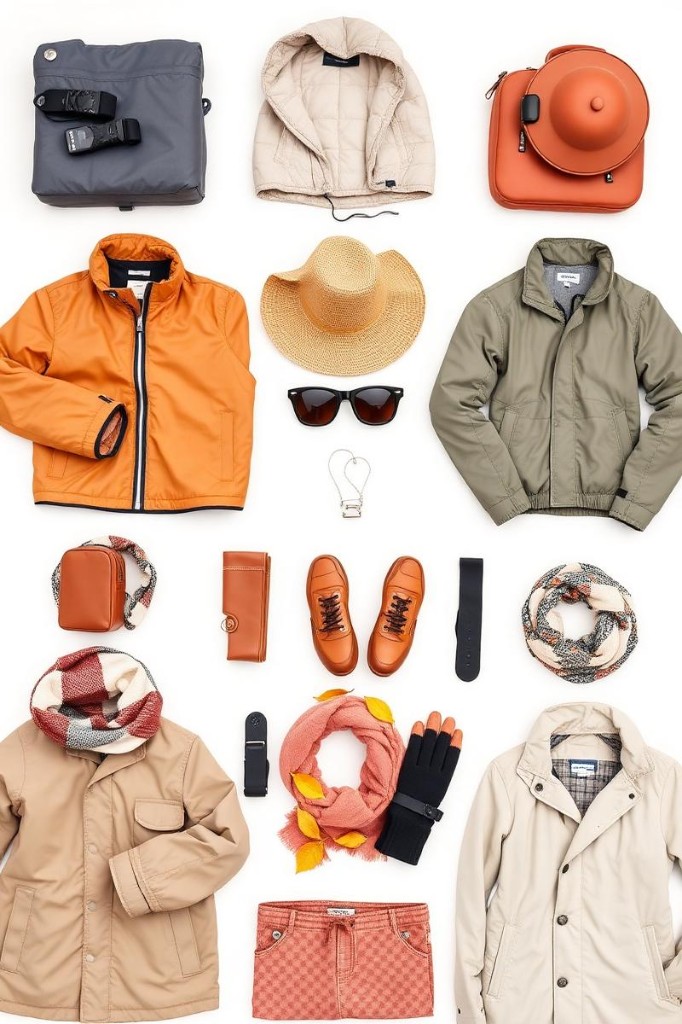
Dry Season (June-September): • Lightweight cotton clothing • Sturdy hiking boots • Lightweight jacket for cool evenings • Enhanced sun protection

Wet Season (October-May): • Breathable waterproof clothing • Waterproof high-top boots • Multiple changes of clothes • Full mosquito protection • Waterproof bags for equipment
Travel clothing and gear by season

💰 Seasonal budget

PeriodLodge/night (€)Guide/day (€)Meals/day (€)Activities (€)Traffic
Dry Season120-18080-12045-6550-150⭐⭐⭐⭐
Wet Season80-13060-9035-5040-100⭐⭐
Transitions100-15070-10040-5545-120⭐⭐⭐

💡 Money-saving tips

• Advance booking for best lodge rates • Groups of 4-6 people reduce guide costs • Full board is often more economical • Combined activities are more advantageous • Basic equipment provided by lodges

🏥 Health and precautions

• Yellow fever vaccination mandatory • Antimalarial treatment recommended • Enhanced mosquito protection • Complete first aid kit • Constant hydration in humid climate • High-top shoes against bites • Medical evacuation insurance

Natural Events

Calendar of remarkable natural phenomena in Lopé

Lopé offers seasonal natural spectacles that enrich the ecotourism experience and reveal the cycles of equatorial wildlife.

Forest Elephant Migration (July-August)

Exceptional concentration of forest elephants in the clearings of Lopé during the dry season. A unique phenomenon for observing these discreet giants in family groups.

Location: Central clearings of the national park

Special feature: The only place in Gabon to easily observe forest elephants

Impact: Peak season, reservations essential 3 months in advance

Access: Specialized guides mandatory, early morning departures recommended

Flowering of Giant Trees (March-April)

Exceptional botanical spectacle with the simultaneous flowering of giant forest species, creating a colorful carpet on the ground and attracting specific wildlife.

Location: Primary forest, botanical trails

Special feature: Rare synchronized phenomenon in equatorial forest

Impact: Prime period for botanists and nature photographers

Access: Specialized trails with local botanical guides

Migratory Bird Nesting (November-January)

Massive arrival of Palearctic migratory species temporarily enriching the already exceptional avian biodiversity of Lopé.

Location: Forest-savanna edges, wetlands

Special feature: More than 100 additional migratory species

Impact: Paradise for birdwatchers, activity increased at dawn

Access: Specialized blinds, ornithological guides recommended

Seasonal events

Dry Season: • Wildlife concentration at water points (June-September) • Primate reproduction (July-August) • Increased nocturnal activity (August-September)

Wet Season: • Massive insect hatching (October-November) • Territorial bird songs (December-February) • Explosive plant growth (March-May)

Responsible Ecotourism

Lopé represents a jewel of biodiversity where your visit contributes directly to conservation and the development of local communities.

Ecotourism in Lopé funds the protection of 5000 km² / 1930 sq mi of equatorial forest and employs local populations as guides and guardians. Your presence raises awareness of conservation while generating sustainable income for the Baka and Bantu communities.

🌱 Low-season advantages

Visiting in the wet season reduces tourist pressure, offers more accessible rates, and allows for a more intimate experience with nature while supporting the local economy during off-peak periods.

♻️ Sustainable travel tips

• Respect safety distances with wildlife • Use certified local guides • Consume local products at the lodge • Minimize plastic waste • Follow marked trails only • Support community crafts • Offset travel carbon footprint

🏙️ Local sustainable initiatives

The park develops community programs: local eco-guide training, sustainable beekeeping, traditional Baka crafts, respectful peripheral agriculture, participatory anti-poaching surveillance, environmental school awareness.

Our Recommendations

Recommendations for your nature expedition to Lopé

Our climatic analyses and field expertise reveal distinct optimal periods depending on your naturalist objectives. The dry season favors wildlife observation while the wet season reveals botanical richness. Your choice will depend on your interests, your level of adventure, and your available budget.

Optimal Period: July-August

Advantages:
• Ideal weather conditions for wildlife observation
• Maximum concentration of forest elephants
• Trails passable and secure
• Optimal visibility for photography
• Maximum comfort for camping

Events: Elephant migration, primate reproduction

Limitations: High traffic, advance reservations necessary

Ideal Profile: Wildlife lovers, nature photographers, families

Duration: 5-7 days recommended

Balanced Alternative: December-January

Description: Transition period offering an interesting compromise between accessibility and natural authenticity with the arrival of migratory birds.

Advantages: Moderate rates, maximum ornithological diversity, vegetation still accessible

For whom: Birdwatchers, flexible travelers, intermediate budgets

👥 Tips for your travel style

Family: July-August, comfortable lodge, educational guides, short adapted activities
Budget: Wet season, camping, shared guides, full board
Nature enthusiast: Any season depending on specialty, long stays, specialized guides
Photographer: Dry season for wildlife, wet for landscapes, protective equipment
First time: July-September, all-inclusive lodge, discovery tours

Delicate Periods: March-May

Reasons: Intense rains making trails impassable, reduced visibility, increased discomfort, decreased animal activity

Nuances: Exceptional period for passionate botanists and forest landscape photographers

Villes du même pays

All cities

Frequently Asked Questions

Answers to essential questions for organizing your nature expedition to Lopé according to climatic specifics.

What is the best month to visit Lopé?

July and August offer optimal conditions with a dry climate, wildlife concentrated at water points, and maximum trail accessibility. This period coincides with the migration of forest elephants, a unique phenomenon in Gabon. However, book in advance as demand is high and rates are at their seasonal peak.

How many days should I plan for Lopé?

A stay of 4 to 7 days allows for a complete discovery. Four days are enough for the highlights (elephants, primates, main hikes), while seven days allow for in-depth exploration, bird watching, and nocturnal activities. Nature enthusiasts may consider 10 days for total immersion including participatory scientific research.

What to do in Lopé in case of rain?

Rain reveals a different facet of Lopé: observation of more active amphibians and reptiles, botanical study of plant adaptations, educational sessions at the interpretation center, and privileged moments listening to forest sounds from the covered terraces of the lodges. Local guides excel at interpreting these natural phenomena.

What natural events should not be missed in Lopé?

The concentration of forest elephants (July-August) is the major spectacle, unique to Gabon. The flowering of giant trees (March-April) offers an exceptional botanical festival, while the arrival of migratory birds (November-January) temporarily enriches the avian biodiversity. Each phenomenon requires specialized guides for optimal observation.

What budget should I plan according to the season?

In the dry season (June-September), expect 300-500€/day all-inclusive with comfortable lodge, guides, and activities. The wet season reduces costs by 30% (200-350€/day) with more rustic but authentic conditions. Seasonal transitions offer a balanced compromise (250-400€/day). Add international transport and specialized insurance.