When to visit Maliana? City-Trip Guide

Between the bright dry season and the lush monsoon, Maliana reveals a different face depending on the chosen season.

  • 0.03 M population
  • Tetum, Portuguese, Bunak language
  • 105 days rainy days/year
  • June to September best time to visit
  • 3 to 5 days recommended stay

Weather and climate trends in Maliana

Understanding the tropical seasonal climate of Maliana

Maliana enjoys a tropical monsoon climate, influenced by its location in the Bobonaro district valley, surrounded by mountainous terrain. Two distinct seasons define the year: a clear dry season from May to October and a wet season from November to April. Its equatorial latitude ensures warm temperatures year-round.

  • Central mountainous zone: Moderate temperatures due to altitude, significant rainfall during the wet season
  • Surrounding valleys: Slightly warmer and more humid climate, lush vegetation
  • Plateaus: The driest and most ventilated area, ideal for outdoor activities
MonthMin Temp (°C / °F)Max Temp (°C / °F)Precipitation (mm / in)Sunshine (h/day)Tourist TrafficRecommended Activities
January23 / 7331 / 88200 / 7.94★★☆☆☆Indoor visits, local culture
February23 / 7331 / 88180 / 7.14★★☆☆☆Markets, local gastronomy
March23 / 7331 / 88150 / 5.95★★☆☆☆Gentle hiking, cultural discovery
April23 / 7331 / 8880 / 3.16★★★☆☆Walking, historical site visits
May22 / 7231 / 8830 / 1.27★★★☆☆Hiking, border excursions
June21 / 7030 / 8615 / 0.68★★★★☆All outdoor activities, national holiday
July20 / 6829 / 8410 / 0.48★★★★☆Hiking, nature, villages
August20 / 6830 / 8610 / 0.49★★★★★Outdoor, photography, festivals
September21 / 7031 / 8820 / 0.88★★★★☆Rural discovery, local markets
October22 / 7232 / 9050 / 2.07★★★☆☆Cultural visits, start of green landscapes
November23 / 7332 / 90100 / 3.96★★☆☆☆Culture, gastronomy, covered markets
December24 / 7531 / 88180 / 7.14★★☆☆☆Local festivities, end-of-year atmosphere

The altitude of Maliana (approximately 500m / 1,640ft) creates notable thermal variations with cool mornings and temperate afternoons. Nights can be particularly pleasant, offering a welcome respite from the tropical heat.

The seasons in Maliana

Must-sees according to the weather

In Maliana, every weather condition opens the door to a different experience. Plan your visits intelligently according to the weather to fully enjoy this unique border town of East Timor.

☔ In cloudy or rainy weather

Indoor and sheltered places in Maliana

When tropical showers arrive, Maliana offers several cultural and human refuges to continue exploring the city without getting wet.

  • 🏛️ Maliana Covered Market — Living heart of the city, ideal for discovering local crafts, spices, and fresh products. Duration: 1h-2h. Free. All year round.
  • Nossa Senhora de Fátima Church — Portuguese colonial building in the heart of Maliana, witness to the troubled history of Timor. Duration: 30 min. Free.
  • 🏠 Traditional Uma Lulik houses — Some families welcome visitors to discover Timorese sacred architecture sheltered by their roofs. By local arrangement.
  • 🍽️ Warungs and local restaurants — Ideal for savoring rice, dried fish, and Bobonaro specialties while waiting for the sky to clear. Budget: 2-5 USD/meal.
  • 📚 Maliana Community Center — Meeting space where you can exchange with locals and sometimes attend cultural workshops.

Practical tip: Arrive early at the market for the best finds. Bring cash in local currency (USD used in East Timor).

Tip: Combine the market visit in the morning and the church in the early afternoon for a well-organized rainy day.

☀️ In good weather

Optimal outdoors around Maliana

Under the dry season sun, the surroundings of Maliana reveal themselves in all their mountainous and tropical splendor, inviting exploration and contemplation.

  • ⛰️ Bobonaro Hills — Hiking with panoramic views of the valley and the Indonesian border. Duration: 3h-5h. Best time: early morning (7 am-9 am).
  • 🌊 Nunura River — Swimming and picnicking on the shaded banks. Ideal in the dry season. Free. Afternoon recommended.
  • 🌿 Rural villages of Bobonaro — Excursions on foot or by vehicle to traditional communities. Duration: full day. Best period: June to September.
  • 🌅 Sunset panoramas — The heights around Maliana offer spectacular sunsets between 5:30 pm and 6:30 pm.
  • 🐦 Nature and local wildlife — Observation of endemic Timor birds in nearby forest areas. Best time: dawn.

Best time of day: The golden hour at sunrise (5:30 am-6:30 am) to photograph the valley wrapped in morning mist.

Season tip: Prefer July-August for hiking, avoiding the hottest hours (11 am-3 pm).

🌤️ Versatile for all weather

Flexible sites regardless of the weather

Some places in Maliana can be enjoyed in any weather, offering an authentic experience whether it rains or shines.

  • 🏘️ City center and main streets — Free wandering among street vendors, playing children, and Timorese daily life. Free.
  • Nossa Senhora de Fátima religious site — Accessible in all circumstances, a place of reflection and intercultural meeting.
  • 🛖 Traditional residential neighborhoods — Immersive walk to observe local architecture, on foot in the rain or under the sun.

Weather tip: If it rains, retreat to the covered market then continue to the church. In good weather, continue to the hills for a memorable end of the day.

Example of a typical itinerary: Morning — Maliana market; Mid-day — church and historic neighborhoods; Afternoon — walk to the Nunura River or the Bobonaro hills if weather permits.

💰 Free or economical

Discovering Maliana without breaking the bank

Maliana is a naturally financially accessible destination. Here are the must-sees on a minimal budget.

  • 🌿 Banks of the Nunura River — Swimming, picnicking, and contemplation, totally free.
  • 🏘️ Walk in local neighborhoods — The best way to meet locals and grasp the soul of Maliana. Free.
  • 🌄 Hill viewpoints — Accessible on foot, offering remarkable panoramas at no cost.
  • Nossa Senhora de Fátima Church — Free entry, history and architecture included.

Budget tips: Eat in local warungs (2-4 USD/meal), use local public transport (mikrolet), and buy water and snacks at the market rather than in tourist convenience stores.

Practical Guide

Traveling to Maliana requires preparation adapted to the two-season tropical climate of the Bobonaro region. Whether you arrive in the dry season or during the monsoon, a few essentials will ensure a comfortable stay without unpleasant surprises in this authentic city of East Timor.

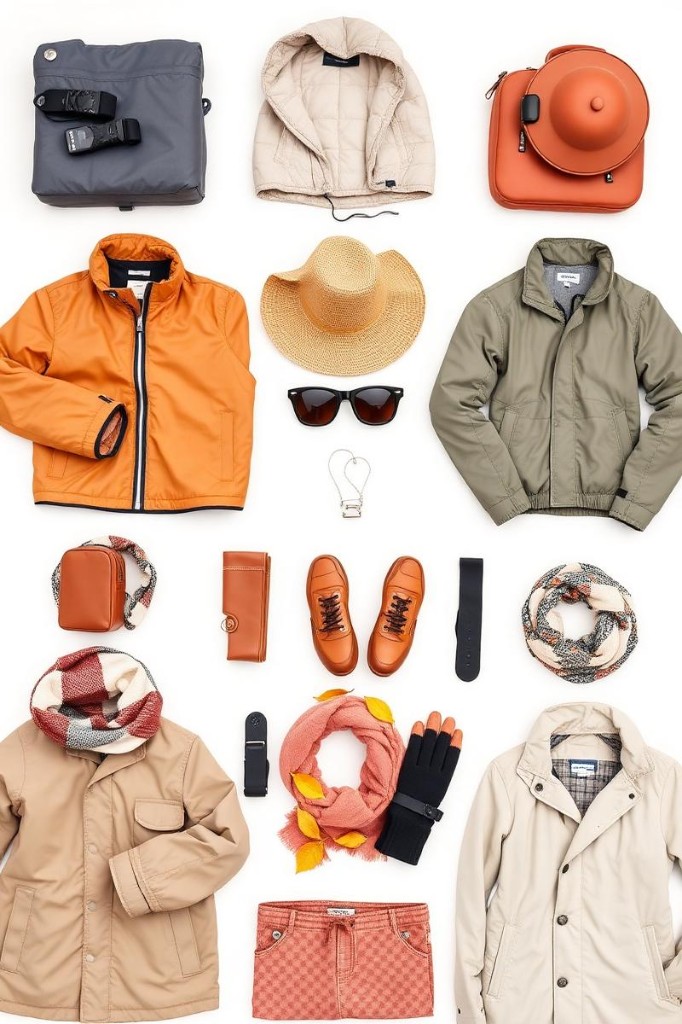
👕 Seasonal packing

Dry season (June-October): • Lightweight cotton or linen clothing • Comfortable walking shoes for alleys and hiking • Wide-brimmed hat and sunglasses • High-SPF sunscreen • Small light jacket for cool June-July nights • Lightweight backpack for excursions

Rainy season (November-May): • Breathable, quick-drying clothing • Lightweight raincoat or compact poncho • Sandals or waterproof shoes • Effective mosquito repellent (dengue is present in the region) • Dry bag to protect your belongings • Light mid-layer for air-conditioned evenings

All year round: • Respectful attire for religious sites (shoulders and knees covered) • Sunscreen and hat are essential • Supply of anti-diarrheal and antiseptic medication

Travel clothing and gear by season

💰 Seasonal budget

PeriodCenter Accommodation (USD/night)Transport (USD/day)Restaurants (USD/day)Attractions (USD)Traffic (stars)
June – August (high season)25 – 505 – 1010 – 205 – 15★★★★★
September – October20 – 405 – 88 – 155 – 10★★★☆☆
November – December15 – 305 – 88 – 123 – 8★★☆☆☆
January – February12 – 255 – 87 – 123 – 8★★☆☆☆
March – May (transition)15 – 355 – 88 – 155 – 10★★★☆☆

💡 Money-saving tips

Eat local: Warungs and street canteens offer full meals for 2 to 4 USD, much cheaper than establishments frequented by expats.

Public transport: The mikrolet (local mini-bus) covers the city and surrounding villages for a few cents, far preferable to renting a vehicle.

Off-peak accommodation: In the rainy season, the few guesthouses in Maliana offer rates cut in half, ideal for tight budgets.

Market shopping: Fruits, water, snacks, and artisanal souvenirs are much cheaper at the covered market than elsewhere.

Group excursions: To visit villages and hills, group up with other travelers to share transport costs.

🏥 Health and precautions

  • Dengue and malaria: Use effective mosquito repellent, especially in the rainy season. Consult a travel doctor before departure.
  • Drinking water: Never drink tap water. Prefer bottled or purified water.
  • Heat: Hydrate abundantly, especially during hikes. Avoid outings between 11 am and 3 pm in the hot season.
  • Limited medical care: Medical infrastructure in Maliana is modest. Bring a complete travel pharmacy and repatriation insurance.
  • Intensive walking: Wear suitable shoes for the sometimes chaotic roads and paths of the city.

Events in Maliana

Calendar of essential events in Maliana and Bobonaro

Local festivals and celebrations are at the heart of Timorese identity. In Maliana, they transform the city and offer travelers a unique and deeply moving cultural immersion.

🎉 Restoration of Independence Day — May 20

May 20 marks the anniversary of East Timor's independence, proclaimed in 2002. In Maliana, this date is celebrated with special pride: parades, traditional dances, official speeches, and popular joy fill the streets. It is one of the most moving and authentic moments to understand the Timorese soul.

Location: Maliana city center, main square, and main streets.

Special feature: Locals wear traditional tais clothing and national flags adorn every house.

Impact and attendance: Strong local animation; book your accommodation at least 3 weeks in advance.

Access: On foot from anywhere in Maliana.

Anticipation tip: Arrive the day before to witness the festive preparations.

🕯️ Santa Cruz Day — Early October

The commemoration of the Santa Cruz massacre, which occurred in November 1991 in Dili, resonates deeply in Maliana, a city scarred by conflict. Moments of reflection, masses, and community gatherings mark this period of collective memory. A moment of great human intensity for travelers sensitive to the country's history.

Location: Nossa Senhora de Fátima Church and memorial sites in Maliana.

Special feature: Sincere reflection and testimonies from survivors are sometimes shared.

Impact and attendance: Moderate attendance but solemn atmosphere; absolute respect required.

Access: On foot from the city center.

Anticipation tip: Wear modest and respectful clothing during these commemorations.

🌾 Harvest Festivals and local celebrations — July to August

In the middle of the dry season, rural communities around Maliana celebrate the harvest with a mix of traditional animist and Catholic ceremonies. Tebe-tebe dances, offerings to ancestral spirits in the uma lulik (sacred houses), and communal feasts punctuate these days of sharing. A rare opportunity to witness preserved rituals.

Location: Rural villages of the Bobonaro district, around Maliana.

Special feature: Unique blend of animist and Catholic traditions specific to East Timor.

Impact and attendance: Very low tourist traffic, authentic experience guaranteed.

Access: Requires a vehicle or a local guide to reach the villages.

Anticipation tip: Ask a local guide in Maliana to introduce you to the village communities.

Seasonal events

Dry season (June-October): • Independence Day (May 20, overlapping the transition) • Harvest festivals in Bobonaro villages (July-August) • Maliana weekly market, especially lively on Saturdays

Rainy season (November-May): • Christmas and New Year (December 25-31) celebrated with fervor in this very Catholic city • Holy Week and Easter (March-April depending on the year), large processions in the streets • Restoration of Independence Day (May 20) at the end of the rainy season

Public holidays to note: November 28 (Proclamation of Independence Day of 1975) leads to the closure of many public services and shops.

Responsible travel in Maliana

Choosing to visit Maliana is already an act of solidary tourism. This little-visited destination in East Timor benefits directly from every responsible traveler, contributing to local economic development without the pitfalls of overtourism.

Maliana is a city where every expense counts for the local community. Favor family guesthouses rather than rare international structures, buy crafts and food at the local market, and respect the cultural and religious codes of this deeply Catholic city rooted in its Timorese traditions.

🌱 Low-season advantages

Traveling to Maliana in the rainy season allows you to support the local economy all year round, enjoy an authentic experience without tourist competition, and reduce your carbon footprint by avoiding peak periods.

♻️ Sustainable travel tips

Local transport: Use mikrolets and local motorcycle taxis rather than renting a polluting 4x4 vehicle.

Local dining: Eat exclusively in local warungs so that your budget directly benefits Timorese families.

Reduced plastic: Bring a filter water bottle; single-use plastic is omnipresent and poorly recycled in the region.

Cultural respect: Always ask for permission before photographing people, ceremonies, or uma lulik (sacred houses).

Local guides: Use local guides for your excursions, a direct way to support Maliana's economy.

Waste: Take back your non-biodegradable waste, as collection infrastructure is limited in the region.

🏙️ Local sustainable initiatives

Several NGOs and community organizations are active in Maliana and the Bobonaro district, working for education, cultural preservation, and sustainable development. Some offer traditional craft workshops (tais weaving) open to visitors, allowing a direct contribution to the income of local female artisans.

Our recommendations

Recommendations for your trip to Maliana according to your profile

After analyzing the climate, local events, and tourist traffic of Maliana, the dry season from June to September stands out as the optimal period for the vast majority of travelers. Mild weather conditions, generous light, and the animation of local markets and festivals create an ideal setting. However, adventurous travelers in search of absolute authenticity will find the rainy season an incomparable human experience at very affordable rates. Each time of year offers a different and sincere facet of this endearing border town.

Optimal period: June to September ☀️

Recommended months: June, July, August, September

  • Dry and sunny weather, ideal for hiking and outdoor explorations
  • Pleasant temperatures, especially in July-August (20-30°C / 68-86°F)
  • Lively and colorful local markets
  • Harvest festivals and traditional ceremonies accessible (July-August)
  • Easy access to surrounding villages and rural sites

Key events: Bobonaro harvest festivals (July-August), Maliana market every Saturday.

Disadvantages: Accommodations (few in number) are in higher demand during high season; cool nights in June-July.

Ideal profile: First-time visitors, hikers, lovers of Timorese culture, photographers.

Recommended duration: 3 to 5 days.

Interesting alternative: April to May 🌤️

Alternative months: April, May

The end of the rainy season gives way to lush nature and progressively favorable climatic conditions. May 20, Restoration of Independence Day, is an exceptional event not to be missed for anyone wishing to understand the Timorese soul. Prices remain attractive and traffic is still moderate.

Specific advantages: Lush nature, affordable prices, unique national celebrations, fewer tourists.

For whom: Travelers curious about history, fans of authentic local festivals, average budgets.

👥 Tips for your travel style

First trip: Arrive in July-August, stay in Maliana city center, go on an excursion to Bobonaro with a local guide. Accommodation: central guesthouse.

Tight budget: Opt for the transition (April-May or October), local warungs, mikrolets, and free walks. Count on 20-30 USD/day all-inclusive.

Culture and history: Plan your visit around May 20 (Independence Day) or the October commemorations. Meet local guides to access testimonies of recent history.

Adventure and nature: July-August for hiking in the Bobonaro hills and excursions to the Indonesian border. Plan for an experienced local guide.

Weekend or short stay: 3 days are enough for the essentials: market, city center, half a day to the hills. Ideally from Dili by car (3h).

Periods to approach with caution: December to February 🌧️

Months not recommended for a first visit: December, January, February

Reasons: Very intense rainfall (150-200 mm / 5.9-7.9 in per month), secondary roads often impassable or cut off, risks of local flooding, outdoor activities strongly limited, access to rural villages difficult.

Nuances: Travelers looking for absolute authenticity and comfortable with the unexpected will appreciate the unique atmosphere of Maliana during the monsoon. Christmas and New Year festivities are celebrated with fervor and offer a striking cultural experience.

Villes du même pays

All cities

Frequently Asked Questions

All the answers to essential questions to plan your trip to Maliana with peace of mind, according to your desires and budget.

What is the best month to visit Maliana?

July or August is the best time to visit Maliana. The dry season is in full swing: rainfall is almost zero (10 mm / 0.4 in per month), temperatures hover between 20 and 30°C (68-86°F), and the light is optimal for exploring the city and its surroundings. It is also the period when harvest festivals enliven the surrounding villages, offering a rare cultural immersion. If you wish to attend the Independence Day, plan your arrival around May 20.

How many days should I plan to visit Maliana?

Count on 3 to 5 days to fully enjoy Maliana and its surroundings. A first day is enough to explore the city center, the covered market, and the church. On the second day, take an excursion to the hills of Bobonaro or the rural villages. On the third day, relax on the banks of the Nunura River or extend your cultural explorations. If you want to immerse yourself in traditional ceremonies and discover more remote villages, plan up to 5 days with a local guide.

What to do in Maliana when it rains?

Rain should not discourage you in Maliana! The covered market is the ideal refuge: colors, smells, encounters, and local products make this visit a memorable moment even in heavy rain. The Nossa Senhora de Fátima Church offers a haven of peace and a moving architectural testimony. Local warungs are perfect for savoring a Timorese meal while watching the tropical rain. Note that showers are often intense but brief, especially at the beginning of the rainy season — patience is often rewarded.

What events should not be missed in Maliana?

The absolute must-see event is the Restoration of Independence Day on May 20: parades, tais dances, popular joy, and national pride make it an unforgettable human experience. In July and August, the harvest festivals in the Bobonaro villages offer rare access to mixed Timorese animist and Catholic traditions. The October commemorations related to the Santa Cruz massacre are poignant moments of reflection. Finally, the Maliana market every Saturday is a weekly event not to be missed.

What budget should I plan for Maliana depending on the season?

Maliana is a very financially accessible destination. In high season (July-August), expect about 40 to 70 USD per day all-inclusive (guesthouse accommodation: 25-50 USD, local meals: 8-15 USD, transport: 5-10 USD). In low season (December-February), the budget drops to 25-40 USD per day, as accommodations offer very attractive rates. Activities are almost free (hiking, market, walks), making Maliana one of the most affordable destinations in all of Southeast Asia.