When to visit Maseru? City-Trip Guide

Discover the capital of Lesotho by season for an authentic urban experience at high altitude.

  • 0.3 M population
  • Sesotho, English language
  • 85 days rainy days/year
  • October to April best time to visit
  • 2 to 4 days recommended stay

Climate and weather in Maseru

Understanding Maseru's temperate high-altitude climate

Maseru enjoys a temperate semi-arid high-altitude climate at 1,600 meters (5,249 feet). The altitude moderates temperatures year-round, creating pleasant conditions for exploring this peaceful capital with its distinct South African influences.

  • City Center: Urban area with a moderate heat island effect
  • Mountainous Periphery: Cooler temperatures and slightly higher precipitation
  • Caledon River Valley: Milder microclimate on the city outskirts
MonthMin/Max (°C / °F)Precipitation (mm / in)Sunshine (h/day)Tourist TrafficRecommended Activities
January15/28°C / 59/82°F95 / 3.78★★★Markets, museums, urban walks
February15/27°C / 59/81°F85 / 3.38★★★Festivals, local crafts
March13/25°C / 55/77°F75 / 3.07★★★Peri-urban hiking
April9/22°C / 48/72°F45 / 1.87★★★Photography, architecture
May5/19°C / 41/66°F25 / 1.07★★Museums, cultural centers
June1/16°C / 34/61°F15 / 0.66★★Local life, covered markets
July1/16°C / 34/61°F10 / 0.47★★Crafts, gastronomy
August3/19°C / 37/66°F15 / 0.67★★Cultural discovery
September7/22°C / 45/72°F25 / 1.07★★★Walks, historical sites
October10/24°C / 50/75°F45 / 1.88★★★Excursions, panoramas
November12/26°C / 54/79°F65 / 2.68★★★Festivals, events
December14/27°C / 57/81°F85 / 3.38★★★Celebrations, festive markets

Maseru's altitude of 1,600 meters (5,249 feet) creates significant thermal variations between day and night (up to 15°C / 27°F difference). Mornings are cool even in summer, while winters can experience occasional nighttime frost.

Seasons in Maseru

Attractions by Weather

Maseru offers varied experiences depending on weather conditions, optimizing your discovery of this unique capital between tradition and modernity.

☔ In cloudy/rainy weather

Indoor & sheltered

Covered cultural spaces reveal the richness of Basotho heritage on rainy days.

Must-see sites:
🏛️ Lesotho National Museum - 2h - €15 - All year
🎨 Morija Art Gallery - 1h30 - €8 - Permanent collections
🏪 Basotho Hat Craft Centre - 1h - Free - Traditional crafts
📚 Alliance Française - 1h - Free - Temporary exhibitions
🛍️ Pioneer Mall - 2h - Free - Shopping and dining
⛪ Cathedral of Our Lady of Victories - 45min - Free - Remarkable architecture

Practical tip: Booking recommended for the national museum, cultural pass available for €25

Additional tip: Logical city center sequence in one day, shared taxi transport between sites

☀️ In good weather

Optimal outdoor

The high-altitude sun reveals the exceptional panoramas and colonial architecture of Maseru.

Outdoor sites:
🏔️ Thaba-Bosiu (royal plateau) - 3h - €20 - Major historical site
🌉 Bridge over the Caledon - 1h - Free - Picturesque border
🏛️ Royal Palace - 1h - €10 - Modern architecture
🌳 Lancers Gap - 2h - Free - Panoramic viewpoint
🏪 Central Market - 2h - Free - Authentic atmosphere
🚶 Colonial City Center - 3h - Free - Historical architecture

Best time of day: Sunrise at Lancers Gap (6:30 AM), golden hour at the Royal Palace (5-6 PM)

Season tip: Optimal September-November and March-May, avoid 12 PM-3 PM in summer

🌤️ Versatile for all weather

Flexible

Adaptable sites combining covered spaces and outdoor discoveries depending on conditions.

Combined sites:
🏪 Maseru Mall complex + terraces - Modulable indoor/outdoor
🍽️ Restaurants with covered terraces - Guaranteed local atmosphere
🎭 Morija Cultural Center - Indoor/gardens depending on weather

Weather tip: Reliable local weather apps, real-time itinerary adaptation

Example itinerary: Morning museum (rain safety) → covered terrace lunch → afternoon outdoor sites if sunny

💰 Free or economical

No cost

Free discoveries:
🚶 Walks in colonial neighborhoods - British architecture
🏪 Central Market - Total cultural immersion
🌉 Caledon riverbank walks - Urban nature
📸 Panoramic viewpoints - Memorable photos

Free days: National museum free on the first Sunday of the month

Budget tips: Shared taxi transport (€2/trip), local street food, homestay accommodation

Practical Guide

Essential tips to optimize your stay in Maseru based on high-altitude climate variations and the specifics of this peaceful capital with South African influences.

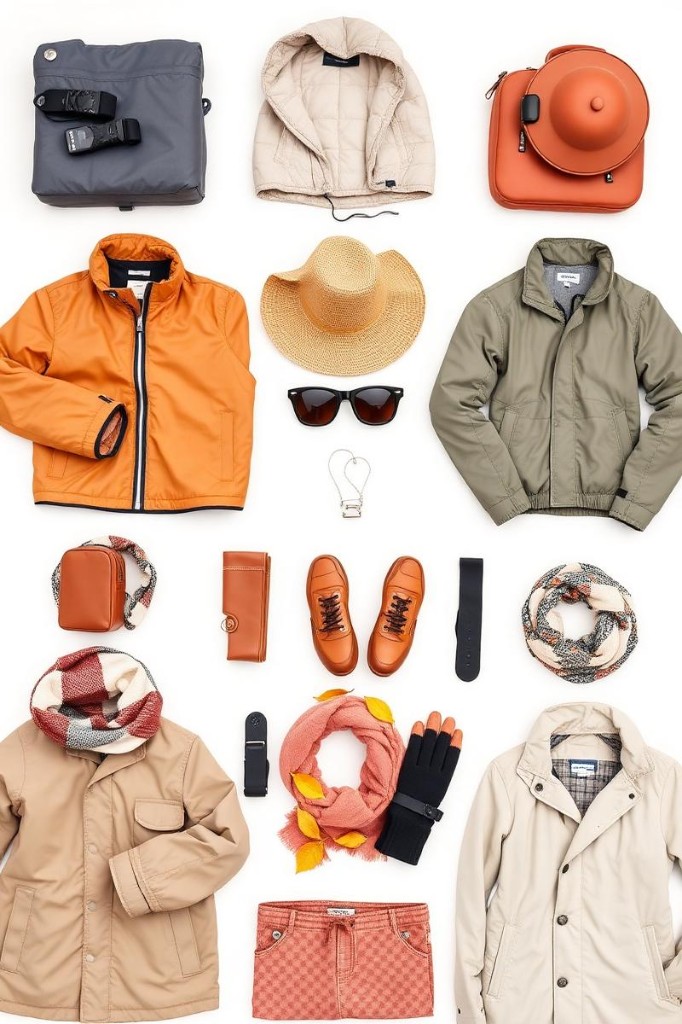
👕 Seasonal packing

Summer (Dec-Feb): • Waterproof shoes for storms • Light jacket for evenings • Compact umbrella • High-protection sunscreen

Autumn (Mar-May): • Layerable clothing for thermal variations • Comfortable walking shoes • Mid-season jacket • Camera (golden light)

Winter (Jun-Aug): • Warm clothing for mornings/evenings • Hat and gloves • Closed shoes • Windbreaker jacket

Spring (Sep-Nov): • Modulable outfit • Light jacket • Versatile shoes • Sun protection
Travel clothing and gear by season

💰 Seasonal budget

PeriodCity Center Accommodation (€/night)Transport (€/day)Restaurants (€/day)Attractions (€)Traffic
Summer (Dec-Feb)45-808-1215-2510-20★★★★
Autumn (Mar-May)35-656-1012-208-15★★★
Winter (Jun-Aug)25-505-810-188-15★★
Spring (Sep-Nov)40-707-1113-2210-18★★★

💡 Money-saving tips

Transport: Shared taxi is economical (€2/trip) vs private taxi (€8-15)
Dining: Local street food (€3-5) vs tourist restaurants (€15-25)
Accommodation: Local guesthouses (-40%) vs city-center hotels
Activities: Many free sites, cultural pass profitable if 3+ museums
Shopping: Central market for authentic crafts, negotiation expected

🏥 Health and precautions

Altitude: Increased hydration (1,600m / 5,249ft), gradual adaptation
Sun: High UV protection (altitude), sunglasses mandatory
Temperature: Significant day/night differences, appropriate clothing
Hygiene: Bottled water recommended, central pharmacies available
Security: Avoid isolated night outings, keep copies of documents

Cultural Events

Calendar of must-see events in Maseru

Cultural events punctuate life in Maseru, offering an authentic immersion into Basotho culture and transforming the urban atmosphere.

🎭 Morija Arts & Cultural Festival (September-October)

The largest cultural event in Lesotho transforms Maseru into an artistic capital with concerts, exhibitions, and traditional performances. The urban atmosphere becomes festive with stages throughout the city.

Location: City center and historical sites

Specialty: Unique fusion of Basotho traditions and contemporary arts

Climate impact: Ideal spring weather, maximum attendance, bookings essential 2 months in advance

Transport access: Special shuttles from the airport, reinforced shared taxis

Planning tip: Accommodation fills up quickly; consider Bloemfontein (50km / 31mi) as an alternative

🏔️ Independence Day (October 4)

Major national celebration with military parades, traditional dances, and official speeches. The city is decorated in national colors, and the patriotic atmosphere is striking.

Location: National stadium and main avenues

Specialty: Massive population participation in traditional attire

Climate impact: Perfect spring weather, guaranteed sunny day, large crowds

Transport access: Pedestrianized city center, peripheral parking

Planning tip: Arrive early for seats, respect official protocol

🎵 Famo Music Festival (December)

A traditional famo music festival unique to Lesotho, featuring open-air concerts and improvised sessions in the neighborhoods. The southern summer amplifies the friendly atmosphere.

Location: Urban parks and public squares

Specialty: Music played with accordions and traditional drums

Climate impact: Hot summer, evening thunderstorms possible, relaxed atmosphere

Transport access: Multiple sites, walking between venues recommended

Planning tip: Holiday period, high accommodation prices

Seasonal events

Summer (Dec-Feb): • New Year's celebrations (Jan 1) • Christmas markets (December) • Spontaneous street festivals

Autumn (Mar-May): • Labor Day (May 1) • Harvest festivals (March-April) • Craft exhibitions

Winter (Jun-Aug): • Cultural winter festival (July) • Religious celebrations • Indoor events

Spring (Sep-Nov): • Morija Festival (September-October) • Independence Day (Oct 4) • Spring craft markets

Responsible Tourism

Maseru offers the opportunity for responsible urban tourism that is respectful of Basotho traditions and the fragile mountain environment of this high-altitude capital.

Responsible tourism in Maseru prioritizes local initiatives: craft cooperatives, family restaurants, community guides, and homestays. Preserving Basotho traditions and respecting the mountain ecosystem are priorities.

🌱 Low-season advantages

Visiting Maseru in the low winter season reduces tourist pressure, offers an authentic experience of local life, and supports the economy during off-peak periods with fair prices.

♻️ Sustainable travel tips

Transport: Prefer shared taxis and walking, avoid private vehicles
Accommodation: Local guesthouses and homestays
Dining: Family restaurants, local products, avoid chains
Shopping: Direct-from-producer crafts, women's cooperatives
Guides: Certified community guides, fair compensation
Waste: Plastic reduction, respect urban cleanliness

🏙️ Local sustainable initiatives

Maseru is developing sustainable initiatives: women's craft cooperatives, local guide training programs, colonial architecture preservation, urban community gardens, and solar energy projects in peripheral neighborhoods.

Our Recommendations

Recommendations for your city trip to Maseru

Based on climate analysis and field experience, our recommendations optimize your discovery of Maseru according to your preferences. The 1,600m (5,249ft) altitude and marked seasonal variations strongly influence the urban experience, from summer festivals to intimate winter atmospheres.

🌟 Optimal Period: September to November

Recommended Months: September, October, November

Advantages:
• Ideal weather conditions (7-26°C / 45-79°F)
• Urban blooming and lush landscapes
• Morija Festival and Independence Day
• Exceptional light for photography
• Perfect balance of temperature/sunshine

Key events: Morija Arts & Cultural Festival, Independence Day (Oct 4)

Disadvantages: Increasing crowds in October, rising accommodation prices during festival periods

Ideal profile: First trip, photographers, culture lovers, complete city trip

Stay duration: 3-4 days recommended

🌿 Interesting Alternative: March to May

Alternative months: March, April, May

Description: The southern autumn offers excellent conditions with fewer crowds and attractive rates, perfect for an authentic discovery.

Specific advantages: Pleasant temperatures, golden light, accessible prices, maximum authenticity, few tourists

For whom: Budget travelers, photographers, couples, tranquility seekers

👥 Tips for your travel style

Family: October-November, guesthouse accommodation, shared taxi transport, museum + park activities
Budget: March-May or June-August, local accommodation, street food, free sites, public transport
Culture: September-October (festivals), local guides, museums, crafts, meeting locals
Romantic: March-April, panoramic viewpoints, terrace restaurants, charming accommodation
Weekend: All year except winter, walkable city center, concentrated main sites
First trip: September-November, tour guide, must-see sites, enhanced security

❄️ Periods to avoid: June to August

Months not recommended: June, July, August

Reasons: Very cold temperatures (1-16°C / 34-61°F), freezing nights, short days, some outdoor activities limited

Nuances: Ideal for tight budgets, indoor culture lovers, authentic local experience

Villes du même pays

All cities

Frequently Asked Questions

Answers to essential questions to plan your city trip to Maseru based on the climate and local specifics.

What is the best month to visit Maseru?

October is optimal with perfect temperatures (10-24°C / 50-75°F), the Independence Day celebration, and a festive atmosphere. September and November offer excellent alternatives with fewer crowds. Autumn (March-May) is a balanced period for tight budgets, while summer (December-February) suits festival lovers but with more rain.

How many days should I plan for Maseru?

2-3 days minimum for essential sites: National Museum, Central Market, Thaba-Bosiu, and the colonial center. 4-5 days allow for peripheral excursions and deep cultural immersion. A weekend is enough for a first discovery, while a week provides time to participate in festivals and meet local communities.

What to do in Maseru if it rains?

Museums and cultural centers are perfect: Lesotho National Museum, Morija Gallery, Basotho Hat Centre. Shopping malls like Pioneer Mall offer shopping and dining. Traditional restaurants allow you to discover Basotho gastronomy. The Alliance Française often offers indoor exhibitions and cultural events.

What events should not be missed in Maseru?

The Morija Arts & Cultural Festival (September-October) is the major event with concerts and exhibitions. Independence Day (October 4) offers parades and national celebrations. The Famo Music Festival (December) showcases unique traditional music. Seasonal markets and neighborhood festivals enrich the experience depending on the time of year.

What budget should I plan for according to the season?

High season (September-November): €60-100/day all-inclusive. Mid-season (March-May, December-February): €45-75/day. Low season (June-August): €35-60/day. Accommodation €25-80/night depending on standard and season. Local transport €5-12/day. Dining €10-25/day depending on choices. Tight budget possible with guesthouses and street food (€30/day).