When to visit Montpellier? City-Trip Guide

Discover the Languedoc capital and its privileged Mediterranean climate, between mild winters and lively summer festivals.

  • 0.3 M population
  • French language
  • 65 days rainy days/year
  • from April to June and from September to October best time to visit
  • 2 to 4 days recommended stay

Climate and weather in Montpellier

Understanding the Mediterranean climate of Montpellier

Montpellier enjoys a typical Mediterranean climate with hot, dry summers and mild, humid winters. Its proximity to the Mediterranean Sea (10 km / 6.2 miles) tempers extremes, while the urban heat island effect slightly accentuates summer temperatures in the historic center.

  • Historic center: Slightly warmer in summer due to the urban heat island effect
  • Peripheral neighborhoods: More moderate temperatures, better ventilated
  • Coastal proximity: Refreshing maritime influence in summer
MonthMin Temp (°C / °F)Max Temp (°C / °F)Precipitation (mm / in)Sunshine (h/day)Tourist TrafficRecommended Activities
January3 / 3712 / 5458 / 2.34Museums, shopping
February4 / 3914 / 5745 / 1.85Heritage, gastronomy
March7 / 4517 / 6342 / 1.76⭐⭐Urban walks
April9 / 4820 / 6852 / 2.07⭐⭐⭐Terraces, parks
May13 / 5524 / 7545 / 1.88⭐⭐⭐Festivals, outdoor
June17 / 6328 / 8225 / 1.09⭐⭐⭐⭐Beach, events
July20 / 6831 / 8815 / 0.610⭐⭐⭐⭐⭐Summer festivals
August20 / 6831 / 8835 / 1.49⭐⭐⭐⭐⭐Beach, nightlife
September16 / 6126 / 7965 / 2.67⭐⭐⭐⭐Cultural season start
October12 / 5421 / 7085 / 3.35⭐⭐⭐Heritage, markets
November7 / 4516 / 6168 / 2.74⭐⭐Museums, theaters
December4 / 3913 / 5552 / 2.04⭐⭐Christmas markets

The modest altitude of Montpellier (27m / 89ft) does not significantly influence the climate, though surrounding hills can create local microclimates.

The seasons in Montpellier

Must-sees according to the weather

Optimize your stay in Montpellier by adapting your visits to weather conditions to fully enjoy the urban treasures in any season.

☔ In cloudy/rainy weather

Indoor & protected

Rainy days reveal the rich covered heritage of Montpellier, perfect for an in-depth cultural immersion.

Must-see sites:
🏛️ Museum of Old Montpellier (2h, €5, Oct-Mar optimal)
🎨 Fabre Museum (3h, €8, remarkable permanent collections)
🛍️ Polygone and Odysseum (covered shopping, all day)
⛪ Saint-Pierre Cathedral (1h, free, Gothic architecture)
🏛️ Comédie Opera (guided tours, €10)
📚 Émile Zola Media Library (contemporary architecture)
🍷 Downtown wine cellars (tastings, €15-25)

Practical tip: 48h Montpellier Pass including transport and museums

Additional tip: Combine Fabre Museum and historic center via covered galleries
☀️ In good weather

Optimal outdoors

The Mediterranean sun enhances Montpellier's outdoor spaces, revealing the full beauty of the architecture and gardens.

Must-see sites:
🌳 Promenade du Peyrou (2h, free, magnificent sunset)
🚋 Tram ride to the beaches (day trip, €4)
🏛️ Place de la Comédie and Esplanade (1h, beating heart)
🌺 Botanical Garden (2h, free, oldest botanical garden)
🏛️ Arc de Triomphe and Water Tower (1h, panorama)
🚶 Bofill's Antigone district (2h, unique architecture)
🌊 Port Marianne and new districts (3h, modern)

Best time of day: Sunrise at Peyrou, golden hour at Place de la Comédie

Seasonal tip: April-June and September-October to avoid summer heatwaves

🌤️ Versatile for any weather

Flexible

These sites combine covered and outdoor spaces, adapting perfectly to the typical Mediterranean weather changes.

Must-see sites:
🏬 Paillade Market Hall and covered markets
🎭 Saint-Roch district (galleries + pedestrian streets)
🏛️ Faculty of Medicine (courtyard + exterior)
🌿 Magnol Park (greenhouses + outdoor gardens)
🛍️ Historic center pedestrian streets (covered passages)

Weather tip: Start outdoors if the weather is nice, retreat to the markets if it rains

Example itinerary: Arceaux market in the morning, historic center in the afternoon with museum retreat if necessary

💰 Free or budget-friendly

No cost

Free sites:
🌳 All public parks and gardens
🏛️ Place de la Comédie and Esplanade
🚶 Historic district and medieval alleys
⛪ Churches and religious monuments
🎨 Independent art galleries

Free days: First Sunday of the month at the Fabre Museum (Oct-Mar)

Budget tips: Free panoramas from the Peyrou, colorful markets, lively student district

Practical Guide

Prepare your city trip to Montpellier by adapting your gear and budget to the Mediterranean climate specifics and the urban rhythm of this dynamic student destination.

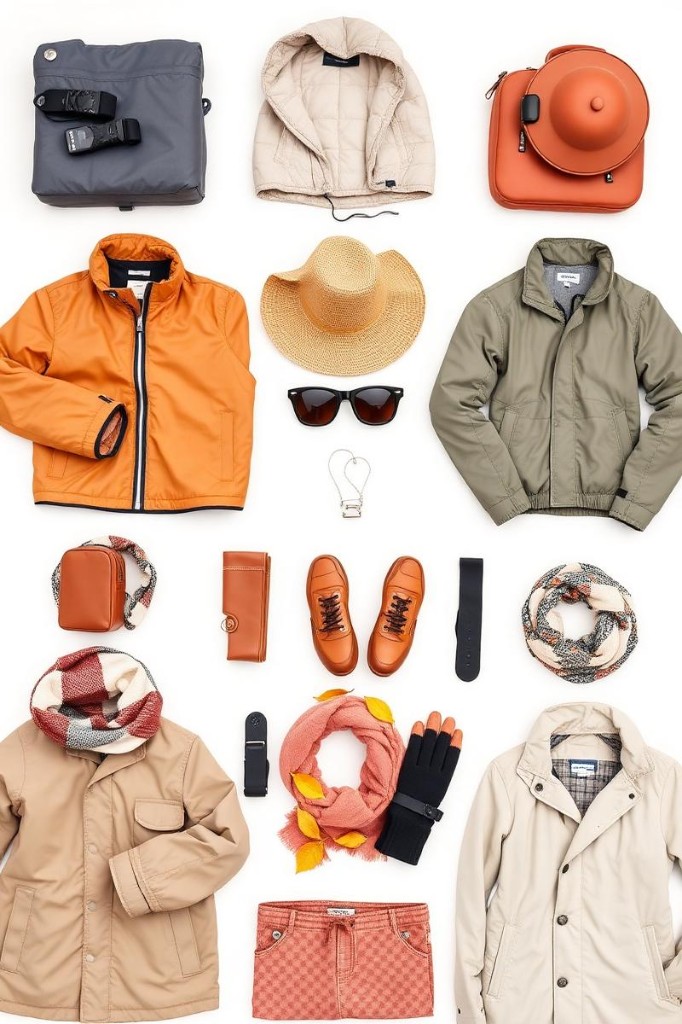
👕 Seasonal packing

Spring: • Comfortable walking shoes • Lightweight waterproof jacket • Sunglasses • Compact backpack
Summer: • Lightweight, breathable clothing • Hat and sunscreen • Reusable water bottle • Evening outfit for festivals
Autumn: • Layerable clothing • Compact umbrella • Waterproof shoes • Windbreaker jacket
Winter: • Warm but not excessive coat • Scarf for the Mistral wind • Non-slip shoes • Clothing for heated interiors
Travel clothing and gear by season

💰 Seasonal budget

PeriodCenter Accommodation (€/night)Transport (€/day)Restaurants (€/day)Attractions (€)Traffic
Winter (Dec-Feb)45-70425-4015-25
Spring (Mar-May)60-95430-5020-35⭐⭐⭐
Summer (Jun-Aug)80-150435-6025-40⭐⭐⭐⭐⭐
Autumn (Sep-Nov)55-85428-4518-30⭐⭐⭐

💡 Money-saving tips

• TaM 72h Pass (unlimited transport) is very cost-effective for exploring the metropolitan area • Student restaurants in the center offer affordable menus for lunch and dinner • Beaux-Arts and Figuerolles neighborhoods offer cheaper alternative accommodation • Numerous free events at Place de la Comédie and the Esplanade • Citymapper app is essential for optimizing travel

🏥 Health and precautions

• Increased hydration in summer due to high urban temperatures • Beware of spring allergies (plane trees are very common) • 24/7 on-call pharmacies near the train station • Sun protection is essential even outside of summer • Intensive walking is facilitated by the compact city center • Vigilance during autumn heavy rain episodes (Cevenol events)

Urban Events

Calendar of must-see events in Montpellier

Montpellier vibrates to the rhythm of an exceptional cultural program that transforms the urban atmosphere and attracts visitors from all over the world.

Radio France Festival (July)

The largest classical music festival in France turns Montpellier into a global musical capital for three weeks. Free and paid concerts are held in all the city's iconic venues.

Location: Opera, Corum, public squares, historic churches

Special feature: Over 150 concerts, many free and outdoors

Climate impact: High attendance, accommodation bookings essential 6 months in advance, expanded pedestrian city center

Transport access: Tram lines 1, 2, 3, 4 converge on the center; park-and-ride recommended

Planning tip: Book accommodation from February, consider peripheral rentals

Printemps des Comédiens (June)

An international theater festival that takes over the entire city with performances in exceptional heritage sites and bold contemporary creations.

Location: Historic theaters, courtyards, public gardens

Special feature: Eclectic program mixing classical and avant-garde

Climate impact: Start of the high tourist season, crowded terraces, festive night atmosphere

Transport access: Center accessible on foot, Vélomagg self-service bikes are very convenient

Planning tip: Ticket office opens in March, festival pass is cost-effective from 3 shows onwards

FISE (International Festival of Extreme Sports - May)

A global gathering for urban sports that transforms the Esplanade into a giant playground with international competitions and spectacular demonstrations.

Location: Esplanade Charles-de-Gaulle, banks of the Lez river

Special feature: The only free extreme sports festival in Europe

Climate impact: Ascension weekend, influx of young Europeans, avoid wild camping

Transport access: Tram line 1 directly, avoid driving as the city center is congested

Planning tip: Peripheral accommodation recommended, very young and festive atmosphere

Seasonal events

Spring: • Mediterranean International Film Festival (October-November) • Flower Market (April-May) • Night of Museums (May)
Summer: • Les Estivales (free concerts July-August) • Festival des Architectures Vives (June) • Montpellier Danse (June-July)
Autumn: • University cultural season start (September) • Documentary Film Festival (November) • Christmas Market (December)
Winter: • Giant King Cake celebrations (January) • Arabesques Festival (March) • Student Carnival (February)

Responsible City-Trip

Montpellier, a pioneer city in sustainable mobility, facilitates environmentally and inhabitant-friendly urban tourism thanks to its exemplary infrastructure.

The Hérault capital focuses on eco-mobility with its extensive tram network, 300 km / 186 miles of bike paths, and urban greening initiatives. Prioritize local shops in the historic center over peripheral retail chains.

🌱 Low-season advantages

Visiting Montpellier outside of July-August allows you to discover the student authenticity, reduce pressure on public transport, benefit from attractive rates, and limit the environmental impact of summer over-tourism.

♻️ Sustainable travel tips

• Use exclusively the tram and Vélomagg (self-service bikes) for all travel • Frequent the organic markets of Les Arceaux and Plan Cabanes • Choose eco-labeled accommodation in the Antigone district • Favor a reusable water bottle (numerous public fountains) • Explore the compact historic center on foot • Participate in alternative tours offered by the tourist office

🏙️ Local sustainable initiatives

Montpellier develops innovative solutions: 100% renewable energy tramway, massive greening (1000 trees planted/year), generalized urban composting, expanded pedestrian zones, weekly organic markets, Cit'ergie label for energy transition.

Our Recommendations

Expert recommendations for your city trip to Montpellier

After analyzing climate data, tourist traffic, and the event calendar, here are our personalized tips to optimize your Montpellier discovery according to your profile and expectations, taking into account Mediterranean specifics and the unique student atmosphere.

Optimal Period

Months: April-May and September-October

Advantages:
• Ideal temperatures 20-25°C / 68-77°F for urban walking
• Generous sunshine without heatwaves
• Pleasant terraces and outdoor life
• Reasonable accommodation rates
• Dynamic student atmosphere in spring

Key events: FISE in May, accessible Radio France Festival, cultural season start in September

Disadvantages: Some spring showers possible, increasing crowds in May

Ideal profile: First-time visitors, families, culture and heritage enthusiasts

Stay duration: 3-4 days recommended

Interesting Alternative

Months: March and November

Description: Transition periods offering an excellent compromise between bearable climate, attractive prices, and authentic discovery of the student city.

Specific advantages: Very few tourists, minimum accommodation prices, authentic local life, accessible museums

For whom: Independent travelers, tight budgets, urban photography enthusiasts, seniors

👥 Tips for your travel style

Family: Antigone + beach tram, April-May optimal, Beaux-Arts family rentals
Budget: March/November, youth hostels, local markets, free bike
Culture: September-October, museum pass, historic district, university events
Romantic: May-June, Peyrou sunset, historic center restaurants, boutique hotels
Weekend: Avoid festivals, compact city center, efficient tram
First trip: April-May, tourist office, guided tours, central Comédie district

Periods to avoid

Months: July-August and December-January

Reasons: Intense urban heat in summer (31°C+ / 88°F+), prohibitive prices in July-August, festival overcrowding, winter sometimes gloomy with the Mistral wind

Nuances: July is acceptable for young party-goers and festival lovers, January is fine for very tight budgets

Villes du même pays

All cities

Frequently Asked Questions

Answers to essential questions to plan your city trip to Montpellier while optimizing for climate and urban discoveries.

What is the best month to visit Montpellier?

May and September offer optimal conditions: pleasant temperatures (20-25°C / 68-77°F), generous sunshine, open terraces, and reasonable prices. May benefits from the spring buzz and the FISE, while September offers Mediterranean mildness and the start of the cultural season. Avoid July-August (heatwaves, high prices, crowds) and favor these transition months, which are perfect for discovering the authenticity of Montpellier.

How many days should I plan for Montpellier?

3 days minimum allow you to discover the essentials: historic center, museums, Peyrou, and a beach excursion. 4-5 days offer a comfortable pace with peripheral neighborhoods, local markets, and cultural events. A weekend is enough for a first approach, but the rich heritage and student atmosphere deserve more. Count an extra day if there is a major festival.

What to do in Montpellier when it rains?

Montpellier reveals its indoor treasures: Fabre Museum (exceptional collections), Gothic Saint-Pierre Cathedral, Polygone shopping malls, gourmet food halls, the historic medical faculty, and downtown wine cellars. The architecture of the Antigone district can also be visited with an umbrella. The covered passages of the historic center and numerous cafes create a cozy atmosphere perfect for gloomy days.

Which events should not be missed in Montpellier?

Must-sees: Radio France Festival (July, free classical music), FISE (May, free extreme sports), Printemps des Comédiens (June, international theater). In autumn: lively university cultural season. Winter: authentic Christmas markets. Spring: Montpellier Danse and Festival des Architectures Vives. Each season brings its specific program to this culturally active city.

What budget should I plan according to the season?

Winter (Dec-Feb): €80-120/day (accommodation €45-70, meals €25-40). Spring/Autumn: €100-150/day (accommodation €55-95, meals €28-50). Summer: €150-250/day (accommodation €80-150, meals €35-60). Add €20-40 for attractions/culture. The tram (€4/day) and free sites (Peyrou, historic center) help optimize costs. City pass is profitable from 2 days onwards.