When to visit Mumbai? City-Trip Guide

A vibrant metropolis of striking contrasts, Mumbai reveals different atmospheres depending on the tropical seasons.

  • 20.4 M population
  • Marathi, Hindi, English language
  • 95 days rainy days/year
  • November to February best time to visit
  • 4 to 6 days recommended stay

Climate and Weather in Mumbai

Understanding Mumbai's tropical monsoon climate

Mumbai enjoys a tropical monsoon climate characterized by three distinct seasons. Located on the west coast of India facing the Arabian Sea, the city is influenced by maritime conditions that moderate temperatures. However, the urban heat island effect intensifies temperatures in the densely populated city center.

MonthMin Temp (°C / °F)Max Temp (°C / °F)Precipitation (mm / in)Sunshine (h/day)Tourist TrafficRecommended Activities
January19°C / 66°F30°C / 86°F3mm / 0.12in9★★★★★Outdoor tours, beaches
February20°C / 68°F31°C / 88°F2mm / 0.08in9★★★★★Festivals, markets
March23°C / 73°F33°C / 91°F3mm / 0.12in8★★★★☆Heritage, museums
April26°C / 79°F35°C / 95°F6mm / 0.24in8★★★☆☆Morning activities
May28°C / 82°F36°C / 97°F18mm / 0.71in7★★☆☆☆Shopping malls, indoor
June27°C / 81°F33°C / 91°F485mm / 19.09in4★☆☆☆☆Museums, galleries
July26°C / 79°F31°C / 88°F840mm / 33.07in3★☆☆☆☆Indoor activities
August26°C / 79°F31°C / 88°F612mm / 24.09in3★☆☆☆☆Theaters, restaurants
September25°C / 77°F32°C / 90°F264mm / 10.39in5★★☆☆☆Short visits
October24°C / 75°F34°C / 93°F64mm / 2.52in7★★★☆☆Festivals, outdoor
November21°C / 70°F33°C / 91°F13mm / 0.51in8★★★★☆All activities
December19°C / 66°F31°C / 88°F3mm / 0.12in9★★★★★Urban exploration

The Seasons

Must-sees by weather

Mumbai offers a multitude of attractions adapted to every weather condition, allowing you to optimize your city stay regardless of the season of your visit.

☔ In overcast/rainy weather

Indoor & sheltered

The monsoon turns Mumbai into a playground for indoor activities, revealing a rich and diverse cultural side of the Indian megalopolis.

Must-see sites:
🏛️ Prince of Wales Museum (2h, 300₹, June-September optimal)
🎨 Jehangir Art Gallery (1h30, free, year-round)
🏢 Palladium/Phoenix shopping malls (3-4h, variable, air-conditioned)
🎭 Prithvi/NCPA theaters (2-3h, 500-2000₹, rich programming)
🍽️ Covered Crawford Market (2h, free, authentic atmosphere)
📚 Asiatic Society Library (1h, 50₹, colonial architecture)
🛍️ Linking Road Shopping (2-3h, variable, covered galleries)

Practical tip: Book online to avoid queues, especially during the monsoon when everyone takes shelter inside.

Extra tip: Combine a museum visit with an air-conditioned mall, then finish with a Bollywood movie for a complete cultural immersion.

☀️ In good weather

Optimal outdoor

The dry and sunny climate reveals all the architectural splendor and spectacular panoramas of Mumbai facing the Arabian Sea.

Must-see sites:
🌊 Marine Drive promenade (2h, free, magical sunset)
🏛️ Gateway of India (1h, free, iconic monument)
🏖️ Juhu/Chowpatty beaches (3-4h, free, local atmosphere)
🏰 Elephanta Caves (half-day, 600₹, UNESCO heritage)
🌳 Hanging Gardens (1h30, free, panoramic view)
🚶 Colonial Fort District (3h, free, British architecture)
🎡 Bandra-Worli Sea Link promenade (1h, toll, aerial view)

Best time of day: Sunrise at 6:30 AM on Marine Drive or sunset at 6:30 PM from Malabar Hill for exceptional golden photos.

Seasonal tip: Prioritize November-February for optimal comfort, avoid April-May when the heat becomes overwhelming from 11:00 AM.

🌤️ Versatile for all weather

Flexible

These sites combine indoor and outdoor spaces, adapting perfectly to Mumbai's unpredictable weather changes.

Must-see sites:
🚂 Victoria Terminus/CST Station (1h, free, architecture + shelter)
🏛️ Taj Mahal Palace complex (2h, free hall access, luxury + terrace)
🍽️ Crawford Market + galleries (2-3h, free, covered/open)
🎪 Dhobi Ghat + walkways (1h30, free, protected observation)
🏪 Colaba Causeway district (3h, variable, shops + street)

Weather tip: Start outside if the weather is nice, retreat to covered areas in case of a sudden downpour.

Example itinerary: Morning CST (indoor) → Taj Palace (terrace if sunny) → Crawford Market (covered if rainy) → Colaba (adapt based on weather).

💰 Free or budget-friendly

No cost

Free sites:
🌊 Marine Drive and Chowpatty Beach
🏛️ Gateway of India and surroundings
🌳 Hanging Gardens
🚶 Fort and Colaba districts (colonial architecture)
🎭 Street performances and local artists

Free days: Some museums offer free entry on Sundays for residents, inquire on-site.

Budget tips: Panoramas from café rooftops, local Dadar/Bandra markets, walks in the residential neighborhoods of Bandra.

Practical Guide

Mumbai requires preparation adapted to tropical climate variations and the specifics of this dense megalopolis. The alternation between air-conditioned spaces and the tropical outdoors, crowded transport, and significant distances require thoughtful equipment for a successful city trip.

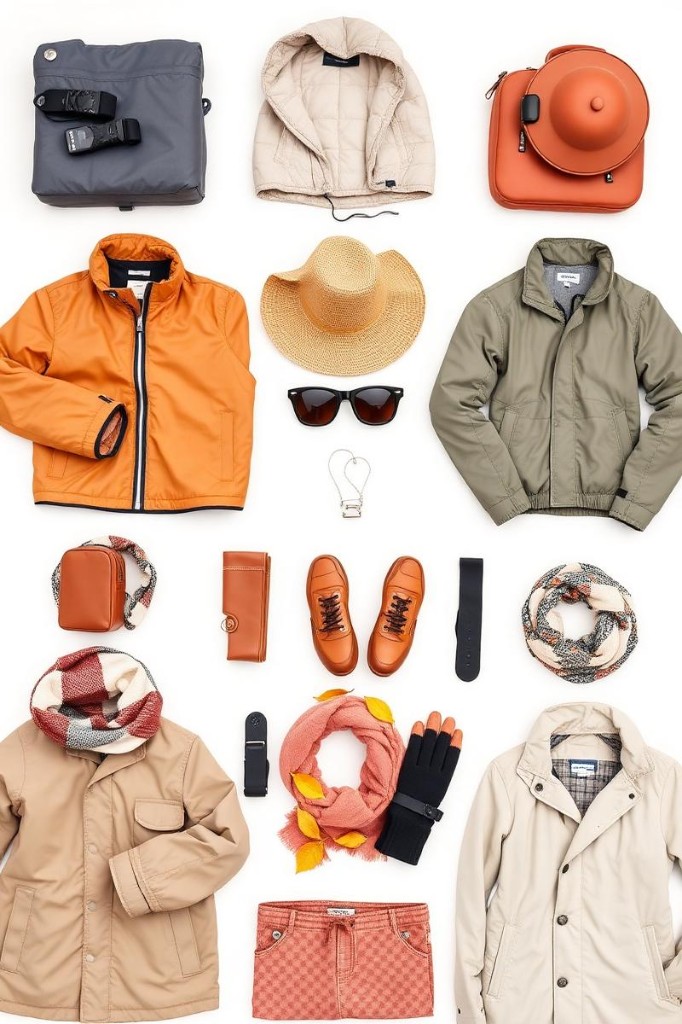
👕 Seasonal packing

Dry Season (Nov-Feb): • Breathable walking shoes • Light jacket for evenings • Hat and sunglasses • Light backpack with water bottle

Hot Season (Mar-May): • Loose cotton clothing • Ventilated closed-toe shoes • Essential cap • Jacket for excessive air conditioning

Monsoon (Jun-Sep): • Light raincoat or poncho • Non-slip waterproof shoes • Plastic bag for electronics • Sturdy compact umbrella

All Seasons: • Clothing covering shoulders/knees for temples • Spare socks • Hand sanitizer
Travel clothing and gear by season

💰 Seasonal budget

PeriodCity Center Accommodation (€/night)Transport (€/day)Restaurants (€/day)Attractions (€)Crowds
Nov-Feb80-2003-815-405-15★★★★★
Mar-Apr60-1503-812-355-15★★★☆☆
May45-1203-810-305-15★★☆☆☆
Jun-Sep35-802-68-253-12★☆☆☆☆
Oct50-1303-812-355-15★★★☆☆

💡 Money-saving tips

Mumbai City Pass: cost-effective if 3+ attractions/day, includes local transport • Lunch restaurants: thalis €2-5 vs dinners €15-30 • Bandra/Andheri accommodation: 30-50% cheaper than the center, well-connected • Free events: street festivals, Prithvi Theatre concerts, gallery exhibitions • Unlimited transport: monthly local train pass €3, daily metro €1.50

🏥 Health and precautions

Pollution: mask recommended during November-January peaks, avoid outdoor jogging • Hydration: 3-4L/day in hot season, bottled water with sealed caps only • Intensive walking: frequent breaks, broken-in shoes, blister prevention • Air conditioning: light jacket for transport/malls • 24h Pharmacies: Apollo, Bombay Hospital, emergency numbers 102/108

Urban Events

Mumbai's essential event calendar

Mumbai vibrates to the rhythm of major cultural events that transform the urban atmosphere and significantly enrich the tourist experience, also influencing crowds and prices.

🎭 Mumbai International Film Festival (January)

Asia's largest film festival turns Mumbai into a global capital of cinema for 8 days. Screenings take place in 15 city cinemas, ranging from Bollywood hits to international independent productions.

Location: Bandra, Juhu, and City Center districts

Highlights: Meetings with Bollywood stars and international directors, exclusive premieres

Climate impact: Ideal dry season, peak crowds, accommodation bookings 2 months in advance necessary, prices +40%

Transport access: Metro Line 1 to Andheri, then taxi/bus to screening venues

Pro tip: Advance tickets available from November, Bandra/Juhu accommodation recommended

🕉️ Ganesh Chaturthi (August-September)

Mumbai's most spectacular Hindu festival featuring giant processions and the immersion of Ganesh statues into the sea. The entire city participates with extraordinary religious and festive fervor.

Location: Citywide, with concentrations at Girgaon Chowpatty, Dadar, and Parel

Highlights: Monumental statues, processions of thousands of people, traditional music and dance

Climate impact: End of monsoon, possible showers, blocked traffic, saturated transport, electric atmosphere

Transport access: Crowded local trains, allow 2x travel time, walking necessary

Pro tip: Avoid travel during the 10 days of the festival, book city center accommodation

🎆 Diwali - Festival of Lights (October-November)

Mumbai lights up with millions of lamps to celebrate the victory of light over darkness. Residential neighborhoods, markets, and monuments compete with sparkling decorations.

Location: Citywide, especially Bandra, Juhu, and Marine Drive

Highlights: Spectacular illuminations, fireworks, night markets, traditional sweets

Climate impact: Beginning of perfect dry season, pleasant temperatures, air quality degraded by fireworks

Transport access: Dense but fluid traffic, metro extended until midnight

Pro tip: Book restaurants in advance, bring an anti-pollution mask for post-festivities

Seasonal events

Dry Season: • Kala Ghoda Arts Festival (February, Fort District, visual arts) • Mumbai Marathon (January, citywide, 42km) • Prithvi Theatre Festival (November, Juhu, international theater)

Hot Season: • Bandra Fair (September-October, Mount Mary Church, Christian pilgrimage) • Gudi Padwa (March-April, Marathi New Year, street decorations)

Monsoon: • Nag Panchami (July-August, temples, snake worship) • Teej Festival (August, monsoon celebration, folk dances)

Public Holidays: Holi, Eid, Good Friday may close shops/museums, plan alternatives

Responsible City-Trip

Mumbai faces the challenges of overtourism and urban pollution. Your choice of timing and travel practices can contribute positively to the balance of this megalopolis of 20 million inhabitants.

In this extreme urban density, prioritizing soft mobility and alternative circuits reduces congestion. Supporting local craftsmanship rather than international chains, respecting residential neighborhoods, and managing waste responsibly contribute to more sustainable urban tourism that respects local communities.

🌱 Low-season advantages

Visiting during the monsoon or hot season significantly reduces the impact on saturated infrastructure, allows for authentic interactions with less solicited locals, and contributes to a more equitable distribution of tourism's economic benefits.

♻️ Sustainable travel tips

Public transport: local trains and metro rather than taxis, Yulu bikes for short distances • Local restaurants: traditional dhabas and thalis vs international chains • Certified accommodation: hotels with water/energy management, family homestays • Plastic reduction: reusable water bottle, cloth bags for markets • Alternative circuits: Khar, Mahim neighborhoods vs ultra-tourist zones • Local guides: direct remuneration for communities

🏙️ Local sustainable initiatives

Mumbai is developing a Yulu shared bike network, expanding pedestrian zones on Sundays, and increasing urban green spaces and community recycling initiatives. Bandra's organic markets and artisan cooperatives support the sustainable local economy.

Our Recommendations

Recommendations for your city trip to Mumbai

After analyzing climate data, tourist traffic, and cultural events, here are our personalized tips to optimize your discovery of Mumbai. The period chosen will drastically influence your experience: climate comfort, budget, urban atmosphere, and accessibility to attractions. Mumbai reveals different facets depending on the tropical seasons.

Optimal Period

Months: December to February

Advantages:
• Ideal climate 19-31°C / 66-88°F, bearable humidity
• Clear skies perfect for photos and outdoor visits
• Intense nightlife on terraces and promenades
• Numerous cultural festivals and artistic events
• Better air quality after the monsoon washout

Key events: International Film Festival (January), Kala Ghoda Arts Festival (February), Mumbai Marathon

Disadvantages: Accommodation prices +50%, mandatory bookings 6 weeks in advance

Ideal profile: First trip to India, families, photographers, festival lovers

Stay duration: 5-7 days recommended

Interesting Alternative

Months: November and March

Description: Transition periods offering an excellent compromise between acceptable weather conditions, moderate prices, and reasonable crowds, while retaining the essence of the Mumbaikar experience.

Specific advantages: Temperatures still pleasant, rates -30% vs high season, accommodation availability, Diwali festivals (November)

For whom: Experienced travelers, intermediate budgets, flexible with dates

👥 Tips for your travel style

Family: December-January, Bandra accommodation with pool, indoor backup attractions, private transport recommended

Budget: May or October, Colaba/Fort hostels, public transport, street food, priority on free attractions

Culture: January-February for festivals, November for Diwali, Kala Ghoda/Fort districts, theaters and galleries

Romantic: December-January, sea-view accommodation at Taj/Oberoi, Marine Drive sunsets, rooftop dinners

Weekend: November-March, airport/Bandra accommodation, priority on metro, concentrated major sites

First trip: December-February, English-speaking guide recommended, international center accommodation, organized tours available

Periods to avoid

Months: June to August

Reasons: Intense monsoon with frequent flooding, disrupted transport, impossible outdoor activities, extreme humidity 90%+

Nuances: Acceptable for experienced adventurers seeking authenticity and very tight budgets, photographers of the natural spectacle

Villes du même pays

All cities

Frequently Asked Questions

Answers to essential questions for planning your city trip to Mumbai according to its tropical climate specifics.

What is the best month to visit Mumbai?

December and January offer optimal conditions with pleasant temperatures (19-30°C / 66-86°F), clear skies, and a festive atmosphere. This is the high tourist season with high prices but maximum comfort. November and February are excellent alternatives with similar weather and more affordable rates. Avoid June-September (intense monsoon) unless you are looking for adventure and budget travel.

How many days should I plan for Mumbai?

4-5 days minimum to discover the essentials: historic districts, iconic monuments, markets, and local atmosphere. 6-7 days allow for including the Elephanta Caves, excursions into residential neighborhoods, and a deeper cultural immersion. 3 days are enough for an intensive weekend focused on the Fort District, Colaba, and Marine Drive. Add 1-2 days if visiting during major festivals.

What to do in Mumbai when it rains?

Mumbai offers many indoor alternatives: Prince of Wales Museum, Jehangir Art Gallery, air-conditioned shopping malls (Palladium, Phoenix), theaters (Prithvi, NCPA), covered Crawford Market, and historic libraries. Bollywood cinemas offer a unique cultural experience. Use the time to discover gastronomy in traditional restaurants or explore the covered passages of the Fort district. Taxis/Uber remain functional even during the monsoon.

Which events should not be missed in Mumbai?

International Film Festival (January) for cinematic excitement, Ganesh Chaturthi (August-September) for spectacular religious authenticity, and Diwali (October-November) for magical illuminations. The Kala Ghoda Arts Festival (February) transforms the historic district into an open-air gallery. Each event significantly impacts the urban atmosphere, prices, and accommodation availability. Book 2-3 months in advance for major festivals.

What budget should I plan according to the season?

High season (Dec-Feb): €80-150/day (accommodation €80-200, meals €15-40, transport €5-10). Shoulder season (Nov, Mar): €60-120/day with savings on accommodation (-30%). Low season (monsoon): €40-80/day, accommodation from €35/night. Attractions remain affordable year-round (€3-15). Expect +20-40% during major festivals. Local transport is very economical (€3/day), street food €2-8/meal.