When to visit Pago Pago? City-Trip Guide

Between tropical rains and sunny lulls, Pago Pago reveals a unique atmosphere in every season.

  • 0.05 M population
  • Samoan, English language
  • 210 days/year rainy days/year
  • June to September best time to visit
  • 5 to 10 days recommended stay

Weather and Climate Trends in Pago Pago

Understanding the Tropical Rainforest Climate of Pago Pago

Pago Pago enjoys a tropical rainforest climate, heavily influenced by its location at the base of a deep bay surrounded by volcanic mountains. The famous Mount Rainmaker captures clouds, making the city one of the wettest in the South Pacific, with stable temperatures between 22°C / 72°F and 31°C / 88°F year-round.

  • City Center and Port: The most sheltered zone with a protected bay effect
  • Mountain Heights: Cooler and wetter climate with lush vegetation
  • South Coast: The area most exposed to oceanic winds and rainfall
MonthMin Temp (°C / °F)Max Temp (°C / °F)Precipitation (mm)Sunshine (h/day)Tourist TrafficRecommended Activities
January24 / 7531 / 885404⭐⭐Museums, Fagatogo market, local life
February24 / 7531 / 884804⭐⭐Samoan culture, crafts, traditional villages
March24 / 7531 / 884805⭐⭐Hiking in good weather, bay strolls
April24 / 7531 / 883805⭐⭐⭐Flag Day, fautasi racing, cultural festivals
May23 / 7330 / 862806⭐⭐⭐Snorkeling, beaches, national park hiking
June23 / 7329 / 842206⭐⭐⭐National park, diving, bay exploration
July22 / 7229 / 841907⭐⭐⭐⭐Hiking, beaches, snorkeling, festivals
August22 / 7229 / 842007⭐⭐⭐⭐Island excursions, diving, local nightlife
September23 / 7330 / 862306⭐⭐⭐Beaches, national park, marine life watching
October23 / 7330 / 863106⭐⭐⭐White Sunday, cultural ceremonies, markets
November24 / 7531 / 884105⭐⭐Local culture, museums, Samoan cuisine
December24 / 7531 / 885104⭐⭐Holiday celebrations, local festive atmosphere

Altitude variations around Pago Pago create distinct microclimates. The city center at sea level remains warm and humid, while the heights of Mount Alava offer cooler temperatures and higher rainfall.

The seasons in Pago Pago

Must-sees according to the weather

In Pago Pago, every weather condition opens up different possibilities. Organize your itinerary according to the day's weather to fully enjoy a compact but rich city, between jungle, bay, and Polynesian culture.

☔ In cloudy or rainy weather

Indoor and protected spaces in Pago Pago

Tropical showers are intense but brief. Use them to explore the city's sheltered cultural life and covered markets, true windows into the Samoan soul.

  • 🏛️ Jean P. Haydon Museum — Samoan history and culture | Duration: 1.5h | Free entry | Open year-round
  • 🐟 Fagatogo Market — Fresh fish, crafts, local life | Duration: 1h | Free | Best early in the morning
  • 🏗️ Cannery Marketplace — Converted former cannery, local shops | Duration: 1h | Free | Year-round
  • Fagatogo Cathedral — Colonial architecture and spiritual atmosphere | Duration: 30 min | Free
  • 🎨 Tapa craft workshops — Weaving and Polynesian pattern demonstrations | By reservation | Year-round

Practical tip: Fagatogo market is most authentic early in the morning. Bring cash in US dollars.

Additional tip: Combine the museum and market in one morning, then take refuge in a local restaurant to taste oka (raw fish marinated in coconut milk).

☀️ In good weather

Optimal outdoors in Pago Pago

When the sun graces the bay, Pago Pago reveals landscapes of striking beauty: lush jungle, turquoise waters, and plunging volcanic cliffs. Don't waste a minute.

  • 🌿 National Park of American Samoa — Primary rainforest hiking | Duration: 3-6h | Free entry | June-September optimal
  • 🏖️ Fagatele Bay Beach — Exceptional snorkeling, marine reserve | Duration: 2-4h | Free | July-August ideal
  • Pago Pago Bay Tour — Panoramic view of one of the world's most beautiful natural harbors | Duration: 1h | Moderate fee
  • 🦅 Mount Alava and cable car — 360° view of the bay and jungle | Duration: 2h | Moderate fee | Morning recommended
  • 🐢 Tisa's Barefoot Bar Beach — Legendary spot, sea turtles, local conviviality | Duration: 2-3h | Free (with purchase)

Best time of day: The golden hour at sunset over the bay from Mount Alava is a moment of absolute grace.

Seasonal tip: Avoid hiking after 2 PM in the wet season — storms break out quickly. June to September remains the ideal window.

🌤️ Versatile for all weather

Flexible sites in Pago Pago

Some places can be visited regardless of the weather, offering a nice versatility between cultural discovery and immersion in daily Samoan life.

  • 🚤 Pago Pago Port — Parade of fishing boats, interactions with sailors | All weather | Free
  • 🌺 Utulei Village — Strolling between traditional fales and tropical gardens | All weather | Free
  • 🍽️ Bayfront restaurants — Samoan and American cuisine, covered terraces | All weather

Weather tip: If it rains, retreat to the market or a local restaurant. When the sun returns, head immediately to the port to capture magical reflections on the bay.

Example itinerary: Morning Fagatogo market → lunch by the bay → afternoon port and Utulei village → end of day snorkeling if the sky clears.

💰 Free or economical

Discover Pago Pago at no cost

Pago Pago is a naturally accessible destination in terms of budget. Most major natural and cultural sites are free.

  • 🌿 National Park of American Samoa — Free entry, one of the few American national parks without fees
  • 🏖️ Public beaches of the bay — Free access year-round
  • 🏛️ Jean P. Haydon Museum — Free or symbolic price entry
  • 🌅 Panorama from Fagasa village — Spectacular view, free hiking path

Free days: Flag Day (April 17) offers free cultural activities all day around the port.

Budget tips: Local villages welcome respectful visitors. Markets offer tropical fruits at negligible prices. Opt for local buses (aiga bus) to get around at a lower cost.

Pago Pago Practical Guide

In Pago Pago, tropical weather sets its own rules. Between sudden showers and humid heat, each season requires specific preparation to fully enjoy this unique South Pacific destination, both in terms of clothing and budget.

👕 Seasonal packing

Wet Season (December–February): • Lightweight rain cape or poncho is mandatory • Waterproof walking shoes with non-slip soles • Quick-drying synthetic fiber clothing • High-SPF sun protection despite the clouds • Waterproof bag to protect cameras

Transition (March–May / October–November): • Lightweight outfit + thin windbreaker • Sturdy sandals and walking shoes • Compact umbrella is essential • Sunscreen and wide-brimmed hat

Dry Season (June–September): • Breathable linen or lightweight cotton clothing • Sun hat and UV-protection sunglasses • Lightweight hiking shoes for the national park • Swimsuit and snorkeling gear • Reusable water bottle (hydration is crucial)

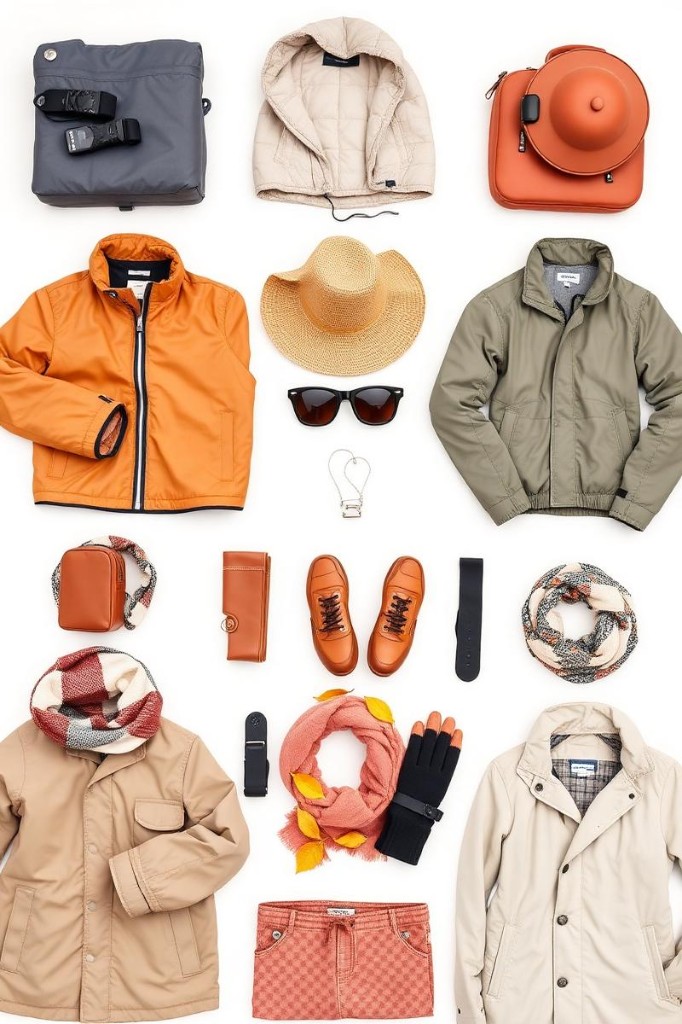
Travel clothing and gear by season

💰 Seasonal budget

PeriodAccommodation ($/night)Transport ($/day)Restaurants ($/day)Attractions ($)Traffic
Dec–Feb (wet)60–1205–1520–400–20⭐⭐
Mar–May (trans.)70–1405–1525–450–25⭐⭐⭐
Jun–Aug (high)100–2005–2030–5510–40⭐⭐⭐⭐
Sep–Oct80–1605–1525–500–30⭐⭐⭐
Nov65–1305–1520–400–20⭐⭐

💡 Money-saving tips

1. Aiga bus: The colorful local buses are the most economical and authentic way to travel — less than $1 per trip in the urban area.

2. Fagatogo Market: For breakfast and fruit, the market is unbeatable. Avoid tourist restaurants in hotels.

3. Alternative Housing: Homestays (fale stays) offer an authentic experience at a much lower rate than traditional hotels.

4. Priority Free Sites: The national park, beaches, and villages cost nothing — focus your budget on maritime excursions.

5. Flag Day: Planning your stay around April 17 guarantees free cultural activities and a memorable experience at no extra cost.

🏥 Health and precautions

  • Constant hydration is essential — tropical humidity causes sweating without you noticing
  • SPF 50+ sun protection even in cloudy weather: tropical UV rays remain intense
  • Mosquito repellent is mandatory, especially at dawn and dusk (dengue risk)
  • Closed-toe shoes for hiking — volcanic terrain and slippery roots
  • Watch out for sharp coral when snorkeling — water shoes recommended
  • Pharmacy available in Fagatogo — bring anti-diarrheal medication and antihistamines

Cultural Events in Pago Pago

Calendar of Must-See Events in Pago Pago

Cultural events in Pago Pago are the heartbeat of its Polynesian identity. They radically transform the city's atmosphere and offer a unique immersion into American Samoan traditions.

🏁 Flag Day — April 17

Flag Day commemorates the cession of American Samoa to the United States in 1900. It is the archipelago's most important national holiday, an explosion of Samoan identity and pride. The port of Pago Pago becomes the stage for traditional longboat races (fautasi), siva dances, official speeches, and free open-air concerts. The atmosphere is electric and deeply moving.

Location: Port of Pago Pago and Tafuna Stadium

Highlight: The fautasi race pits teams of rowers from across the island against each other in an ancestral competition of rare intensity.

Impact on the city: The city is fully booked — hotels are reserved weeks in advance, and streets are decorated with American and Samoan flags.

Transportation: Reinforced local bus service from the airport and surrounding villages.

Planning Tip: Book accommodation 6 to 8 weeks in advance. Arrive the day before to experience the festive preparations.

👗 White Sunday — Second Sunday of October

White Sunday (Lotu a Tamaiti) is the festival for Samoan children, one of the most touching and authentic moments on the local calendar. Entire families dressed in pristine white head to church, where children recite Bible verses, sing, and dance before their moved elders. Villages are decorated, and community feasts are prepared. A spectacle of overwhelming gentleness and spirituality.

Location: All churches and villages in and around Pago Pago

Highlight: A uniquely Samoan tradition, a true piece of Polynesian intangible heritage rarely seen on standard tourist circuits.

Impact on the city: The city is peaceful, businesses are closed — a day of reflection and family celebration.

Transportation: Walking distance from the center of Fagatogo for most ceremonies.

Planning Tip: Wear modest and respectful attire — white or pale colors are recommended to blend in harmoniously.

🌺 South Pacific Festival — July (odd years)

Every two years, American Samoa participates in the Festival of Pacific Arts, a grand gathering of Oceanian cultures. Even in non-festival years, Pago Pago organizes local cultural celebrations in July, blending traditional crafts, Polynesian tattooing, gastronomy, and music. Artisans showcase their creations in tapa, basketry, and wood carving in a festive and open atmosphere.

Location: Fagatogo waterfront park and surrounding villages

Highlight: A rare meeting between Polynesian, Melanesian, and Micronesian cultures.

Impact on the city: Influx of visitors from neighboring islands, high demand for accommodation, exceptional multicultural atmosphere.

Transportation: Inter-island boats from Independent Samoa, flights from Fiji and Hawaii.

Planning Tip: Check the biennial calendar and book accommodation 2 to 3 months in advance for Festival years.

Seasonal events

🌧️ Wet Season (December–February):

  • Samoan Christmas festivities — church ceremonies and community meals (December)
  • New Year's celebrations in Fagatogo — fireworks over the bay (December 31)
  • Traditional Samoan cricket tournaments in villages (January–February)

🌦️ Transition (March–May):

  • Flag Day — April 17, major national holiday with fautasi races
  • Easter — highly attended religious services in all communities
  • Local sports competitions: beach volleyball and rugby

☀️ Dry Season (June–September):

  • July 4 — American Independence Day celebrated with events at the port
  • Local Samoan cultural festival (July) — crafts, dances, gastronomy
  • Deep-sea sport fishing competition (August)

🌤️ Transition (October–November):

  • White Sunday — second Sunday of October, children's festival
  • Halloween with Polynesian touches in Americanized neighborhoods
  • Samoan Thanksgiving — fusion of American and Samoan traditions (November)

Traveling responsibly in Pago Pago

Pago Pago remains a preserved and fragile destination. Your travel choices — period, accommodation, transport — have a direct impact on this unique island ecosystem and on the Samoan communities that depend on it for their daily balance.

Responsible tourism in Pago Pago involves respecting Samoan cultural protocols (fa'asamoa), supporting local businesses rather than imported brands, and preserving coral reefs during maritime activities. Avoiding months of relative high traffic helps reduce pressure on limited local infrastructure.

🌱 Low-season advantages

Traveling in the wet season (December–March) allows you to meet Samoans in their authentic daily life, benefit from reduced rates, and relieve natural sites — national park and reefs — from excessive traffic that weakens these unique ecosystems.

♻️ Sustainable travel tips

1. Favor local aiga buses over taxis or car rentals — less polluting and more authentic.

2. Choose homestays: money stays directly with Samoan families.

3. Respect bans on coral collection and never touch sea turtles.

4. Bring a reusable water bottle — single-use plastic is a scourge on the island's beaches.

5. Always ask permission before photographing people or ceremonies — the fa'asamoa requires it.

6. Buy crafts directly from artisans at the Fagatogo market, not in hotel shops.

🏙️ Local sustainable initiatives

The American Samoa government supports the preservation of the national park (one of the only American parks in tropical territory), the NOAA sea turtle protection program, and beach cleaning initiatives organized by village communities every quarter. The reefs of Fagatele Bay have enjoyed marine sanctuary status since 1986.

Our Recommendations

Recommendations for your city-trip to Pago Pago

After a complete analysis of the climate, events, and tourist traffic, June to September stands out as the ideal period to visit Pago Pago. Rainfall is at its minimum, temperatures remain pleasant thanks to trade winds, and conditions for both hiking and diving are optimal. For cultural travelers, April (Flag Day) and October (White Sunday) offer exceptional, more affordable alternatives for an authentic immersion into Samoan identity.

✅ Optimal Period: June to September

Recommended months: June, July, August, September

  • Rainfall at its lowest of the year: only 190 to 230 mm / 7.5 to 9 in per month
  • Refreshing trade winds making tropical heat bearable
  • Ideal conditions for hiking, snorkeling, and maritime excursions
  • Exceptional underwater visibility for diving
  • Beautiful photographic light on the bay in the evening

Key events: American Independence Day (July 4), local cultural festival (July-August)

Drawbacks: Slight increase in accommodation rates in July-August; book 4 to 6 weeks in advance.

Ideal profile: All profiles — families, adventurers, divers, first-time visitors

Recommended duration: 7 to 10 days to combine city, national park, and excursions

🔄 Interesting Alternative: April and October

Alternative months: April, October

These two transition months offer a remarkable balance between acceptable weather and event richness. April vibrates to the rhythm of Flag Day and its unforgettable longboat races, while October immerses visitors in the spiritual gentleness of White Sunday.

Specific advantages: Lower rates than high season, major free cultural events, maximum authenticity, fewer foreign tourists

For whom: Cultural travelers, lovers of Polynesian traditions, couples in search of authenticity, travelers on a moderate budget

👥 Tips for your travel style

👨‍👩‍👧 Family: July-August is ideal — calm beaches, accessible national park, Samoan culture welcoming to children. Choose Fagatogo for accommodation, within walking distance of the market and port.

💰 Budget: Wet season (January-March) or transition (April-May) for the best rates. Homestay + aiga bus + free sites = full stay for less than $80/day.

🎭 Culture: April (Flag Day) or October (White Sunday) — total immersion in the fa'asamoa. Stay 5 to 7 days around the chosen event.

💑 Romantic: June or September — sunsets over the bay, dinners by the sea, rainforest hikes. Hotel with a bay view in Utulei.

🎒 First trip: July or August — most favorable weather, most accessible island, guides available. Start with the national park then the Fagatogo market.

⚠️ Periods to avoid: December to February

Months not recommended: December, January, February

Reasons: Active cyclone season with real risks of storms disrupting flights; extreme rainfall (480 to 540 mm / 18.9 to 21.3 in per month) making outdoor activities unpredictable; oppressive humidity; hiking trails often impassable and slippery.

Nuances: Travelers in search of an authentic experience and rock-bottom prices will, however, find a sincere and moving city, provided they adapt their schedule to indoor and cultural activities. Check cancellation insurance coverage for cyclone risk.

Villes du même pays

All cities

Frequently Asked Questions

Here are the answers to essential questions to plan your trip to Pago Pago with peace of mind, depending on the weather and your preferences.

What is the best month to visit Pago Pago?

The best months to visit Pago Pago are July or August. These two months correspond to the heart of the dry season: rainfall drops to its lowest annual level (only 190 to 200 mm / 7.5 to 7.9 in), southern trade winds pleasantly temper the tropical heat, and underwater visibility is at its peak for diving and snorkeling. Hiking in the national park is also at its best. If you want to combine favorable weather with a strong cultural event, April (Flag Day) is a very attractive alternative, despite some lingering rain.

How many days should I plan for Pago Pago?

Plan for at least 5 days for a satisfying immersion in Pago Pago, and ideally 7 to 10 days to enjoy the city, the national park, the villages, and maritime activities without rushing. A pace of 3 days in the city (market, museum, port, gastronomy) + 2 days in the national park + 2 days for maritime excursions is highly recommended. Travelers wishing to venture to other villages on the island or take a trip to the Manu'a islands will benefit from planning 10 full days.

What is there to do in Pago Pago when it rains?

Tropical showers in Pago Pago are often brief but intense — don't be discouraged! Use the time to explore the Jean P. Haydon Museum, dive into the covered bustle of the Fagatogo market, discover tapa craft workshops, or sit down in a local restaurant to enjoy some oka (raw fish) or palusami (taro with spinach and coconut milk). Local cafes and snack bars around the port also offer friendly breaks where you can strike up a conversation with the locals, often the best gift of a trip to Pago Pago.

Which events should not be missed in Pago Pago?

Three events are truly unmissable in Pago Pago. Flag Day (April 17) is the most spectacular national holiday, featuring fautasi longboat races and traditional dances at the port. White Sunday (2nd Sunday of October) offers a unique spiritual and family immersion into Samoan culture. Finally, July 4 (American Independence Day) features festive activities by the bay, blending American and Samoan traditions in a delicious and original cultural mix.

What budget should I expect depending on the season?

The budget varies significantly depending on the season. In high season (June–August), expect $100 to $200/night for accommodation, $30 to $55/day for meals, and $10 to $40 for activities — approximately $150 to $300 per day. In low season (December–March), accommodation drops to $60–$120/night and the city offers largely free cultural experiences, reducing the daily budget to $80–$150. Local buses (aiga bus) at less than $1 per trip and numerous free sites allow you to travel in Pago Pago on a very reasonable budget compared to other Pacific destinations.