When to visit Puno? City-Trip Guide

Discover the Andean seasons of Puno, between colorful festivals and the majesty of Lake Titicaca according to climatic conditions.

  • 0.15 M population
  • Spanish, Quechua, Aymara language
  • 85 days rainy days/year
  • May to September best time to visit
  • 3 to 5 days recommended stay

Climate and Weather in Puno

Understanding the high-altitude climate of Puno

Puno enjoys a semi-arid altiplano climate at an altitude of 3,827 meters / 12,556 feet. Lake Titicaca moderates extreme temperatures, creating a unique microclimate. The altitude causes significant thermal variations between day and night, directly impacting your city stay.

  • City Center: Urban area protected from winds, slightly milder temperatures
  • Lake Titicaca Shores: Climate moderated by the water mass, less nocturnal frost
  • Surrounding Hills: Exposed to cold winds, more rigorous temperatures
MonthMin Temp (°C / °F)Max Temp (°C / °F)Precipitation (mm / in)Sunshine (h/day)Tourist TrafficRecommended Activities
January7°C / 45°F16°C / 61°F145mm / 5.7in5⭐⭐Festivals, floating islands
February7°C / 45°F16°C / 61°F115mm / 4.5in5⭐⭐Carnival, boating
March6°C / 43°F17°C / 63°F85mm / 3.3in6⭐⭐⭐Hiking, Sillustani
April3°C / 37°F18°C / 64°F35mm / 1.4in7⭐⭐⭐Trekking, heritage
May-1°C / 30°F18°C / 64°F10mm / 0.4in8⭐⭐⭐⭐Islands, stargazing
June-4°C / 25°F17°C / 63°F5mm / 0.2in8⭐⭐⭐⭐⭐Inti Raymi, excursions
July-4°C / 25°F17°C / 63°F5mm / 0.2in8⭐⭐⭐⭐⭐Festivals, Lake Titicaca
August-3°C / 27°F18°C / 64°F10mm / 0.4in7⭐⭐⭐⭐⭐Trekking, boating
September-1°C / 30°F19°C / 66°F25mm / 1.0in7⭐⭐⭐⭐Andean spring, islands
October2°C / 36°F19°C / 66°F45mm / 1.8in7⭐⭐⭐Hiking, heritage
November4°C / 39°F19°C / 66°F65mm / 2.6in6⭐⭐Bird watching
December6°C / 43°F17°C / 63°F105mm / 4.1in5⭐⭐Festival preparations

The altitude of 3,827 meters / 12,556 feet generates drastic thermal variations between day and night (up to 20°C / 36°F difference). Intense solar radiation contrasts with freezing nights. Lake Titicaca plays an essential thermoregulatory role, softening climatic extremes within a radius of several kilometers.

The Seasons

Must-sees by weather

Optimize your stay by choosing your activities according to the climatic conditions of Puno to fully enjoy this unique Andean destination.

☔ In cloudy/rainy weather

Indoor & protected

Take refuge in Puno's exceptional cultural heritage during Andean showers.

Recommended sites:
🏛️ Carlos Dreyer Museum - 2h - 10 soles - All year
⛪ Puno Cathedral - 1h - Free - Colonial architecture
🎭 Casa del Corregidor - 1h30 - 8 soles - Art and history
🍽️ Traditional restaurants - Variable - Local gastronomy
🛍️ Mercado Central - 2h - Free - Andean crafts
🎵 Folkloric peñas - Evening - 30-50 soles - Live music


Practical advice: Book folkloric shows online, especially during festivals.

Additional tip: Combine museum visit + traditional restaurant lunch for a full day.

☀️ In good weather

Optimal outdoor

Take advantage of the intense Andean sun to explore natural wonders and exceptional panoramas.

Must-see sites:
🏝️ Uros floating islands - 4h - 25 soles - Morning navigation
🏛️ Sillustani - 3h - 15 soles - Magical sunset
🚢 Taquile Island - Day - 35 soles - Traditional textile
🌅 Puma Uta viewpoint - 2h - Free - Sunrise over the lake
⛰️ Cerro Huajsapata - 1h30 - Free - 360° panorama
🚶 Lakeside promenade - 2h - Free - Local atmosphere


Best time of day: Sunrise 6am-7am and golden hour 5pm-6pm for exceptional photos.

Season advice: May to September optimal, avoid noon at altitude (intense UV).

🌤️ Versatile all-weather

Flexible

Activities adaptable to unpredictable Andean climatic variations.

Versatile sites:
🏪 Bellavista Market - Indoor/outdoor depending on weather
🚶 Historic center - Protected arcades available
⛪ Colonial churches - Quick visits between showers
🍴 Gastronomic zones - Terraces + heated rooms


Weather tip: Keep poncho and warm clothes, conditions change rapidly at altitude.

Itinerary example: Morning market + museum if rain, afternoon lake if sunny.

💰 Free or economical

No cost

Free sites:
🌅 Urban viewpoints and lake panoramas
🚶 Traditional neighborhood walks
🏛️ Colonial monument exteriors
🎭 Street shows during festivals


Free days: Sunday morning for some local museums.

Budget tips: Local markets for economical meals, public transport to nearby sites.

Practical Guide

Prepare your stay in Puno taking into account high-altitude climatic specificities and extreme thermal variations between day and night for a comfortable and safe trip.

👕 Seasonal packing

Dry Season (May-September): • Warm and waterproof shoes • Fleece jacket and windbreaker • Beanie and gloves essential • High protection sunscreen • Sunglasses mandatory

Wet Season (October-April): • Local waterproof poncho • Non-slip waterproof shoes • Breathable technical clothing • Waterproof bag for electronics • Wind-resistant compact umbrella
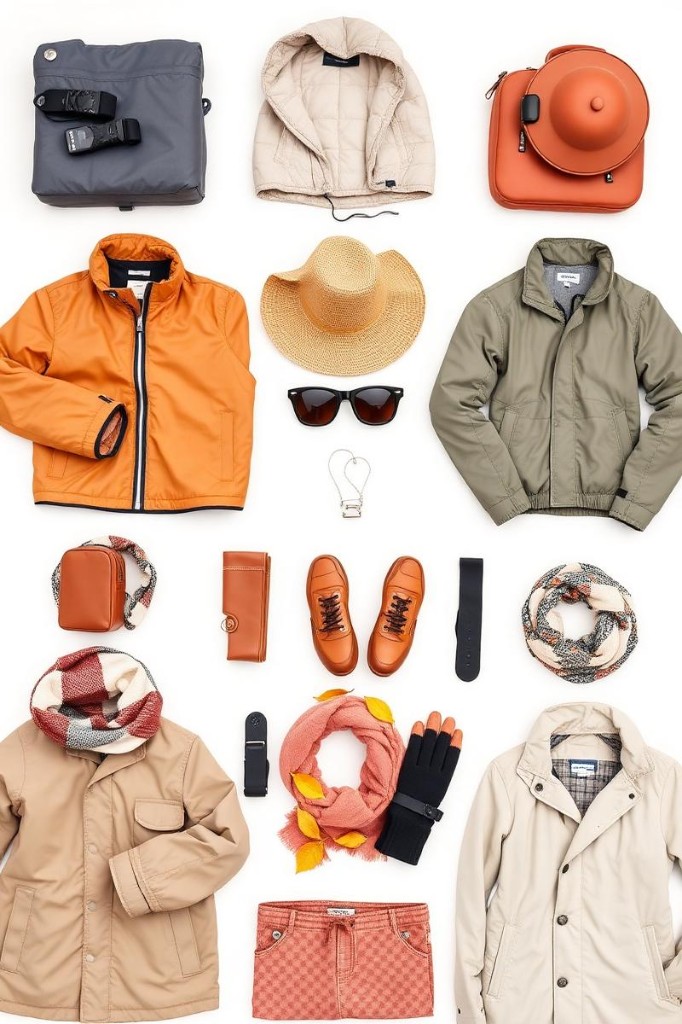
Travel clothing and gear by season

💰 Seasonal budget

PeriodCenter Accommodation (€/night)Transport (€/day)Restaurants (€/day)Attractions (€)Traffic
May-Sept (High)40-8015-2525-4020-35⭐⭐⭐⭐⭐
Oct-Dec (Medium)25-5010-2020-3015-25⭐⭐⭐
Jan-Apr (Low)20-408-1515-2512-20⭐⭐

💡 Money-saving tips

Transport: Local collectivos vs tourist taxis (60% savings) • Meals: Local markets for lunch, restaurants for dinner (balanced budget) • Accommodation: Residential neighborhoods vs tourist center • Excursions: Local groups vs international agencies • Shopping: Market negotiation, avoid tourist areas

🏥 Health and precautions

Altitude sickness: Progressive arrival, hydration, rest on the first day • Intense UV: Maximum protection even in cloudy weather • Hypothermia: Warm clothing at night, monitor signs • Pharmacies: City center 24h, altitude medication available

Urban Events

Puno's essential event calendar

Puno vibrates to the rhythm of exceptional Andean festivals that transform the city into a living cultural theater, deeply influencing the urban atmosphere and tourist influx.

🎭 Festival of the Virgen de la Candelaria (February)

Peru's largest folk festival transforms Puno into an Andean cultural capital. Over 200 groups of dancers and musicians invade the streets in a colorful spectacle inscribed on the UNESCO heritage list. The event lasts 15 days with processions, dance competitions, and nocturnal celebrations.

Location: City center, Plaza de Armas, stadium

Special feature: Sumptuous costumes, traditional masks, continuous live music

Climate impact: Wet season, huge crowds, bookings required 6 months in advance

Transport access: Special shuttles from airport, restricted city center traffic

Anticipation advice: Accommodation prices x3, book covered grandstand seats

🌞 Inti Raymi Puno (June)

Celebration of the Andean winter solstice with ancestral ceremonies on the shores of Lake Titicaca. Historical reenactment of Inca rituals blending Quechua and Aymara traditions. Nocturnal spectacle with sacred fires and traditional dances under an exceptional starry sky.

Location: Shores of Lake Titicaca, peripheral archaeological sites

Special feature: Authentic ceremony, participation of local communities

Climate impact: Dry season, freezing nights, optimal clear sky

Transport access: Organized excursions, sites far from city center

Anticipation advice: Extreme cold gear, thermos for hot drinks

🎪 Puno Carnival (February-March)

Unique fusion between Andean traditions and colonial influences in a vibrant carnival. Costumed parades, scented water battles, dance group competitions, and neighborhood parties. Contagious festive atmosphere transforming every street into an improvised dance floor.

Location: Urban area, popular neighborhoods, public squares

Special feature: Spontaneous participation, generational mix, preserved authenticity

Climate impact: Wet period, possible showers, electric atmosphere

Transport access: Walking recommended, transport disrupted

Anticipation advice: Waterproof clothing, protected camera

Seasonal events

Dry Season: • Aniversario de Puno (November) • Festival de danzas autóctonas (July) • Semana Jubilar (May) • Concursos folklóricos (August)

Wet Season: • Año Nuevo Andino (December) • Christmas festivals (December-January) • Rural carnivals (February-March) • Adapted Holy Week (March-April)

Responsible City-trip

Adopt respectful tourism in Puno by favoring sustainable practices that preserve the fragile ecosystem of Lake Titicaca and support local Andean communities.

Responsible tourism in Puno involves respect for ancestral traditions, support for the local economy, protection of the lake environment, and altitude management. Favor community guides, authentic crafts, family accommodations, and public transport to minimize ecological impact while maximizing local benefits.

🌱 Low-season advantages

Visiting during the wet season reduces tourist pressure, allows for an authentic experience with locals, lowers travel costs, and preserves fragile sites from destructive over-tourism.

♻️ Sustainable travel tips

Transport: Local collectivos, walking in city center, group excursions • Accommodation: Local families, certified eco-lodges, responsible water consumption • Food: Producer markets, family restaurants, regional specialties • Shopping: Direct producer crafts, fair negotiation, avoid industrial souvenirs • Activities: Community guides, respect for sacred sites, small groups

🏙️ Local sustainable initiatives

Puno is developing community-based ecotourism with Uros families, Lake Titicaca conservation programs, shoreline reforestation projects, plastic pollution awareness, certified local guide training, and alternative circuits preserving cultural authenticity.

Our Recommendations

Recommendations for your city-trip to Puno

After analyzing climatic conditions, tourist influx, and cultural richness, our recommendations optimize your Puno experience by balancing favorable weather, local authenticity, and a controlled budget. The altitude and drastic seasonal variations require careful planning to fully enjoy the wonders of Lake Titicaca and the exceptional Andean heritage.

🌟 Optimal Period: May to September

Advantages:
• Ideal weather conditions with permanent clear skies
• Optimal Lake Titicaca navigation, exceptional visibility
• Numerous and authentic traditional Andean festivals
• Excellent access roads to archaeological sites
• Remarkable astronomical observation thanks to altitude

Key events: Inti Raymi (June), folk festivals (July-August)

Disadvantages: Freezing nights, high prices, high influx

Ideal profile: Culture lovers, photographers, experienced trekkers

Stay duration: 4-5 days recommended

⚖️ Interesting Alternative: March-April and October

Transitional periods offering an optimal balance between acceptable weather conditions, moderate influx, and attractive rates. Green landscapes, mild temperatures, and a more authentic experience with local populations.

Specific advantages: Fewer tourists, accessible prices, lush nature, temperate climate

For whom: Budget travelers, families, first altitude experience

👥 Tips for your travel style

Family: March-April, heated center accommodations, short activities, English-speaking guides
Budget: October-November, local hostels, public transport, food markets
Culture: June-August, authentic festivals, community guides, Uros family immersion
Romantic: May-June, lake sunsets, panoramic restaurants, private boating
Weekend: Any season, compact city center, nearby sites, direct flights to Lima
First trip: May-September, optimal conditions, developed tourist infrastructure

❌ Periods to avoid: December-February

Reasons: Intense rains disrupting excursions, difficult roads, reduced lake visibility, landslide risks

Nuances: Acceptable for festival lovers (Candelaria February) with adapted equipment

Villes du même pays

All cities

Frequently Asked Questions

Essential answers to plan your city-trip to Puno according to Andean climatic specificities and altitude constraints.

What is the best month to visit Puno?

June to August offer optimal conditions with clear skies, stable temperatures, and exceptional cultural festivals. May and September are excellent compromises with fewer crowds. Avoid December-February (rainy season) except for the Candelaria Carnival. Altitude requires progressive acclimatization regardless of the chosen period.

How many days should I plan for Puno?

3-4 days minimum to discover the essentials: Uros-Taquile islands (1 day), Sillustani + historic center (1 day), altitude acclimatization (1 day). A 5-7 day stay allows for deeper local culture, excursions to remote islands, and festival participation. A slow pace is recommended at altitude to avoid mountain sickness.

What to do in Puno when it rains?

Take refuge in rich cultural heritage: Carlos Dreyer Museum, colonial cathedral, Casa del Corregidor, local covered craft markets. Folkloric peñas offer authentic shows. Traditional restaurants offer Andean gastronomy. Textile workshops with local artisans. Cultural centers organize conferences on pre-Columbian history.

Which events should not be missed in Puno?

Virgen Candelaria Festival (February) - unmissable UNESCO heritage despite the wet season. Inti Raymi (June) for authentic ancestral ceremonies. Puno Carnival (February-March) fusion of Andean-colonial traditions. Aniversario Puno (November) local celebrations. Native dance competitions (July-August) during the optimal dry season.

What budget should I plan according to the season?

High season (May-September): 80-120€ / $85-$130 per day for comfortable accommodation, excursions, meals. Mid-season (March-April, October): 50-80€ / $55-$85 per day for excellent value. Low season (November-February): 40-60€ / $45-$65 per day, economical but difficult weather conditions. Major festivals (Candelaria) multiply prices by 2-3, advance booking is essential.