When to visit Roseau? City-Trip Guide

Between the bright dry season and enchanting Creole festivals, Roseau offers an authentic Caribbean experience in every season.

  • 0.016 M population
  • English (official), French Creole language
  • 200 days rainy days/year
  • January to April best time to visit
  • 3 to 5 days recommended stay

Weather and Climate Trends in Roseau

Understanding the tropical and humid climate of Roseau

Roseau enjoys a tropical humid climate, strongly influenced by its position on the southwest coast of Dominica and the proximity of the inland mountain ranges. The city is one of the wettest capitals in the Caribbean, with a distinct separation between the dry season (January–April) and the cyclone season (June–November), which directly impacts your city-trip planning.

  • Urban coastal zone: Temperatures moderated by sea breezes, constant high humidity
  • Mountainous periphery: Higher precipitation, slightly cooler temperatures
  • Waterfront: The most ventilated and pleasant area for walks
MonthMin Temp (°C / °F)Max Temp (°C / °F)Precip. (mm / in)Sunshine (h/day)Tourist TrafficRecommended Activities
January20 / 6828 / 8280 / 3.17⭐⭐⭐⭐City walks, Roseau market, botanical gardens
February19 / 6628 / 8260 / 2.48⭐⭐⭐⭐⭐Carnival, hiking, beaches
March19 / 6629 / 8455 / 2.28⭐⭐⭐⭐Trafalgar Falls, snorkeling, city-walk
April20 / 6830 / 8660 / 2.48⭐⭐⭐Urban exploration, Titou Gorge
May22 / 7231 / 88100 / 3.97⭐⭐Jazz & Creole Festival, local markets
June23 / 7331 / 88150 / 5.96⭐⭐Museums, Creole culture, gastronomy
July23 / 7331 / 88170 / 6.76⭐⭐Indoor attractions, local immersion
August23 / 7332 / 90190 / 7.56Local cuisine, crafts, national museum
September23 / 7332 / 90200 / 7.96Gastronomy, covered market, inland discovery
October22 / 7231 / 88200 / 7.96⭐⭐⭐World Creole Music Festival, festive atmosphere
November21 / 7030 / 86170 / 6.76⭐⭐⭐Independence Day, parades, culture
December20 / 6829 / 84120 / 4.77⭐⭐⭐⭐Holiday season, warm atmosphere

The modest altitude of Roseau (sea level to 200m / 656ft) creates few thermal variations, but the surrounding terrain strongly influences the orographic precipitation that regularly waters the city.

Seasons in Roseau

Must-sees according to the weather

Whether the sky is clear or threatening, Roseau knows how to surprise you. Organize your visit according to weather conditions to make the most of every hour spent in this Caribbean capital full of character and authenticity.

☔ In cloudy or rainy weather

Indoor & sheltered places in Roseau

Tropical rain is intense but rarely long. It is the ideal time to dive into Dominican history and culture, sheltered from sudden showers.

  • 🏛️ Dominica Museum – Dame Mary Eugenia Charles St | 1h to 2h | ~5 USD | Open year-round
  • 🕌 Our Lady of Fair Haven Cathedral – City center | 30 min | Free | Year-round
  • 🛍️ Roseau Covered Market – Waterfront | 1h | Free | Saturday morning ideal
  • 🎨 Creole artisan galleries and workshops – Old Roseau | 1h | Free access
  • 🍽️ Creole restaurants in the center – Cork St & surroundings | 1h30 | 15–30 USD/pers.

Practical tip: Most cultural sites do not require reservations. Arrive early at the covered market for the best local produce.

Tip: Combine museum + cathedral + market in a half-day for a complete cultural immersion without getting wet.
☀️ In good weather

Optimal outdoors in Roseau and surroundings

Under a beautiful Caribbean sun, Roseau and its immediate surroundings display a breathtaking natural and urban spectacle, ideal for lovers of wide-open spaces and photography.

  • 🌺 Roseau Botanical Gardens – City center | 1h30 | Free | Morning recommended
  • 💧 Trafalgar Falls – 8 km / 5 mi from Roseau | 2h to 3h | ~5 USD for guide | Jan–Apr optimal
  • 🏊 Titou Gorge – Laudat Valley | 2h | ~10 USD | Dry season recommended
  • 🚶 Sea Wall Promenade – Roseau | 45 min | Free | Magnificent sunrise
  • 🤿 Champagne Reef – 8 km / 5 mi south of Roseau | Half-day | ~25–40 USD | Feb–Apr ideal
  • 🏰 Fort Shirley (Cabrits) – 30 km / 18.6 mi north | Full day | ~5 USD | Dry season

Best time of day: Sunrise on the waterfront promenade for unforgettable photos. Golden hour in the evening on the hills overlooking the city.

Season tip: From February to April for optimal conditions. Avoid midday in August–September, heat and humidity are stifling.

🌤️ Versatile for any weather

Flexible sites regardless of the weather

Some places in Roseau can be enjoyed in any weather, combining outdoors and covered refuges for an experience without climatic constraints.

  • 🌿 Botanical Gardens – Covered by tropical trees, natural shelters in case of light rain
  • 🛒 Roseau Central Market – Partially covered, lively regardless of the weather
  • 🚶 Historic Old Roseau – Franco-British architecture, walks between shop interiors and alleys

Weather tip: In case of a sudden shower, take refuge in one of the many shops or Creole restaurants in the alleys of the historic center.

Example itinerary: Morning at the central market → Museum visit → Creole lunch on a covered terrace → Walk in old Roseau → Waterfront evening if the sky clears.

💰 Free or economical

Roseau for free or almost

The Dominican capital offers beautiful discoveries without necessarily straining your budget.

  • 🌺 Botanical Gardens – Free entry, open every day
  • Our Lady Cathedral – Free, remarkable colonial architecture
  • 🌊 Sea Wall Promenade – Free, sea and hill views
  • 🛍️ Central Market (Saturday morning) – Free, incomparable local atmosphere
  • 🎵 Street concerts during festivals – Free access to many outdoor stages in October and November

Free days: Access to gardens and public spaces is permanent and free. Some cultural events of Independence Day are entirely free.

Budget tips: Local markets offer full meals for less than 8 USD. Prioritize small 'cook shops' frequented by locals for authenticity and savings.

Practical Guide

Roseau is a compact and walkable city, ideal for a city-trip. However, climatic variations between the dry and wet seasons require adapted clothing preparation. Opt for light but versatile gear, anticipate sudden tropical showers, and plan your nature excursions based on local weather reports to make the most of every Dominican day.

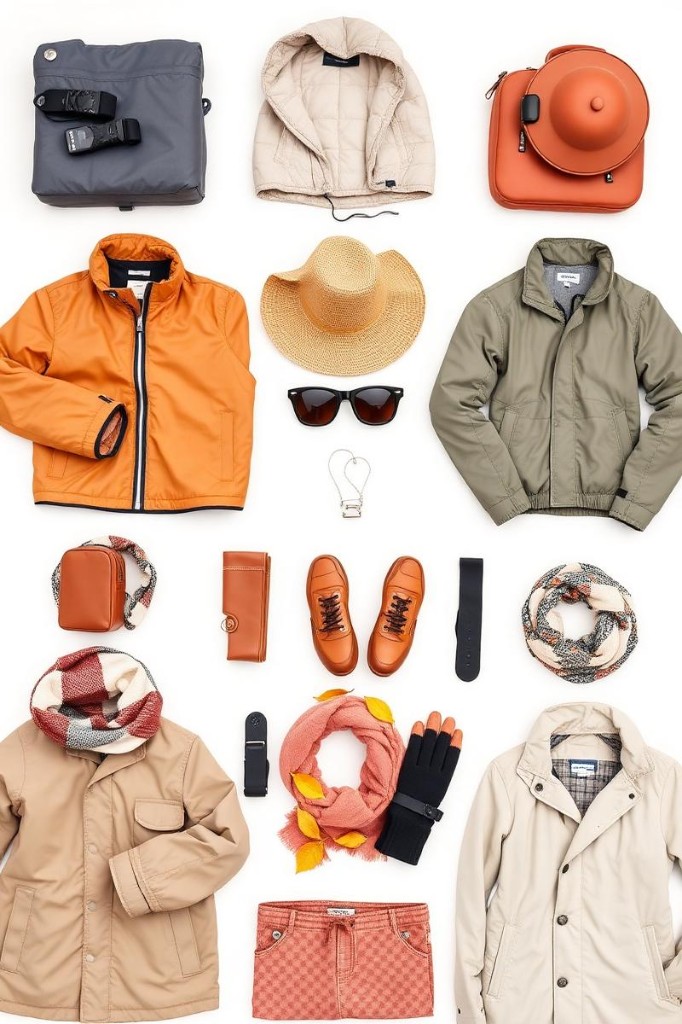
👕 Seasonal packing

Dry season (Jan–Apr): • Light cotton or linen clothing • Lightweight and breathable walking shoes • Wide-brimmed hat and sunglasses • High-SPF sunscreen • Light windbreaker for evenings at altitude

Transition (May–Jun): • Compact rain cape or light poncho • Water-resistant sandals • Quick-dry clothing • Waterproof bag for cameras

Cyclone season (Jul–Oct): • Sturdy raincoat or poncho • Waterproof closed-toe shoes • Lightweight, ultra-quick-dry clothing • Daily weather vigilance recommended • Travel insurance with climate coverage essential

End of year (Nov–Dec): • Light daytime outfit • Small jacket for evenings • Compact umbrella always in the bag

Travel clothing and gear by season

💰 Seasonal budget

PeriodCity Center Accommodation (€/night)Transport (€/day)Restaurants (€/day)Attractions (€)Traffic
Jan–Apr (high season)80–15010–2025–4515–30⭐⭐⭐⭐
Carnival (Feb–Mar)120–20010–2030–5020–35⭐⭐⭐⭐⭐
May–Jun (transition)55–908–1520–3510–25⭐⭐
Jul–Sep (low season)45–758–1518–3010–20
Oct (World Creole Festival)100–18010–2025–4515–40⭐⭐⭐⭐
Nov–Dec65–11010–1822–4012–25⭐⭐⭐

💡 Money-saving tips

  • Eat lunch at local 'cook shops': a full meal for 5 to 8 USD, much more authentic than tourist restaurants
  • Rent a vehicle or share collective taxis ('route taxis') to reach natural sites at a lower cost
  • Book your accommodation 3 months in advance for Carnival and the World Creole Music Festival
  • The botanical gardens, cathedral, and waterfront promenade are free: build your itinerary around these gems at no cost
  • Negotiate prices with artisans at the Saturday morning market for a fair-priced local souvenir

🏥 Health and precautions

  • Hydration is essential year-round: tropical heat and humidity can deplete you quickly, even on cloudy days
  • Enhanced sun protection: SPF 50+ advised, even on cloudy days
  • Mosquito risk (dengue, chikungunya): repellent is essential, especially in the rainy season
  • Vigilance during river or canyon excursions after heavy rain: flash floods are possible
  • Main pharmacy on King George V Street, Roseau – open weekdays
  • Travel insurance with medical repatriation is highly recommended, especially in cyclone season

Events in Roseau

Calendar of must-see events in Roseau

Roseau is a city where vibrant Creole culture transcends simple tourism. Each event transforms the capital into a festive and emotional stage, enhancing the visitor's experience far beyond a standard city-trip.

Dominica Carnival – Mas Domnik (February–March)

The Dominican Carnival is one of the most authentic and least commercialized in the Caribbean. For nearly two weeks, Roseau ignites: live music, shimmering costumes, night parades (J'ouvert), and calypso competitions take over every street. The collective energy is absolutely contagious, and the immersion into Creole culture is total.

Location: Roseau city center, main streets, and Windsor Park Stadium

Special feature: The 'J'ouvert' (early morning) is a unique moment of nocturnal revelry where locals and visitors mingle in a festive communion.

Impact on the city: Significant influx of visitors from the Dominican diaspora, accommodations fully booked – reserve 3 to 4 months in advance.

Transport access: Flights from Antigua, Barbados, Saint Martin with regional connections. Arrival at Douglas-Charles Airport (north) or Canefield (near Roseau).

Planning tip: Book accommodation and flights from the previous autumn. Choose a hotel in the city center to enjoy the atmosphere on foot.

World Creole Music Festival (Late October)

The World Creole Music Festival is THE major musical event in Dominica, gathering the biggest names in Caribbean zouk, kompa, gwoka, and soca for three intense evenings. Roseau transforms into the world capital of Creole music, in a fraternal and enchanting atmosphere that goes far beyond a simple concert.

Location: Windsor Park Stadium, Roseau

Special feature: International artists (Martinique, Guadeloupe, Haiti, Trinidad) alongside local Dominican talents. Exceptional cultural mix.

Impact on the city: High attendance, hotels fully booked throughout Roseau and surroundings. Reserve 4 to 6 months in advance.

Transport access: Regional flights from neighboring islands. Local shuttles from Canefield airport to the city center.

Planning tip: Buy your festival passes as soon as they go on sale (usually July–August). Combine with a night in a local guest-house for authenticity.

Independence Day (November 3)

November 3 marks the anniversary of Dominica's independence (1978). Roseau celebrates with pride and emotion: colorful military and school parades, open-air concerts, cultural exhibitions, Creole cooking competitions, and official ceremonies on the waterfront. It is a rare moment to observe Dominican national pride in all its sincerity.

Location: Roseau center, Sea Wall promenade, Windsor Park

Special feature: An entire week of preparatory festivities (Creole Week) with cultural, artisanal, and gastronomic events.

Impact on the city: Moderate attendance but a very local and authentic atmosphere. Accommodations still available if booked one month in advance.

Transport access: Same regional flight network. Public transport reinforced during the week of celebrations.

Planning tip: Come for the entire Creole Week (late October–November 3) to combine the World Creole Music Festival and Independence Day: an incomparable cultural experience.

Seasonal events

Dry season (Jan–Apr): • Mas Domnik Carnival (Feb–Mar, Roseau center) • Calypso competitions (January, Windsor Park) • Roseau craft market every Saturday morning

Transition (May–Jun): • Dominica Jazz 'n' Creole Festival (May, Roseau and Portsmouth) • Creole culinary events in downtown restaurants

Cyclone season (Jul–Oct): • World Creole Music Festival (last weekend of October, Windsor Park Stadium) • Local craft exhibitions in Roseau galleries

End of year (Nov–Dec): • Independence Day and Creole Week (November 3, Roseau) • Creole Christmas markets (December, central market) • Open-air year-end concerts on the waterfront

Responsible City-Trip in Roseau

Visiting Roseau responsibly means respecting a fragile island whose economy relies on delicate ecotourism. Choosing the right season, the right providers, and the right modes of transport makes a real difference for local communities and the exceptional natural environment of Dominica.

Roseau is the capital of an island nicknamed the 'Nature Isle of the Caribbean'. Soft mobility is natural there: the city is entirely walkable. Prioritize local guest-houses and family hotels rather than large chains. Buy your souvenirs directly from artisans at the central market. Reduce your single-use plastic consumption and opt for reusable bottles during your nature excursions.

🌱 Low-season advantages

Visiting Roseau outside peak tourist times (May–June or November) helps support the local economy during off-peak periods, reduces pressure on fragile natural sites, and provides a much more authentic experience, at the true rhythm of Dominican life.

♻️ Sustainable travel tips

  • Prioritize local public transport (route taxis) to reach natural sites, much less polluting than individual car rental
  • Choose excursions offered by local guides certified by the Discover Dominica Authority
  • Eat in restaurants and cook shops run by Dominicans so your money directly benefits the community
  • Bring a reusable water bottle and avoid plastic bottles, an acute environmental problem on the island
  • Strictly respect protected areas during hikes around Roseau: Morne Trois Pitons National Park is UNESCO-listed
  • Prefer 'green' labeled accommodations or those run by local families rather than imported hotel complexes

🏙️ Local sustainable initiatives

Dominica is committed to becoming the first climate-resilient nation in the Caribbean. Roseau has been actively developing sustainable reconstruction projects since Hurricane Maria (2017): local materials, renewable energy, rainwater harvesting in new buildings, and promotion of the 'Dominica Certified Organic' label.

Our Recommendations

Recommendations for your city-trip to Roseau

Roseau is a destination that deserves a thoughtful approach. The dry season from January to April offers the best weather conditions and remains the ideal period for first-time visitors. However, October, with the World Creole Music Festival, is an exciting alternative for fans of Caribbean musical culture. Avoid August and September unless you are a seasoned, flexible, and well-insured traveler. Regardless of the period chosen, Roseau will welcome you with that human warmth so characteristic of Dominica, capable of turning any weather into an unforgettable memory.

Optimal period: February to April

Recommended months: February, March, April

  • Best weather of the year: generous sun, rare rain
  • Mas Domnik Carnival (Feb–Mar): unique and unforgettable cultural experience
  • Ideal conditions for nature excursions (waterfalls, snorkeling, hiking)
  • Pleasant temperatures between 19°C / 66°F and 30°C / 86°F, ideal for city walking
  • Best accessibility to all natural and cultural sites

Key events: Carnival (February–March), Calypso competitions (January)

Disadvantages: Accommodations are more expensive and fill up quickly during Carnival. Booking 3 months in advance is essential.

Ideal profile: Families, first-time visitors, lovers of Creole culture and nature adventure.

Stay duration: 4 to 5 days recommended to combine Roseau and its immediate natural surroundings.

Interesting alternative: Late October – Early November

Alternative months: October, November

Despite some lingering rain at the beginning of the period, late October in Roseau is electric. The World Creole Music Festival transforms the city into the world capital of Caribbean music, followed by Independence Day on November 3. Rates remain more affordable than in high season (excluding the festival), and the cultural experience is of rare intensity.

Specific advantages: Unique festive atmosphere, intermediate prices, fewer beach tourists, maximum cultural immersion.

For whom: Music lovers, cultural travelers, authenticity seekers, groups of friends.

👥 Tips for your travel style

Family: February–March (outside Carnival for families with young children), botanical gardens, accessible Trafalgar Falls, family guest-house accommodation, 4 to 5 days recommended.

Budget: May–June or November, local cook shops, public transport, 3 days are enough for the essentials of Roseau.

Culture: October (World Creole Music Festival) + Creole Week + Independence Day on November 3, national museum, cathedral, artisan workshops, 4 to 5 days are ideal.

Romantic: February–March, sunsets on the Sea Wall, candlelight Creole dinner, duo excursion to Champagne Reef, boutique city-center hotel.

Weekend / Short stay: January or April, 3 days are enough for the essentials: Saturday market, old Roseau, botanical garden, nature excursion on Sunday.

First trip: March–April, perfect weather, all sites accessible, local guides available, welcoming atmosphere, and reasonable prices.

Periods to avoid: August and September

Months not recommended: August, September

Reasons: These two months represent the peak of the cyclone season in the Caribbean. Roseau records its maximum precipitation (190–200 mm / 7.5–7.9 in per month), the risk of cyclones is real, nature excursions become dangerous, some air links may be canceled, and some accommodations may close temporarily.

Nuances: If you are an experienced and very flexible traveler with comprehensive travel insurance, you can enjoy exceptionally low rates and a total immersion in authentic local life. Monitor the Caribbean Meteorological Organization's weather bulletins daily.

Villes du même pays

All cities

Frequently Asked Questions

Are you planning your trip to Roseau and have essential questions about the climate, ideal duration, or activities based on the weather? Here are all the answers.

What is the best month to visit Roseau?

The best month to visit Roseau is February or March, during the dry season. These months combine generous sunshine (7 to 8 hours per day), pleasant temperatures between 19°C / 66°F and 29°C / 84°F, and very low precipitation. Additionally, the Mas Domnik Carnival (February–March) offers an exceptional Creole cultural immersion. If you prefer to avoid the Carnival crowds, opt for January or April, which are just as pleasant meteorologically but significantly quieter in terms of tourist traffic.

How many days should I plan for Roseau?

As Roseau is a compact and walkable capital, 3 days minimum allows you to visit the historic center, the market, the botanical gardens, and the cathedral. To combine the city with its immediate natural surroundings (Trafalgar Falls, Titou Gorge, Champagne Reef), plan for 4 to 5 days. If you wish to explore more of the island and venture to Morne Trois Pitons National Park or the Boiling Lake, a full week is necessary to enjoy this unique destination without rushing.

What to do in Roseau when it rains?

Tropical showers in Roseau are intense but generally short. In case of rain, take the opportunity to visit the Dominica National Museum (Dame Mary Eugenia Charles Street), explore the interior of the Our Lady of Fair Haven Cathedral, browse the artisan shops of old Roseau, or linger in a Creole restaurant to discover local gastronomy. The central covered market, partially protected, is also an excellent rainy-day option to immerse yourself in daily Dominican life.

Which events should not be missed in Roseau?

Three events stand out in Roseau: the Mas Domnik Carnival (February–March), one of the most authentic in the Caribbean with its J'ouvert night parades and calypso competitions; the World Creole Music Festival (last weekend of October), a Caribbean musical gathering of international scale at Windsor Park Stadium; and the Independence Day (November 3), with its parades and cultural Creole Week. The Jazz 'n' Creole Festival in May completes this festive calendar for music lovers.

What budget should I plan according to the season?

In the high dry season (January–April), expect 80 to 150 EUR per night for city-center accommodation, 25 to 45 EUR for meals, and 15 to 30 EUR for attractions. During Carnival or the World Creole Music Festival, accommodations jump to 120–200 EUR/night. In the low season (July–September), prices drop to 45–75 EUR/night, but the cyclone risk is real. The most balanced period for budget/weather remains November, with intermediate rates and the festive atmosphere of Independence Day to enhance your stay without excessive extra costs.