When to visit Rotorua? City-Trip Guide

Between geothermal steam, redwood forests, and Māori culture, Rotorua offers a unique atmosphere in every season.

  • 0.07 M population
  • English, Māori (te reo Māori) language
  • 130 days rainy days/year
  • November to March best time to visit
  • 3 to 5 days recommended stay

Weather and climate trends in Rotorua

Understanding Rotorua's temperate volcanic climate

Rotorua enjoys a temperate oceanic climate (Cfb) influenced by its 280 m / 919 ft altitude on the volcanic plateau of the central North Island. Geothermal activity creates a unique local microclimate, while the proximity of Lake Rotorua moderates temperatures. Rainfall is distributed throughout the year, with mild but humid winters.

MonthMin Temp (°C / °F)Max Temp (°C / °F)Precip. (mm / in)Sunshine (h/day)CrowdsRecommended Activities
January12°C / 54°F24°C / 75°F110 mm / 4.3 in6.5★★★★★Geothermal sites, kayaking, Māori culture
February12°C / 54°F24°C / 75°F90 mm / 3.5 in6.5★★★★★Hiking, Wai-O-Tapu, Lake Rotorua
March11°C / 52°F22°C / 72°F110 mm / 4.3 in5.5★★★★Redwood Forest, thermal spa
April8°C / 46°F18°C / 64°F120 mm / 4.7 in4.5★★★Autumn colors, mountain biking, museums
May5°C / 41°F14°C / 57°F120 mm / 4.7 in3.5★★Marathon, Polynesian Spa, Te Puia
June3°C / 37°F12°C / 54°F140 mm / 5.5 in3.0★★Matariki, Māori culture, spas
July3°C / 37°F11°C / 52°F130 mm / 5.1 in3.0★★★Indoor activities, winter geothermal
August3°C / 37°F12°C / 54°F120 mm / 4.7 in3.5★★★Mountain biking, spas, cultural tours
September5°C / 41°F14°C / 57°F100 mm / 3.9 in4.5★★★Spring hiking, Rainbow Springs
October6°C / 43°F17°C / 63°F100 mm / 3.9 in5.0★★★★Bike Festival, hiking, lake
November8°C / 46°F19°C / 66°F100 mm / 3.9 in5.5★★★★Geothermal sites, kayaking, Māori culture
December11°C / 52°F22°C / 72°F110 mm / 4.3 in6.0★★★★★Skyline, Waimangu, Hell's Gate

The seasons in Rotorua

Attractions according to the weather

Rotorua offers a palette of remarkable experiences, whether it is raining or sunny. Organize your stay intelligently according to weather conditions so you don't miss any of the wonders of this unique volcanic city in Oceania.

☔ In overcast or rainy weather

Indoor & sheltered: Rotorua in the rain

Rotorua is full of exceptional indoor experiences, perfect when the sky clouds over. Māori culture and geothermal activity can be experienced just as well sheltered from the elements.

  • 🏛️ Te Puia – Māori cultural center with indoor kapa haka and craft workshops (2-3 h – 49 NZD – year-round)
  • 🌡️ Polynesian Spa – Indoor and outdoor thermal baths, ideal in cool weather (1-2 h – 30-60 NZD – year-round)
  • 🦜 Rainbow Springs Nature Park – Trout aquarium and indoor attractions (2 h – 40 NZD – year-round)
  • 🎭 Tamaki Māori Village – Hangi and haka show under covered structures (3 h – 125 NZD – evenings year-round)
  • 🏺 Rotorua Museum (Te Whare Taonga o Te Arawa) – Currently under seismic restoration; check availability before visiting

Practical tip: Book Te Puia and Tamaki Māori Village online in advance, especially in the Austral summer. Significant queues are possible in high season.

Tip: Combine Polynesian Spa in the morning with Te Puia in the afternoon for a complete cultural and relaxation day, ideal in gray weather.

☀️ In good weather

Optimal outdoors: Rotorua in the sun

When the sun deigns to illuminate Rotorua, its geothermal landscapes, forests, and lakes reveal a breathtaking beauty that you won't want to miss.

  • 🌋 Wai-O-Tapu Thermal Wonderland – Geysers, multicolored pools, Lady Knox geyser at 10:15 am (2-3 h – 40 NZD)
  • 🚵 Redwoods Whakarewarewa Forest – Mountain bike and hiking trails in giant redwoods (2-4 h – free on foot)
  • 🌊 Waimangu Volcanic Valley – Active volcanic valley and geothermal Frying Pan Lake (3-4 h – 43 NZD)
  • Lake Rotorua – Kayak or boat trip to Mokoia Island (2-3 h – 40-80 NZD)
  • 🎿 Skyline Rotorua – Gondola and luge on the heights with 360° panorama (2 h – 35-90 NZD)
  • 🔥 Hell's Gate & Wai Ora Spa – Boiling mud pools and therapeutic mud baths (2 h – 45 NZD)

Best time of day: Wai-O-Tapu is best admired from opening (9 am), and the sunrise over Lake Rotorua from the heights of the Skyline is unforgettable. The golden hour at the end of the day magnifies the colors of the geothermal pools.

Season tip: December to February for maximum sunshine; avoid peak hours (10 am-2 pm) in January for the most popular sites.

🌤️ Versatile for all weather

Flexible sites: indoor and outdoor depending on conditions

Some Rotorua sites can be enjoyed in any weather, giving you the freedom to adapt to the day's weather without compromising the quality of the experience.

  • 🌿 Te Puia – Partially covered geothermal site with geysers and reconstructed Māori village
  • 🛤️ Redwoods Treewalk – Suspended walkways between redwoods, naturally covered by the foliage (1 h – 35 NZD)
  • 🐟 Rainbow Springs – Outdoor trout pools and indoor areas for New Zealand wildlife

Weather tip: If rain arrives during the day, retreat to the covered areas of Te Puia or the Treewalk, naturally protected by the redwood canopy.

Example itinerary: Morning at Redwoods Treewalk (always pleasant), lunch at Ohinemutu village, afternoon at Te Puia (covered if rain, geyser if sun), evening at Polynesian Spa.

💰 Free or budget-friendly

Free or budget-friendly: Rotorua without breaking the bank

  • 🏘️ Māori village of Ohinemutu – Ancestral village by the lake, free entry, unique architecture (1 h)
  • 🌲 Redwoods Whakarewarewa Forest (walking trails) – Free access on foot, impressive panoramas between the redwoods
  • 🌅 Rotorua Lakefront – Free promenade and sunset on the lakefront
  • ♨️ Kuirau Park – Urban geothermal park with free access, free hot foot baths, geysers, and bubbling mud

Free days: Kuirau Park and Ohinemutu are accessible for free year-round. Redwoods Forest trails are open to hikers.

Budget tips: The Rotorua lakefront offers magnificent panoramas at no cost. Combine Kuirau Park and Ohinemutu village for a 100% free and authentically Māori morning.

Practical Guide

Rotorua is best explored on foot, by car, or by shuttle depending on the site. Climatic variations between seasons directly influence your comfort and budget. Pack layers for year-round travel, as cool mornings and warmer afternoons are the norm in this volcanic high-altitude city.

👕 Seasonal packing

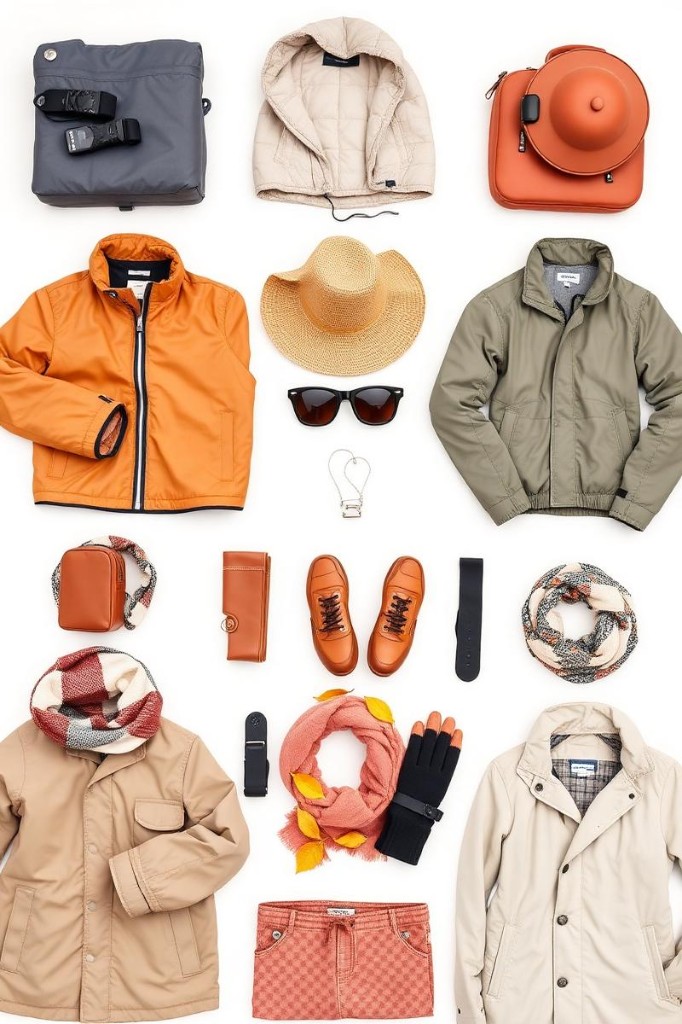
Summer (December-February): Light clothing, t-shirts, shorts for the day, but pack a light windbreaker for geothermal sites (cool steam) and a thin waterproof jacket for sudden tropical showers. Comfortable walking shoes are essential. SPF 50+ sunscreen is mandatory (UV rays are very intense in New Zealand).

Autumn (March-May): Layering is recommended: t-shirt, light sweater, waterproof jacket. Hiking shoes for the forests. A light beanie is useful in May.

Winter (June-August): Warm waterproof jacket, wool sweaters, thermal base layers for early morning outings. Geothermal sites create specific humidity: bring quick-drying clothing. Waterproof shoes are highly recommended.

Spring (September-November): Versatile and layerable outfits. Keep a light raincoat in your bag, and bring sunglasses and sunscreen starting in October. Temperatures can vary by 10°C / 18°F in a single day.

Travel clothing and gear by season

💰 Seasonal budget

PeriodAccommodation (NZD/night)Transport (NZD/day)Restaurants (NZD/day)Attractions (NZD)Crowds
Summer (Dec-Feb)180-32030-5060-10080-150★★★★★
Autumn (Mar-May)120-22025-4050-8070-130★★★
Winter (Jun-Aug)90-16020-3545-7060-120★★
Spring (Sep-Nov)110-20025-4050-8570-130★★★★

💡 Money-saving tips

  • Rent a car to access remote geothermal sites (Waimangu, Wai-O-Tapu): tourist shuttles often cost double.
  • Take advantage of free attractions like Kuirau Park and Ohinemutu Village to balance your budget with paid entries.
  • Book your accommodation in the low season (June-August) for prices up to 50% lower than in the Austral summer.
  • Eat lunch at cafes and food trucks on the lakefront rather than at tourist restaurants near geothermal sites.
  • Combine multi-attraction passes (Te Puia + Polynesian Spa) often available at a reduced rate via the local tourist office.

🏥 Health and precautions

  • Extreme UV: The UV index in New Zealand is among the highest in the world in summer; SPF 50+ and a hat are essential starting in October.
  • Geothermal sites: Stay strictly on marked paths; ground crusts can give way without warning over boiling pools.
  • Sulfur smell: Normal and harmless for healthy people, but not recommended for those with severe respiratory conditions during prolonged exposure.
  • Intensive walking: Geothermal sites require 2 to 5 km / 1.2 to 3.1 miles of walking on uneven terrain; closed-toe shoes are mandatory.
  • Pharmacies: Several pharmacies available in Rotorua city center; Rotorua Hospital is accessible 24/7 for emergencies.

Events in Rotorua

Calendar of must-see events in Rotorua

Rotorua's cultural and sporting events significantly enrich the travel experience, grounding your stay in the vibrancy of Māori culture and New Zealand's sporting dynamism.

🌟 Matariki – Māori New Year (June-July, variable dates)

Description: Matariki is the celebration of the Māori New Year, marked by the rising of the Pleiades in the southern sky. In Rotorua, the heart of Māori culture in New Zealand, the festivities take on a special dimension: campfires, traditional songs, weaving workshops, kapa haka performances, and nocturnal ceremonies transform the city into a space of reflection and community joy.

Location: Primarily Ohinemutu Village, Te Puia, and the Rotorua lakefront.

Significance: Since 2022, Matariki has been a national public holiday in New Zealand—a unique recognition of an indigenous lunar calendar.

Impact on your stay: High local attendance during celebration nights; some businesses may be closed on the public holiday. An incomparable, warm, and emotional atmosphere.

Access: Most events are within walking distance from Rotorua city center.

Tip: Book your accommodation at least 2 to 3 months in advance for this period, which is highly popular with travelers interested in indigenous culture.

🏃 Rotorua Marathon (May, 1st or 2nd weekend)

Description: The Rotorua Marathon is one of the oldest and most famous marathons in New Zealand, attracting thousands of runners from around the world. The course runs along the shores of Lake Rotorua, through pine forests, and offers unique geothermal panoramas. Several distances are available (full, half, 10 km) for all levels. A sporting and festive atmosphere takes over the city center on race weekend.

Location: Start and finish at the Rotorua lakefront, route around the lake.

Significance: Running with views of geothermal steam and natural geysers is a one-of-a-kind experience globally.

Impact: Hotels book out very quickly; roads around the lake are partially closed on race day.

Access: Start area is walkable from most city center accommodations.

Tip: Even if you aren't running, the spectator atmosphere is festive and free; book your accommodation 3 to 4 months in advance.

🚵 Rotorua Bike Festival (October, 3-4 days)

Description: Rotorua is considered the mountain biking capital of New Zealand, and its annual festival in October is the perfect celebration. The Redwoods house one of the best mountain bike trail networks in the world, and the festival attracts international riders with competitions, illuminated night rides, and family activities. The relaxed, sporty atmosphere is contagious.

Location: Redwoods Whakarewarewa Forest, Rotorua.

Significance: The night ride in the redwood forest, with lights hung in the trees, is an absolutely magical spectacle.

Impact: High international sports attendance; accommodations are fully booked during the festival weekend.

Access: The forest is accessible in 10 minutes by bike or car from the city center.

Tip: Book your mountain bike rental well in advance and plan your accommodation at least 2 months before the event.

Seasonal events

Summer (December-February):

  • 🎉 Rotorua lakefront entertainment (December-January – free outdoor shows)
  • 🎆 New Year's Eve fireworks (December 31 – lakefront)
  • 🌊 Water activities organized on Lake Rotorua (January-February)

Autumn (March-May):

  • 🏃 Rotorua Marathon (May – lakefront)
  • 🍂 Ngāti Whakaue local property open days (April)
  • 🎭 Māori performances enhanced during Easter holidays

Winter (June-August):

  • ⭐ Matariki – Māori New Year (June-July – national public holiday)
  • 🔥 Special winter hangi and kapa haka evenings in Māori villages
  • ♨️ Special promotions on thermal spas in the low season

Spring (September-November):

  • 🚵 Rotorua Bike Festival (October – Redwoods Forest)
  • 🌸 Local wildlife discovery days at Rainbow Springs (September-November)
  • 🦅 Guided birdwatching hikes at sunrise (October-November)

Responsible Rotorua

Rotorua relies on a geothermal and Māori cultural ecosystem of exceptional fragility. Choosing the right time to visit, respecting natural sites, and supporting local actors are essential gestures to preserve this treasure of Oceania.

The city of Rotorua has committed to a sustainable tourism approach supported by the Māori communities who own many of the sites. Prioritize Qualmark Enviro-certified operators, support local Māori artisans rather than industrial souvenir shops, and strictly respect restricted zones at geothermal sites. The volcanic environment is alive and irreversibly fragile.

🌱 Low-season advantages

Visiting Rotorua in winter or early autumn helps reduce tourist pressure on geothermal sites, support local actors during the off-season, benefit from attractive prices, and live a more intimate and authentic Māori cultural experience.

♻️ Sustainable travel tips

  • Use local shared shuttles to reach remote geothermal sites rather than renting multiple individual vehicles.
  • Choose accommodations that are Qualmark Enviro-certified or managed by Māori communities so your spending directly benefits local populations.
  • Avoid buying single-use plastic items in the context of preserving natural geothermal pools.
  • Stay strictly on marked paths at geothermal sites: restricted areas are there for ecological and physical safety reasons.
  • Prioritize restaurants and cafes featuring local producers rather than international chains to support the region's agricultural and Māori economy.
  • Participate in Māori cultural workshops led by local families rather than purely commercial shows.

🏙️ Local sustainable initiatives

Rotorua has developed pioneering ecotourism initiatives in Oceania: Te Puia donates a portion of its proceeds to the Ngāti Whakaue community, the Redwoods offer sustainably certified mountain bike trails, and the city is working to reduce non-natural sulfur emissions. The Tiaki Promise label guides visitors toward behavior that respects New Zealand's natural and cultural heritage.

Our recommendations

Recommendations for your city-trip to Rotorua

Rotorua is a destination that suits any time of year, but certain climatic and cultural windows are significantly better for a successful city-trip. The Austral summer (December-February) offers the best weather conditions and maximum activity, while spring (October-November) represents the perfect compromise between pleasant weather, manageable crowds, and accessible prices. Winter appeals to lovers of authentic Māori culture thanks to Matariki. In any season, Rotorua justifies the trip through the raw power of its volcanic landscapes.

✅ Optimal period: November to February

Recommended months: November, December, January, February

Advantages:

  • Sunniest weather of the year (6 to 6.5 hours/day) ideal for outdoor sites
  • Mild temperatures (12-24°C / 54-75°F) perfect for hiking and water activities
  • Maximum activity: Māori performances, active lakefront, summer events
  • All attractions operational with extended hours
  • Perfect combination with a North Island road trip

Key events: Lakefront entertainment, daily Māori performances, water activities on the lake.

Disadvantages: Accommodation prices at their highest (180-320 NZD/night); booking essential several weeks in advance.

Ideal profile: Families, first-time travelers to New Zealand, outdoor and Māori culture enthusiasts.

Recommended duration: 3 to 5 days minimum to cover the main geothermal and cultural sites.

🔄 Balanced alternative: October or March-April

Alternative months: October, March, April

Justification: These transition periods offer a near-perfect balance between pleasant weather (14-22°C / 57-72°F), moderate crowds, and accessible prices. October also features the Rotorua Bike Festival, and March-April reveals the most beautiful autumn colors in the Redwoods.

Specific advantages: Accommodation savings of 30 to 40% compared to high season; geothermal sites without queues; more authentic contact with local life and Māori families.

For whom: Sports travelers, couples, photographers who love autumn light, intermediate budgets, mountain bike enthusiasts.

👥 Tips for your travel style

Family: Prefer January-February for maximum sunshine and happy children between Rainbow Springs, the Skyline, and the baths of Kuirau Park. Accommodations in residences with kitchens in West Rotorua to manage the meal budget.

Budget: Target June-August for accommodation rates 40-50% lower. Focus on Kuirau Park (free), Ohinemutu (free), and the Redwoods trails (free). Transport via shared shuttle rather than taxi.

Māori culture: Absolutely plan around Matariki (June-July) to experience an unforgettable ancestral ceremony. Te Puia and Tamaki Māori Village each deserve an evening.

Romantic: October-November for spring mildness, a sunset over the lake from the Skyline, and an intimate hangi dinner. Boutique accommodations in the city center or lodges with lake views.

First trip: December-January to benefit from the full tourist offering. Plan for 4 days minimum with a rental car to access remote sites.

Weekend: Opt for October or March for a long weekend of 3-4 days with pleasant weather and accessible sites without saturation. Car essential from Auckland (2.5 hours drive).

⚠️ Periods to consider with caution: June-August

Months not recommended: June, July, August

Reasons: The Austral winter brings gray, cool (3-12°C / 37-54°F), and rainy days with only 3 hours of daily sunshine, making outdoor geothermal sites less pleasant. Vegetation is at its lowest point of vibrancy and some water activities are suspended.

Nuances: Winter remains an excellent period for lovers of Māori culture (Matariki in June-July is absolutely magical), budget travelers, and those seeking authenticity away from tourist crowds. Thermal spas are even more delightful in cool weather.

Villes du même pays

All cities

Frequently Asked Questions

Here are the essential questions travelers ask to plan their stay in Rotorua based on the climate and their interests.

What is the best month to visit Rotorua?

The best month to visit Rotorua is November or December: you benefit from sunny weather (5 to 6 hours of sunshine/day), mild temperatures around 19-22°C / 66-72°F, tourist crowds that are still reasonable before the January peak, and prices slightly lower than the high summer season. February is also excellent if you are looking for maximum warmth. If budget is a priority, opt for March or October, which offer a remarkable balance between weather quality and affordability.

How many days should I plan for Rotorua?

Plan for 3 to 5 days minimum to discover the essentials of Rotorua without rushing. Two days are enough for the must-sees (Te Puia, Wai-O-Tapu, Polynesian Spa), but 4 to 5 days allow you to add Waimangu, Hell's Gate, the Skyline, a hangi dinner, and the redwood forest. If you are combining this with a road trip on the North Island (Hobbiton, Taupo, Tongariro), use Rotorua as a base for 3-4 nights to explore the Waikato region.

What to do in Rotorua when it rains?

Rain doesn't stop the experience in Rotorua! Soak in the thermal baths of the Polynesian Spa (delightful in the rain), explore Te Puia and its indoor Māori workshops, attend a kapa haka performance at Tamaki Māori Village, or visit Rainbow Springs. Geothermal steam in the rainy mist creates an even more mysterious and photogenic atmosphere. The redwood forest remains accessible in the rain thanks to the natural canopy that protects the trails.

Which events should I not miss in Rotorua?

Three events are worth planning your trip around: Matariki (June-July), the celebration of the Māori New Year, now a national public holiday, which transforms Rotorua into a space of living and moving ancestral culture. The Rotorua Marathon (May) for the incomparable sporting atmosphere on the lake shores. And the Rotorua Bike Festival (October) for mountain biking enthusiasts and spectacular nature. Outside of these highlights, daily Māori performances at Te Puia and Tamaki Māori Village are must-sees year-round.

What budget should I plan for according to the season?

The budget varies significantly by season. In high season (December-February), expect 180-320 NZD/night for accommodation, 80-150 NZD for major attractions, and 60-100 NZD for meals, or about 350-570 NZD/day (approx. 190-310 €). In low season (June-August), accommodation drops to 90-160 NZD/night and the overall stay can be 30 to 50% cheaper. In autumn and spring, plan for an intermediate budget of 250-400 NZD/day all-inclusive, offering the best value for money of the year.