When to visit Samaná? Complete Travel Guide

Between majestic whales and wild beaches, Samaná reveals a different beauty depending on the season you choose.

  • 0.1 M population
  • Spanish language
  • 160 days rainy days/year
  • December to March best time to visit
  • 5 to 10 days recommended stay

Climate in Samaná

Understanding the tropical and humid climate of Samaná

Samaná enjoys a tropical humid climate, shaped by its position on the northeast coast of the Dominican Republic. The peninsula is watered by Atlantic trade winds, which gives it lush vegetation but also frequent rainfall. Temperatures remain mild all year round, ideal for nature and sea lovers.

  • North Atlantic Coast: Area most exposed to trade winds with refreshing sea breezes
  • Central Mountains: Slightly cooler temperatures and more abundant rainfall
  • Protected Bays: Calmer microclimates, ideal for water activities
MonthMin Temp (°C / °F)Max Temp (°C / °F)Rainfall (mm)Sunshine (h/day)Tourist TrafficRecommended Activities
January20°C / 68°F28°C / 82°F657★★★★☆Whale watching, hiking
February20°C / 68°F28°C / 82°F558★★★★★Whales, beaches, El Limón Waterfall
March21°C / 70°F29°C / 84°F658★★★★☆Last whale sightings, diving
April22°C / 72°F30°C / 86°F907★★★☆☆Nature, Los Haitises Park, kayaking
May23°C / 73°F31°C / 88°F1506★★☆☆☆Waterfalls, rainforest, budget travel
June24°C / 75°F32°C / 90°F1606★★☆☆☆Beach, snorkeling, budget stay
July24°C / 75°F32°C / 90°F1207★★★☆☆Beach (weather vigilance), Cayo Levantado
August24°C / 75°F32°C / 90°F1806★★☆☆☆Beach (cyclone risk), nature
September24°C / 75°F31°C / 88°F2005★☆☆☆☆Avoid if possible, high hurricane risk
October23°C / 73°F30°C / 86°F2305★☆☆☆☆Avoid, peak cyclone season
November22°C / 72°F29°C / 84°F1506★★☆☆☆Nature, forests, quiet stay
December21°C / 70°F28°C / 82°F807★★★★☆Start of whale season, beaches, holidays

Altitude variations in the Samaná peninsula create distinct microclimates. Coastal areas benefit from sea breezes that temper the heat, while the interior hills can be more humid with slightly cooler nighttime temperatures.

The seasons in Samaná

Must-sees according to the weather

In Samaná, every weather condition reveals different treasures. Organize your stay intelligently by varying beaches, forest excursions, and cultural visits depending on whether the sky is clear or capricious.

☔ In overcast or rainy weather

Indoor and covered activities

Don't let the rain spoil your stay! Samaná, although primarily an outdoor destination, offers great alternatives when showers arrive.

  • 🐋 Whale Museum (Samaná Town) — Discover the biology of humpback whales | Duration: 1h | Price: ~5 USD | Period: all year
  • 🍽️ El Cayuco Restaurant — Typical Dominican lunch with a view of the bay | Duration: 1.5h | Price: 15-25 USD
  • 🎭 Samaná Central Market — Local crafts, spices, Dominican products | Duration: 1h | All year
  • 🧖 Hotel Spas and Massages — Enjoy wellness facilities | Duration: 1-2h | Varies by establishment
  • 📚 Local cultural exchanges — Merengue or Dominican Creole cooking classes | Duration: 2h | By reservation

Practical tip: Book your cooking or dance classes in advance through hotels or local tourist offices. Museums and markets are within walking distance from the center.

Tip: Combine a visit to the Whale Museum with a local lunch for a perfectly filled rainy morning.

☀️ In good weather

Optimal outdoors

When the sun shines in Samaná, the peninsula reveals all its tropical splendor. It is the ideal time to venture to the beaches and into nature.

  • 🐋 Bay of Samaná – Whale watching — Boat excursion | Duration: 3-4h | Price: 35-60 USD | Jan–Mar only | Best: 8am-12pm
  • 🏖️ Playa Rincón — One of the most beautiful beaches in the Caribbean | Duration: half-day | Boat access (~15 USD) | All dry season
  • 🌊 Cayo Levantado (Bacardi Island) — Paradise island with crystalline waters | Duration: half-day | Price: 10-15 USD (boat) | Dec–Apr
  • 💧 El Limón Waterfall — 40-meter (approx. 131 ft) tropical waterfall accessible by horse | Duration: 3-4h | Price: 25-40 USD | Best after rains
  • 🌿 Los Haitises National Park — Mangroves, caves, and endemic birds | Duration: 4-5h | Price: 15-25 USD | All year
  • 🏄 Playa Bonita — Surfing, snorkeling, and relaxing | Duration: full day | Free access | Dec–Apr

Best time: The golden hour at Playa Bonita or from the Samaná malecón offers spectacular sunsets.

Seasonal tip: Prioritize morning excursions (8am-12pm) in high season to avoid the heat and afternoon crowds.

🌤️ Versatile for all weather

Sites flexible to conditions

Some places in Samaná adapt perfectly to all weather conditions, offering an interesting experience whether it rains or shines.

  • 🌊 Samaná Malecón — Seaside promenade, local animation, restaurants, and terraces | Indoor options available in cafes
  • 🌿 Las Galeras — Authentic fishing village with restaurants, beach, and snorkeling depending on the weather | 45 min from Samaná
  • 🎣 Samaná Port — Watching boats, meeting fishermen, guaranteed local atmosphere

Weather tip: If rain arrives while you are out, retreat to the restaurants and bars of the malecón to watch the bay in the rain — a striking sight!

Sample itinerary: Morning at the central market → lunch at the malecón → afternoon in Las Galeras (beach if sunny, restaurant and meeting locals if raining) → sunset from the port.

💰 Free or economical

Free or nearly free

  • 🏖️ Playa Las Flechas — Beautiful historic beach, free access, close to town
  • 🦜 Hiking to Los Cacaos — Trails in the tropical forest, free, exceptional flora and fauna
  • 🌅 Samaná Malecón at sunset — One of the most beautiful lights in the Caribbean, totally free
  • Santa Bárbara de Samaná Church — Unique architecture and history of the town, free entry

Free days: Public beaches are always free. Local markets (Saturday morning) are accessible to everyone without an entrance fee.

Budget tips: Eat in local 'comedores' (5-8 USD for a full meal), use local moto-taxis to get around (1-3 USD), and prioritize group excursions to reduce costs.

Practical Guide

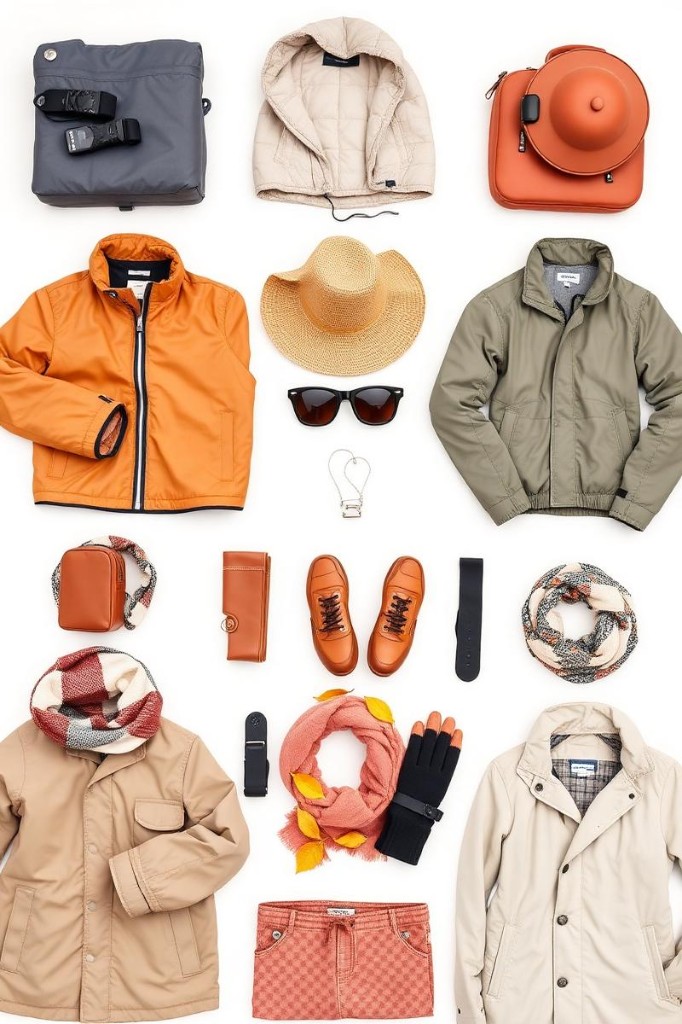
In Samaná, packing your bags requires considering the distinct tropical seasons. Between the humid heat, sudden tropical downpours, and intense Caribbean sun, your gear will make all the difference in enjoying every excursion, whether it takes you into the forest, to the beaches, or out to sea.

👕 Seasonal packing

Dry Season (Dec–Mar): • Lightweight cotton or linen clothing • Swimwear (bring several, as they take time to dry) • Light windbreaker for whale watching boat trips • Wide-brimmed hat and sunglasses • Closed walking shoes for El Limón • High SPF sunscreen (50+)

Early Rainy Season (Apr–Jun): • Lightweight and compact rain poncho • Breathable, quick-dry clothing • Waterproof hiking shoes • Long-lasting mosquito repellent • Dry bag to protect cameras

Cyclone Season (Jul–Oct): • Reinforced raincoat is essential • Non-slip closed shoes • Extra clothing (due to constant humidity) • Weather survival kit: flashlight, water supply, local radio

Transition (Nov): • Versatility is key: mid-season • Lightweight clothing + windbreaker • Sandals AND closed shoes • Sunscreen and raincoat in the same bag

Travel clothing and gear by season

💰 Seasonal budget

PeriodAccommodation (EUR/night)Transport (EUR/day)Restaurants (EUR/day)Attractions (EUR)Traffic
High Season (Jan–Mar)80 – 20015 – 3030 – 6030 – 60★★★★★
Pre-season (Dec)60 – 15012 – 2525 – 5025 – 50★★★★☆
Transition (Apr–May)40 – 10010 – 2020 – 4020 – 40★★★☆☆
Low Season (Jun–Aug)25 – 708 – 1515 – 3015 – 30★★☆☆☆
Lowest (Sep–Oct)20 – 505 – 1212 – 2510 – 20★☆☆☆☆
Pre-recovery (Nov)30 – 808 – 1818 – 3518 – 35★★☆☆☆

💡 Money-saving tips

  • Book your whale excursions in advance: tours are often fully booked weeks ahead during high season; book upon arrival or before you leave.
  • Eat local: 'comedores' and neighborhood restaurants offer full meals for 5 to 8 USD, compared to 20-35 USD in tourist establishments.
  • Use moto-taxis: the king of transport in Samaná, economical (1 to 3 USD per ride) and fast for short distances.
  • Group your excursions: local agencies offer packages combining Cayo Levantado + Los Haitises Park for 40-60 USD, much cheaper than individual bookings.
  • Stay outside the center: accommodations in Las Galeras or Las Terrenas are often 30 to 40% cheaper than in town while offering direct access to beaches.

🏥 Health and precautions

  • Mosquitoes and protection: use an effective DEET repellent, especially in the rainy season; dengue risk is present in the region.
  • Hydration: the humid heat is deceptive; drink at least 2 liters (approx. 0.5 gallons) of water per day, bottled only.
  • Tropical sun: UV radiation is intense year-round; SPF 50+, hat, and covering clothing are essential during the day.
  • Pharmacy: Farmacia Carol on the Samaná malecón is open 7 days a week; bring your own first-aid kit.
  • Water and food: never drink tap water; be cautious with raw vegetables in small establishments.

Events in Samaná

Calendar of must-see events in Samaná

Events punctuate life in Samaná and significantly enrich the traveler's experience. They transform the peninsula, increase visitor numbers, and create unforgettable memories.

🐋 Samaná Whale Festival (January – March)

Every year, between 1,500 and 2,000 humpback whales visit the Bay of Samaná to breed and give birth. This natural phenomenon, unique in the Caribbean, is arguably one of the greatest natural attractions in the Americas. Boat trips allow you to witness spectacular breaches and haunting songs in an exceptional tropical setting.

Location: Bay of Samaná — departures from the main port and Las Galeras

Special feature: The Bay of Samaná is one of the few places in the world where humpback whales gather in such large numbers, designated as an international protected area.

Impact and attendance: High tourist season coincides with this event. Accommodations often book out from November for the January-March period; book 3 to 6 months in advance.

Transport access: By taxi or moto-taxi from town to the port (5-10 min); excursions are organized from all hotels.

Tip: Book your accommodation and whale watching tours from the previous autumn. The best weeks are from mid-January to mid-February.

🎭 Dominican Carnival in Samaná (February)

The Dominican Carnival is one of the most exuberant and colorful celebrations in the Caribbean. In Samaná, festivities take over the 'malecón' (seaside promenade) and downtown streets with elaborate floats, traditional 'lechón' costumes, and omnipresent merengue and dembow music. The atmosphere is explosive, communal, and deeply rooted in Dominican culture.

Location: Samaná Malecón and main downtown street

Special feature: The Samaná carnival is distinguished by its Afro-American influences from the community settled in the 19th century, unique in the Dominican Republic.

Impact: The town fills up significantly on weekends in February; accommodations near the malecón are the first to be booked.

Access: All festivities take place on foot in the center, easily accessible from all accommodations.

Tip: Book your hotel at least 2 months in advance for carnival weekends. Keep your evenings free to immerse yourself in spontaneous street parties.

🌊 Los Haitises Ecotourism Festival (April)

This annual festival celebrates the exceptional biodiversity of Los Haitises National Park, located an hour away from Samaná by boat. The program includes guided mangrove excursions, workshops on endemic wildlife, environmental conferences, and local food tastings. It is a great opportunity to discover the peninsula from a resolutely eco-responsible perspective.

Location: Port of Samaná and Los Haitises National Park (boat access only)

Special feature: Educational and tourist event highlighting the park's unique birdlife (pelicans, frigatebirds, endemic parrots).

Impact: Moderate attendance, ideal for discovering Samaná without the high-season crowds; accommodations are still available.

Access: Excursions organized by all providers in Samaná Town and Las Terrenas.

Tip: Register for workshops in advance at the national park office. Combine this event with the end of the whale season for a complete nature-focused stay.

Seasonal events

Dry Season (Dec–Mar):

  • 🐋 Arrival of humpback whales (mid-December) — Bay of Samaná
  • 🎄 Dominican Christmas celebrations (Dec 24-25) — Musical atmosphere throughout the town
  • 🎆 New Year's Eve (Dec 31–Jan 1) — Fireworks on the malecón, community party
  • 🎭 Carnival (all of February) — Parades, costumes, merengue
  • ✝️ Holy Week (March-April) — Religious processions, partial closures, high local attendance

Transition / Low Season (Apr–Nov):

  • 🌿 Los Haitises Ecotourism Festival (April) — Ecotourism and nature
  • 🏖️ Labor Day (May 1st) — Public holiday, beaches crowded with locals
  • 🎺 Dominican Independence Day (Feb 27, celebrations sometimes in March) — Music and patriotism
  • 🌊 Fishing Festival (July) — Local competitions, fish tastings
  • 🦋 Gradual return of tourists (November) — Pre-season, quiet atmosphere

Responsible Travel in Samaná

Samaná is a fragile ecosystem of exceptional richness. How you travel has a direct impact on the preservation of its whales, tropical forests, and pristine beaches. Choosing the right season also means choosing to travel with respect for the territory.

The Samaná peninsula lives mainly from tourism and fishing. Prioritize local providers: independent Dominican guides, neighborhood restaurants, local artisans. Avoid all-inclusive resorts that capture most of the revenue without local redistribution. Respect protected areas, never touch whales during excursions, and strictly follow the instructions of authorized guides.

🌱 Low-season advantages

Traveling in the low season (May-November) in Samaná reduces pressure on marine ecosystems, lightens beach traffic, allows local communities to catch their breath, and offers more authentic experiences at more accessible prices.

♻️ Sustainable travel tips

  • Choose certified local guides for whale excursions — they know the mandatory safety distances and redistribute income directly into the community.
  • Opt for 'comedores' and family restaurants rather than large chains to support the local economy.
  • Refuse single-use plastic: bring your reusable water bottle and personal cutlery.
  • Walk or take local transport (moto-taxis, 'guaguas') rather than renting an individual vehicle.
  • Stay in family-run guesthouses rather than large all-inclusive resorts.
  • Respect marine protected areas: do not touch corals, do not feed fish, and keep your trash with you.

🏙️ Local sustainable initiatives

Samaná is actively developing its responsible ecotourism: Los Haitises National Park is managed in partnership with local communities, associations of certified guides oversee whale watching trips according to strict protection protocols, and several accommodations adhere to Dominican environmental labels. Local producer markets are growing, offering alternatives to imported goods.

Our Recommendations

Recommendations for your trip to Samaná

After a complete analysis of the climate, events, and tourist traffic, January to March stands out as the optimal period to visit Samaná. The combination of mild skies, splendid beaches, and the exceptional phenomenon of humpback whales creates a unique experience in the Caribbean. However, December and April offer excellent, more affordable alternatives, while flexible nature lovers can find their happiness in May or November. Avoid September and October at all costs, as these months have a high risk of cyclones.

Optimal Period: January – March

Recommended months: January, February, March

  • Sunny weather and ideal temperatures (20-29°C / 68-84°F)
  • Unique spectacle of humpback whales in the bay (a rare global phenomenon)
  • Beaches at their best, calm and crystalline waters
  • Dominican Carnival in February for total cultural immersion
  • All water activities and excursions available

Key events: Whale Festival, Dominican Carnival, New Year's Eve (mid-December)

Disadvantages: Most expensive and busiest period; bookings must be made months in advance.

Ideal profile: Families, nature lovers, divers, wildlife enthusiasts, travelers seeking a complete Caribbean experience.

Recommended duration: 7 to 10 days minimum to combine whales, beaches, forest, and culture.

Interesting Alternative: December and April

Alternative months: December, April

December heralds the high season with the arrival of the first whales, a festive year-end atmosphere, and still reasonable prices at the beginning of the month. April offers resplendent nature after the first rains, waterfalls at full flow, and significantly reduced traffic.

Specific advantages: Prices 20 to 40% lower than in peak high season, a more local and authentic atmosphere, tropical vegetation magnified by the first rains, easy access to excursions without booking far in advance.

For whom: Flexible travelers, couples, nature photography enthusiasts, intermediate budgets, travelers wishing to avoid crowds while enjoying good weather.

👥 Tips for your travel style

Family: January-March for whale watching accessible to all; stay near the malecón and Cayo Levantado; hotels with pools in Las Terrenas; ideal duration 8-10 days.

Tight budget: November or early December; family-run guesthouses in Las Galeras (20-40 EUR/night); local 'comedores'; moto-taxis; group excursions.

Nature and ecotourism: February-March to combine whales and Los Haitises; certified local guide mandatory; hiking shoes essential for El Limón.

Romantic couple: December for the festive atmosphere and pre-high season prices; sunset at Playa Bonita; dinner with your feet in the sand in Las Galeras.

First trip: February, the ideal month combining whales, carnival, beaches, and perfect weather; choose central accommodation in Samaná Town to facilitate travel.

Photographer: January-February for whales and February for the carnival; sunrise at Playa Rincón; golden hour on the malecón.

Periods to avoid: September – October

Months not recommended: September, October (and to a lesser extent August)

Reasons: These two months correspond to the peak of the cyclone season in the Caribbean. Rainfall can reach 200 to 230 mm per month, hurricane risks are high, many tourist providers reduce or suspend their activities, and air travel can be disrupted. Beaches are often degraded and the sea is rough.

Nuances: Ultra-flexible travelers who accept the weather risk and are looking for exceptional rates might consider a stay in July, which is significantly less risky than September-October, with some beautiful sunny windows still available.

Villes du même pays

All cities

Frequently Asked Questions

Here are the answers to essential questions for planning your trip to Samaná according to the climate, season, and your specific interests.

What is the best month to visit Samaná?

February is generally considered the best month to visit Samaná. It is the heart of the humpback whale season, with peak presence of the cetaceans in the bay. The weather is sunny, temperatures are mild (20-28°C / 68-82°F), and rainfall is at its lowest (55 mm). The Dominican Carnival is also in full swing in February, offering an exceptional cultural immersion. On the downside, it is the busiest and most expensive period: book your accommodations and excursions 3 to 4 months in advance.

How many days should I plan for a trip to Samaná?

Plan for at least 5 to 7 days to enjoy the highlights of Samaná: a whale watching trip (in season), a day at Playa Rincón, an excursion to Cayo Levantado, the hike to El Limón Waterfall, and a visit to Los Haitises Park. For a more complete stay including Las Galeras, Las Terrenas, and diving or surfing activities, plan for 10 days. Travelers with a slower pace who really want to immerse themselves in local life will enjoy 2 weeks.

What to do in Samaná if it rains?

Rain in Samaná is often brief and warm, but it can sometimes last for several hours. Use this time to visit the Whale Museum in town, take a Creole cooking or merengue class, linger in a seaside restaurant for a typical meal (mofongo, pescado con coco), visit the central market, or treat yourself to a massage in one of the local spas. Waterfalls like El Limón are even more beautiful just after the rain!

Which events should I not miss in Samaná?

At the top of the list: humpback whale watching (January-March), a natural phenomenon unique in the world at this scale in the Caribbean. Next, the Dominican Carnival in February for its energy, colors, and music. Holy Week (March-April) transforms Samaná with traditional religious processions and significant local crowds. Finally, the Los Haitises Ecotourism Festival in April will delight nature and ecotourism enthusiasts.

What budget should I plan for Samaná depending on the season?

In high season (January-March), expect to spend 100 to 250 EUR per day for two people (accommodation, meals, excursions). In mid-season (December, April), the budget drops to 70 to 150 EUR/day. In low season (May-November), it is possible to travel comfortably for 40 to 80 EUR/day, or even less by choosing family-run guesthouses and eating in local 'comedores'. The whale excursion is the main expense (35-60 EUR per person): prioritize this in your budget.