When to visit Savannakhet? City-Trip Guide

Between soothing winter freshness and cultural effervescence, Savannakhet reveals a different soul depending on the season chosen.

  • 0.12 M population
  • Lao language
  • 95 days/year rainy days/year
  • November to February best time to visit
  • 3 to 5 days recommended stay

Weather and Climate Trends in Savannakhet

Understanding Savannakhet's tropical climate across the seasons

Savannakhet enjoys a tropical monsoon climate, influenced by its central location in Laos and proximity to the Mekong River. The city experiences a marked alternation between a cool dry season (November-February), a hot and dry season (March-April), and a long rainy season (May-October). Its latitude at 16°N intensifies summer heat and humidity.

MonthMin Temp (°C / °F)Max Temp (°C / °F)Precipitation (mm)Sunshine (h/day)Tourist TrafficRecommended Activities
January15°C / 59°F28°C / 82°F107⭐⭐⭐⭐Temple visits, walks along the Mekong, local markets
February17°C / 63°F31°C / 88°F158⭐⭐⭐⭐⭐That Ing Hang Festival, exploring the colonial quarter, cycling
March21°C / 70°F34°C / 93°F308⭐⭐⭐Museums in the morning, terrace evenings, dawn excursions
April24°C / 75°F36°C / 97°F807⭐⭐⭐⭐Bun Pi Mai (Lao New Year), water festival, nightlife
May25°C / 77°F35°C / 95°F1806⭐⭐Indoor tours, local gastronomy, covered market
June25°C / 77°F33°C / 91°F2205⭐⭐Museums, pagodas, street food under the arcades
July25°C / 77°F32°C / 90°F2405Indoor cultural visits, craft workshops
August25°C / 77°F32°C / 90°F2605Buddhist temples, meditation, local gastronomy
September24°C / 75°F31°C / 88°F2805Observing Mekong floods, authentic local culture
October22°C / 72°F30°C / 86°F1206⭐⭐Ok Phansa, Buddhist processions, start of the travel season
November18°C / 64°F29°C / 84°F307⭐⭐⭐⭐Urban walks, night market, nature excursions
December15°C / 59°F27°C / 81°F107⭐⭐⭐⭐French colonial quarter, Mekong riverbanks, cycling tours

The Seasons in Savannakhet

Attractions by Weather

In Savannakhet, the weather dictates the ideal itinerary. Organize your visits according to climatic conditions to fully enjoy each site, whether it rains or the sun floods the banks of the Mekong.

☔ In cloudy or rainy weather

Indoor & sheltered in Savannakhet

When tropical downpours arrive, Savannakhet has great surprises in store under shelter. The French colonial city has left an architectural and museum legacy that is very pleasant to visit in the rain.

  • 🏛️ Savannakhet Museum — former colonial residence; allow 1.5 hours, entrance ~10,000 KIP; open year-round
  • Saint-Théophane Cathedral — remarkable colonial architecture; free visit, 30 min
  • 🦕 Savannakhet Dinosaur Museum — fossils discovered in the region; 1 hour, entrance ~20,000 KIP
  • 🛕 Wat Sainyaphum — largest temple in the city, beautifully decorated interior; 1 hour, free
  • 🍜 Talat Yen Covered Market — sheltered local gastronomy, ideal in the rain; 1 hour, free
  • 📚 Lao-Vietnamese Cultural Center — temporary and permanent exhibitions; 1 hour, small entrance fee

Practical tip: Book your ticket for the Dinosaur Museum in advance during high season. Bring a light raincoat to move quickly from one site to another.

Tip: Combine the historical museum + Dinosaur museum + Wat Sainyaphum in half a day — a natural and logistically simple circuit in the city center.

☀️ In good weather

Optimal outdoor in Savannakhet

The clear sky from November to February is the dream setting for exploring the colonial streets and Mekong banks on foot or by bike. The golden light of the blue hour turns every street corner into a painting.

  • 🚴 French colonial quarter — bicycle ride through cobblestone streets; 2 hours, bike rentals ~30,000 KIP/day
  • 🌊 Mekong riverbank promenade — spectacular sunrise; 1 hour, free, best at 6 AM
  • 🏛️ That Ing Hang Stupa — sacred stupa 12 km (7.5 miles) from the center; 1.5 hours, entrance ~5,000 KIP, morning recommended
  • 🌿 Savannakhet Urban Park — shaded gardens along the river; 1 hour, free, ideal in the late afternoon
  • 🛖 Peripheral craft villages — traditional pottery and weaving; half-day, guide recommended
  • 📸 Second Thai-Lao Friendship Bridge — exceptional panorama at sunset; 30 min, free

Best time: Golden hour between 6-8 AM and 5-6 PM for photos. Avoid 11 AM-2 PM in March-April (intense heat).

Seasonal tip: November to February for outdoor walks; March-April for festive pre-monsoon sunsets.

🌤️ Versatile for all weather

Flexible sites for all weather in Savannakhet

Some places in Savannakhet can be enjoyed regardless of the weather, alternating between covered spaces and open patios according to your mood.

  • 🛕 Wat Sainyaphum — large temple with outdoor courtyards and covered areas; free, flexible
  • 🍽️ Savannakhet Night Market — covered stalls and lively streets; from 5 PM, free, ideal in any season
  • 🎨 Colonial streets of the historic center — cafés under arcades and picturesque facades; free walk

Weather tip: If a downpour breaks out during your colonial walk, take refuge in one of the many Lao cafés with Art Deco facades — that is where you will discover the true local flavor.

Typical itinerary: Morning at Wat Sainyaphum → lunch at Talat Yen covered market → afternoon in colonial streets and cafés → evening at the night market.

💰 Free or economical

Savannakhet at no cost

Savannakhet is a city particularly accessible to budget travelers. The most beautiful experiences are often free — a rare chance in Southeast Asia.

  • 🌊 Mekong riverbanks — free walk and sunsets
  • Saint-Théophane Cathedral — free entry, unique colonial architecture
  • 🌿 River park — green spaces accessible at no cost, picnics possible
  • 🛕 Buddhist temples in the neighborhood — most are open and free, donations welcome

Budget tips: Rent a bike (~30,000 KIP/day) to visit everything without taxis. Street markets offer full meals for less than 20,000 KIP. Avoid restaurants facing hotels — the same dishes cost half as much 200 meters away.

Practical Guide

Visiting Savannakhet requires adapting to changing tropical conditions. Between the dry heat of April and the monsoon downpours of July, clothing and logistical preparation make the difference between an exhausting stay and a smooth, memorable experience. Here is the essential information for traveling smart in every season.

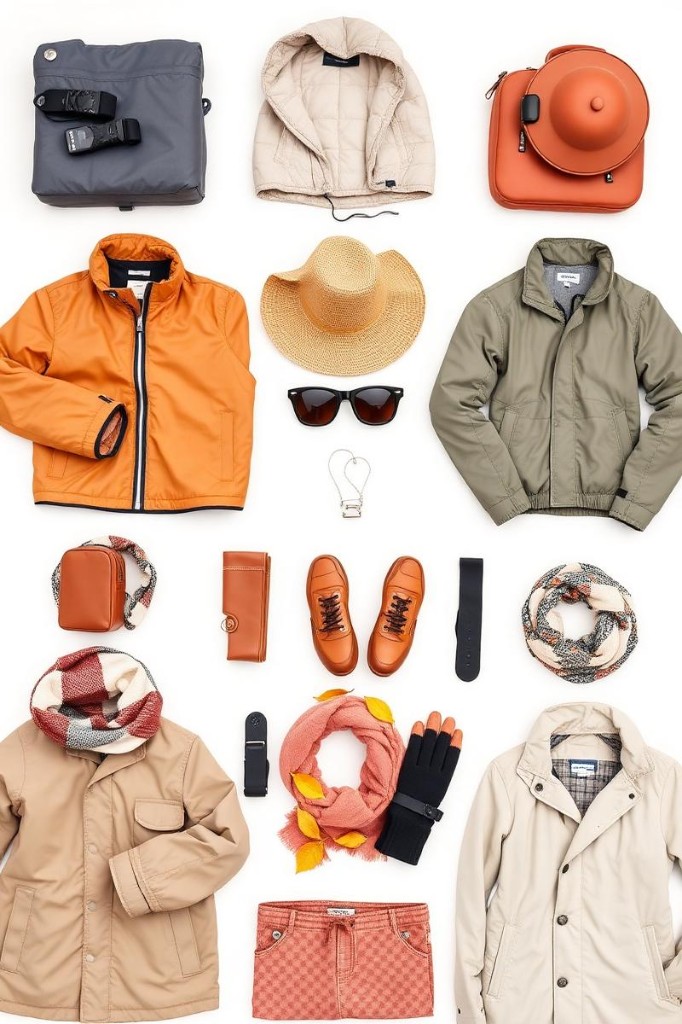
👕 Seasonal packing

Cool season (Nov-Feb): • Lightweight cotton or linen clothing • Light layer (cardigan or thin long coat) for cool December-January nights • Comfortable closed shoes for colonial walks • Wide-brimmed hat for daytime visits • Light shoulder bag

Hot season (Mar-Apr): • Very light, light-colored, and breathable clothing • Comfortable sandals for walking • SPF 50+ sunscreen is essential • Handheld fan, reusable water bottle • Modest clothing for entering temples

Monsoon (May-Oct): • Lightweight raincoat or compact poncho • Sandals or waterproof shoes • Dry bag to protect cameras and phones • Quick-dry clothing recommended (light synthetic materials) • Sturdy umbrella (wind can be strong during storms)

Travel clothing and gear by season

💰 Seasonal budget

PeriodCity Center Accommodation (€/night)Transport (€/day)Restaurants (€/day)Attractions (€)Traffic
Nov-Dec20-503-88-155-10⭐⭐⭐⭐
Jan-Feb25-603-88-155-10⭐⭐⭐⭐⭐
Mar-Apr (New Year)30-804-1010-205-12⭐⭐⭐⭐
May-Jun15-353-66-123-8⭐⭐
Jul-Sep12-282-55-102-6
October18-403-77-134-8⭐⭐

💡 Money-saving tips

  • Rent a bicycle for the whole day instead of taking tuk-tuks — it's economical and much more pleasant for exploring the colonial quarter
  • Eat at the Talat Yen covered market for lunch: a full meal costs between 1 and 2 € in an authentic setting
  • Book your accommodation 2 to 3 weeks before Bun Pi Mai (Lao New Year in April) to avoid shortages
  • Most temples are free — only pay for the museums that truly deserve it (Dinosaur Museum, Historical Museum)
  • Cross the border to Mukdahan (Thailand) to access currency exchange and shopping options that are often more advantageous

🏥 Health and precautions

  • Hydration is imperative: carry a reusable water bottle and drink at least 2 liters (approx. 0.5 gallons) of water per day in the hot season
  • Mosquito protection is essential year-round, especially in the monsoon (dengue risk)
  • Avoid intensive walking between 11 AM and 3 PM from March to May — the heat can cause severe sunburn
  • Basic medications are hard to find locally: bring a complete personal kit
  • In case of prolonged rain, be wary of flooded areas around the riverbanks
  • Central pharmacy available in the city center, but stocks of specialized items are limited

Cultural Events

Savannakhet's essential event calendar

Festivals and celebrations deeply rhythm life in Savannakhet, turning the city into a living stage for Lao culture — a key asset for planning your stay at the right time.

🏮 That Ing Hang Festival — January-February

The That Ing Hang Festival is the most important religious event in the region. Thousands of pilgrims converge on the sacred That Ing Hang stupa, located 12 km (7.5 miles) from the center, for Buddhist ceremonies of rare intensity and beauty. The city is adorned with offerings, flowers, and traditional music for several days.

Location: That Ing Hang Stupa, National Road 9 north of Savannakhet

Highlight: A unique nighttime torchlight procession found nowhere else in Laos

Impact on the city: High influx of local and regional pilgrims; accommodations fill up quickly within a 20 km (12.4 miles) radius

Access: Tuk-tuk or motorcycle rental from the city center

Tip: Book your accommodation 3 weeks in advance for this period

💦 Bun Pi Mai — Lao New Year — Mid-April

Bun Pi Mai, or Lao New Year, is arguably the most festive and joyful event on the Lao calendar. For three days, the entire city transforms into a giant, good-natured water fight. The streets of the historic center become stages for unforgettable popular celebrations, blending Buddhist traditions with collective merriment.

Location: Central street, colonial quarter, and Mekong riverbanks

Highlight: Purifying water ceremonies on Buddha statues and rose-water blessings

Impact on the city: The city is in full celebration mode; partial business closures; accommodation prices rise

Access: Walking distance from any central neighborhood

Tip: Book hotels and transport 1 month in advance; bring a change of clothes

🕯️ Ok Phansa — October

Ok Phansa marks the end of Buddhist Lent (Vassa) and is one of the most spiritually moving moments of the year in Savannakhet. Hundreds of candles and lanterns float on the Mekong during the nighttime ceremony, creating a visual spectacle of absolute serenity. Monasteries resonate with chants, and locals offer food and gifts to monks at sunrise.

Location: Mekong riverbanks, Wat Sainyaphum, and all city temples

Highlight: Launching light boats (Lai Heua Fai) on the Mekong—an exceptional photo opportunity

Impact on the city: Gradual return of visitors after the monsoon; a gentle and serene atmosphere

Access: Riverbanks accessible on foot from the center in 15 minutes

Tip: Arrive 30 minutes before sunset to secure a good spot on the riverbanks

Seasonal events

Cool season (Nov-Feb):

  • That Ing Hang Festival (Jan-Feb) — sacred stupa 12 km (7.5 miles) away, major pilgrimage
  • Informal Christmas market in the colonial quarter (Dec) — Franco-Lao fusion atmosphere
  • Lao National Day (Dec 2) — free public festivities

Hot season (Mar-Apr):

  • Bun Pi Mai (mid-April) — Lao New Year, festive water fight throughout the city center
  • Bun Pha Vet (Feb-Mar) — recitation of the Mahayana in temples, rare spiritual atmosphere

Monsoon (May-Oct):

  • Khao Phansa (July) — start of Buddhist Lent, sober and elegant processions
  • Ok Phansa (October) — end of Lent, lanterns on the Mekong, one of the most beautiful spectacles in Laos
  • Bun Suang Heua (October) — boat races on the Mekong, sporty and festive atmosphere

Traveling responsibly in Savannakhet

Savannakhet remains a preserved destination and little invaded by mass tourism. Every choice of season, transport, and accommodation has a direct impact on the preservation of this fragile and precious authenticity.

The colonial city of Savannakhet deserves a gentle and respectful approach. Prioritize cycling or walking to explore the historic quarter, thus avoiding noise and air pollution in often narrow alleys. Supporting local family guesthouses rather than the rare hotel chains contributes directly to the economy of the inhabitants. Waste management remains a challenge in the region: carry your plastic waste to an appropriate collection point.

🌱 Low-season advantages

Traveling in the monsoon (June-September) allows you to enjoy a nearly deserted Savannakhet, reduced prices, authentic human contact with the locals, and reduce your carbon footprint on a destination whose ecological balance deserves to be preserved.

♻️ Sustainable travel tips

  • Get around by bike or on foot in the historic center — distances are short and the pleasure is multiplied
  • Eat exclusively in local restaurants and markets run by Savannakhet families
  • Systematically refuse single-use plastic bottles — guesthouses often offer refillable water jugs
  • Respect dress codes in temples (shoulders and knees covered) and never photograph without explicit permission
  • Choose guesthouses and pensions certified by Lao sustainable tourism or recommended by local associations
  • Offset your flight carbon footprint via reforestation organizations active in Laos

🏙️ Local sustainable initiatives

Savannakhet is gradually developing eco-responsible initiatives: bicycle rentals accessible in the colonial center, community gardens along the Mekong, craft cooperatives supporting traditional weaving, and architectural heritage preservation projects in partnership with UNESCO and Franco-Lao associations.

Our Recommendations

Personalized recommendations for your city-trip to Savannakhet

After a complete analysis of the climate, tourist traffic, and cultural calendar, Savannakhet reveals itself in all its splendor from November to February. The combination of clear skies, pleasant temperatures, sustained cultural activity, and intermediate prices makes it the reference period. Those seeking the ultimate festive experience will opt for April (Lao New Year), while travelers in search of total authenticity and low prices will appreciate October, with the magic of Ok Phansa to crown the stay.

✅ Optimal Period: November to February

Recommended months: November, December, January, February

  • Ideal temperatures for outdoor walks (15-31°C / 59-88°F)
  • Clear skies and maximum sunshine (7-8 hours/day)
  • That Ing Hang Festival in February — unique cultural experience
  • Lively night markets and street food at its peak
  • Perfect conditions for cycling in the colonial quarter

Key events: That Ing Hang Festival (Feb), Lao National Day (Dec 2)

Limitations: Slight increase in traffic and prices in February around the festival; January nights can be cool

Ideal profile: First-time travelers, couples, families, heritage lovers, culture enthusiasts

Recommended duration: 3 to 5 days

🌟 Interesting Alternative: October and April

Alternative months: October, April

October offers the magic of Ok Phansa (lanterns on the Mekong) in a city that is still uncrowded but already free of the full monsoon. April offers Bun Pi Mai, the festive Lao New Year, in an unforgettable popular party atmosphere despite the heat.

Specific advantages: Intermediate accommodation prices in October, strong cultural experiences in both cases, preserved authenticity

For whom: Experienced travelers seeking strong cultural emotions, photography enthusiasts, friendly party-goers for April

👥 Tips for your travel style

Family: Prioritize December-January; ideal temperatures for children, must-see Dinosaur Museum, cycling along the Mekong, family guesthouse accommodation in the colonial quarter

Budget: Aim for June or October; prices at their lowest, street markets for all meals, daily bicycle rentals, free temples, guaranteed authentic exchanges

Culture: Choose February (That Ing Hang Festival) or October (Ok Phansa) for Buddhist experiences of a rare depth, uncommon elsewhere in Laos

Romantic: November or December for gentle evenings on the Mekong banks, dinners in renovated colonial houses, warm light at sunset

Weekend/short stay: 3 days in November-January are enough for the colonial quarter + That Ing Hang + night market + sunset on the Mekong

First trip to Laos: Start with Savannakhet in January; city accessible from Thailand (Mukdahan), gentle atmosphere, welcoming population, and a perfect pace of life to be introduced to authentic Laos

⚠️ Periods to avoid: July to September

Months not recommended: July, August, September

Reasons: Precipitation peaks (240-280 mm / 9.4-11 inches per month), peripheral roads sometimes impassable, risk of flooding around the Mekong, oppressive humidity, reduced tourist offerings (some guides and providers close)

Nuances: These months are perfectly suited for ultra-experienced travelers, monsoon photographers, and Buddhist enthusiasts wishing to attend Khao Phansa (start of Lent) in July in an atmosphere of absolute devotion.

Villes du même pays

All cities

Frequently Asked Questions

Here are the most frequently asked questions by travelers to plan their stay in Savannakhet with peace of mind, according to weather and personal expectations.

What is the best month to visit Savannakhet?

November to February is the ideal period to visit Savannakhet. The sky is clear, temperatures are pleasant (15 to 31°C / 59 to 88°F), rainfall is almost non-existent, and the atmosphere in the colonial streets is delightful. February stands out for the That Ing Hang festival, a Buddhist experience of rare intensity. If you are drawn to popular festivities, mid-April (Bun Pi Mai, Lao New Year) offers an incomparable festive atmosphere, at the cost of more marked heat (up to 36°C / 97°F). Avoid July-September if you are not prepared for heavy tropical rainfall.

How many days should I plan for Savannakhet?

Count on at least 3 days for a satisfying discovery of Savannakhet: one day for the colonial quarter and the Mekong banks, one day for That Ing Hang and the Buddhist temples, and one day for the Dinosaur Museum, markets, and local life. 4 to 5 days allow for excursions to peripheral craft villages and fully enjoying the sunsets over the river. Savannakhet is often included in a wider Laos circuit combining Vientiane and Pakse.

What to do in Savannakhet when it rains?

Savannakhet offers great indoor alternatives during tropical downpours. The Savannakhet Historical Museum, housed in an old colonial mansion, can be visited in 1.5 hours. The Dinosaur Museum delights both children and adults passionate about paleontology. Wat Sainyaphum, the city's largest temple, has beautifully decorated covered galleries. The Talat Yen covered market allows for immersion in local gastronomy. If the rain persists, settle into an Art Deco café in the colonial quarter — that is often where the best travel memories are born.

Which events should not be missed in Savannakhet?

Three major events are worth planning your stay around. The That Ing Hang Festival (January-February) is the most important Buddhist gathering in the region, featuring breathtaking nighttime torchlight processions. Bun Pi Mai (mid-April) transforms the city into a giant popular party with water fights and blessings. Finally, Ok Phansa (October) features the launching of hundreds of floating candles on the Mekong at sunset — a spectacle of absolute spiritual beauty.

What budget should I plan according to the season?

Savannakhet remains a very affordable destination. In high season (November-February), expect 35 to 80 € per day all-inclusive (guesthouse accommodation, market meals and local restaurants, transport, entrance fees). During festival periods (Bun Pi Mai in April), accommodation prices rise slightly: plan for 40-90 €/day. In the middle of the monsoon (July-September), the budget drops to 20-40 €/day — ideal for small budgets willing to work with the weather. The largest expense remains the flight from Europe (often transiting through Bangkok or Hanoi), as local expenses are very modest.