When to visit Selfoss? City-Trip Guide

From winter Northern Lights to the summer midnight sun, Selfoss offers a radically different atmosphere depending on the season.

  • 0.008 M population
  • Icelandic language
  • 170 days rainy days/year
  • June to August best time to visit
  • 2 to 5 days recommended stay

Weather and Climate Trends in Selfoss

Understanding the Subarctic Oceanic Climate of Selfoss

Selfoss enjoys a subarctic oceanic climate (Köppen type Cfc), tempered by the Gulf Stream. Located in southern Iceland, approximately 50 km / 31 miles from Reykjavik, the town experiences frequent winds, high humidity, and precipitation distributed throughout the year. Summers are cool and bright, while winters are mild but dark.

  • Southern Coastal Zone: The mildest climate in Iceland due to the Gulf Stream
  • Hvítá Valley: A slightly more continental microclimate with more pronounced temperature variations
  • Proximity to Geysers: A geothermal zone that locally influences atmospheric conditions
MonthMin Temp (°C / °F)Max Temp (°C / °F)Precip. (mm)Sun (h/day)Tourist TrafficRecommended Activities
January-3°C / 27°F2°C / 36°F721Northern Lights, hot springs
February-3°C / 27°F3°C / 37°F653Northern Lights, snowy landscapes
March-2°C / 28°F4°C / 39°F605⭐⭐Hiking, waterfalls, Golden Circle
April1°C / 34°F7°C / 45°F556⭐⭐Volcanic geology, geysers
May4°C / 39°F11°C / 52°F508⭐⭐⭐Hiking, bird watching
June7°C / 45°F15°C / 59°F5510⭐⭐⭐⭐Midnight sun, waterfalls, festivals
July9°C / 48°F17°C / 63°F609⭐⭐⭐⭐⭐Hiking, fishing, outdoor life
August9°C / 48°F16°C / 61°F707⭐⭐⭐⭐⭐Lakes, volcanoes, spectacular waterfalls
September6°C / 43°F12°C / 54°F755⭐⭐⭐First auroras, autumn colors
October3°C / 37°F8°C / 46°F803⭐⭐Northern Lights, geothermal sites
November-1°C / 30°F4°C / 39°F702⭐⭐Auroras, hot springs, museums
December-3°C / 27°F2°C / 36°F701⭐⭐Icelandic Christmas, Northern Lights

Altitude variations around Selfoss are moderate, but surrounding plateaus can feature harsher conditions with stronger winds and slightly lower temperatures. The town itself, located in a valley, benefits from natural protection against prevailing winds.

Seasons in Selfoss

Must-sees according to the weather

Selfoss is ideally located for exploring Southern Iceland. Adapt your schedule according to weather conditions: outdoor natural sites require good weather, while rainy or windy days invite you to explore the region's indoor cultural and geothermal treasures.

☔ In overcast or rainy weather

Indoor & sheltered around Selfoss

On rainy or windy days, Selfoss and its surroundings offer cultural and geothermal refuges perfectly suited for continuing your exploration without getting wet.

  • 🏊 Selfoss geothermal pool – a staple of Icelandic culture, price: ~700 ISK, open year-round
  • 🏛️ South Iceland Regional Museum (Byggðasafnið Árnes) – local history, Icelandic crafts, ~500 ISK, ideal in winter
  • Downtown cafes and bakeries – Icelandic coffee culture, authentic local experience, free entry
  • 🧖 Fontana Geothermal Baths (Laugarvatn) – natural geothermal baths 30 min away, ~5,000 ISK, booking recommended
  • 🍫 Omnom Chocolate Factory (Reykjavik, 50 min) – tour and tasting, ~2,500 ISK

Practical Tip: Book geothermal baths online, especially in high season—they often sell out.

Additional Tip: Combining the Selfoss pool + Fontana + regional museum makes for an excellent indoor day without long-distance driving.

☀️ In good weather

Outdoor sites at their best

When the sky clears, Southern Iceland around Selfoss becomes a natural playground of breathtaking beauty. Each outdoor site reveals its full power under clear light.

  • 🌊 Seljalandsfoss – waterfall you can walk behind, 45 min away, optimal light in late afternoon
  • 💦 Skógafoss – monumental 60 m / 197 ft waterfall, rainbow guaranteed in clear weather, 1 hour away
  • 🌋 Kerið Crater – volcanic lake 15 min from Selfoss, ideal at sunrise, ~400 ISK
  • 🏔️ Geysir & Strokkur – the world's most active geyser, 50 min away, free
  • 🌊 Gullfoss – two-tiered waterfall, 1 hour away, free
  • 🏛️ Þingvellir National Park – tectonic rift, Viking history, 45 min away, free
  • 🐟 Banks of the Ölfusá – walk in the heart of Selfoss, fishing, sunset, free

Best time of day: The Icelandic golden hour in summer (10 PM–midnight) offers exceptional low-angle light for photography at Kerið and the waterfalls.

Seasonal Tip: June to August for outdoor sites—avoid November to January for sites without winter safety infrastructure.

🌤️ Versatile in all weather

Flexible sites for any weather

Some places combine indoor and outdoor experiences fluidly, ideal when the Icelandic weather is indecisive.

  • 🌡️ Hveragerði Geothermal Center – town of geothermal greenhouses, hike to natural hot springs, 15 min away
  • 🐦 Flói Nature Reserve – bird watching from covered hides, 20 min from Selfoss
  • 🛍️ Selfoss town center – local shops, galleries, market, restaurants, fully accessible in rain

Weather Tip: In case of changing skies, start at Hveragerði (outdoor/indoor depending on weather) and retreat to the Selfoss center if rain sets in.

Typical Itinerary: Morning in Hveragerði → lunch in Selfoss → afternoon galleries and shops → evening geothermal pool.

💰 Free or budget-friendly

Explore Selfoss without costs

  • 🚶 Walk along the Ölfusá – river crossing Selfoss, marked trails, free
  • 🌋 Þingvellir National Park – park entry free, parking fee (~750 ISK)
  • 💦 Gullfoss – free access to the waterfall
  • 🌿 Icelandic moorland around Selfoss – free hiking in volcanic landscapes

Free days: Icelandic natural sites (waterfalls, volcanoes, parks) are generally accessible for free year-round.

Budget tips: Picnic by the Ölfusá, shop at the Krónan or Bónus supermarket in Selfoss (the cheapest in Iceland), free hike to the Hveragerði springs.

Practical Guide

Traveling to Selfoss requires preparation adapted to the whims of the subarctic climate. The weather can change radically in a few hours, winds can be violent, and roads are sometimes icy in winter. Proper equipment and a flexible schedule are the keys to a successful trip in Southern Iceland, regardless of the season.

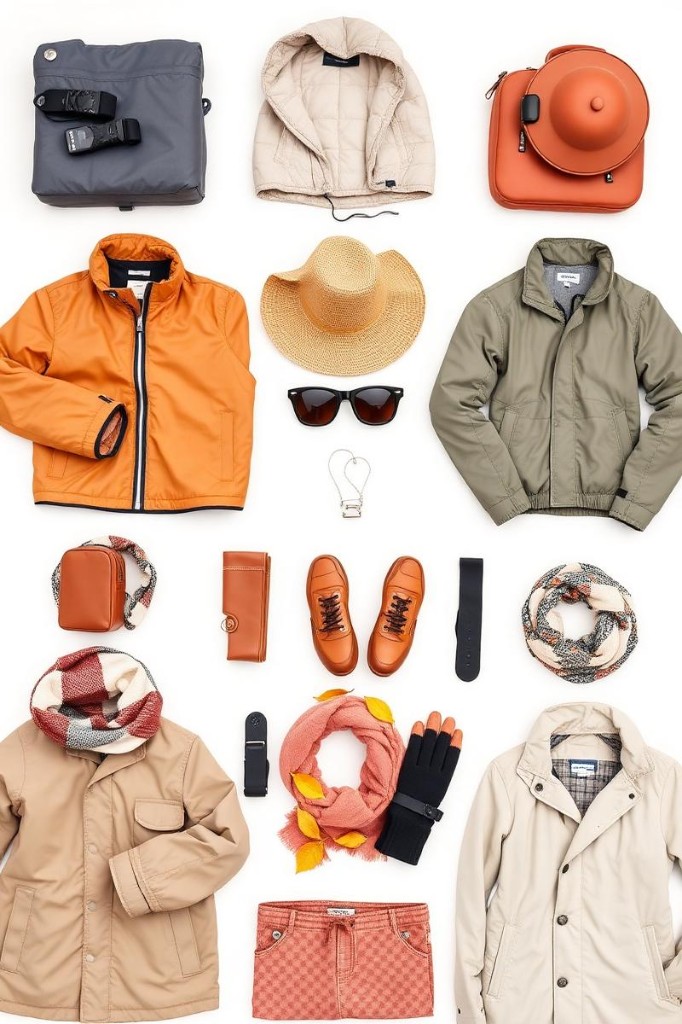
👕 Seasonal packing

Winter (Dec – Feb): waterproof and warm coat (down jacket + windbreaker), thermal base layers, hat, waterproof gloves, waterproof hiking boots with non-slip soles, neck warmer, merino wool socks

Spring (Mar – May): multi-layer waterproof jacket, wool sweater, durable hiking pants, waterproof hiking boots, sunglasses (intense low-angle light), light hat

Summer (Jun – Aug): light waterproof jacket (essential even in summer), light sweaters, waterproof pants, hiking boots, sunglasses, sunscreen (midnight sun), sleep mask

Autumn (Sep – Nov): back to thermal layers, reinforced raincoat, gloves, hat, mud and wind-resistant boots, headlamp from October

Travel clothing and gear by season

💰 Seasonal budget

PeriodAccommodation (€/night)Transport (€/day)Restaurants (€/day)Attractions (€)Traffic
Winter (Dec – Feb)60 – 12030 – 5040 – 8010 – 30
Spring (Mar – May)80 – 15035 – 5545 – 9015 – 35⭐⭐
Early Summer (June)120 – 20040 – 6555 – 10015 – 40⭐⭐⭐⭐
High Season (Jul – Aug)150 – 28045 – 7060 – 12020 – 50⭐⭐⭐⭐⭐
Autumn (Sep – Nov)80 – 16035 – 5545 – 9010 – 35⭐⭐

💡 Money-saving tips

  • Shop at Bónus or Krónan supermarkets in Selfoss: food prices are among the lowest in Iceland
  • Prioritize lunch for dining out: lunch menus are often 30-40% cheaper than dinner
  • Rent a car upon arrival at Keflavík: public transport between natural sites is almost non-existent, and group carpooling splits costs
  • Book accommodation and geothermal baths at least 3 months in advance in summer to avoid last-minute markups
  • Take advantage of the many free natural sites (Gullfoss, Þingvellir, waterfalls) to balance an inherently high Iceland budget

🏥 Health and precautions

  • Winds can reach 100 km/h / 62 mph: never open car doors against the wind; risk of injury is reported by the Icelandic Meteorological Office (veður.is)
  • Hypothermia is possible even in summer if standing still at altitude in wind and rain: always carry an extra warm layer
  • F-roads (highland tracks) are prohibited for standard vehicles: check road.is before any travel
  • Hydration is important despite the cold: dry air and wind dehydrate you quickly
  • Intensive walking on irregular volcanic terrain: high-top hiking boots are recommended, not city sneakers
  • Selfoss pharmacy open during the day; Reykjavik has a 24/7 pharmacy 50 km / 31 miles away

Events in Selfoss

Calendar of must-see events in Selfoss and Southern Iceland

Events punctuate life in Selfoss and the Southern region, transforming the town into a cultural hub for locals and visitors alike. They enhance the local atmosphere and often justify a stay during specific times.

🇮🇸 Icelandic National Day – June 17

June 17 commemorates Iceland's independence (1944). Selfoss, like all Icelandic towns, celebrates with parades, outdoor concerts, children's activities, and a warm community atmosphere. Festivities take place primarily in the Selfoss town center, the main square, and along the banks of the Ölfusá river.

Note: The national holiday coincides with the midnight sun, extending festivities late into the night.

Weather Impact: Very popular locally; book accommodation in Selfoss 2 to 3 months in advance.

Access: Walking distance from anywhere in Selfoss; parking available on the outskirts.

Tip: Combine with an excursion to Kerið or Geysir on the same day for a complete Icelandic experience.

🎵 Músíktilraunir – Autumn (October-November)

Músíktilraunir is the national Icelandic competition for emerging young bands, with regional rounds held in towns across the country, including Selfoss. This musical springboard has revealed many future stars of the Icelandic scene for decades. The atmosphere in small concert venues is intimate and electric, offering privileged access to Icelandic creativity.

Location: Cultural halls in and around Selfoss.

Note: A 100% Icelandic event with very few tourists—a rare cultural immersion.

Weather Impact: An ideal period to combine with Northern Lights viewing in the evening.

Access: By car from Reykjavik (50 min); tickets sold locally, entry is often free or very accessible.

Tip: Book accommodation in Selfoss by September for October dates.

🎄 Icelandic Christmas and Winter Markets – December

Icelandic Christmas traditions are unique: the 13 Jólasveinar (Icelandic Yule Lads) descend from the mountains one by one each night starting December 12. Selfoss glows with warm decorations, local Christmas markets fill the center, and the atmosphere is both mysterious and comforting in the polar night. Icelanders traditionally exchange books on Christmas Eve (Jólabókaflóð).

Location: Selfoss town center, local shops, temporary Christmas market.

Note: Iceland is one of the few countries where Christmas spans 13 days with a different Yule Lad each night.

Weather Impact: The darkest time of the year, but with potential Northern Lights on clear nights.

Access: By car from Reykjavik or via the Strætó bus.

Tip: Book accommodation in late November for stays between December 20 and 31.

Seasonal events

Winter (Dec – Feb):

  • 🎄 Icelandic Christmas markets in Selfoss (December)
  • ❄️ Þorrablót – traditional Viking feast in Jan/Feb, celebrated in local restaurants and clubs
  • 🌌 Northern Lights nights: optimal conditions from mid-January to mid-March

Spring (Mar – May):

  • 🐑 Return of the sheep to pastures (May) – an authentic rural spectacle on regional roads
  • 🌊 Waterfall Festival: peak flow for Seljalandsfoss and Skógafoss, with rising traffic from May

Summer (Jun – Aug):

  • 🇮🇸 National Day (June 17) – parades and concerts in Selfoss
  • ☀️ Summer Solstice (June 21): permanent daylight, spontaneous outdoor events
  • 🐋 Þjóðhátíðin – popular national festival (August), activities throughout the country

Autumn (Sep – Nov):

  • 🎵 Músíktilraunir (Oct-Nov) – Icelandic music competition
  • 🍂 Réttir – sheep roundup (September), a living agricultural tradition in the region
  • 🌌 Return of the Northern Lights from mid-September

Selfoss: Responsible City-Trip

Visiting Selfoss responsibly means preserving an exceptional natural environment while respecting a local community of fewer than 10,000 inhabitants. Choosing the right season and adopting eco-friendly behaviors contributes directly to the sustainability of tourism in Southern Iceland.

Selfoss is a town on a human scale where every visitor represents a significant part of local traffic. Prioritize local businesses over large chains, respect signage at natural sites (Icelandic moss takes decades to regrow if trampled), and drive only on authorized roads to preserve the highlands.

🌱 Low-season advantages

Visiting off-season (October to April) helps reduce pressure on natural sites, support the local economy during the off-season, pay fairer prices, and experience a more authentic Iceland, far from the queues at waterfalls.

♻️ Sustainable travel tips

  • Stay on marked trails: Icelandic moss is a fragile ecosystem that takes 50 years to regenerate
  • Use the Strætó bus between Reykjavik and Selfoss rather than a private car when possible
  • Eat in restaurants that value local Icelandic products: fish, lamb, vegetables from geothermal greenhouses
  • Avoid leaving trash in nature – Iceland has few collection infrastructures outside urban areas
  • Choose accommodations with the Green Star label (official Icelandic eco-tourism label)
  • Bring a reusable water bottle: Icelandic tap water is among the purest in the world, no need for plastic bottled water

🏙️ Local sustainable initiatives

Selfoss and its region benefit from omnipresent geothermal energy that heats buildings and powers pools without fossil fuels. The geothermal greenhouses of Hveragerði provide local vegetables year-round. The Vakinn Green Star label certifies sustainable accommodations and tourist activities throughout Iceland.

Our Recommendations

Recommendations for your stay in Selfoss based on your profile

After a complete analysis of climate, tourist traffic, and the event calendar, June and September stand out as the best compromises for visiting Selfoss. June offers the midnight sun, mild weather conditions, and all access points open, with manageable crowds. September brings the first auroras, spectacular autumn colors, and a 40% reduction in traffic compared to July-August. These two months allow you to experience Iceland in all its diversity without the drawbacks of the high season.

🏆 Optimal Period: June and early July

Recommended Months: June, early July

Advantages:

  • Midnight sun: total freedom of exploration without time constraints
  • All natural sites and hiking trails accessible
  • Most stable weather of the year with temperatures reaching 15-17°C / 59-63°F
  • Icelandic National Day on June 17: exceptional festive atmosphere
  • Waterfalls still well-fed by meltwater

Key Events: National Day (June 17), summer solstice, summer festivals

Drawbacks: Accommodation prices at their peak, bookings to be made 3 to 6 months in advance

Ideal Profile: First-time travelers to Iceland, families, hikers, photographers

Recommended Duration: 3 to 5 days

⚖️ Interesting Alternative: September

Alternative Months: September, early October

September is the best value-for-money compromise of the year in Selfoss: summer tourists have left, the Northern Lights are making their grand return, the autumn colors of the Icelandic moorland are at their peak, and accommodation rates are 25 to 40% lower than in August.

Specific Advantages: Northern Lights from mid-September, significant drop in tourist traffic, attractive prices, exceptional photographic light, still-mild temperatures (6-12°C / 43-54°F)

For Whom: Northern Lights hunters, photographers, budget-conscious travelers, lovers of local authenticity

👥 Tips for your travel style

👨‍👩‍👧 Family: Favor July for the most stable weather, long daylight hours, and easy access to all sites. Accommodations with kitchens are recommended to manage the food budget. Kerið and the geysers are ideal with children.

💰 Budget: Opt for September-October or March-April. Stay in a guesthouse in Selfoss, shop at Bónus, and enjoy free natural sites (Gullfoss, Þingvellir). A daily budget of 80-100 € all-inclusive is possible.

🎭 Culture: June for the National Day + autumn for Músíktilraunir. Explore regional museums, agricultural traditions (Réttir in September), and local cafes in the center of Selfoss.

💑 Romantic: June for the midnight sun and its unforgettable golden light, or January-February for Northern Lights in private. The Fontana geothermal baths are perfect in the evening.

🗓️ Weekend: Selfoss can be discovered in 2 to 3 days from Reykjavik (50 min). Combine the Golden Circle + waterfalls + geothermal baths. Leave on Thursday evening to avoid weekend traffic.

🌍 First Trip: July is ideal: optimal conditions, all services open, logistical ease. Book accommodation and car 4 to 6 months in advance.

⚠️ Periods to avoid or approach with caution

Months concerned: November, December, January

Reasons:

  • Less than 2 hours of natural light per day in December
  • Roads potentially icy and impassable without a 4x4 vehicle
  • Many hiking trails are closed or dangerous
  • Accommodation prices sometimes high during Christmas and New Year periods
  • Particularly unpredictable weather with frequent storms

Nuances: These months remain relevant for experienced Northern Lights hunters, lovers of arctic silence, and travelers who appreciate the most authentic Iceland. A 4x4 vehicle and rigorous preparation are essential.

Villes du même pays

All cities

Frequently Asked Questions

Here are the essential questions travelers ask before planning their stay in Selfoss, with precise answers based on regional climate and tourism data.

What is the best month to visit Selfoss?

June is generally considered the best month to visit Selfoss. Temperatures reach 13-15°C / 55-59°F, all natural sites are accessible, waterfalls are majestic, and the unique phenomenon of the midnight sun allows for exploration at any hour. The National Day on June 17 brings a special festive atmosphere. If you wish to avoid peak season while enjoying good conditions, September is an excellent alternative with the first Northern Lights and reduced crowds.

How many days should I plan for visiting Selfoss?

Selfoss is often used as a base to explore Southern Iceland, justifying a stay of 3 to 5 days to fully enjoy the region. In 2 days, you can cover the Golden Circle (Geysir, Gullfoss, Þingvellir) and the waterfalls of Seljalandsfoss and Skógafoss. In 4 to 5 days, you can add hiking, geothermal baths, and an evening of Northern Lights viewing. A long weekend (3 days) from major European hubs via Reykjavik is perfectly feasible.

What is there to do in Selfoss when it rains?

Rain is part of the Icelandic experience and should not spoil your stay! In case of bad weather in Selfoss, immerse yourself in local culture with a session at the Selfoss geothermal pool (a must-do in any weather), visit the regional museum, or explore the cafes and bakeries downtown. Just 30 minutes away, the Fontana baths in Laugarvatn are an exceptional thermal refuge. The Icelandic paradox: waterfalls are even more impressive in the rain, with increased flow.

Which events should not be missed in Selfoss?

Three moments stand out: the Icelandic National Day on June 17, experienced in a unique atmosphere under the midnight sun; the Þorrablót in January-February, a traditional Viking feast celebrating ancestral Icelandic flavors in a warm setting; and the Réttir in September, the sheep roundup from the highlands—a fascinating living agricultural tradition. In winter, the Northern Lights nights are the most remarkable natural event of the year.

What budget should I plan for visiting Selfoss?

Iceland is an expensive destination regardless of the season, but there are significant differences. In high season (July-August), plan for 150 to 200 € per person per day (accommodation, car, food, activities). In low season (November to March), a budget of 90 to 130 €/day is achievable. Major savings can be made on accommodation (up to 40% off) and activities. Major tip: do your shopping at the Bónus supermarket in Selfoss and prepare your own meals—this can halve your daily food bill.