When to visit Siteki? City-Trip Guide

Discover the best time to explore this charming Eswatini town according to the seasons and the subtropical climate.

  • 0.04 M population
  • Siswati, English language
  • 95 days rainy days/year
  • from May to September best time to visit
  • 2 to 4 days recommended stay

Climate and weather in Siteki

Understanding Siteki's humid subtropical climate

Siteki enjoys a humid subtropical climate influenced by its altitude of 600 meters / 1,969 feet and its location in eastern Eswatini. Marked seasonal variations offer different conditions for discovering this vibrant town and its mountainous surroundings.

  • Central urban area: Temperatures moderated by altitude, urban microclimate
  • Surrounding hills: 2-3°C / 3.6-5.4°F cooler, frequent morning fog
  • Adjacent valleys: Warmer and more humid, higher concentration of rainfall
MonthMin Temp (°C / °F)Max Temp (°C / °F)Precipitation (mm)Sunshine (h/day)Tourist TrafficRecommended Activities
January18°C / 64°F28°C / 82°F1456⭐⭐Local markets, museums
February18°C / 64°F28°C / 82°F1206⭐⭐Cultural festivals
March16°C / 61°F27°C / 81°F957⭐⭐⭐Hiking, heritage
April13°C / 55°F25°C / 77°F458⭐⭐⭐Urban exploration
May9°C / 48°F23°C / 73°F158⭐⭐⭐⭐Trekking, photography
June6°C / 43°F21°C / 70°F88⭐⭐⭐⭐Nature observation
July6°C / 43°F21°C / 70°F88⭐⭐⭐⭐⭐Hiking, culture
August8°C / 46°F23°C / 73°F128⭐⭐⭐⭐⭐Outdoor activities
September12°C / 54°F26°C / 79°F257⭐⭐⭐⭐Regional discovery
October15°C / 59°F27°C / 81°F657⭐⭐⭐Cultural visits
November17°C / 63°F28°C / 82°F1056⭐⭐Craft centers
December18°C / 64°F28°C / 82°F1256⭐⭐Christmas markets

The altitude of 600 meters / 1,969 feet tempers summer heat and accentuates winter coolness. Diurnal variations can reach 15°C / 27°F, requiring appropriate clothing for morning and evening outings.

The four seasons

Attractions by climate

Siteki offers various attractions adapted to every weather condition, allowing you to optimize your stay regardless of the season of your visit.

☔ In cloudy/rainy weather

Indoor & sheltered

Rainy days are perfect for discovering the cultural heritage and local crafts of Siteki sheltered from the weather.

Recommended sites:
🏛️ Swazi Cultural Center - 2h visit - Free - All year
🎨 Traditional craft workshops - 1-3h - 50-150 SZL - Ideal in rainy season
🏪 Central covered market - 1-2h - Free - Daily entertainment
📚 Municipal library and information center - 1h - Free - Temporary exhibitions
🍽️ Traditional restaurants with shows - 2-3h - 200-400 SZL - Warm atmosphere

Practical tip: Craft workshops often offer interactive demonstrations, perfect for understanding local traditions.
Additional tip: Combine several cultural activities in the city center; everything is accessible on foot.

☀️ In good weather

Optimal outdoor

Sunny weather reveals all the beauty of the surrounding landscapes and allows you to fully enjoy outdoor activities.

Recommended sites:
🏔️ Siteki hills and viewpoints - 2-4h - Free - Sunrise/sunset
🚶 Local hiking trails - 1-6h - Free - Guide recommended
🌳 Regional botanical gardens - 2-3h - 30 SZL - Morning preferred
📸 Panoramic sites and photography spots - 1-2h - Free - Golden hour optimal
🏞️ Regional waterfalls (rainy season) - 3-5h - Transport required

Best time of day: Sunrise (6am-8am) and late afternoon (4pm-6pm) to avoid heat and enjoy golden light.
Season tip: May to September offer optimal conditions with clear skies and exceptional visibility.

🌤️ Versatile all-weather

Flexible

These sites adapt to all weather conditions thanks to their combination of indoor and outdoor spaces.

Recommended sites:
🏛️ Administrative complex and gardens - Visit adjustable according to weather
🎭 Community center with covered terrace - Indoor/outdoor activities
🍃 Urban park with shelters and trails - Adaptation according to conditions

Weather tip: Start with the outdoor parts if the weather is uncertain, with a possible retreat to covered areas.
Example itinerary: Morning at the community center, lunch at the covered market, afternoon adjustable according to the weather.

💰 Free or economical

No cost

Free sites:
🌄 Hill viewpoints - Exceptional panoramas
🏪 Local market - Authentic cultural immersion
🚶 Walks in the historic center - Colonial architecture
🌳 Public gardens - Relaxation and nature observation

Free days: Some cultural centers offer free access on Sunday mornings.
Budget tips: The panoramas from the hills are spectacular and entirely free; local markets offer an authentic experience without entrance fees.

Practical Guide

Prepare your stay in Siteki with our practical recommendations adapted to the humid subtropical climate and the specifics of this authentic Eswatini destination.

👕 Seasonal packing

Summer (Dec-Feb): • Lightweight and breathable clothing • Raincoat or poncho • Waterproof walking shoes • Hat and sunscreen • Light jacket for evenings

Autumn (Mar-May): • Layerable clothing • Mid-season jacket • Hiking shoes • Sun protection • Sweater for cool mornings

Winter (Jun-Aug): • Warm clothing for morning/evening • Fleece or light down jacket • Beanie and gloves • Closed shoes • T-shirts for sunny days

Spring (Sep-Nov): • Modular clothing • Light waterproof jacket • Versatile shoes • Sun protection • Adaptable layers
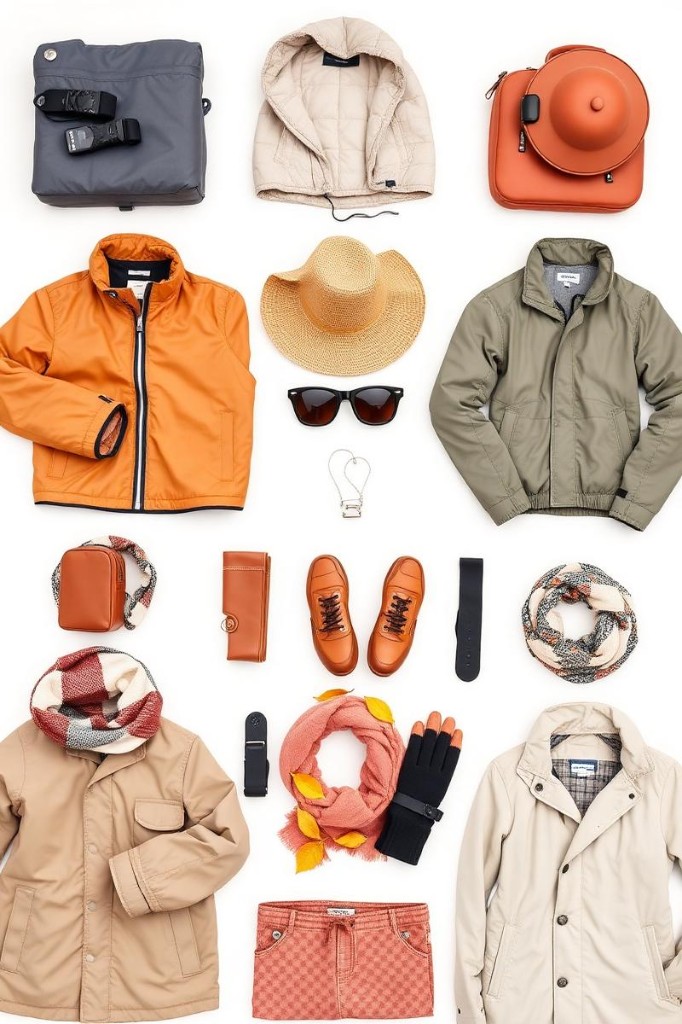
Travel clothing and gear by season

💰 Seasonal budget

PeriodCity Accommodation (€/night)Transport (€/day)Restaurants (€/day)Attractions (€)Traffic
Summer (Dec-Feb)25-458-1512-255-20⭐⭐
Autumn (Mar-May)30-5510-1815-308-25⭐⭐⭐
Winter (Jun-Aug)40-7512-2018-3510-30⭐⭐⭐⭐⭐
Spring (Sep-Nov)35-6010-1815-288-22⭐⭐⭐

💡 Money-saving tips

Transport: Use local shared taxis, which are more economical than private ones • Accommodation: Family guesthouses offer excellent value for money • Dining: Local markets offer authentic meals at low prices • Activities: Many hiking trails and viewpoints are free • Negotiation: Haggling is common in craft markets

🏥 Health and precautions

Altitude: Siteki at 600m / 1,969ft may require slight adaptation • Sun: Enhanced sun protection due to altitude and subtropical climate • Hydration: Drink regularly, especially during hikes • Malaria: Low-risk area but prevention recommended • Pharmacies: Available in the city center, limited hours on weekends

Cultural events

Calendar of must-see events in Siteki

Cultural events punctuate life in Siteki and offer an authentic immersion into traditional and contemporary Swazi culture.

🎭 Swazi Cultural Festival (July)

A major celebration of traditional Swazi culture featuring dance, music, crafts, and local gastronomy. The event transforms the city center into a true open-air cultural theater.

Location: Cultural center and main streets of Siteki
Highlight: Participation of surrounding rural communities in traditional attire
Climate impact: Ideal winter period, clear skies, peak tourist traffic requiring advance booking
Transport access: Special shuttles from Mbabane and Manzini
Planning tip: Book accommodation 2-3 months in advance; prices double during the event

🌾 Harvest Festival (March-April)

A traditional celebration marking the end of the agricultural season with special markets, local product tastings, and community ceremonies in a friendly atmosphere.

Location: Central markets and public squares
Highlight: Free tastings of local specialties and culinary demonstrations
Climate impact: Pleasant transitional climate, fewer tourists, preserved authentic atmosphere
Transport access: Accessible by local transport from major towns
Planning tip: Less touristy event, standard booking is sufficient

🎨 Christmas Craft Market (December)

A market specializing in traditional Swazi crafts with demonstration workshops, sales of authentic items, and festive entertainment in the spirit of the holiday season.

Location: Central square and shopping streets
Highlight: Participatory workshops for creating traditional objects
Climate impact: Rainy season with possible showers, indoor coverage provided, warm atmosphere despite humidity
Transport access: City center walkable from all accommodations
Planning tip: School holiday period, book early for families

Seasonal events

Summer: • Tropical fruit markets (January-February) • Local music festivals (summer weekends) • Swazi New Year celebrations

Autumn: • Regional agricultural fairs (March-April) • Traditional sports competitions • Local beer festivals

Winter: • Main cultural festival (July) • Craft competitions (August) • Independence celebrations

Spring: • Renaissance festivals (September) • Spring markets (October-November) • Summer festival preparations

Responsible tourism

Discovering Siteki responsibly helps preserve the cultural authenticity and exceptional natural environment of this Eswatini region.

Sustainable tourism in Siteki involves respecting local communities, preserving the fragile mountain environment, and supporting the local economy. Prioritize community initiatives and practices respectful of Swazi culture.

🌱 Low-season advantages

Visiting during intermediate seasons (autumn/spring) reduces tourist pressure, allows for more authentic exchanges with residents, and contributes to a balanced distribution of tourism income.

♻️ Sustainable travel tips

Local transport: Use shared taxis and support local drivers • Accommodation: Choose family guesthouses rather than chains • Dining: Prioritize restaurants serving local products • Shopping: Buy directly from local artisans • Waste: Respect the cleanliness of natural sites • Water: Save water, a precious resource in the mountain region

🏙️ Local sustainable initiatives

Siteki is developing community ecotourism projects including hiking trails maintained by residents, traditional craft workshops, and local wildlife conservation programs. Income benefits rural communities directly.

Our recommendations

Recommendations for your city-trip to Siteki

After analyzing climatic data, tourist traffic, and cultural events, here are our personalized tips to optimize your discovery of Siteki. This authentic Eswatini destination reveals its charms differently depending on the season, between subtropical climate and rich Swazi culture.

🏆 Optimal period

Recommended months: May to September (dry season)

Advantages:
• Dry and sunny climate with exceptional mountain visibility
• Ideal temperatures for hiking and outdoor activities
• Roads in excellent condition for exploring the region
• Swazi Cultural Festival in July, a major authentic event
• Optimal photographic conditions with clear skies

Key events: Swazi Cultural Festival (July), craft competition (August), independence celebrations
Disadvantages: Cool mornings requiring warm clothing, higher accommodation prices in high season
Ideal profile: Hiking enthusiasts, culture lovers, photographers
Stay duration: 3 to 5 days recommended

🌟 Interesting alternative

Alternative months: March-April and October-November

Description: Transitional periods offering an excellent compromise between pleasant climate, moderate prices, and preserved authenticity with fewer tourists.

Specific advantages: More accessible accommodation rates, more authentic interactions with locals, Harvest Festival in March-April, changing vegetation offering varied landscapes
For whom: Budget travelers, families, local culture lovers, nature photographers

👥 Tips for your travel style

Family: Autumn/spring, family guesthouses, cultural activities, organized transport, 3-4 days
Budget: Intermediate seasons, local accommodation, free markets and sites, public transport, 2-3 days
Culture: July for the festival, craft workshops, community meetings, city center, 4-5 days
Romantic: May-June, panoramic viewpoints, traditional restaurants, charming accommodation, 3 days
Weekend: Any season except summer, compact city center, concentrated activities, 2 days
First trip: Dry winter (June-August), guided tours, comfortable accommodation, organized itinerary

⚠️ Periods to avoid

Months not recommended: December-February (austral summer)

Reasons: Significant rainfall making some roads difficult, high humidity, frequent afternoon thunderstorms limiting outdoor activities
Nuances: Acceptable for lovers of tropical climate and lush vegetation, ideal period to discover local crafts indoors

Villes du même pays

All cities

Frequently Asked Questions

Answers to essential questions for planning your stay in Siteki based on climate and cultural specifics.

What is the best month to visit Siteki?

July-August offer optimal conditions with a dry climate, pleasant temperatures (6-23°C / 43-73°F), and the major Swazi cultural festival. May-June are an excellent alternative with fewer tourists and more moderate prices. Avoid December-February due to frequent rain, unless you enjoy the humid tropical atmosphere and lush vegetation.

How many days should I plan for Siteki?

3 to 4 days are enough to discover the essentials: cultural center, local markets, hill hiking, and craft workshops. Allow at least 2 days for a quick overview, or 5-6 days for a complete immersion including the surroundings and in-depth cultural activities. The town's human scale makes it easy to get around on foot.

What to do in Siteki when it rains?

Rainy days are perfect for discovering the Swazi cultural center, participating in traditional craft workshops, exploring the central covered market, and tasting local cuisine in traditional restaurants. The municipal library often hosts temporary exhibitions. These activities offer an authentic cultural immersion sheltered from the weather.

Which events should not be missed in Siteki?

The Swazi Cultural Festival in July is the major event with traditional dances, music, and crafts. The Harvest Festival (March-April) offers a more authentic experience with fewer tourists. The Christmas Craft Market (December) allows you to discover local art. Each season offers specialized markets and community celebrations.

What budget should I plan according to the season?

Expect 60-90€/day in high season (June-August) including accommodation, meals, and activities. Intermediate seasons (March-May, September-November) allow for a budget of 45-70€/day. The austral summer (December-February) is the most economical at 35-60€/day. Accommodation prices vary the most, sometimes doubling during the July festival. Transport and dining remain affordable year-round.