When to visit the Lofoten Islands? Nature Guide

A mythical archipelago between winter northern lights and summer midnight sun, each season reveals a unique facet of these Norwegian islands.

  • 24,500 inhabitants population
  • Norwegian language
  • 180 days rainy days/year
  • from May to September best time to visit
  • 4 to 7 days recommended stay

Climate of the Lofoten Islands

Understanding the subpolar oceanic climate of the Lofoten Islands

The Lofoten Islands enjoy a subpolar oceanic climate that is remarkably temperate for their Arctic latitude, thanks to the Gulf Stream. This maritime influence moderates temperatures but brings high humidity and constant winds.

  • West Coast: Exposed to Atlantic winds, wetter and windier
  • East Coast: More sheltered, slightly drier and sunnier
  • Mountain Peaks: Alpine conditions with persistent snow
MonthTemp. min/max (°C / °F)Precipitation (mm / in)Sunshine (h/day)Tourist TrafficRecommended Activities
January-2/2°C / 28/36°F95mm / 3.7in0⭐⭐Northern lights, fishing
February-2/2°C / 28/36°F75mm / 3.0in2⭐⭐Northern lights, cross-country skiing
March-1/3°C / 30/37°F70mm / 2.8in5⭐⭐⭐Northern lights, winter hiking
April1/6°C / 34/43°F60mm / 2.4in8⭐⭐⭐Fishing, photography
May5/11°C / 41/52°F55mm / 2.2in12⭐⭐⭐⭐Hiking, kayaking
June9/15°C / 48/59°F65mm / 2.6in18⭐⭐⭐⭐⭐Midnight sun, trekking
July12/18°C / 54/64°F80mm / 3.1in16⭐⭐⭐⭐⭐Hiking, climbing
August11/17°C / 52/63°F90mm / 3.5in12⭐⭐⭐⭐⭐Fishing, camping
September8/13°C / 46/55°F110mm / 4.3in8⭐⭐⭐⭐Northern lights, autumn colors
October4/8°C / 39/46°F125mm / 4.9in4⭐⭐⭐Northern lights
November1/5°C / 34/41°F100mm / 3.9in1⭐⭐Northern lights, storms
December-1/3°C / 30/37°F90mm / 3.5in0⭐⭐Northern lights, polar night

Altitude drastically influences the climate: the peaks remain snow-covered for much of the year while the coasts benefit from maritime mildness. The fjords create sheltered microclimates.

The Seasons

Sites by Weather

The Lofoten Islands offer varied experiences depending on weather conditions. Optimize your stay by choosing the right activities at the right time.

☔ In overcast/rainy weather

Sheltered activities and heritage

When the weather turns bad, take refuge in the cultural treasures and indoor spaces of Lofoten.

Recommended Sites:
🏛️ Lofoten Museum in Kabelvåg (2h, 120 NOK, all year)
🎨 Lofoten House Gallery in Henningsvær (1.5h, free, March-October)
⛪ Vågan Cathedral (45min, free, all year)
🐟 Fishing Museum in Å (1.5h, 80 NOK, May-September)
🏪 Artisan centers in Svolvær (variable, free, all year)
☕ Traditional cafes with a view (Henningsvær, Nusfjord)

Practical tip: Book guided tours online, some museums offer discounts in rainy weather

Additional tip: Combine several cultural sites in Kabelvåg, the historic center of Lofoten
☀️ In good weather

Great outdoors and panoramas

Good weather reveals all the natural splendor of Lofoten with its breathtaking landscapes.

Must-see sites:
🏔️ Reinebringen (3h round trip, sunrise recommended)
🌊 Kvalvika Beaches (6h round trip, camping possible)
⛰️ Ryten for view of Kvalvika (4h round trip, golden hour)
🏔️ Munkebu Hut from Sørvågen (3h round trip, 360° panorama)
🌅 Uttakleiv Beach (easy access, sunset)
📸 Hamnøy and its rorbuer (30min, photography)

Best time: Sunrise and sunset for golden light, midnight sun in summer

Seasonal tip: Avoid hiking in high heat, prefer early morning or evening

🌤️ Versatile for all weather

Adaptable experiences

These sites offer alternatives depending on conditions, perfect for a flexible schedule.

Flexible sites:
🚗 E10 scenic route (panoramic drive)
🎣 Fishing villages (Nusfjord, Reine, Henningsvær)
🛶 Fjord kayaking (conditions permitting)
🚢 Short cruises (cancellation if storm)

Weather tip: Start outdoors if clear, retreat to villages if conditions degrade

Example itinerary: Morning hike if clear, afternoon villages and museums if cloudy

💰 Free or budget-friendly

Accessible discovery

Sites with no fees:
🌊 All beaches and viewpoints
🏘️ Wandering in fishing villages
📸 Iconic photo spots (Hamnøy, Reine)
🥾 Hiking trails (free access)

Budget tips: Picnics with a view, wild camping allowed, landscape photography, marine wildlife observation

Practical Guide

The Lofoten Islands require preparation adapted to changing Arctic conditions. Between fickle weather and extreme seasonal variations, here are our tips to optimize your stay in this unique archipelago.

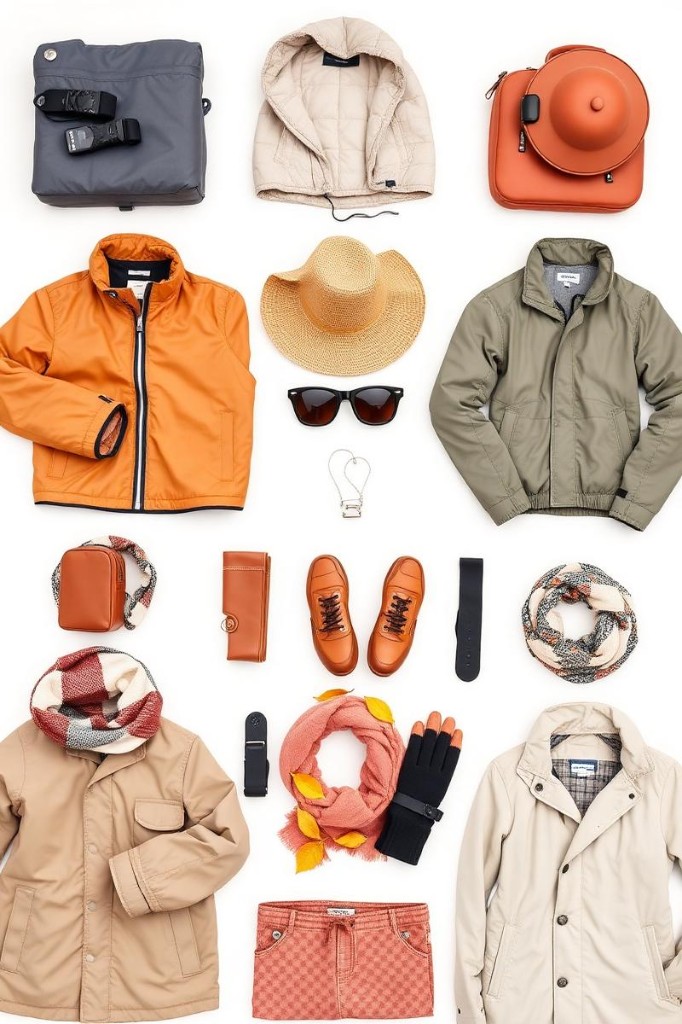
👕 Seasonal packing

Winter: • Multi-layer thermal clothing • Waterproof windproof parka • Warm non-slip boots • Fleece gloves and hat • Ice crampons

Spring: • Modular 3-layer system • Breathable waterproof jacket • Waterproof hiking boots • Sun protection (snow glare)

Summer: • Light clothing + warm layers • Light windbreaker • Hiking boots • Reinforced sun protection • Compact rain gear

Autumn: • Warm waterproof clothing • Multiple layers • Good waterproof shoes • Protected photographic equipment
Travel clothing and gear by season

💰 Seasonal budget

PeriodAccommodation (€/night)Transport (€/day)Restaurants (€/day)Activities (€)Traffic
Winter (Dec-Feb)80-15060-8050-8050-100⭐⭐
Spring (Mar-May)100-20070-9060-9060-120⭐⭐⭐
Summer (Jun-Aug)200-40080-12080-12080-150⭐⭐⭐⭐⭐
Autumn (Sep-Nov)120-25070-10060-10060-130⭐⭐⭐

💡 Money-saving tips

• Book accommodation well in advance in summer to avoid exorbitant prices • Choose 'rorbuer' (fishermen's cabins) for authenticity • Cook in equipped accommodations • Enjoy free hikes • Avoid tourist restaurants in iconic villages

🏥 Health and precautions

Reinforced UV protection (snow/water reflection) • Constant hydration despite the cold • Beware of sudden weather changes in the mountains • First aid kit for isolated hikes • Check avalanche conditions in winter • Respect marine wildlife (seals, birds)

Natural Phenomena

Calendar of exceptional natural phenomena in the Lofoten Islands

The Lofoten Islands offer unique natural spectacles depending on the season, from the northern lights to the midnight sun, creating unforgettable experiences.

🌌 Northern Lights (September to March)

The northern lights transform the polar nights into a magical spectacle, dancing above the fjords and snow-capped mountains. An unpredictable but frequent phenomenon on clear nights.

Location: Throughout the archipelago, with prime spots at Uttakleiv and Haukland Beach

Feature: Reflections in the fjords and a mountain setting unique in the world

Climate impact: Requires clear skies, best chances between 6 PM and 2 AM, cool temperatures

Access: Car essential to reach isolated spots

Tip: Book accommodations with aurora alerts, bring warm gear

☀️ Midnight Sun (Late May to Mid-July)

The sun never sets, creating a permanent golden light that turns the landscapes into a fairytale setting 24/7. A unique experience of continuous daylight.

Location: Throughout the archipelago, particularly spectacular from the peaks

Feature: Photography possible at any hour, surreal atmosphere

Climate impact: Milder temperatures, activities possible 24/7, boosted energy levels

Access: All viewpoints are accessible, nocturnal hikes possible

Tip: Sleep mask essential, plan activities throughout the day

🌊 Winter Storms (October to February)

Atlantic storms offer a dramatic spectacle of giant waves and violent winds, revealing the power of the Arctic nature.

Location: Exposed west coasts, particularly impressive at Unstad

Feature: Waves can exceed 10 meters / 33 feet, spectacular sea spray

Climate impact: Dangerous conditions, roads sometimes closed, watch from a distance

Access: Observe from secure points, avoid coastal proximity

Tip: Check weather alerts, stay at a respectful distance from the sea

Seasonal events

Winter: • Polar night (December-January) • Traditional cod fishing (January-April) • Surfing in wetsuits (all year)

Spring: • Bird migration (April-May) • Spectacular thaw (March-April) • Last northern lights (March)

Summer: • Arctic blooming (June-July) • Whale watching (June-September) • Photographic white nights

Autumn: • Autumn colors (September) • First northern lights (September) • Coastal storms (October-November)

Responsible Tourism

The Lofoten Islands, a fragile Arctic ecosystem, require a respectful approach to preserve their exceptional natural beauty and traditional cultural authenticity.

Responsible tourism in Lofoten implies respect for the fragile nature and local communities. Prioritize local providers, respect the rules of wild camping, limit your environmental impact, and contribute to the local economy rather than international chains.

🌱 Low-season advantages

Visiting outside the summer season reduces tourist pressure on the fragile environment, allows for a more authentic experience with locals, and helps spread the economic impact throughout the year.

♻️ Sustainable travel tips

• Scrupulously respect Norwegian wild camping rules • Use public transport when available • Consume locally (fish, farm products) • Take all your waste with you • Stay on marked trails • Avoid disturbing marine and terrestrial wildlife

🏙️ Local sustainable initiatives

Lofoten is developing sustainable tourism: environmental certification of accommodations, promotion of slow travel, protection of nesting sites, awareness of respect for nature, and support for traditional fishing activities.

Our Recommendations

Recommendations for your trip to the Lofoten Islands

After analyzing weather conditions, tourist traffic, and natural phenomena, here are our personalized recommendations to optimize your discovery of the Lofoten Islands. Each period offers its advantages depending on your priorities: northern lights, midnight sun, hiking, or controlled budget.

🌟 Optimal Period: June to August

Recommended Months: June, July, August

Advantages:
• Magical midnight sun and exceptional light
• All hiking trails accessible
• Most mild and stable weather
• Calm sea for water activities
• Lush vegetation and Arctic flowers

Key Events: Midnight sun, Arctic blooming, whale watching

Disadvantages: High tourist traffic, high prices

Ideal Profile: Hikers, photographers, families with children

Stay duration: 5 to 7 days recommended

⚖️ Balanced Alternative: May and September

Alternative Months: May, September

Description: Perfect compromise between favorable conditions and moderate attendance, with unique natural phenomena depending on the chosen period.

Specific Advantages: Fewer tourists, more affordable prices, northern lights (September), exceptional colors

For whom: Flexible travelers, aurora hunters, photographers, intermediate budgets

👥 Tips for your travel style

Family: June-August, Svolvær/Kabelvåg accommodations, gentle activities, safe beaches

Budget: May or September, camping, self-catering, free hikes

Photographer: September-March (auroras) or June-July (midnight sun), isolated spots

Hikers: June-September, all levels accessible, optimal weather

Northern Lights: September-March, accommodations with alerts, weather flexibility

First trip: June-August, complete discovery, mild conditions

⚠️ Delicate Periods: November to February

Months concerned: November, December, January, February

Reasons: Polar night, very unpredictable weather, numerous closures, difficult conditions

Nuances: Perfect for experienced aurora hunters and lovers of authentic polar atmosphere

Villes du même pays

All cities

Frequently Asked Questions

Answers to essential questions to help you plan your trip to the Lofoten Islands according to your priorities and constraints.

What is the best time to visit the Lofoten Islands?

The optimal period is from June to August to enjoy the midnight sun and the best hiking conditions. For the northern lights, focus on September to March. May and September offer an excellent compromise with fewer crowds and more affordable prices, while maintaining good weather conditions.

How many days should I plan for the Lofoten Islands?

4 to 7 days minimum to discover the essentials: iconic villages (Reine, Henningsvær), main hikes (Reinebringen, Kvalvika), and natural phenomena. A week allows for more in-depth exploration with longer hikes. Plan for extra days in winter to adapt to weather conditions.

What to do in the Lofoten Islands in bad weather?

Take refuge in the Kabelvåg museums, explore the art galleries of Henningsvær, visit traditional fishing villages like Nusfjord, or enjoy the cafes with a view. The 'rorbuer' (fishermen's cabins) offer an authentic experience. It is also an opportunity to discover local crafts and Nordic gastronomy.

Which natural phenomena should not be missed in the Lofoten Islands?

The northern lights (September to March) and the midnight sun (late May to mid-July) are the two must-see experiences. Add whale watching (summer), Arctic blooming (June-July), and spectacular winter storms for nature lovers. Each season reveals unique phenomena.

What budget should I plan according to the season?

In summer (June-August): €150-300/day for 2 people (accommodation, meals, transport). Winter: €100-200/day with lower prices but limited activities. Shoulder seasons: €120-250/day, a good compromise. The Lofoten Islands remain a premium destination, but camping and self-catering can significantly reduce costs.