When to visit Valletta? City-Trip Guide

Discover the Maltese capital by season: from winter charm to lively summer festivals.

  • 0.006 M population
  • Maltese, English language
  • 75 days rainy days/year
  • from April to June and September to November best time to visit
  • 2 to 4 days recommended stay

Mediterranean Climate of Valletta

Understanding the island Mediterranean climate of Valletta

Valletta enjoys a Mediterranean climate influenced by its island location. The urban effect concentrated in this small capital creates a slightly warmer microclimate, while the maritime proximity tempers thermal extremes throughout the year.

  • Historic Center: Urban heat island effect with limestone retaining heat
  • Ports and Waterfronts: Temperatures moderated by sea breezes
  • City Heights: Exposure to prevailing north-westerly winds
MonthMin/Max Temp. (°C / °F)Precipitation (mm / in)Sunshine (h/day)Tourist TrafficRecommended Activities
January10/15°C / 50/59°F90 / 3.55⭐⭐Museums, cafes, architecture
February10/16°C / 50/61°F60 / 2.46⭐⭐Heritage, gastronomy
March12/18°C / 54/64°F40 / 1.67⭐⭐⭐Walks, gardens
April14/21°C / 57/70°F25 / 1.08⭐⭐⭐⭐Terraces, festivals
May18/25°C / 64/77°F10 / 0.410⭐⭐⭐⭐All outdoor activities
June22/29°C / 72/84°F5 / 0.211⭐⭐⭐⭐⭐Ports, evenings
July25/32°C / 77/90°F2 / 0.112⭐⭐⭐⭐⭐Sunrise/sunset
August25/32°C / 77/90°F10 / 0.411⭐⭐⭐⭐⭐Festivals, nightlife
September22/28°C / 72/82°F35 / 1.49⭐⭐⭐⭐Heritage, gastronomy
October19/24°C / 66/75°F70 / 2.87⭐⭐⭐Culture, walks
November15/20°C / 59/68°F85 / 3.36⭐⭐Museums, theaters
December12/17°C / 54/63°F110 / 4.35⭐⭐Christmas markets

Despite its modest relief (56m / 184ft max), Valletta presents microclimates depending on exposure to sea winds and the orientation of narrow streets that create cooling corridors or sheltered areas.

The Four Seasons

Must-sees according to the weather

Optimize your discovery of Valletta by adapting your visits to the weather conditions. This organization will allow you to fully enjoy every moment of your stay.

☔ In overcast/rainy weather

Protected Heritage

Rainy days reveal the indoor treasures of Valletta, particularly rich in this historic capital.

Must-see sites:
🏰 Grandmaster's Palace (2h, €10, Oct-Mar optimal)
⛪ St. John's Co-Cathedral (1h30, €15, morning recommended)
🎭 Manoel Theatre (45min, €8, guided tours)
🏛️ National Museum of Archaeology (1h30, €5, afternoon)
🎨 MUZA - Fine Arts Museum (2h, €10, all day)
📚 National Library (free, morning)
🍷 Traditional wine cellars (1h, €12)

Practical Tip: Book online to avoid queues. The Malta Heritage Pass (€20) provides access to several sites.

Additional Tip: Link nearby sites in the historic center. Short distances allow you to run between monuments.

☀️ In good weather

Open-air Splendors

The Maltese sun reveals all the architectural beauty and exceptional panoramas of this fortified capital.

Outdoor experiences:
🌅 Upper Barrakka Gardens (free, sunrise/sunset)
🏰 Fortifications and ramparts (2h, free route)
⛵ Grand Harbour and ports (1h, walk)
🚶 Republic Street and alleys (free, all day)
📸 Lower Barrakka Gardens (free, golden hour)
🏛️ St. George's Square (free, morning market)
🌊 Waterfront promenade (1h, ideal evening)

Best time of day: Sunrise at 6:30 AM over Grand Harbour, sunset at 7:00 PM from Upper Barrakka for magical photos.

Season Tip: April-June and September-October are optimal. Avoid 12 PM-4 PM in July-August (too hot on the stones).

🌤️ Versatile for any weather

Guaranteed Flexibility

These sites combine covered and open spaces to adapt instantly to weather changes.

Adaptable sites:
🏪 Covered markets and terraces (morning, free)
🍽️ Restaurants with retractable terraces
🛍️ Craft shops with interior courtyards
⛪ Churches with panoramic forecourts
🎪 Conference center with gardens

Weather Tip: Start outside if the morning is nice, retreat inside if weather degrades.

Example itinerary: Morning Barrakka Gardens → if rain: museums → clearing: rampart walks → evening covered restaurants.

💰 Free or economical

Controlled Budget

Valletta offers many high-quality free experiences for all budgets.

No cost:
🌳 All public gardens and panoramas
🏛️ Exterior architecture and squares
🚶 Free heritage circuit
⛪ Churches (excluding co-cathedral)
🎭 Street performances (summer)

Free days: First Sunday of the month for some national museums, free concerts in Upper Barrakka Gardens (summer).

Budget tips: Picnics in public gardens, happy hours on terraces 5 PM-7 PM, local food markets in the morning.

Practical Guide

Prepare your city-trip to Valletta by adapting your gear and budget to the climatic specifics of this compact but hilly Mediterranean capital.

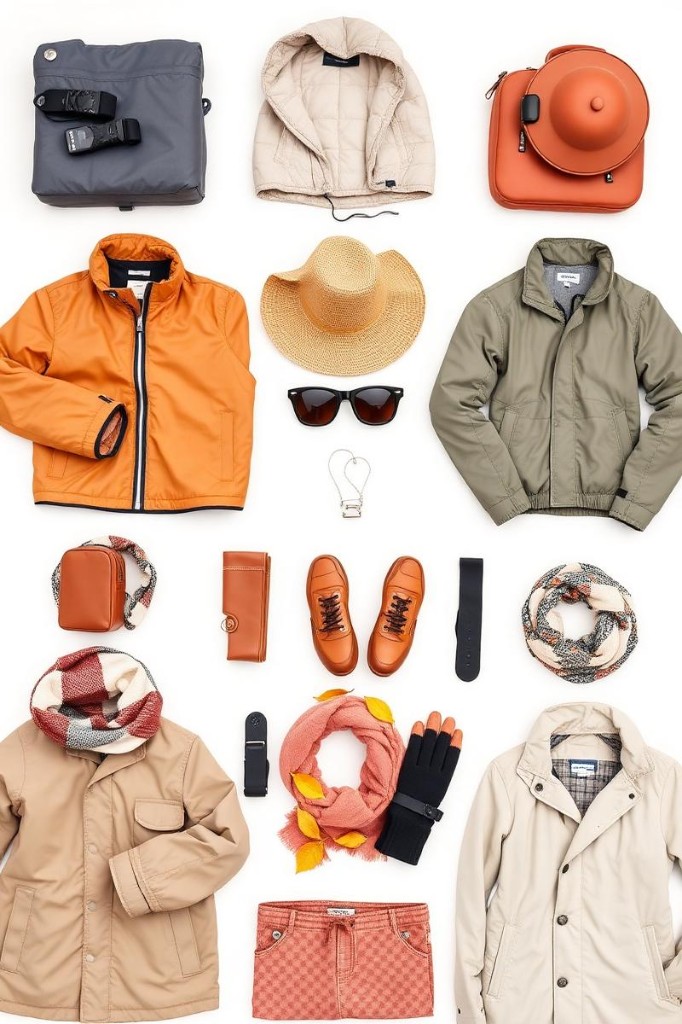
👕 Seasonal packing

Winter (Dec-Feb): • Non-slip shoes (slippery stones) • Waterproof windbreaker • Layered clothing • Compact umbrella
Spring (Mar-May): • Comfortable walking sneakers • Light evening jacket • Sunglasses • Light backpack
Summer (Jun-Aug): • Breathable shoes • Hat/cap • High SPF sunscreen • Light, covering clothing • Water bottle
Autumn (Sep-Nov): • Waterproof shoes • Mid-season jacket • Umbrella • Light evening scarf
Travel clothing and gear by season

💰 Seasonal budget

PeriodCentral Accommodation (€/night)Transport (€/day)Restaurants (€/day)Attractions (€)Crowds
Winter45-801525-4030-50⭐⭐
Spring65-1202030-5040-60⭐⭐⭐
Summer120-2502540-7050-80⭐⭐⭐⭐⭐
Autumn70-1402030-5535-65⭐⭐⭐

💡 Money-saving tips

• Malta Heritage Pass (€20) is cost-effective from 3 paid sites • Lunch restaurants are 30% cheaper than dinner • Sliema/St Julian's accommodation is 20% cheaper with frequent buses • Free concerts in public gardens in summer • 7-day unlimited transport (€21) is optimal for exploring

🏥 Health and precautions

• Increased hydration in summer (limestone reflects heat) • Non-slip shoes (paved streets slippery when wet) • SPF 50+ sunscreen (maritime glare) • 24h pharmacies on Republic Street • Intensive walking expected (hilly pedestrian city)

Major Cultural Events

Calendar of must-see events in Valletta

Valletta vibrates to the rhythm of exceptional cultural events that transform the urban atmosphere and significantly enrich the tourist experience.

🎭 Valletta International Baroque Festival (January)

Internationally renowned baroque music festival held in Valletta's historic churches and palaces. The exceptional acoustics of these heritage sites offer a unique musical experience.

Location: St. John's Co-Cathedral, Manoel Theatre, Grandmaster's Palace

Feature: Concerts in period architectural settings with candlelight

Climate Impact: Ideal winter period for indoor events, enhanced intimate atmosphere, accommodation bookings required 2 months in advance

Transport Access: Special shuttles from airport, temporary parking in Floriana

Planning Tip: Tickets on sale in October, accommodation+concert packages available

🌙 Notte Bianca (October)

A cultural 'white night' transforming Valletta into an open-air museum. Free museums, street performances, art installations, and exceptional access to sites usually closed to the public.

Location: Entire historic center, streets, squares, monuments

Feature: Free access to all cultural sites from 7 PM to 2 AM

Climate Impact: Ideal autumn temperature for night strolls, record attendance (50,000 visitors), reinforced transport

Transport Access: Free surface metro, city center closed to traffic

Planning Tip: Book accommodation 3 months in advance, arrive early to avoid maximum crowds

🎪 Malta International Arts Festival (July)

Multidisciplinary festival occupying public spaces with theater, dance, music, and visual arts. The fortifications become natural stages for open-air performances.

Location: Pjazza Teatru Rjal, Upper Barrakka Gardens, ramparts, historic squares

Feature: Contemporary creations in baroque settings, international artistic collaborations

Climate Impact: Summer heat necessitates evening/night performances, maximum festive atmosphere, annual peak in accommodation prices

Transport Access: Special night shuttles, extended public transport hours

Planning Tip: Booking mandatory 4 months in advance, festival+accommodation packages recommended

Seasonal events

Winter: • Malta Carnival (February-March, Republic Street parades) • Mediterranean Film Festival (January) • Upper Barrakka Christmas Markets (December)
Spring: • Holy Week processions (March-April) • Food Festival (May) • Feast of St. Joseph (March)
Summer: • Malta Jazz Festival (July) • Grand Harbour Fireworks (August) • Folklore Festival (June-August)
Autumn: • Heritage Malta Month (September) • Literary Festival (October) • Birgufest (October)

Responsible Urban Tourism

Adopt responsible urban tourism in Valletta by favoring less crowded periods and practices respectful of this exceptional world heritage.

Valletta, the smallest capital in Europe, requires a respectful approach: prioritize walking, support local crafts over international chains, manage waste in this dense city, respect the tranquility of residents, and avoid overcrowding fragile sites.

🌱 Low-season advantages

Visiting outside the summer season reduces tourist pressure on limited infrastructure, allows for a more authentic experience with the Maltese, reduces carbon footprint, and preserves fragile heritage sites.

♻️ Sustainable travel tips

• Exclusive walking (entirely pedestrian city) or public transport • Maltese family restaurants vs tourist chains • Certified eco-responsible local accommodation • Reusable water bottle (public fountains available) • Less frequented alternative heritage circuits • Authentic local craft purchases

🏙️ Local sustainable initiatives

Valletta develops sustainable initiatives: reinforced pedestrianization of the historic center, greening of public squares, generalized selective sorting, promotion of local crafts, LED heritage lighting, electric shuttles, and ecotourism labels for accommodation.

Our Expert Recommendations

Personalized recommendations for your city-trip to Valletta

After analyzing climatic, cultural, and tourist data, here are our personalized tips to optimize your stay in the Maltese capital. These recommendations balance favorable weather, reasonable attendance, event richness, and controlled budget for an optimal urban experience.

🌟 Optimal Period: April-May and September-October

Recommended Months: April, May, September, October

Advantages:
• Ideal climate 18-25°C / 64-77°F for intensive urban walking
• Moderate attendance allowing for true discovery
• Intermediate accommodation prices (€65-140/night)
• Rich cultural seasons (spring/autumn festivals)
• Exceptional photographic light
• Terraces open without excessive heat

Key Events: Food Festival (May), Notte Bianca (October), Barrakka Gardens concerts

Disadvantages: Booking recommended 1 month in advance, some possible showers

Ideal Profile: All travelers, especially couples and families

Stay Duration: 3-4 days recommended

💡 Interesting Alternative: February-March

Alternative Months: February, March

Description: Authentic discovery of Valletta with preserved local atmosphere and very attractive rates. The mild winter climate allows for comfortable sightseeing.

Specific Advantages: Unbeatable accommodation rates (€45-80), sites without crowds, accessible local restaurants, exceptional Maltese Carnival

For Whom: Tight budgets, heritage lovers, photographers, seniors

👥 Tips for your travel style

Family: April-May optimal, Sliema accommodation with bus, Barrakka Gardens + interactive museums
Budget: February-March, Paceville hostels, public transport, free sites + local markets
Culture: October (Notte Bianca), historic center, all museums + festivals
Romantic: September-October, Valletta boutique-hotel, Upper Barrakka sunsets + gourmet restaurants
Weekend: April-June, 2-3 days, essential heritage + terraces
First Trip: May or September, guided tour + free time, central accommodation

⚠️ Periods to avoid: July-August

Months not recommended: July, August

Reasons: Excessive heat on limestone (32°C+ / 90°F+), extreme overcrowding, prohibitive prices (€120-250/night), bookings mandatory 6 months in advance

Nuances: Acceptable for festival lovers and intense nightlife, young travelers accustomed to strong heat

Villes du même pays

All cities

Frequently Asked Questions

Answers to essential questions for planning your city-trip to Valletta according to optimal weather conditions.

What is the best month to visit Valletta?

May and October offer the best balance of climate, crowds, and prices. May enjoys perfect weather (20-25°C / 68-77°F) with the start of the cultural season. October combines autumn mildness, major events like Notte Bianca, and moderate rates. Avoid July-August (too hot and expensive) and December-January (rainy, though charming for the local atmosphere).

How many days should I plan for Valletta?

3 days is ideal for this compact capital. Day 1: major heritage (Co-Cathedral, Grandmaster's Palace). Day 2: fortifications, gardens, panoramas. Day 3: museums, shopping, terrace relaxation. History buffs can extend to 4-5 days by including neighboring towns. A 2-day weekend allows seeing the essentials at a fast pace.

What to do in Valletta when it rains?

Valletta excels in rainy weather! Visit St. John's Co-Cathedral (baroque masterpiece), the Grandmaster's Palace, MUZA, and the Museum of Archaeology. The Manoel Theatre offers guided tours. Traditional Maltese cafes offer a warm refuge. Art galleries and craft shops on Republic Street allow for cultural shopping. Wine cellars organize indoor tastings.

Which events should not be missed in Valletta?

Notte Bianca (October) transforms the city into a free night museum. The International Baroque Festival (January) takes over historic churches. The Malta International Arts Festival (July) enlivens squares and ramparts. The Maltese Carnival (February-March) parades down Republic Street. Free concerts in Upper Barrakka Gardens brighten summer evenings. Each season brings its specific cultural richness.

What budget should I plan according to the season?

Budget varies greatly by season. Winter (Dec-Feb): €80-120/day (accommodation €45-80). Spring/Autumn: €120-180/day (accommodation €65-140). Summer: €200-350/day (accommodation €120-250). Includes central lodging, meals, transport, attractions. Savings possible: Sliema accommodation (-20%), lunch restaurants (-30%), free sites, unlimited public transport (€21/week).