When to visit Albania? Complete 2026 Guide

Between the Adriatic Sea and the Albanian mountains, discover the secrets of a Mediterranean climate with multiple seasonal facets.

  • 2.8 million population
  • Albanian language
  • 95 days rainy days/year
  • May to September best time to visit
  • 7 to 14 days recommended stay

Weather and Climate in Albania

Understanding Albania's diverse Mediterranean climate

Albania enjoys three distinct climate zones influenced by the Adriatic Sea, the Albanian Alps, and its Mediterranean position. This geographical diversity offers varied climatic experiences depending on the regions visited.

  • Adriatic Coast: Mild Mediterranean climate with hot summers and temperate winters
  • Central Plains: Transition zone with more contrasting temperatures and moderate rainfall
  • Northern and Eastern Mountains: Continental climate with harsh winters and cool summers
MonthTemperature (°C / °F)Precipitation (mm / in)Sunshine (h/day)
January8-12°C / 46-54°F135 / 5.34
February9-14°C / 48-57°F125 / 4.95
March12-17°C / 54-63°F110 / 4.36
April15-21°C / 59-70°F95 / 3.77
May19-25°C / 66-77°F75 / 3.09
June23-29°C / 73-84°F45 / 1.811
July25-32°C / 77-90°F25 / 1.012
August25-32°C / 77-90°F35 / 1.411
September22-28°C / 72-82°F65 / 2.69
October18-23°C / 64-73°F115 / 4.57
November13-18°C / 55-64°F155 / 6.15
December9-13°C / 48-55°F145 / 5.74

Variations in altitude create marked microclimates, from sunny beaches to the snow-capped peaks of the Albanian Alps.

Albanian Seasons

Climate by Albanian Region

Albania's topographical diversity creates distinct microclimates depending on the region. From the Mediterranean coast to the continental mountains, each zone offers its own climatic characteristics.

🏖️ Albanian Riviera

The Albanian Riviera enjoys the mildest Mediterranean climate in the country. This coastal region stretches from Vlora to Saranda, offering ideal conditions for seaside tourism with over 300 days of sunshine per year.

PeriodWeatherTemperatureActivities
May-SeptSunny20-30°C / 68-86°FBeach, water sports
Oct-AprilMild10-20°C / 50-68°FSightseeing, coastal hiking

Specifics: Refreshing sea breezes in summer, mildest winters in the country, minimal rainfall from June to August.

🏔️ Albanian Alps

The Albanian Alps in the north have a continental mountain climate. This region offers spectacular landscapes with significant climatic variations depending on altitude, creating a unique environment for mountain lovers.

PeriodWeatherTemperatureActivities
June-SeptCool/pleasant15-25°C / 59-77°FHiking, mountaineering
Oct-MayCold/snowy-5-15°C / 23-59°FWinter sports, relaxation

Specifics: Snow possible 5 months a year, temperatures can drop to -10°C / 14°F, short but beautiful summers.

🌾 Central Plains

The central plains around Tirana experience a transition climate between Mediterranean and continental influences. This area concentrates the majority of the population and offers balanced climatic conditions.

PeriodWeatherTemperatureActivities
Apr-OctTemperate15-28°C / 59-82°FUrban tours, culture
Nov-MarchCool/damp5-15°C / 41-59°FMuseums, gastronomy

Specifics: Rainfall distributed throughout the year, marked seasonal contrasts, microclimates depending on exposure.

🌊 North Coast

The north coast from Shkodra to Durrës has a slightly more humid Mediterranean climate than the south. This region combines accessible beaches and proximity to the mountains, offering climatic diversity over short distances.

PeriodWeatherTemperatureActivities
May-SeptHot/humid18-29°C / 64-84°FBeach, excursions
Oct-AprilMild/rainy8-18°C / 46-64°FCulture, gastronomy

Specifics: Influence of northern winds, higher rainfall than in the south, rapid transition to the mountain climate.

Practical Guide for Albania

Preparing for a trip to Albania requires adapting to climatic variations according to seasons and regions. From sunny coasts to snowy mountains, here are our practical tips for a successful stay.

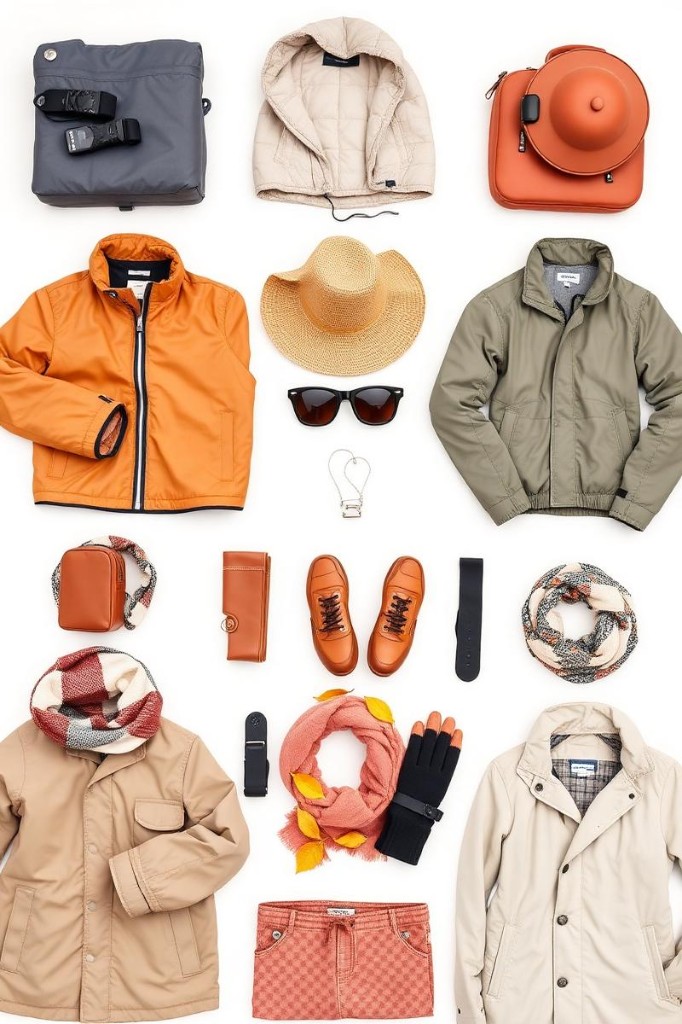
👕 Seasonal packing

Spring (March-May): • Layered clothing • Lightweight waterproof jacket • Walking shoes • Sun protection

Summer (June-August): • Lightweight cotton clothing • Hat and sunglasses • High-protection sunscreen • Swimwear • Sandals

Autumn (Sept-Nov): • Sweater or cardigan • Raincoat • Closed-toe shoes • Lightweight scarf

Winter (Dec-Feb): • Warm coat • Thermal clothing • Waterproof shoes • Gloves and hat for the mountains

Travel clothing and gear by season

💰 Seasonal budget

PeriodAccommodation (€)Transport (€)Activities (€)Crowds (/5)Savings Tips
High season (July-Aug)60-12040-8030-605/5Book 3 months in advance
Mid-season (May-June, Sept)40-8030-6020-403/5Best value for money
Low season (Oct-April)25-5020-4015-301/5Negotiation possible

💡 Money-saving tips

  • Avoid July-August for substantial savings (up to 50%)
  • Book accommodation in May-June for favorable rates
  • Take advantage of low-season promotions for flights and rentals
  • Compare prices between coast and mountains depending on the season
  • Prioritize local guesthouses outside the tourist season

🏥 Health and precautions

  • Summer: Enhanced sun protection, constant hydration, watch for heatstroke
  • Mountains: First aid kit, altitude protection, warm clothing
  • All seasons: Travel insurance recommended, personal medications, mosquito repellent
  • Winter: Caution on mountain roads, equipment adapted to cold
  • Coast: Protection against jellyfish, water shoes for rocky areas

Albanian Events & Festivals

Cultural calendar and festivities not to be missed in Albania

Albanian seasonal events punctuate the year and enrich the travel experience through their cultural authenticity and deep-rooted local traditions.

National Folklore Festival (August)

The largest cultural gathering in Albania celebrates ancestral traditions with traditional dances, music, and costumes. A total immersion into the Albanian soul.

Location: Gjirokastër (UNESCO city)

Highlight: Participation of groups from all over Albania and the diaspora

Climate Impact: Benefits from dry and hot summer weather

Independence Day (November 28)

National celebration marking the 1912 independence, with parades and festivities throughout the country. A special time to understand the Albanian identity.

Location: Tirana and all cities

Highlight: Patriotic demonstrations and free shows

Climate Impact: Cool weather requiring warm clothing

Kala Electronic Music Festival (August)

Modern international festival organized in the historic fortress of Durrës, blending heritage and contemporary music.

Location: Durrës Castle

Highlight: Unique historic setting facing the Adriatic Sea

Climate Impact: Warm nights ideal for outdoor concerts

Seasonal events

Spring: • Nevruz Day (March) • Shkodra Poetry Festival (April) • Orthodox and Catholic Easter (variable dates)

Summer: • Tirana Jazz Festival (June) • Korça White Nights (July) • Butrint Festival (August)

Autumn: • Tirana Film Festival (October) • Chestnut Festival (November) • Classical Music Festival (October)

Winter: • Christmas celebrations (December) • Albanian New Year (January) • Korça Carnival (February)

Responsible Travel in Albania

Traveling responsibly in Albania means respecting its fragile ecosystems and adapting your visit to the country's natural and climatic cycles.

Albania preserves unique ecosystems between sea and mountains. Respecting migratory bird nesting periods, avoiding summer overcrowding, and choosing mild climatic periods minimizes environmental impact.

🌱 Low-season advantages

Traveling off-season reduces tourist pressure on fragile sites, lowers the carbon footprint, and supports the local economy in a more balanced way.

♻️ Sustainable travel tips

  • Prioritize local public transport and walking
  • Choose eco-certified or family-run accommodations
  • Respect marine life during water activities
  • Avoid single-use plastics
  • Support local crafts and seasonal products
  • Respect marked hiking trails

🏙️ Local sustainable initiatives

Albania is developing eco-tourism projects: protected national parks, hydroelectric renewable energy, marine conservation programs, and community-based sustainable rural tourism initiatives.

Our Expert Recommendations

Expert recommendations for your trip to Albania

After analyzing official climate data and our field expertise, we offer personalized recommendations based on your expectations. Albania offers differentiated experiences depending on the season, allowing you to perfectly adapt your trip to your climatic and budgetary preferences.

Optimal Period: May to September

Recommended months: May, June, September

Advantages:
  • Ideal temperatures (20-28°C / 68-82°F)
  • Low precipitation
  • Warm sea for swimming
  • All services open
  • Perfect conditions for all activities
Limitations:
  • Higher prices in high season
  • Significant tourist crowds in July-August

Ideal profile: Families, first-time travelers, beach and culture lovers

Balanced Alternative: April and October

Alternative months: April, October

Description: Perfect compromise between pleasant climate and tourist tranquility

Advantages:
  • Attractive rates (30-40% cheaper)
  • Less crowded sites
  • Authentic contacts with locals
  • Colorful landscapes (spring flowers or autumn foliage)

👥 Tips for your travel style

Family: May-September for climatic safety and varied activities

Budget: April-May and October for significant savings without sacrificing comfort

Adventure: June-September for mountain hiking and water sports

Luxury: June and September for premium services and optimal climate

Photographer: April-May for soft light and green landscapes, September-October for autumn colors

Avoid January-February for a first trip (cool and damp weather, reduced services) and July-August if you are looking for tranquility and small budgets.

Cities to explore

Discover the must-sees of urban travel

All cities

Frequently Asked Questions

Find answers to essential questions about planning your trip to Albania based on climatic conditions.

What is the best time to visit Albania?

The optimal period is from May to September, with peak climatic comfort in June and September. These months offer pleasant temperatures (20-28°C / 68-82°F), little rainfall, and warm seas. May and October are excellent alternatives with fewer crowds.

Is it too hot in Albania in the summer?

Summer temperatures reach 30-32°C / 86-90°F in July-August, but remain bearable thanks to sea breezes on the coast. The interior can be hotter, but evenings remain pleasant. The mountains offer a welcome coolness, being 10°C / 18°F cooler than the plains.

Can you visit Albania in winter?

The Albanian winter (8-14°C / 46-57°F) allows for an authentic cultural discovery with very attractive prices. The coast remains accessible, but expect more rain and shorter days. The mountains offer spectacular snowy landscapes for those seeking authenticity.

Which region to choose according to the season?

In summer, prioritize the Albanian Riviera for beaches. In spring/autumn, the central plains and the northern coast offer a balanced climate. In winter, focus on cultural cities like Tirana, Gjirokastër, or Berat.

How to dress according to the seasons in Albania?

Adopt the layering system: light clothing in summer with sun protection, modular layers in spring/autumn, and warm clothing in winter. Always bring a raincoat and shoes suitable for planned activities.