When to visit Algeria? Complete 2026-2027 Guide

Between the Mediterranean and the Sahara, Algeria offers a fascinating climatic mosaic that transforms every season into a unique experience.

  • 45.4 M population
  • Arabic, Berber language
  • 65 days rainy days/year
  • April to June and September to November best time to visit
  • 10 to 15 days recommended stay

Weather and Climate in Algeria

Understanding Algeria's contrasting climate

Algeria features four distinct climatic zones influenced by the Mediterranean to the north and the Sahara to the south. This exceptional geographical diversity offers varied climatic experiences depending on the region visited.

  • Mediterranean Coast: Temperate climate with mild winters and warm summers, moderate rainfall
  • Tell Atlas: Mountainous zone with cool temperatures and significant rainfall
  • High Plateaus: Semi-arid climate with marked thermal variations between day and night
  • Sahara: Desert climate with extreme temperatures and near-zero rainfall
MonthAlgiers (°C / °F)Sahara (°C / °F)PrecipitationSunshine
January11-16°C / 52-61°F5-20°C / 41-68°FHigh5h/day
April15-22°C / 59-72°F18-32°C / 64-90°FModerate7h/day
July22-30°C / 72-86°F28-45°C / 82-113°FNone11h/day
October18-25°C / 64-77°F20-35°C / 68-95°FModerate7h/day

Altitude plays a decisive role in Algerian climatic variations. From sea level to the peaks of the Atlas (2,308m / 7,572ft), temperatures can vary by 15 to 20°C / 59 to 68°F, creating unique microclimates that enrich the travel experience.

Seasons in Algeria

Climate by Region of Algeria

Algeria's exceptional geographical diversity creates distinct microclimates. From the Mediterranean coast to the Saharan dunes, each region develops its own climatic characteristics that directly influence your travel experience.

🏖️ Mediterranean Coast

Description: Stretching over 1,200 km / 745 miles, the Algerian coast enjoys a classic Mediterranean climate. This coastal strip, including Algiers, Oran, and Annaba, offers temperate climatic conditions all year round with warm, dry summers and mild, rainy winters. Sea breezes naturally regulate temperatures, creating a particularly pleasant environment.

PeriodWeatherTemperatureActivities
Mar-MayMild15-25°C / 59-77°FCultural visits, coastal hiking
Jun-AugWarm25-32°C / 77-90°FBeaches, water sports, festivals
Sep-NovIdeal20-28°C / 68-82°FAll activities, photography
Dec-FebMild10-18°C / 50-64°FUrban discovery, gastronomy

Specifics: Constant maritime influence, precipitation concentrated in winter, refreshing coastal winds in summer.

⛰️ Tell Atlas

Description: This mountain range that runs along the coast creates a unique mountain climate in Algeria. With altitudes exceeding 2,000 meters / 6,561 feet, the Tell Atlas receives the highest precipitation in the country and experiences marked thermal variations. Cedar and oak forests testify to this exceptional climatic richness for the region.

PeriodWeatherTemperatureActivities
Mar-MayCool8-20°C / 46-68°FHiking, wildlife observation
Jun-AugTemperate15-28°C / 59-82°FTrekking, camping, freshness
Sep-NovPleasant10-22°C / 50-72°FAutumn photography, hiking
Dec-FebCold2-12°C / 36-54°FWinter sports possible, authenticity

Specifics: Snow possible in winter, frequent fog, microclimates depending on exposure, refuge of coolness in summer.

🌾 High Plateaus

Description: Located between the Tell Atlas and the Saharan Atlas, the High Plateaus constitute a fascinating climatic transition zone. This semi-arid region, characterized by vast steppe expanses, presents a continental climate with significant thermal variations between day and night, particularly marked in winter and spring.

PeriodWeatherTemperatureActivities
Mar-MayVariable5-25°C / 41-77°FSteppe discovery, birdwatching
Jun-AugWarm20-38°C / 68-100°FMorning exploration, local culture
Sep-NovContrasted8-30°C / 46-86°FPhotography, nomadic encounters
Dec-FebCold-2-15°C / 28-59°FAuthentic immersion, traditions

Specifics: Extreme day/night thermal amplitudes, frequent strong winds, irregular precipitation, landscapes changing with the seasons.

🏜️ Algerian Sahara

Description: Covering more than 80% of Algerian territory, the Sahara offers one of the most extreme climates in the world. This desert immensity, including the Hoggar and the Tassili n'Ajjer, presents exceptional climatic conditions with daytime temperatures that can exceed 50°C / 122°F in summer and drop below 0°C / 32°F at night in winter. A climatic universe of its own.

PeriodWeatherTemperatureActivities
Mar-MayPleasant15-35°C / 59-95°FTrekking, camel treks, astronomy
Jun-AugExtreme30-50°C / 86-122°FAvoid or very early morning activities
Sep-NovPerfect18-38°C / 64-100°FExpeditions, camping, photography
Dec-FebContrasted0-25°C / 32-77°FComfortable discovery, cool nights

Specifics: Extreme day/night thermal amplitude, near-zero precipitation, sand winds possible, exceptionally clear skies.

Practical Guide for Algeria

Traveling in Algeria requires preparation adapted to the territory's extreme climatic variations. From Mediterranean coasts to Saharan expanses, each region imposes its own clothing and logistical requirements to ensure comfort and safety.

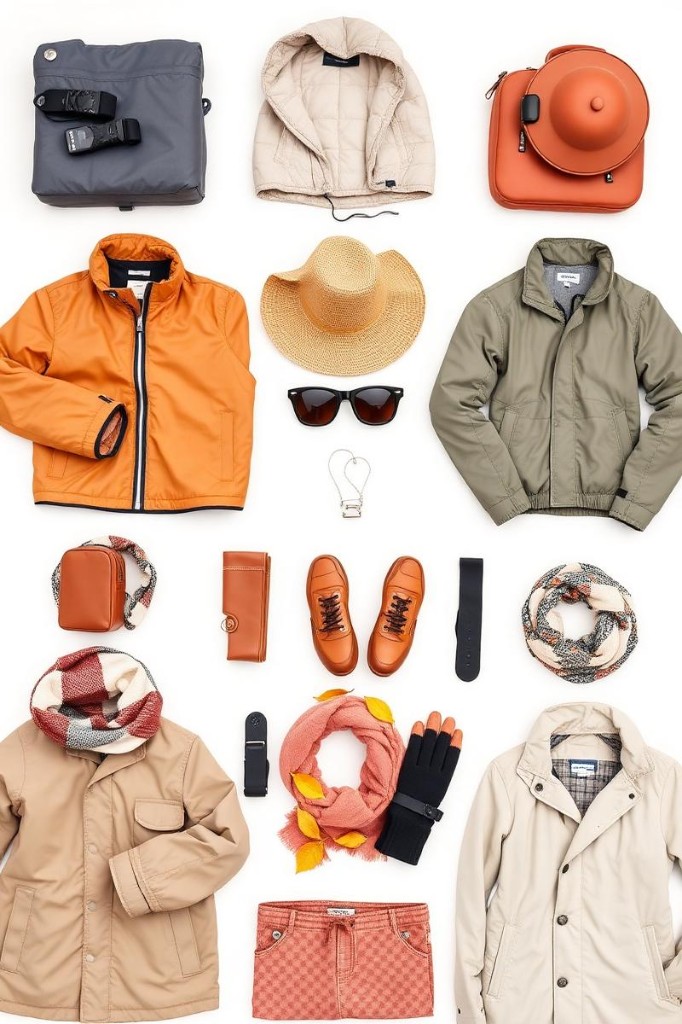
👕 Seasonal packing

Equipment by Season

Spring (Mar-May): • Layered clothing • Lightweight waterproof jacket • Walking shoes • Sun protection • Sweater for evenings

Summer (Jun-Aug): • Lightweight and breathable clothing • Wide-brimmed hat • High-protection sunscreen • Sunglasses • Long clothing for the desert

Autumn (Sep-Nov): • Versatile outfits • Mid-season jacket • Modular layers • Protected camera equipment • Multi-terrain shoes

Winter (Dec-Feb): • Warm clothing for nights • Windbreaker • Cold-weather gear for the Sahara • Raincoat for the north • Beanie and gloves

Travel clothing and gear by season

💰 Seasonal budget

PeriodAccommodation (€)Transport (€)Activities (€)Crowds (/5)Budget Tips
Mar-May40-8030-6025-503/5Book early, negotiate groups
Jun-Aug60-12050-9040-805/5Avoid coast, favor interior
Sep-Nov45-8535-6530-554/5Long stays are advantageous
Dec-Feb25-5020-4015-352/5Best annual rates

💡 Money-saving tips

  • Avoid July-August: Rates doubled on the coast, prefer the shoulder season
  • Book in advance: 20-30% savings for spring/autumn
  • Take advantage of winter: Accommodation up to 50% cheaper
  • Group advantages: Negotiations possible for Sahara excursions
  • Local transport: Buses and trains are very economical all year round

🏥 Health and precautions

Health Precautions by Season:

  • Sun protection: Essential all year round, critical in the Sahara (SPF 50+)
  • Hydration: 3-4L / 0.8-1 gallon per day minimum in summer, watch for rapid dehydration
  • Vaccinations: Hepatitis A/B, typhoid recommended, no malaria
  • Rainy season: Beware of flash floods in the north (Oct-Mar)
  • Altitude: Progressive acclimatization in the Atlas, warm clothing
  • Pharmacy: Anti-diarrheals, painkillers, essential disinfectants

Events & Festivals in Algeria

Cultural calendar and festivities not to be missed in Algeria

Algerian cultural events punctuate the seasons and significantly enrich the travel experience, revealing the authentic soul of the country through its ancient traditions.

🎭 International Sahara Festival (December)

Description: This iconic festival celebrates Tuareg culture in the magical setting of the Sahara. Traditional dances, desert music, and camel races create a unique atmosphere under the stars. The event brings together nomadic tribes in an authentic celebration of Saharan heritage.

Location: Tamanrasset and the Hoggar region

Highlight: The only festival in the world organized in the heart of the desert with traditional bivouacs

Climate Impact: Ideal winter temperatures (20°C / 68°F day, 5°C / 41°F night) for evening festivities

🎪 Timgad Festival (July)

Description: Set in the exceptional ruins of the Roman city of Timgad, this international festival brings together the greatest Arab and Berber artists. The natural acoustics of the ancient theater and the nocturnal ambiance create an unforgettable cultural experience blending history and modernity.

Location: Timgad Archaeological Site (Batna)

Highlight: Concerts in an authentic 2,000-year-old Roman theater

Climate Impact: Cool summer nights at altitude (1,000m / 3,281ft), ideal for evening performances

🌸 Cherry Festival (June)

Description: This spring festival celebrates the cherry harvest in the Kabylie mountains. Tasting local products, Berber dances, and traditional crafts blend in a friendly atmosphere. The event coincides with the late blooming of cherry trees at altitude.

Location: Larbaa Nath Irathen (Tizi Ouzou)

Highlight: The only cherry-producing region in North Africa

Climate Impact: Perfect mountain freshness, optimal blooming thanks to the high-altitude Mediterranean climate

Seasonal events

Spring: • Mawlid (March-April) • Ghardaïa Carpet Festival (April) • Amazigh Cultural Days (May)

Summer: • Oran Festival (July) • Nights of the Algiers Casbah (August) • Andalusian Music Festival (August)

Autumn: • Oran Film Festival (September) • Biskra Date Festival (October) • Popular Poetry Festival (November)

Winter: • Yennayer (January) • Algiers Theater Festival (February) • Heritage Days (December)

Responsible Travel in Algeria

Algeria, with its fragile ecosystems from the Sahara to the Mediterranean coasts, requires a tourist approach that respects natural balances and local communities according to the seasons.

Responsible tourism in Algeria implies ecological awareness adapted to climatic challenges: preservation of oases, respect for desert natural cycles, protection of Mediterranean biodiversity, and support for Berber and Tuareg communities.

🌱 Low-season advantages

Traveling in the off-season (winter) reduces pressure on water resources, limits the carbon footprint, and offers balanced economic support to local communities.

♻️ Sustainable travel tips

  • Water management: Save this precious resource, especially in the Sahara
  • Plastic waste: Bring back your waste, use reusable water bottles
  • Local transport: Favor buses and trains, carpooling for the desert
  • Wildlife respect: Observe without disturbing, avoid breeding periods
  • Local crafts: Buy directly from artisans, fair negotiation
  • Local guides: Employ authentic Berber and Tuareg guides

🏙️ Local sustainable initiatives

Algeria is developing innovative sustainable projects: Saharan solar farms, Atlas reforestation programs, protection of traditional oases, and community ecotourism initiatives in the Hoggar.

Our Expert Recommendations

Expert recommendations for your trip to Algeria

After analyzing official climate data and field feedback, our recommendations adapt to Algeria's geographical complexity. The success of your trip depends essentially on choosing the period according to your goals: coastal discovery, Saharan exploration, or a complete circuit. The extreme climatic contrasts between regions require meticulous planning to optimize comfort and discovery.

🌟 Optimal Period: April-May and September-October

Recommended months: April, May, September, October

Advantages:

  • Ideal temperatures in all regions (15-30°C / 59-86°F)
  • Sahara comfortably accessible
  • Perfect conditions for hiking and exploration
  • Exceptional photographic light
  • Moderate crowds, reasonable prices

Disadvantages:

  • Some showers possible in spring
  • Reservation necessary for the desert

Ideal profile: Complete explorers wishing to discover all of Algeria's diversity

⚖️ Balanced Alternative: November-March

Alternative months: November, December, January, February, March

Description: Ideal period for tight budgets and lovers of authenticity. The Sahara reveals its most accessible face with pleasant days, while the north offers an intense cultural experience despite some precipitation.

Specific advantages:

  • Exceptionally low rates (-50%)
  • Sahara with perfect daytime conditions
  • Maximum authenticity, few tourists
  • In-depth cultural experience

👥 Tips for your travel style

👨‍👩‍👧‍👦 Family: April-May and September-October, avoid the Saharan summer, favor the coast and cities. Duration 10-12 days.

💰 Budget: December-February, budget accommodation, local transport, avoid high coastal season.

🎒 Adventure: March-May and October-November, Atlas trekking, Sahara expeditions, camping under the stars.

✨ Luxury: April-May and September-October, coastal resorts, luxury Sahara bivouacs, private guides.

📸 Photographer: October-November, optimal golden light, seasonal contrasts, exceptional Sahara sunrises/sunsets.

⚠️ Periods to Avoid

July-August: Extreme heat in the Sahara (45-50°C / 113-122°F), high prices on the coast, difficult conditions for interior exploration. Reserved exclusively for Mediterranean beach lovers.

Cities to explore

Discover the must-sees of urban travel

All cities

Frequently Asked Questions

Find answers to essential questions to plan your trip to Algeria according to optimal weather conditions.

What is the best time to visit the Algerian Sahara?

The optimal period to explore the Sahara is from October to April. Daytime temperatures remain pleasant (20-30°C / 68-86°F) while nights can be cool (5-15°C / 41-59°F). Absolutely avoid May to September when temperatures exceed 45°C / 113°F, making exploration dangerous.

Can you visit Algeria in winter?

Absolutely! Winter is actually ideal for certain regions. The Sahara offers perfect conditions with sunny days at 20-25°C / 68-77°F. The coast remains mild (10-18°C / 50-64°F) despite some rain. It is the most economical period with rates reduced by 30% to 50%.

When should you avoid traveling to Algeria?

Avoid July-August if you plan to explore the interior of the country or the Sahara. Temperatures become extreme (40-50°C / 104-122°F) and dangerous. This period is only suitable for a seaside stay on the Mediterranean coast.

When is the rainy season in Algeria?

The rainy season runs from October to March and mainly affects the north of the country. Precipitation is concentrated on the coast and the Atlas (80-120mm / 3.1-4.7 inches per month in winter). The Sahara remains dry all year round with less than 5mm / 0.2 inches of annual rain.

How much time should I plan for a complete trip to Algeria?

To discover Algerian diversity, plan for 12 to 15 days minimum: 3-4 days for Algiers and the coast, 3-4 days for the Atlas and historical cities, 5-6 days for a full Saharan expedition. A month allows for an in-depth exploration of all regions.