When to visit Barbados? Complete Guide

Between constant trade winds and tropical sun, Barbados reveals its climatic secrets for a perfectly orchestrated stay.

  • 0.3 M population
  • English language
  • 150 days rainy days/year
  • December to April best time to visit
  • 7 to 14 days recommended stay

Weather and Climate in Barbados

Understanding the tropical maritime climate of Barbados

Barbados enjoys a tropical maritime climate influenced by the northeast trade winds. Two distinct climatic zones emerge based on exposure to prevailing winds, creating microclimates that enrich the travel experience.

  • West and South Coast: Leeward zone, drier and calmer, ideal for beaches
  • East and North Coast: Windward zone, windier and more humid, perfect for surfing
MonthTemp. (°C / °F)Precip. (mm / in)Wind (km/h / mph)
January24-28°C / 75-82°F60mm / 2.4in25km/h / 16mph
April25-30°C / 77-86°F40mm / 1.6in20km/h / 12mph
July26-31°C / 79-88°F150mm / 5.9in22km/h / 14mph
October25-30°C / 77-86°F180mm / 7.1in18km/h / 11mph

Moderate relief with limited climatic variations between the coasts and the interior

Seasons in Barbados

Climate by Region in Barbados

Despite its modest size, Barbados presents distinct microclimates based on exposure to prevailing trade winds. This regional climatic diversity influences your choice of accommodation and activities.

🏖️ West Coast (Leeward)

Description: Nicknamed the 'Platinum Coast', this region benefits from a drier climate and exceptional marine conditions. Protected from trade winds by the central relief, it offers calm, crystal-clear waters, ideal for swimming and gentle water sports.

PeriodWeatherSea TempRecommended Activities
Dec-AprSunny, dry26-27°C / 79-81°FDiving, catamaran, beaches
May-NovHot, short showers28-29°C / 82-84°FSnorkeling, fishing, relaxation

Specifics: Spectacular sunsets, calm seas, luxury hotel concentration, beachfront fine dining.

🌊 East Coast (Windward)

Description: A wild and authentic coast directly exposed to Atlantic trade winds. This region has a raw character with constant waves, denser vegetation, and a slightly cooler climate thanks to constant winds.

PeriodWeatherSea ConditionsRecommended Activities
Dec-AprWindy, refreshingWaves 1-2m / 3-6ftSurfing, kitesurfing, hiking
May-NovMore humid, stormyWaves 2-3m / 6-10ftExpert surfing, nature observation

Specifics: Bathsheba and its iconic rocks, world-renowned surf spots, dramatic landscapes, preserved authenticity.

🌺 South of the Island

Description: A transition region offering a climatic compromise between the mildness of the west and the dynamism of the east. A culturally rich area housing the capital, Bridgetown, and numerous historical sites in a pleasant climatic setting.

PeriodWeatherParticularsRecommended Activities
Dec-AprDry, sunnyModerate trade windsCultural visits, mixed beaches
May-NovIntermittent showersMore greeneryHeritage discovery, markets

Specifics: UNESCO heritage, varied beaches, authentic local life, easy access from the airport.

🌿 Interior and Highlands

Description: The mountainous heart of the island, peaking at Mount Hillaby (340m / 1,115ft). This region features a slightly cooler and more humid microclimate, fostering lush tropical vegetation and exceptional panoramas.

PeriodWeatherAltitudeRecommended Activities
Dec-AprCool mornings, dry100-340m / 328-1115ftHiking, botanical gardens
May-NovMore humid, mistyTemp -2°C / -3.6°FEcotourism, wildlife observation

Specifics: Tropical rainforest, Harrison's Cave, spice gardens, temperatures 2-3°C / 3.6-5.4°F cooler than the coasts.

Practical Guide for Barbados

Prepare for your trip to Barbados with our practical advice tailored to the island's climatic specifics. From seasonal gear to budget considerations, optimize your stay based on the chosen period.

👕 Seasonal packing

Dry Season (Dec-Apr):

  • Light cotton or linen clothing
  • Multiple swimsuits
  • Hat and sunglasses
  • High-protection sunscreen
  • Light jacket for evenings

Wet Season (May-Nov):

  • Quick-dry clothing
  • Light raincoat or poncho
  • Closed-toe non-slip shoes
  • Mosquito repellent
  • Compact umbrella
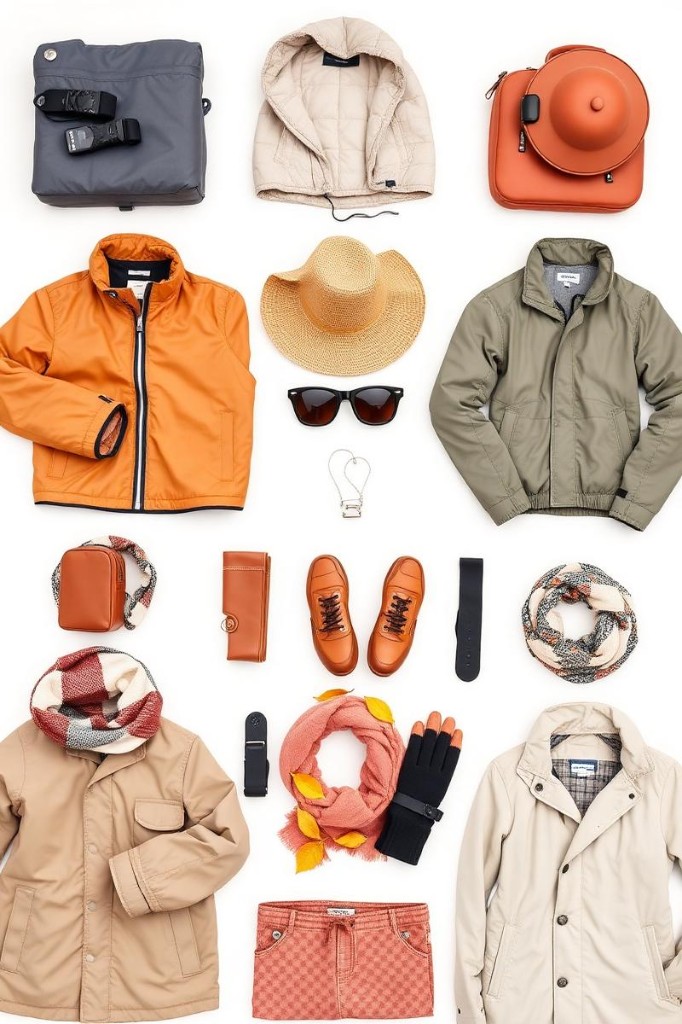
Travel clothing and gear by season

💰 Seasonal budget

PeriodAccommodation (€)Transport (€)Activities (€)Crowds (/5)Budget Tips
Dec-Mar200-500800-1200100-2005/5Book 6 months in advance
Apr-May150-350600-90080-1503/5Ideal transition period
Jun-Aug120-280500-80060-1202/5Last-minute deals
Sep-Nov100-250450-70050-1001/5Best prices, flexibility required

💡 Money-saving tips

  • Avoid December-March for substantial savings on accommodation
  • Book in May or November to benefit from intermediate rates with decent weather
  • Take advantage of all-inclusive packages in the low season to maximize value
  • Watch for promotions in September-October despite the weather risk
  • Consider private rentals for long stays during the off-season

🏥 Health and precautions

  • Enhanced sun protection: Very high UV index year-round; SPF 50+ sunscreen is mandatory
  • Constant hydration: Drink at least 3L / 101oz of water per day; watch for rapid dehydration
  • Mosquito prevention: DEET repellents, long clothing in the evening during the wet season
  • Marine precautions: Watch for sea urchins and coral; water shoes are recommended
  • Basic kit: Anti-diarrheal, antihistamine, waterproof bandages
  • Travel insurance: Essential for medical expenses and repatriation

Events & Festivals in Barbados

Cultural calendar and festivities not to be missed in Barbados

The cultural richness of Barbados is expressed through exceptional seasonal events that punctuate island life and enrich the tourist experience.

🎭 Crop Over Festival (July-August)

Description: The largest Caribbean festival celebrating the end of the sugar cane harvest. An explosion of color, calypso and soca music, and spectacular parades culminating in Grand Kadooment Day. An electrifying atmosphere blending ancestral traditions with Caribbean modernity.

Location: Bridgetown and multiple sites across the island

Highlight: Elaborate costume competitions, musical contests, and late-night street parties

Climate Impact: Hot and humid period; ensure proper hydration and enhanced sun protection

🎵 Barbados Jazz Festival (January)

Description: A world-renowned international jazz festival attracting the biggest names in the genre. Open-air concerts in paradisiacal settings, fusing traditional jazz with Caribbean rhythms. A sophisticated atmosphere under the tropical stars.

Location: Farley Hill National Park and coastal venues

Highlight: Exceptional natural acoustics and an eclectic jazz-fusion-calypso program

Climate Impact: Ideal dry season; cool evenings may require a light jacket

⛵ Mount Gay Round Barbados Race Series (January)

Description: A prestigious international regatta bringing together the best sailboats in the Caribbean. A race around the island combining sporting challenges with nautical festivities. An exceptional maritime spectacle visible from many coastal points.

Location: Carlisle Bay and full circumnavigation of the island

Highlight: Technical course utilizing trade winds and a festive nautical village

Climate Impact: Optimal wind conditions during the dry season with perfect visibility for spectators

Seasonal events

Dry Season (Dec-Apr):

  • Barbados Jazz Festival (January)
  • Holetown Festival (February)
  • Reggae Festival (April)

Wet Season (May-Nov):

  • Crop Over Festival (July-August)
  • Food & Rum Festival (October)
  • Independence Day (November)

Responsible Travel in Barbados

Discover how to travel in an eco-responsible way in Barbados by respecting the natural and climatic cycles of this fragile Caribbean island with its precious marine ecosystems.

Barbados, a small island state vulnerable to climate change, requires a respectful tourism approach. Coral reefs, endemic marine fauna, and limited water resources require special attention depending on the climatic seasons.

🌱 Low-season advantages

Traveling in the wet season reduces tourist pressure on infrastructure, supports the local economy during the off-season, and lowers your carbon footprint thanks to more affordable airfares.

♻️ Sustainable travel tips

  • Save water: A precious resource; limit long showers
  • Protect corals: Use only oxybenzone-free sunscreens
  • Reduce waste: Reusable water bottle; refuse single-use plastics
  • Respect wildlife: Maintain distance from sea turtles; do not feed fish
  • Green transport: Bicycle, walking, local public transport
  • Local consumption: Barbadian products, family-run restaurants

🏙️ Local sustainable initiatives

Barbados is developing innovative sustainable projects: renewable energy (100% target by 2030), coral restoration programs, community recycling initiatives, and sea turtle protection during nesting season.

Our Expert Recommendations

Expert recommendations for your trip to Barbados

After analyzing official climate data and drawing on our field expertise, here are our personalized recommendations to optimize your stay in Barbados. These tips incorporate weather variations, tourist crowds, seasonal rates, and local cultural specifics to ensure a memorable experience.

🏆 Optimal Period: February - March

Recommended months: February and March

Advantages:

  • Perfect climatic conditions (25-28°C / 77-82°F)
  • Minimal precipitation (40-60mm / 1.6-2.4in)
  • Constant, refreshing trade winds
  • Calm sea on the west coast, ideal for surfing on the east coast
  • Maximum sunshine (8-9 hours/day)

Limitations:

  • High tourist season with crowds
  • Rates at their highest level

Ideal profile: Travelers seeking climatic excellence, families, honeymoons, luxury stays

⚖️ Balanced Alternative: May & November

Alternative months: May and November

Description: Transition periods offering an excellent compromise between acceptable weather conditions and moderate rates. A slight increase in precipitation is offset by pleasant temperatures and reduced crowds.

Specific advantages:

  • Substantial savings (30-40% vs high season)
  • Fewer crowds at tourist sites
  • Conditions still favorable for water activities
  • Wider availability of accommodation

👥 Tips for your travel style

👨‍👩‍👧‍👦 Family: February-March for optimal conditions with children; avoid July-August (too hot and humid). Prefer the west coast.

💰 Budget: May or November for the best value for money. September-October for tight budgets, but flexibility is required.

🏄‍♂️ Adventure: December-April for east coast surfing; May-November for diving with reduced visibility but more active marine life.

🏨 Luxury: January-March for a premium experience, optimal services, and perfect weather conditions.

📸 Photographer: February-March for exceptional light; May-October for spectacular storms and lush nature.

⚠️ Periods to Avoid: September - October

Peak of the hurricane season with high weather risks, significant precipitation, and degraded marine conditions. Reserved for very flexible travelers who accept weather uncertainties.

Cities to explore

Discover the must-sees of urban travel

All cities

Frequently Asked Questions

Find answers to essential questions about planning your trip to Barbados based on climatic conditions.

What is the best time to avoid hurricanes in Barbados?

The dry season from December to April is ideal for avoiding hurricanes entirely. Barbados, located in the eastern Caribbean, is less exposed than its neighbors, but the June-November period remains at risk, with a peak in September-October.

Is it really cooler at higher altitudes in Barbados?

Yes, the mountainous interior (Mount Hillaby, 340m / 1,115ft) features temperatures 2-3°C / 3.6-5.4°F cooler than on the coast. The effect is moderate but noticeable, especially in the wet season, to escape the coastal heat.

Can you swim all year round in Barbados?

Absolutely! The sea temperature varies between 26°C and 29°C / 79°F and 84°F depending on the season. The west coast offers optimal conditions year-round, while the east coast is rougher but perfect for surfing.

Do rains in the wet season spoil the trip?

No, tropical showers are generally short (30-60 minutes) and followed by beautiful weather. They refresh the atmosphere and allow you to discover the island's lush nature. Keep indoor activities as a backup.

What is the price difference between high and low season?

Differences can reach 50-70% between December-March (high season) and September-November (low season). Accommodation is the most variable expense, followed by international flights. May and November offer the best compromise.