When to visit Bosnia and Herzegovina? Complete Guide

Between the Dinaric Alps and green valleys, Bosnia and Herzegovina reveals contrasting climates that transform your experience depending on the season.

  • 3.3 M population
  • Bosnian, Croatian, Serbian language
  • 120 days rainy days/year
  • May to September best time to visit
  • 5 to 10 days recommended stay

Weather and Climate in Bosnia and Herzegovina

Understanding the continental-Mediterranean climate of Bosnia and Herzegovina

Bosnia and Herzegovina features three distinct climate zones influenced by the Dinaric Alps, the Adriatic Sea, and continental plains, creating significant weather variations depending on the regions visited.

  • Northern continental zone: Harsh winters and warm summers with moderate precipitation
  • Central mountainous zone: Alpine climate with heavy snowfall and cool summers
  • Southern Mediterranean zone: Mild winters and dry summers near the Adriatic coast
MonthTemperature (°C / °F)Precipitation (mm / in)Conditions
January-2 to 5°C / 28 to 41°F85 mm / 3.35 inCold, snow in mountains
April8 to 18°C / 46 to 64°F75 mm / 2.95 inMild, blooming
July18 to 28°C / 64 to 82°F65 mm / 2.56 inHot, sunny
October10 to 20°C / 50 to 68°F95 mm / 3.74 inCool, autumn colors

Altitude drastically influences temperatures: from an average of 15°C / 59°F on the coast to -5°C / 23°F in the mountains during winter, creating unique microclimates.

The Seasons in Bosnia and Herzegovina

Climate by Region in Bosnia and Herzegovina

The topographical diversity of Bosnia and Herzegovina creates distinct microclimates depending on the region. Between continental plains, alpine mountains, and Mediterranean influences, each zone offers specific climatic conditions that directly influence your itinerary.

🏔️ Sarajevo and Central Region

The central region, dominated by Sarajevo, enjoys a continental climate moderated by altitude. Winters are cold with regular snowfall, while summers remain temperate and pleasant. This area concentrates the country's historical wealth.

PeriodWeatherTemperature (°C / °F)Activities
Dec-FebFrequent snow-3 to 3°C / 27 to 37°FMuseums, cafes, nearby skiing
Mar-MayMild, variable8 to 16°C / 46 to 61°FCultural visits, hiking
Jun-AugSunny15 to 25°C / 59 to 77°FUrban exploration, festivals
Sep-NovCool, colorful5 to 18°C / 41 to 64°FPhotography, heritage

Specifics: Milder urban microclimates, urban heat island effect in summer, frequent morning fog in autumn.

🏔️ Dinaric Alps

The Dinaric Alps offer an alpine climate with harsh winters and cool summers. This region houses the country's main ski resorts and acts as a natural refuge during summer heat. Altitude drastically influences weather conditions.

PeriodWeatherTemperature (°C / °F)Activities
Dec-MarHeavy snow-8 to 0°C / 18 to 32°FSkiing, winter sports
Apr-MayThaw, variable2 to 12°C / 36 to 54°FLow-altitude hiking
Jun-AugCool, sunny8 to 20°C / 46 to 68°FTrekking, mountaineering
Sep-NovEarly cold0 to 15°C / 32 to 59°FAutumn colors

Specifics: Snowfall as early as October, significant thermal variations depending on altitude, frequent fog, rapidly changing weather.

🌊 Herzegovina Region (South)

Herzegovina benefits from Mediterranean influences with milder winters and hot, dry summers. This region, close to the Adriatic coast, offers the best climatic conditions in the country and houses major historical sites like Mostar.

PeriodWeatherTemperature (°C / °F)Activities
Dec-FebMild, humid2 to 10°C / 36 to 50°FCultural visits
Mar-MayPleasant10 to 20°C / 50 to 68°FExploration, photography
Jun-AugHot, dry20 to 32°C / 68 to 90°FHeritage, rivers
Sep-NovTemperate8 to 22°C / 46 to 72°FHiking, culture

Specifics: Bora wind in winter, particularly hot summers, marked Mediterranean influence, lower precipitation than in the north.

🌲 Northern Region (Banja Luka)

The Banja Luka region features a classic continental climate with cold winters and hot summers. This area, flatter and agricultural, experiences marked seasonal variations and serves as the breadbasket of Bosnia and Herzegovina.

PeriodWeatherTemperature (°C / °F)Activities
Dec-FebCold, snow-5 to 2°C / 23 to 36°FThermal spas, culture
Mar-MayVariable6 to 18°C / 43 to 64°FNature, heritage
Jun-AugHot16 to 28°C / 61 to 82°FRivers, festivals
Sep-NovCool4 to 19°C / 39 to 66°FHarvests, hiking

Specifics: Frequent winter fog, summer thunderstorms, more continental climate than the center, natural thermal springs.

Practical Guide for Bosnia and Herzegovina

Preparing for a trip to Bosnia and Herzegovina requires adapting to significant climate variations depending on the season and region. This practical guide helps you prepare to fully enjoy your stay, regardless of the weather conditions encountered.

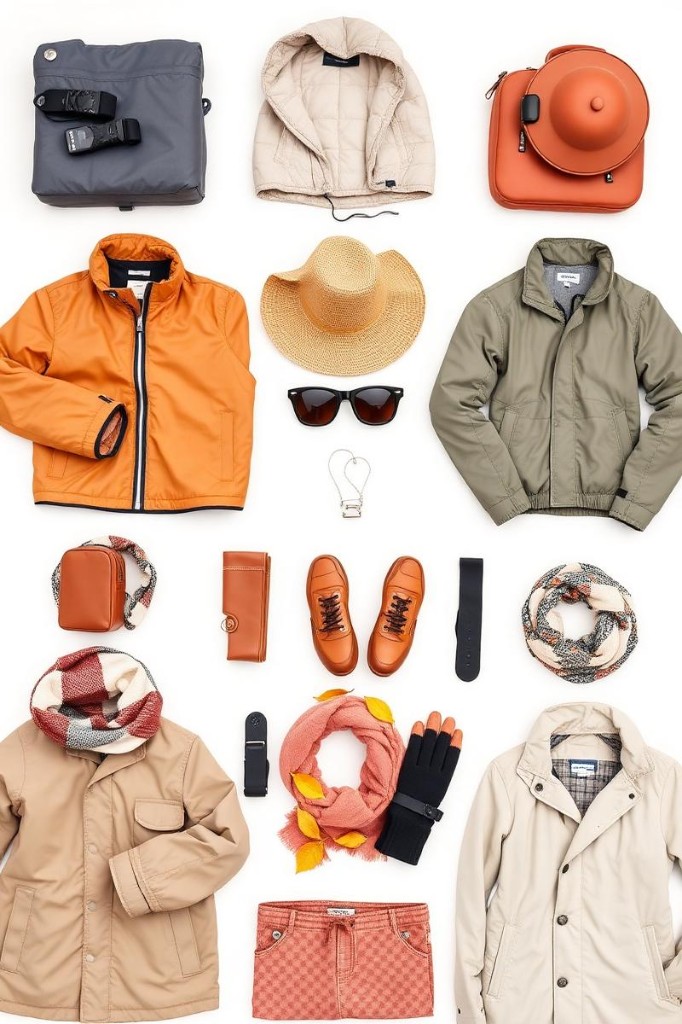
👕 Seasonal packing

Winter (Dec-Feb):

  • Warm and waterproof coat
  • Hat, gloves, scarf
  • Non-slip shoes
  • Thermal underwear
  • Cold-protection cream

Spring (Mar-May):

  • Water-resistant mid-season jacket
  • Layerable clothing
  • Waterproof walking shoes
  • Compact umbrella
  • Light sun protection

Summer (Jun-Aug):

  • Light and breathable clothing
  • Hat and sunglasses
  • High-protection sunscreen
  • Light jacket for evenings
  • Hiking boots

Autumn (Sep-Nov):

  • Sweater or fleece
  • Waterproof jacket
  • Warm and waterproof shoes
  • Light gloves
  • Rain gear
Travel clothing and gear by season

💰 Seasonal budget

PeriodAccommodation (€)Transport (€)Activities (€)Crowds (/5)Budget Tips
Winter25-4515-2520-402/5Affordable skiing, thermal spas
Spring35-6520-3525-503/5Avoid Easter, book early
Summer50-9030-4535-705/5Book 2 months in advance
Autumn30-5518-3020-452/5Excellent value for money

💡 Money-saving tips

  • Avoid July-August: Most expensive period, book in June or September
  • Enjoy autumn: Excellent conditions, prices halved
  • Book in advance: Save 30% on accommodation in high season
  • Budget winter: Skiing and culture at low prices, ideal for small budgets
  • Compare regions: Herzegovina is more expensive than the Banja Luka region

🏥 Health and precautions

  • Sun protection: SPF50+ cream is essential in the mountains, even in winter
  • Hydration: Potable water everywhere, increase intake at altitude
  • Altitude: Gradual adaptation above 1500m / 4921ft, risk of altitude sickness
  • Ticks: Repellent necessary from April to October, check after hiking
  • Hypothermia: Vigilance in mountains, changing weather conditions
  • Pharmacy: Anti-diarrheal, painkillers, bandages, disinfectant

Events & Festivals in Bosnia and Herzegovina

Cultural calendar and festivities not to be missed in Bosnia and Herzegovina

Seasonal events significantly enrich the travel experience in Bosnia and Herzegovina, revealing the authentic soul of this country with its preserved traditions.

Sarajevo Film Festival (July)

The largest cinematic event in the Balkans transforms Sarajevo into a European cultural capital. Open-air screenings, meetings with international directors, and a festive atmosphere throughout the city create a unique vibe.

Location: Historic center of Sarajevo, cinemas, and public squares

Highlight: Unique blend of auteur cinema and commercial films in an exceptional historic setting

Climate impact: Takes advantage of long summer evenings and the temperate July climate

Guca Traditional Music Festival (August)

A grand celebration of Balkan music featuring brass orchestras, folk dances, and traditional gastronomy. This event gathers musicians from across the region in a friendly and authentic atmosphere.

Location: Various cities, mainly in the central region

Highlight: Total immersion in Balkan musical culture, orchestra competitions

Climate impact: Benefits from warm August nights, perfect for outdoor festivities

Sarajevo Christmas Markets (December)

A magical transformation of the historic center with traditional chalets, local crafts, winter culinary specialties, and entertainment for the whole family. The unique atmosphere blends Ottoman, Austro-Hungarian, and Slavic traditions.

Location: Baščaršija and Sarajevo city center

Highlight: Unique fusion of European Christmas traditions and Balkan hospitality

Climate impact: Snow and cold create the perfect setting for authentic Christmas markets

Seasonal events

Spring:

  • Banja Luka Spring Festival (April)
  • European Heritage Days (May)
  • Sarajevo Poetry Festival (May)

Summer:

  • MESS International Theater Festival (July)
  • Baščaršija Nights (July-August)
  • Mostar Festival (August)

Autumn:

  • Documentary Film Festival (September)
  • Gastronomy Days (October)
  • Sarajevo Jazz Festival (November)

Winter:

  • New Year Celebrations (January)
  • Classical Music Festival (February)
  • Sarajevo Carnival (February)

Responsible Travel in Bosnia and Herzegovina

Bosnia and Herzegovina, a country in ecological and economic reconstruction, deserves a respectful tourist approach that preserves its fragile ecosystems and supports local communities according to seasonal specificities.

Responsible tourism in Bosnia and Herzegovina involves respecting mountain biodiversity, the natural cycles of the Dinaric forests, and supporting the still-fragile local economy. Seasonal climate variations directly influence the environmental impact of your trip.

🌱 Low-season advantages

Traveling in the off-season (autumn-winter) reduces tourist pressure, lowers the carbon footprint of transport, and allows for a more equitable distribution of tourism income throughout the year.

♻️ Sustainable travel tips

  • Water management: Save hot water in winter, respect mountain springs
  • Waste: Take back your hiking waste, prioritize reusable packaging
  • Transport: Use local public transport, carpool for isolated sites
  • Biodiversity: Respect nesting periods (March-July), stay on marked trails
  • Local economy: Prioritize local guides, buy traditional crafts

🏙️ Local sustainable initiatives

Bosnia and Herzegovina is developing ecotourism projects in national parks, post-conflict reforestation programs, and community tourism initiatives in mountain villages that deserve your support.

Our Expert Recommendations

Expert recommendations for your trip to Bosnia and Herzegovina

After analyzing official climate data and our field experience, here are our personalized recommendations to optimize your trip to Bosnia and Herzegovina. These tips incorporate weather variations, tourist crowds, and seasonal cultural specificities to ensure an authentic and successful experience.

Optimal period: May to September

Recommended months: May, June, July, August, September

Advantages:

  • Ideal weather conditions (15-25°C / 59-77°F)
  • All sites and roads accessible
  • Long sunny days
  • Cultural festivals and events
  • Perfect for hiking and urban exploration

Disadvantages:

  • Maximum crowds in July-August
  • High prices during summer

Ideal profile: First-time visitors, families, hiking and culture enthusiasts

Balanced alternative: September-October

Alternative months: September, October

Description: Excellent compromise between favorable weather conditions and tourist tranquility

Specific advantages:

  • Spectacular autumn colors
  • Temperatures still mild
  • Prices become affordable again
  • Fewer crowds, more authentic experience

👥 Tips for your travel style

Family with children: June-August, stable temperatures, varied activities. Avoid harsh winter.

Tight budget: October-November or March-April, attractive prices. Winter for budget skiing.

Adventure/Hiking: May-September, all roads open. July-August for high mountains.

Luxury/Comfort: June-September, best services, optimal climate. Avoid winter.

Photographer: September-October for autumn colors, December-January for authentic snowy landscapes.

Periods to avoid: November to March for a first trip (cold, snow, difficult roads). July-August if on a tight budget (maximum prices, heavy crowds).

Cities to explore

Discover the must-sees of urban travel

All cities

Frequently Asked Questions

Find answers to essential questions about planning your trip to Bosnia and Herzegovina based on weather conditions.

What is the best time to visit Bosnia and Herzegovina?

The optimal period is from May to September, with pleasant temperatures (15-25°C / 59-77°F) and all sites accessible. June-August offers the best conditions but is more crowded. September-October is an excellent compromise with autumn colors and fewer tourists.

Can you visit Bosnia and Herzegovina in winter?

Absolutely! Winter reveals an authentic side of the country with affordable ski resorts, traditional Christmas markets, and the cozy atmosphere of local cafes. Pack warm clothing and check mountain road conditions.

What climate can be found in different regions?

Bosnia and Herzegovina has three climate zones: continental in the north (cold winters, warm summers), alpine in the central mountains (heavy snow, cool summers), and Mediterranean in the south in Herzegovina (mild winters, hot and dry summers).

Should I bring special clothing?

Adapt your wardrobe to significant seasonal variations. Summer: light clothing + a jacket for evenings. Winter: full warm gear. Spring/autumn: layering system with a raincoat. Always bring good walking shoes.

Are there cultural events not to be missed?

Yes! The Sarajevo Film Festival in July, traditional music festivals in summer, and Christmas markets in December. Each season offers authentic cultural events that significantly enrich the travel experience.