When to visit Congo? Complete 2026 Guide

Between equatorial forests and savannas, Congo offers a complex tropical climate with marked seasonal variations.

  • 5.8 M population
  • French language
  • 120 days rainy days/year
  • from May to September best time to visit
  • 10 to 15 days recommended stay

Weather and Climate in Congo

Understanding the equatorial and tropical climate of Congo

Congo features three distinct climatic zones influenced by the equator, the tropical rainforest, and the Atlantic Ocean, creating significant variations between coastal, forest, and savanna regions.

  • Equatorial Zone: Dense forest of the Congo Basin, constant humidity, and abundant rainfall
  • Atlantic Coastal Zone: Moderate oceanic climate with sea breezes and a marked dry season
  • Savanna Zone: Southern plateaus with a more contrasted dry/wet alternation
MonthTemperaturePrecipitationHumidity
January26-32°C / 79-90°F15mm / 0.6in70%
February27-33°C / 81-91°F25mm / 1in72%
March27-32°C / 81-90°F120mm / 4.7in78%
April26-31°C / 79-88°F180mm / 7.1in82%
May25-30°C / 77-86°F45mm / 1.8in75%
June23-28°C / 73-82°F5mm / 0.2in68%
July22-27°C / 72-81°F2mm / 0.1in65%
August23-28°C / 73-82°F8mm / 0.3in67%
September25-30°C / 77-86°F35mm / 1.4in72%
October26-31°C / 79-88°F120mm / 4.7in80%
November26-31°C / 79-88°F220mm / 8.7in85%
December26-32°C / 79-90°F80mm / 3.1in75%

Altitude variations between the coast (sea level) and the interior plateaus (500-800m / 1,640-2,625ft) create microclimates with temperature differences of 3 to 5°C / 5.4 to 9°F.

The Seasons in Congo

Climate by Region of Congo

The geographical diversity of Congo creates notable climatic variations between the Atlantic coast, equatorial forests, and interior plateaus, directly influencing your travel itinerary.

🌊 Coastal Region (Pointe-Noire)

The Atlantic coastline benefits from a moderate oceanic climate with sea breezes that temper equatorial heat. This region has the most marked dry season in the country and more stable temperatures throughout the year.

PeriodWeatherTemperatureActivities
May-SeptDry, windy23-29°C / 73-84°FBeaches, sport fishing
Oct-DecTransition25-31°C / 77-88°FWhale watching
Jan-AprHumid26-32°C / 79-90°FSurfing, seaside relaxation

Specifics: Constant trade winds, frequent morning fogs in the dry season, cooler nighttime temperatures thanks to the ocean.

🌳 Central Forest Basin

The heart of the Congolese equatorial forest, this region has the most humid and stable climate in the country. Seasonal variations are less marked, but humidity remains constantly high, creating a unique ecosystem.

PeriodWeatherTemperatureActivities
May-SeptLess humid24-30°C / 75-86°FTrekking, primate observation
Oct-DecHumid25-31°C / 77-88°FGuided ecotourism
Jan-AprVery humid25-32°C / 77-90°FScientific research

Specifics: Constant humidity 80-90%, dense canopy filtering light, exceptional biodiversity, difficult access in the rainy season.

🏔️ Southern Plateaus (Niari)

The interior plateaus offer a more contrasted climate with greater temperature variations between day and night. The moderate altitude (400-800m / 1,312-2,625ft) provides appreciable relative freshness.

PeriodWeatherTemperatureActivities
May-SeptDry, cool20-28°C / 68-82°FHiking, villages
Oct-DecRainy24-30°C / 75-86°FLocal agriculture
Jan-AprVariable23-31°C / 73-88°FCrafts, culture

Specifics: Cooler nights (15-20°C / 59-68°F), morning fogs, more marked seasons, wooded savanna landscapes.

🏙️ Brazzaville Region

The capital benefits from a privileged position on the banks of the Congo River, creating an urban microclimate with refreshing river breezes and slightly reduced humidity compared to forest areas.

PeriodWeatherTemperatureActivities
May-SeptDry, pleasant22-29°C / 72-84°FUrban tours, museums
Oct-DecEvening storms25-31°C / 77-88°FNightlife, restaurants
Jan-AprHot-humid25-33°C / 77-91°FFestivals, events

Specifics: Urban heat island, air pollution in the dry season, Congo River breezes, air-conditioned infrastructure available.

Practical Guide for Congo

Traveling to Congo requires preparation adapted to tropical conditions and significant seasonal variations. From technical clothing to health precautions, every detail counts for a successful stay in this country with contrasting climates.

👕 Seasonal packing

Dry Season (May-September): • Lightweight cotton or linen clothing • Light jacket for evenings • Breathable walking shoes • Hat and sunglasses • Mosquito protection

Wet Season (October-April): • Quick-drying clothing • Quality raincoat • Waterproof shoes • Extra changes of clothes • Waterproof bags for equipment

Year-round: • High protection sunscreen • Mosquito repellent • First aid kit • Headlamp • Power adapter

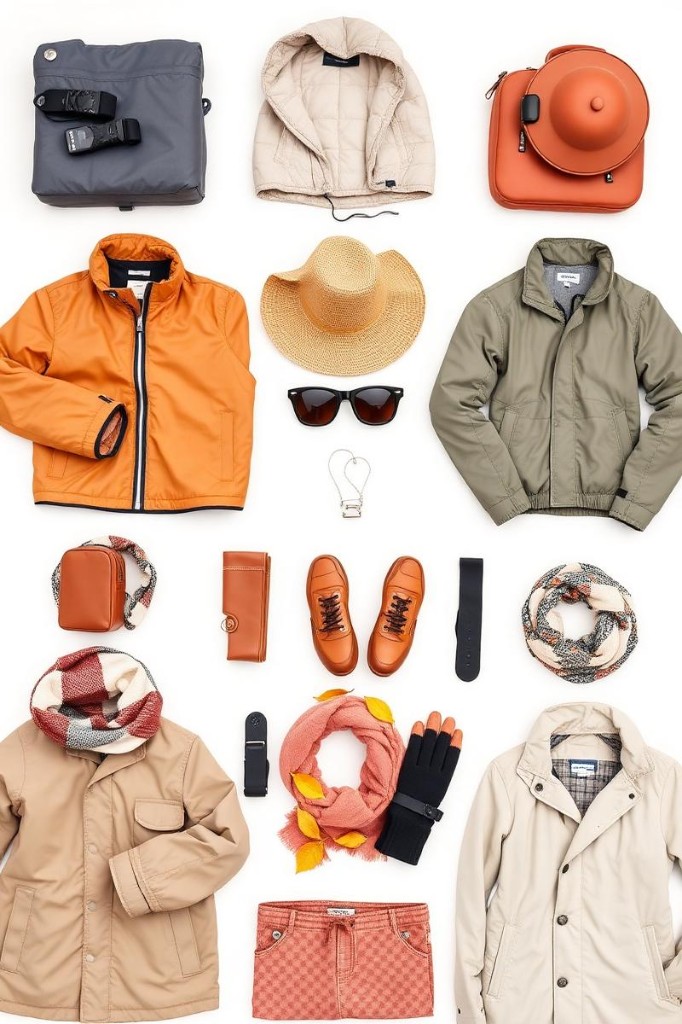
Travel clothing and gear by season

💰 Seasonal budget

PeriodAccommodation (€)Transport (€)Activities (€)Crowds (/5)Savings Tips
May-Sept80-150100-20050-1204/5Book 3 months in advance
Oct-Dec60-12080-15040-1003/5Negotiate group rates
Jan-Feb50-10070-12035-802/5Take advantage of promotions
Mar-Apr45-9060-10030-701/5Avoid if beginner

💡 Money-saving tips

  • Avoid July-August: Most expensive period with rates increased by 40-60%
  • Book in advance: Savings of 20-30% by booking 2-3 months before
  • Take advantage of the low season: January-February offer the best rates
  • Compare periods: Price gap of up to 50% between high and low season
  • Negotiate on-site: Possible in low season for accommodation and guides

🏥 Health and precautions

  • Mandatory vaccinations: Yellow fever, hepatitis A and B, typhoid recommended
  • Malaria: Preventive treatment essential year-round, resurgence in wet season
  • Sun protection: SPF 50+ cream, covering clothing, constant hydration (3L/day minimum)
  • Rainy season: Beware of waterborne diseases, water purification mandatory
  • Medical kit: Antibiotics, antidiarrheals, waterproof bandages, thermometer
  • Travel insurance: Medical evacuation recommended for remote areas

Events & Festivals in Congo

Cultural calendar and festivities not to be missed in Congo

Congolese events pace the year and offer an authentic immersion into local culture, often influenced by seasonal climatic conditions.

🎭 Pan-African Music Festival (FESPAM) - July

The largest cultural event in Congo gathers artists and musicians from across the African continent in Brazzaville. The festive atmosphere is in full swing during the ideal dry season, allowing for open-air concerts and street parades. The cool temperatures of July create perfect conditions for nighttime shows.

Location: Brazzaville, various urban sites

Specialty: Unique fusion of traditional and contemporary African music

Climate Impact: Dry season ensures the smooth running of outdoor events

🎊 Pointe-Noire Carnival - February/March

A colorful celebration inspired by Brazilian and African traditions, the carnival transforms the coastal city into a theater of spectacular dances and parades. The warmth of the wet season adds to the festive tropical ambiance, although showers may sometimes interrupt the festivities.

Location: Pointe-Noire, city center and seafront

Specialty: Sumptuous traditional costumes and enchanting local music

Climate Impact: Risk of showers requiring program adjustments

🌾 Harvest Festival - May

Traditional celebration marking the end of the rainy season and the beginning of harvests in rural regions. The transitional climatic conditions symbolize renewal and abundance, with ceremonies in villages throughout the interior of the country.

Location: Rural villages, mainly Niari region

Specialty: Ancestral rituals and tasting of fresh local products

Climate Impact: Perfect timing with improving weather conditions

Seasonal events

Dry Season (May-September): • Jazz Festival (June) • Heritage Days (September) • International Fair (August)

Wet Season (October-April): • National Day (August 15) • Christmas Celebrations (December) • Traditional Dance Festival (November)

Events naturally adapt to climatic conditions, favoring indoor activities during rains and large outdoor gatherings in the dry season.

Responsible Travel in Congo

Responsible tourism in Congo involves respecting the fragile ecosystems of the equatorial forest and supporting local communities while minimizing climate impact.

Congo is home to the second-largest tropical forest in the world, a crucial ecosystem for global climate regulation. Traveling responsibly means respecting natural cycles, avoiding wildlife breeding seasons, and choosing providers committed to conservation.

🌱 Low-season advantages

Traveling in the low season reduces pressure on fragile ecosystems, decreases the carbon footprint linked to transport, and supports the local economy in a more balanced way throughout the year.

♻️ Sustainable travel tips

  • Water management: Use purification systems rather than plastic bottles
  • Waste: Bring back all non-biodegradable waste, compost for organic waste
  • Local transport: Favor local guides and carriers, carpooling
  • Wildlife: Respect observation distances, avoid camera flashes, silence in the forest
  • Flora: Do not pick, stay on marked trails, camping allowed only in designated areas

🏙️ Local sustainable initiatives

Congo is developing community reforestation programs, solar energy projects in remote villages, and ecotourism initiatives managed by Pygmy populations, creating sustainable income while preserving ancestral traditions.

Our Expert Recommendations

Expert recommendations for your trip to Congo

After analyzing official climate data and field feedback, our recommendations adapt to your travel priorities. Congo offers radically different experiences depending on the season chosen, requiring precise planning according to your goals: optimal comfort, controlled budget, or authentic adventure in extreme conditions.

🏆 Optimal Period: June to August

Recommended Months: June, July, August

  • Ideal weather conditions with minimal rainfall
  • Most pleasant temperatures (22-28°C / 72-82°F)
  • Maximum accessibility to all regions
  • Optimized wildlife viewing near water sources
  • Tourism infrastructure at the best level of service

Limitation: High rates and need to book long in advance

Ideal Profile: Travelers prioritizing comfort, families with children, first visit to Congo

⚖️ Balanced Alternative: May and September

Alternative Months: May, September

These transitional months offer an excellent compromise between favorable weather conditions and more affordable rates. May marks the end of the wet season with a spectacular awakening of nature, while September announces the end of the dry season with heat that is still bearable.

  • 25-30% reduction in rates compared to July-August
  • Very decent climatic conditions
  • Less tourist influx

👥 Tips for your travel style

Family: Favor June-August, air-conditioned accommodation, short activities adapted to children. Ideal Months: July-August

Budget: Aim for January-February or May, negotiate on-site, avoid July-August. Ideal Months: January-February

Adventure: Try March-April for an authentic experience, plan for adapted equipment. Ideal Months: March-April

Luxury: Opt for July-August, book premium services, exclusive experiences. Ideal Months: July-August

Photographer: Choose May-June for optimal light and lush nature, avoid late dry season. Ideal Months: May-June

Periods to avoid: March-April for novice travelers (intense rains, difficult access, extreme humidity) and December-January for those seeking optimal conditions (frequent thunderstorms, oppressive heat).

Cities to explore

Discover the must-sees of urban travel

All cities

Frequently Asked Questions

Answers to essential questions for planning your trip to Congo according to climatic and seasonal conditions.

What is the best time to observe wildlife in Congo?

The dry season from June to September is ideal for wildlife viewing. Animals concentrate near permanent water sources, less dense vegetation improves visibility, and the absence of rain facilitates travel in parks. Cooler temperatures also make animals more active during the day.

Is Congo accessible during the rainy season?

Partially. Major cities remain accessible year-round, but access to remote areas becomes difficult or impossible. Unpaved roads turn into mud, and some parks close temporarily. However, this is the time when nature is most spectacular with flooded waterfalls and lush vegetation.

What precautions should be taken against malaria in Congo?

Preventive treatment is mandatory year-round, with increased risk during the wet season. Use strong repellents, wear long clothing in the evening, and sleep under an impregnated mosquito net. Consult a specialized doctor 4-6 weeks before departure to prescribe the treatment adapted to your profile and length of stay.

How to dress according to the seasons in Congo?

Dry Season: Lightweight cotton clothing, a jacket for cool evenings, good walking shoes. Wet Season: Quick-drying clothing, quality raincoat, waterproof shoes, several changes of clothes. In all cases: sun protection, mosquito repellent, and covering clothing for the evenings.

What budget should be planned according to the chosen season?

Expect €150-250/day in high season (June-August) versus €80-150/day in low season (January-April). The differences mainly concern accommodation (+60%) and activities (+40%). Booking in advance saves 20-30%. The low season offers the best rates but with access limitations to certain regions.