When to visit Cuba? Complete Guide

Between tropical climate and oceanic influences, Cuba reveals fascinating climatic nuances depending on the region and season.

  • 11.3 Million population
  • Spanish language
  • 120 days rainy days/year
  • November to April best time to visit
  • 7 to 14 days recommended stay

Weather and Climate in Cuba

Understanding Cuba's tropical climate

Cuba enjoys a tropical climate influenced by trade winds and its island geography. Two distinct seasons define the year, with notable regional variations between the coasts and the interior.

  • Coastal Zone: Temperatures moderated by sea breezes, constant humidity
  • Inland Regions: Higher temperatures, more pronounced day-to-night variations
MonthTemperature (°C / °F)Precipitation (mm / in)Humidity (%)
January22-26°C / 72-79°F65mm / 2.6in75
February23-27°C / 73-81°F45mm / 1.8in73
March24-28°C / 75-82°F55mm / 2.2in74
April25-29°C / 77-84°F85mm / 3.3in76
May26-31°C / 79-88°F165mm / 6.5in79
June27-32°C / 81-90°F185mm / 7.3in81
July28-33°C / 82-91°F125mm / 4.9in80
August28-33°C / 82-91°F135mm / 5.3in81
September27-32°C / 81-90°F155mm / 6.1in82
October26-30°C / 79-86°F175mm / 6.9in80
November24-28°C / 75-82°F85mm / 3.3in77
December23-27°C / 73-81°F55mm / 2.2in75

Altitude variations in the Sierra Maestra create cooler microclimates, which are particularly pleasant in summer.

The Seasons in Cuba

Climate by Cuban Region

Cuba presents regional climatic diversity influenced by island geography, mountainous terrain, and wind exposure. Each region offers meteorological nuances that enrich the travel experience.

🏖️ Western Cuba (Havana, Varadero)

Description: The most visited region, benefiting from a tropical climate moderated by sea breezes. Proximity to the Atlantic Ocean and the Gulf of Mexico favorably influences temperatures, creating ideal conditions for beach and cultural tourism.

PeriodWeatherTemperatureActivities
Nov-AprSunny23-28°C / 73-82°FBeaches, sightseeing, salsa
May-OctHumid27-32°C / 81-90°FMuseums, bars, indoors

Specifics: Urban microclimates in Havana, beaches protected from winds in Varadero, refreshing influence of the Gulf Stream.

🎭 Central Cuba (Trinidad, Santa Clara)

Description: A climatic transition region between coastal and continental influences. The Escambray Mountains create appreciable altitude variations, offering cooler temperatures in higher areas and rainfall slightly different from the coasts.

PeriodWeatherTemperatureActivities
Nov-AprDry and mild21-27°C / 70-81°FHiking, heritage
May-OctHot and humid25-31°C / 77-88°FWaterfalls, caves

Specifics: Morning mountain fog, cooler nighttime temperatures at altitude, marked dry season.

🏔️ Eastern Cuba (Santiago, Baracoa)

Description: The hottest and most humid region of Cuba, influenced by the Sierra Maestra and exposure to Caribbean winds. Baracoa holds the country's rainfall record, creating a unique, lush tropical environment.

PeriodWeatherTemperatureActivities
Nov-AprHot and dry24-29°C / 75-84°FCulture, mountain
May-OctVery humid28-34°C / 82-93°FEcotourism, rivers

Specifics: High rainfall in Baracoa, influence of southeast trade winds, mountain microclimates in the Sierra Maestra.

Practical Guide for Cuba

Prepare for your trip to Cuba by adapting your gear and budget to the marked seasonal variations. These practical tips will optimize your comfort and experience depending on the time of year chosen.

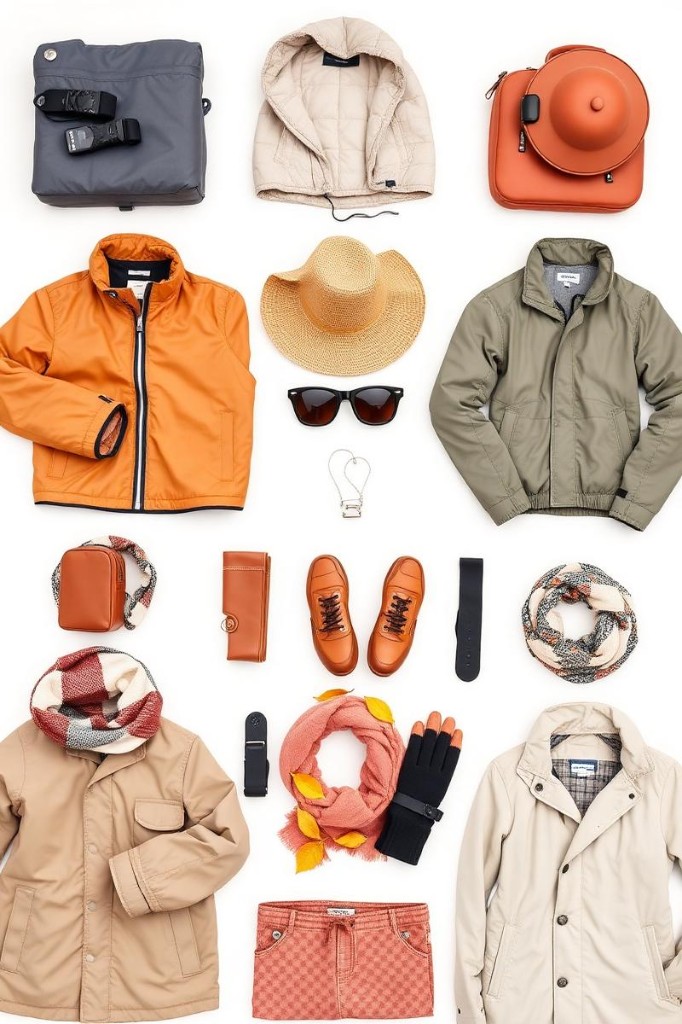
👕 Seasonal packing

Dry Season (Nov-Apr):

  • Lightweight cotton clothing
  • Light sweater for evenings
  • Sun protection (hat, sunglasses)
  • Closed-toe shoes for excursions

Wet Season (May-Oct):

  • Breathable, quick-drying clothing
  • Raincoat or poncho
  • Non-slip sandals
  • Mosquito repellent
  • Compact umbrella
Travel clothing and gear by season

💰 Seasonal budget

PeriodAccommodation (€)Transport (€)Activities (€)Crowds (/5)Budget Tips
Dec-Mar80-150450-65040-805/5Book 6 months ahead
Apr-May60-120350-50030-603/5Good value for money
Jun-Aug50-100300-45025-502/5Negotiate on-site
Sep-Nov45-90280-40020-451/5Best rates of the year

💡 Money-saving tips

  • Avoid December-February to save 30-40% on accommodation
  • Book flights 3-4 months in advance for the wet season
  • Take advantage of promotions in May-June and September-October
  • Negotiate casas particulares in the low season
  • Expect higher local transport costs in the high season

🏥 Health and precautions

  • Sun Protection: SPF 50+ sunscreen is essential year-round in the tropics
  • Hydration: Drink 2-3L of water per day; avoid questionable ice cubes
  • Mosquitoes: Use DEET repellent and wear long clothing in the evenings (May-October)
  • Rainy Season: Be cautious of slippery roads and currents
  • Vaccinations: Hepatitis A and B recommended; yellow fever if transiting
  • First Aid: Anti-diarrheal, pain relievers, bandages

Cuban Events & Festivals

A cultural calendar of must-see festivities in Cuba

Cuba pulses to the rhythm of colorful festivals and cultural events that enrich the travel experience throughout the seasons.

🎭 International Festival of New Latin American Cinema (December)

Description: The most prestigious film festival in Latin America turns Havana into a cultural capital. Screenings, meetings with directors, and a festive atmosphere throughout the city create a unique blend of art and Cuban hospitality.

Location: Havana, various cinemas and cultural venues

Highlights: Free access to many screenings, informal meetings with artists

Climate Impact: Ideal dry season for evening strolls between cinemas

🎺 Havana International Jazz Festival (February)

Description: A must-attend event for jazz lovers worldwide, bringing together Cuban legends and international stars. The event showcases the island's musical richness in an intimate and warm, quintessentially Cuban atmosphere.

Location: Havana, historic theaters and clubs

Highlights: Concerts in legendary venues like the Tropicana and Casa de la Música

Climate Impact: Mild temperatures perfect for outdoor concerts

🎪 Carnival of Santiago de Cuba (July)

Description: The most spectacular carnival in Cuba explodes with color, rhythm, and Afro-Cuban traditions. Parades of comparsas, live music, and street dancing create an authentic and mesmerizing multi-day celebration.

Location: Santiago de Cuba, historic center

Highlights: Centuries-old tradition blending African and Spanish influences

Climate Impact: Intense heat balanced by vibrant nighttime festivities

Seasonal events

Dry Season (Nov-Apr):

  • Habano Festival (February-March)
  • International Book Fair (February)
  • Contemporary Music Festival (March)

Wet Season (May-Oct):

  • Boleros de Oro Festival (June)
  • Caribbean Festival (July)
  • International Ballet Festival (October)

Responsible Travel in Cuba

Discovering Cuba responsibly involves respecting its fragile ecosystems and supporting local communities by adapting your travel to the island's natural rhythms.

Cuba is home to unique ecosystems like coral reefs and tropical forests that require special protection. Respecting marine breeding seasons (May-August) and avoiding over-tourism during high season helps preserve this exceptional biodiversity.

🌱 Low-season advantages

Traveling during the wet season reduces your carbon footprint, lessens tourist pressure on fragile sites, and supports the local economy in a more balanced way throughout the year.

♻️ Sustainable travel tips

  • Choose casas particulares to support local families
  • Use public transport and bicycles to reduce emissions
  • Avoid plastic products; bring a reusable water bottle
  • Respect corals while diving; do not touch anything
  • Buy local crafts instead of imported souvenirs
  • Conserve water and electricity, as resources are limited on the island

🏙️ Local sustainable initiatives

Cuba is developing ecotourism in the Zapata Peninsula, protecting its reefs through marine areas, and promoting urban organic farming in Havana—initiatives supported by responsible tourism.

Our Expert Recommendations

Expert recommendations for your trip to Cuba

After analyzing climatic data and field feedback, our experts recommend optimized periods based on your priorities. These personalized tips maximize your Cuban experience by considering the meteorological, budgetary, and cultural specifics of each season for a trip perfectly tailored to your expectations.

🏆 Optimal Period: December to March

Recommended Months: December, January, February, March

Advantages:

  • Perfect weather conditions (23-28°C / 73-82°F)
  • Minimal precipitation (45-65mm / 1.8-2.6in)
  • Calm sea and excellent visibility
  • All types of activities possible
  • Major cultural events

Disadvantages:

  • High prices (high season)
  • Significant tourist crowds

Ideal Profile: Families, first-time visitors, beach and culture lovers

⚖️ Balanced Alternative: April-May and November

Alternative Months: April, May, November

Description: Transition periods offering an excellent compromise between favorable weather conditions and moderate rates.

Specific Advantages:

  • Pleasant temperatures without extremes
  • Intermediate rates (-20 to -30%)
  • Reasonable crowds
  • Start/end of optimal seasons

👥 Tips for your travel style

👨‍👩‍👧‍👦 Family: December-March for weather safety and children's comfort. Avoid July-September.

💰 Budget: May-June or September-November for maximum savings. Negotiate on-site.

🏃‍♂️ Adventure: April-May for hiking before the heat. October-November for lush nature.

✨ Luxury: January-February for perfect conditions and exclusive events.

📸 Photographer: November-December for golden light and contrasting landscapes post-wet season.

⚠️ Periods to Avoid: August to October

Reasons: Maximum cyclone risk, intense heat and humidity, significant precipitation

Exceptions: Experienced travelers, very tight budgets, tropical nature enthusiasts

Cities to explore

Discover the must-sees of urban travel

All cities

Frequently Asked Questions

Answers to essential questions for planning your trip to Cuba based on its specific climate.

What is the best time to avoid cyclones in Cuba?

The cyclone season officially runs from June to November, with peak risk in August, September, and October. To avoid this risk entirely, prioritize the period from December to May. If you must travel during the cyclone season, June, July, and November statistically present lower risks.

Is it too hot to visit Cuba in the summer?

The Cuban summer (June-August) is indeed hot with temperatures of 28-33°C / 82-91°F and high humidity. However, sea breezes and air conditioning in accommodations make the stay manageable. Focus on morning and late-afternoon activities, and take advantage of the lower rates during this period.

Can you swim in Cuba year-round?

Absolutely! Water temperatures vary between 24°C / 75°F in winter and 29°C / 84°F in summer, allowing for year-round swimming. Sea conditions are generally calmer from November to April, which is ideal for diving and snorkeling. In summer, some seaweed may appear on certain beaches.

How much does a trip to Cuba cost depending on the season?

Prices vary significantly by season. High season (December-March): 1500-2500€ per person for 10 days. Shoulder season (April-May, November): 1200-2000€. Low season (June-October): 900-1600€. Savings can reach up to 40% by choosing the wet season.

What clothes should I pack for a trip to Cuba?

Choose lightweight cotton or linen clothing year-round. In the dry season, add a light sweater for evenings. In the wet season, pack quick-drying clothes, a raincoat, and sandals. Essentials: sunscreen, hat, sunglasses, and closed-toe shoes for excursions.