When to visit Denmark? Complete Guide

Between temperate oceanic climate and Scandinavian charm, discover the meteorological secrets of the Danish kingdom.

  • 5.9 million population
  • Danish language
  • 171 days rainy days/year
  • May to September best time to visit
  • 4 to 8 days recommended stay

Weather and Climate in Denmark

Understanding Denmark's temperate oceanic climate

Denmark enjoys a temperate oceanic climate influenced by the Gulf Stream and the North Sea. Three distinct climatic zones offer meteorological nuances depending on your destination, directly impacting your travel experience.

  • West Coast of Jutland: The wettest zone with strong winds and significant rainfall
  • Inland Regions: Drier and more stable climate, with slightly more contrasted temperatures
  • East Coast and Islands: The sunniest and driest part of the country
MonthMin Temp (°C / °F)Max Temp (°C / °F)Precipitation (mm / in)Sunshine Hours
January-2°C / 28°F3°C / 37°F49mm / 1.9in1h
February-2°C / 28°F3°C / 37°F36mm / 1.4in2h
March0°C / 32°F6°C / 43°F47mm / 1.9in4h
April3°C / 37°F11°C / 52°F36mm / 1.4in6h
May7°C / 45°F16°C / 61°F44mm / 1.7in8h
June11°C / 52°F20°C / 68°F51mm / 2.0in8h
July13°C / 55°F22°C / 72°F66mm / 2.6in8h
August13°C / 55°F21°C / 70°F62mm / 2.4in7h
September10°C / 50°F17°C / 63°F65mm / 2.6in5h
October6°C / 43°F12°C / 54°F66mm / 2.6in3h
November3°C / 37°F7°C / 45°F62mm / 2.4in2h
December0°C / 32°F4°C / 39°F55mm / 2.2in1h

Denmark's flat terrain (highest point at 171m / 561ft) limits altitude variations, but maritime influence remains a determining factor depending on proximity to the coast.

Danish Seasons

Climate by Region of Denmark

The compact Danish territory nevertheless presents climatic nuances by region. Maritime proximity, coastline orientation, and geographical position create microclimates that influence your travel experience.

🏰 Zealand and Copenhagen

Description: The capital region enjoys the mildest climate in the country thanks to its eastern position, protected from western winds. Copenhagen and its surroundings offer the most favorable conditions with less precipitation and slightly milder temperatures. This region concentrates the majority of tourist attractions in an optimal climatic environment.

📅 Monthly Table
PeriodWeatherTemperatureRecommended Activities
May-September☀️ Sunny15-22°C / 59-72°FUrban visits, cycling, terraces
October-April🌧️ Variable0-12°C / 32-54°FMuseums, hygge cafes, shopping
🎯 Specifics
  • Sunniest area in Denmark
  • Reduced precipitation compared to the west
  • Urban heat island effect in Copenhagen
  • Winds less strong than in Jutland

🌊 Western Jutland

Description: The west coast of Jutland faces prevailing Atlantic winds, creating the harshest but also the most authentically maritime climate in the country. This region offers wild landscapes of dunes and endless beaches, but requires clothing preparation adapted to windy conditions.

📅 Monthly Table
PeriodWeatherTemperatureRecommended Activities
June-August🌤️ Variable12-20°C / 54-68°FCoastal hiking, surfing
September-May🌧️ Rainy2-15°C / 36-59°FNature observation, spas
🎯 Specifics
  • Highest precipitation in the country
  • Constant strong winds, ideal for wind sports
  • Cooler temperatures even in summer
  • Spectacular weather phenomena

🏖️ Eastern Jutland and Aarhus

Description: The east coast of Jutland benefits from natural protection against western winds, creating a more stable and sunny microclimate. Aarhus and its region offer an ideal compromise between Danish authenticity and favorable weather conditions, particularly appreciated for outdoor activities.

📅 Monthly Table
PeriodWeatherTemperatureRecommended Activities
May-September☀️ Stable14-21°C / 57-70°FBeaches, cycling, festivals
October-April🌦️ Mixed1-11°C / 34-52°FUrban culture, gastronomy
🎯 Specifics
  • Intermediate climate between west and east
  • Less wind than in the west
  • Pleasant summer temperatures
  • Good compromise for all activities

🏝️ Bornholm

Description: The island of Bornholm, located in the Baltic Sea, enjoys a unique microclimate with more hours of sunshine than the rest of the country. Its southern position and maritime isolation create particularly favorable conditions, making this island a preferred destination for Danes in search of sun.

📅 Monthly Table
PeriodWeatherTemperatureRecommended Activities
May-September☀️ Sunny16-23°C / 61-73°FBeaches, cycling, crafts
October-April🌤️ Mild3-10°C / 37-50°FHiking, picturesque villages
🎯 Specifics
  • Danish sunshine record
  • Warmer temperatures in summer
  • Extended beach season
  • Softening Baltic influence

Practical Guide to Denmark

Preparing for your trip to Denmark requires special attention to seasonal climate variations. This practical guide helps you with choices regarding equipment, budget, and health precautions to fully enjoy your Danish stay, regardless of the period chosen.

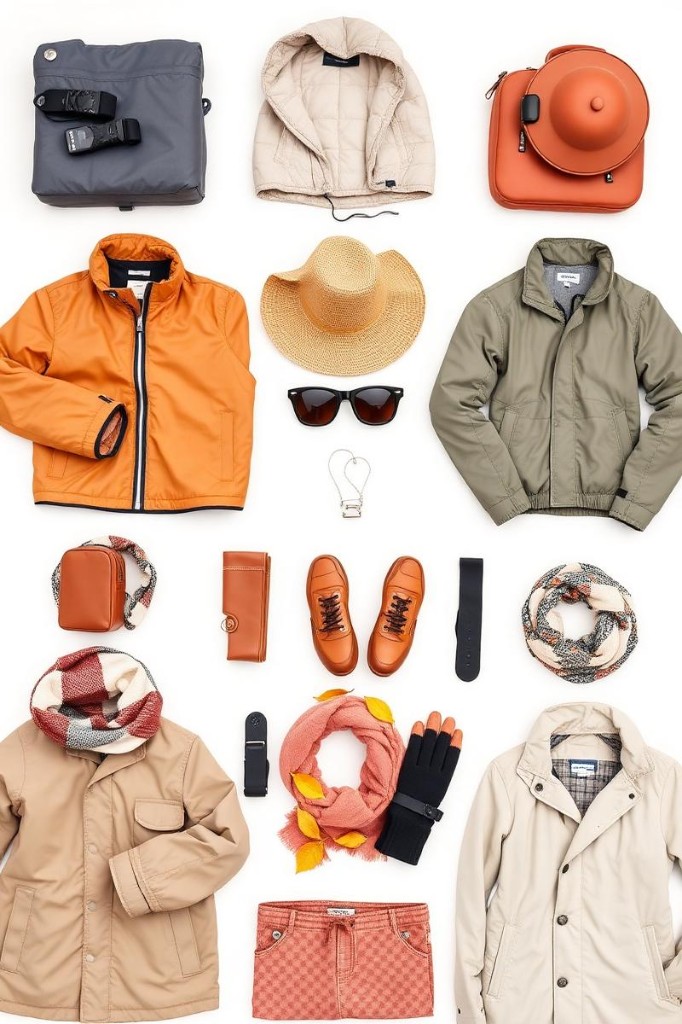
👕 Seasonal packing

🧥 Seasonal Clothing Gear

Spring (March-May):

  • Waterproof mid-season jacket
  • Light sweaters and cardigans
  • Waterproof walking shoes
  • Compact umbrella

Summer (June-August):

  • Light cotton clothing
  • Windbreaker for evenings
  • Comfortable walking shoes
  • Sun protection and hat

Autumn (September-November):

  • Warm and waterproof coat
  • Scarf and light gloves
  • Waterproof boots
  • Wool clothing

Winter (December-February):

  • Thick winter coat
  • Warm hat, scarf, and gloves
  • Non-slip winter shoes
  • Thermal underwear
Travel clothing and gear by season

💰 Seasonal budget

PeriodAccommodation (€)Transport (€)Activities (€)Crowds (/5)Savings Tips
High Season (Jun-Aug)120-20080-12050-805/5Book 3 months in advance
Mid-Season (Apr-May, Sep-Oct)80-14060-9035-603/5Best value for money
Low Season (Nov-Mar)60-10050-7025-451/5-40% accommodation promos
Holiday Season100-16070-10040-704/5Avoid Dec 20 - Jan 5

💡 Money-saving tips

  • Avoid July-August: Save up to 40% on accommodation by choosing May-June or September
  • Early Booking: 2-3 months in advance to get the best rates, especially in high season
  • Take advantage of low season: November to March offers exceptional promotions on accommodation and flights
  • Compare periods: A one-week shift can represent 30% savings on the total budget
  • All-inclusive packages: More advantageous in low season, negotiable directly with hotels

🏥 Health and precautions

🏥 Seasonal Health Precautions
  • Summer: Sun protection essential (strong UV despite northern latitude), regular hydration during long days
  • Winter: Beware of falls on slippery surfaces, Vitamin D recommended to compensate for lack of sun
  • All seasons: Waterproof clothing essential, first aid kit for outdoor activities
  • Allergies: Pollen peak in May-June, bring antihistamines if sensitive
  • Travel insurance: Recommended to cover medical expenses; the Danish healthcare system is excellent but expensive for non-residents

Events & Festivals in Denmark

Cultural calendar and festivities not to be missed in Denmark

Danish seasonal events punctuate the year and significantly enrich the travel experience, revealing the authentic cultural soul of this Nordic country.

🎭 Roskilde Festival (June-July)

Description: The largest music festival in Northern Europe transforms the city of Roskilde into a global music capital. This legendary event attracts over 100,000 festival-goers in a unique atmosphere blending international music and a relaxed Scandinavian spirit.

Location: Roskilde, 30km / 18.6mi west of Copenhagen

Special Feature: Non-profit festival, with profits donated to charitable organizations

Climate Impact: Ideal summer period, but bring gear for potential showers

🎄 Copenhagen Christmas Markets (November-December)

Description: Danish Christmas markets perfectly embody the winter hygge spirit. Tivoli Gardens transforms into a luminous fairyland, while Nyhavn hosts traditional stalls offering mulled wine and Danish specialties in a magical atmosphere.

Location: Copenhagen - Tivoli Gardens, Nyhavn, Kongens Nytorv

Special Feature: Centuries-old tradition, authentic local crafts, and seasonal gastronomy

Climate Impact: Sought-after winter atmosphere, warm clothing is essential

🌸 Cherry Blossom Festival (April-May)

Description: Langelinie Park and the gardens of Copenhagen are adorned with thousands of cherry blossoms, creating an exceptional natural spectacle. This event celebrates the arrival of spring with picnics, outdoor concerts, and celebrations of Danish-Japanese friendship.

Location: Copenhagen - Langelinie Park, Østre Anlæg

Special Feature: Gift from Japan, symbol of international friendship, ephemeral blooming

Climate Impact: Dependent on spring weather conditions; optimal period is mid-April to early May

Seasonal events

📅 Seasonal Events

Spring:

  • Night of Museums (May) - Free night access
  • Copenhagen Jazz Festival (May) - Free city concerts
  • Danish Beer Day (April) - Discover local breweries

Summer:

  • Midsummer (June) - Traditional summer solstice
  • Aarhus Festival (August) - Arts and performances
  • Copenhagen Pride (August) - Diversity celebration

Autumn:

  • Culture Night (October) - Nighttime events
  • Copenhagen Film Festival (September) - International cinema
  • Design Week (September) - Danish innovation

Winter:

  • New Year's in Copenhagen (December) - Fireworks
  • Light Festival (January) - Urban light art
  • Aalborg Carnival (February) - Nordic tradition

Responsible Travel in Denmark

Denmark, a global pioneer in sustainable development, invites you to tourism that respects its unique Nordic ecosystems and exemplary environmental initiatives.

Traveling responsibly in Denmark means respecting the natural cycles of local wildlife, which is particularly sensitive to seasonal variations, and supporting the Danish green economy, recognized globally for its sustainable innovations.

🌱 Low-season advantages

Choosing the low season (October to March) significantly reduces your carbon footprint, decreases tourist pressure on natural sites, and supports the local economy in a more balanced way.

♻️ Sustainable travel tips

  • Green transport: Prioritize cycling, electric trains, and public transport; Denmark's infrastructure is exemplary
  • Eco-certified accommodation: Choose Green Key or EU Ecolabel labels, common in Denmark
  • Local consumption: Danish organic products, farmers' markets, reduction of plastic packaging
  • Respect for nature: Marked trails, protected areas, observing wildlife without disturbance
  • Energy saving: Responsible heating management in accommodation, especially in winter
  • Zero waste: Danish deposit system, exemplary selective sorting, reuse

🏙️ Local sustainable initiatives

Denmark leads innovative projects: 100% renewable islands, carbon-neutral Copenhagen 2025, pioneering offshore wind farms, and coastal ecosystem restoration programs that you can discover and support.

Our Expert Recommendations

Expert recommendations for your trip to Denmark

After analyzing official climate data and drawing on our field expertise, here are our personalized recommendations to optimize your Danish experience. These tips take into account weather variations, tourist crowds, and seasonal cultural specifics to ensure a memorable trip.

🏆 Optimal Period: May to September

Recommended Months: May, June, July, August, September

Climate and Practical Advantages:

  • Pleasant temperatures (15-22°C / 59-72°F) ideal for all activities
  • Long days (up to 17 hours of sunshine in summer)
  • All tourist sites and attractions open
  • Perfect conditions for cycling and outdoor activities
  • Numerous festivals and cultural events

Limitations:

  • Rates at their highest level (June-August)
  • Significant tourist crowds in mid-summer

Ideal Profile: First-time visitors, families with children, outdoor activity enthusiasts, travelers seeking cultural entertainment

⚖️ Balanced Alternative: April and October

Alternative Months: April, October

Description: These transitional periods offer an excellent compromise between acceptable weather conditions and economic advantages, particularly suitable for experienced travelers.

Specific Advantages:

  • Rates reduced by 30-40% compared to summer
  • Moderate crowds allowing for authentic discovery
  • Autumn colors (October) or spring blooms (April)
  • More authentic local atmosphere

👥 Tips for your travel style

🎯 Advice by Profile

Family with children: June-August recommended; many adapted activities, Tivoli Gardens, accessible beaches. Avoid November-February.

Budget traveler: March-April or October-November; substantial savings, authentic local experience. Bring appropriate clothing.

Adventurer/Sport enthusiast: May-September optimal for hiking, cycling, water sports. Bornholm is particularly recommended.

Luxury traveler: June-July; all services available, prestigious hotels open, exclusive experiences possible.

Photographer: April (blooms), October (autumn colors), December (Christmas markets). Exceptional Nordic light.

❌ Periods to Avoid: November to February

Unless you are specifically looking for the Nordic winter experience, this period presents significant constraints: very short days (7 hours of daylight), unpredictable weather, numerous tourist closures, and the need for substantial winter equipment.

Cities to explore

Discover the must-sees of urban travel

All cities

Frequently Asked Questions

Find answers to essential questions to perfectly plan your trip to Denmark according to weather conditions.

What is the best time to visit Denmark to avoid crowds?

The months of May, September, and October offer the best compromise. May features pleasant weather with fewer tourists, September retains good post-summer temperatures, and October reveals magnificent autumn colors. These periods allow you to enjoy main attractions without summer crowds, with rates reduced by 20% to 40%.

Is it possible to swim in the sea in Denmark?

Yes, swimming is possible from June to August with water temperatures reaching 18-20°C / 64-68°F. The beaches of Bornholm and the east coast of Jutland offer the most favorable conditions. Danes also practice winter swimming, but this activity requires specific preparation and is only recommended for experienced swimmers.

Should I be worried about rain in Denmark?

Denmark experiences about 171 days of rain per year, but these are often short showers rather than continuous rain. Summer (June-August) paradoxically has more precipitation than winter, but in the form of passing thunderstorms. A compact umbrella and waterproof clothing are usually sufficient. The west coast is wetter than the east.

How should I dress for a trip to Denmark?

Adopt the layering system: breathable base layers, insulating layer (sweater/fleece), and a waterproof outer layer. In summer, bring a windbreaker for cool evenings. In winter, prioritize a warm coat, hat, and gloves. Waterproof shoes are essential year-round. Danes prioritize comfort and functionality.

Is Denmark expensive? How can I optimize my budget by season?

Denmark is among the most expensive countries in Europe. To optimize your budget: travel in the low season (November-March) to save up to 40%, book in advance, choose hostels or apartments, cook occasionally, and enjoy the many free activities (parks, beaches, churches). City tourist cards offer good value for money.