When to visit Finland? Complete Guide

Between winter Northern Lights and summer midnight sun, Finland reveals fascinating climatic faces depending on the season.

  • 5.5 M population
  • Finnish, Swedish language
  • 180 days rainy days/year
  • June to August best time to visit
  • 7 to 14 days recommended stay

Weather and Climate in Finland

Understanding Finland's subarctic continental climate

Finland features three distinct climate zones influenced by its northern location, the Baltic Sea, and Atlantic winds, creating significant variations between the temperate south and the arctic north.

  • Temperate South: Continental climate moderated by the Baltic, with mild winters and warm summers
  • Continental Center: Transition zone with harsh winters and pleasant summers
  • Arctic North: Subarctic climate with polar night and midnight sun
MonthSouthern TemperatureNorthern TemperaturePrecipitationSunshine
January-6°C to -1°C / 21°F to 30°F-15°C to -8°C / 5°F to 18°F45mm / 1.77in1h/day
April2°C to 9°C / 36°F to 48°F-5°C to 2°C / 23°F to 36°F35mm / 1.38in6h/day
July13°C to 22°C / 55°F to 72°F8°C to 18°C / 46°F to 64°F70mm / 2.76in18h/day
October3°C to 8°C / 37°F to 46°F-2°C to 3°C / 28°F to 37°F65mm / 2.56in4h/day

Altitude variations remain moderate in Finland, but latitude drastically influences climatic conditions from south to north.

The Seasons in Finland

Climate by Region in Finland

Finland presents remarkable climatic diversity from south to north. Variations in latitude, the maritime influence of the Baltic, and terrain significantly modulate weather conditions by region.

Typical Finnish landscape with a peaceful lake surrounded by houses and trees by K8 on Unsplash

🏙️ South - Helsinki Region

The Helsinki region benefits from the most temperate climate in Finland thanks to the moderating influence of the Baltic Sea. Winters are less harsh here than elsewhere and summers are pleasantly warm. This area concentrates the majority of the country's cultural and economic activities.

PeriodWeatherTemperatureActivities
WinterSnowy, cloudy-6°C to -1°C / 21°F to 30°FMuseums, culture, ice skating
SummerSunny, mild13°C to 22°C / 55°F to 72°FArchipelago, festivals, terraces

Specifics: Extended sailing season, marked maritime influence, milder urban microclimates

🌲 Center - Lake District

The heart of Finland, with its thousands of lakes, features a more pronounced continental climate. Temperature differences are greater between seasons, offering harsh winters and warm summers. This region symbolizes the very essence of Finnish nature.

PeriodWeatherTemperatureActivities
WinterVery cold, snowy-12°C to -3°C / 10°F to 27°FCross-country skiing, ice fishing
SummerWarm, stormy10°C to 24°C / 50°F to 75°FBoating, hiking, saunas

Specifics: Moderating effect of lakes, frequent summer storms, morning fog

🦌 North - Lapland

Lapland offers a subarctic climate with unique phenomena: winter polar night and summer midnight sun. Temperatures can be extreme in winter, but summer reveals exceptional wilderness. It is the kingdom of the Northern Lights and Sami culture.

PeriodWeatherTemperatureActivities
WinterVery cold, dry-25°C to -8°C / -13°F to 18°FNorthern Lights, sledding, igloos
SummerCool, bright5°C to 18°C / 41°F to 64°FHiking, fishing, midnight sun

Specifics: Polar night (December-January), midnight sun (June-July), optimal Northern Lights

🌊 West Coast - Ostrobothnia

The west coast features a maritime climate influenced by the Gulf of Bothnia. Winters are slightly milder than in the interior, and summers benefit from refreshing breezes. This region is renowned for its summer festivals and maritime heritage.

PeriodWeatherTemperatureActivities
WinterWindy, humid-8°C to -2°C / 18°F to 28°FBird watching, culture
SummerVentilated, sunny12°C to 21°C / 54°F to 70°FSailing, festivals, beaches

Specifics: Constant sea winds, late freezing of the Gulf of Bothnia, coastal microclimate

Practical Guide for Finland

Preparing for a trip to Finland requires adaptation to extreme climatic conditions. From specific gear to seasonal budget considerations, here are our practical recommendations for a successful stay.

👕 Seasonal packing

Winter (December-March):

  • Heavy-duty parka (-20°C / -4°F minimum)
  • Thermal underwear
  • Waterproof fur-lined boots
  • Gloves, hat, scarf
  • Hand warmers

Spring (April-May):

  • Waterproof mid-season jacket
  • Layered clothing
  • Waterproof walking shoes
  • Compact umbrella

Summer (June-August):

  • Light and breathable clothing
  • Light windbreaker
  • Mosquito protection
  • Cap and sunglasses
  • Swimsuit

Autumn (September-November):

  • Warm waterproof jacket
  • Wool sweater
  • Hiking boots
  • Rain gear
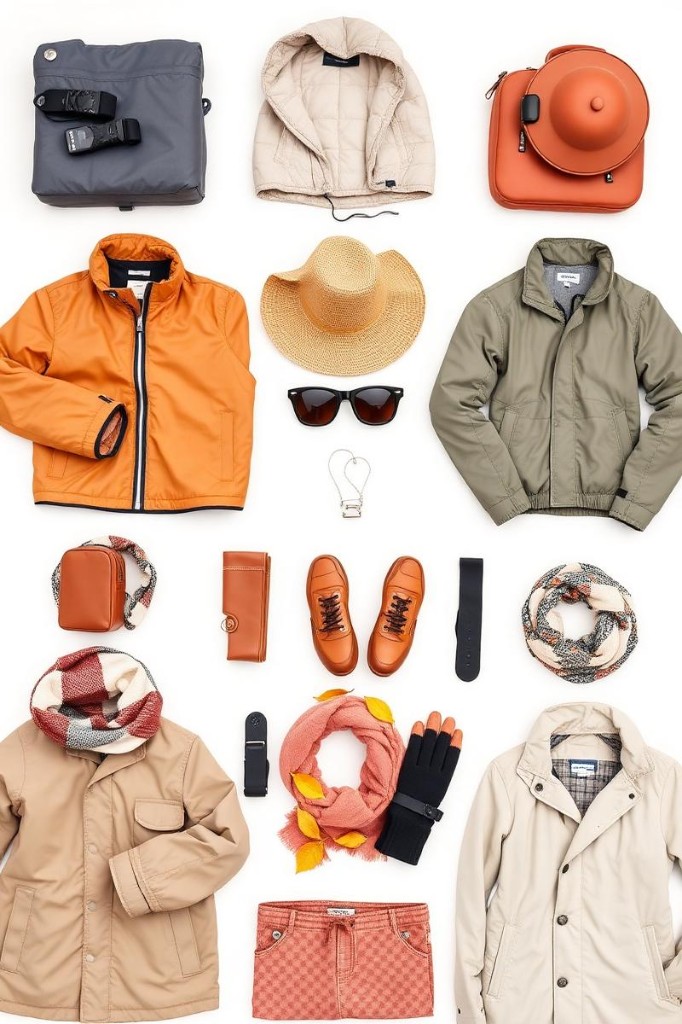
Travel clothing and gear by season

💰 Seasonal budget

PeriodAccommodation (€)Transport (€)Activities (€)Crowds (/5)Budget Tips
Winter80-150200-400100-3003/5Book early for Christmas
Spring60-120150-30050-1502/5Best rates
Summer120-250300-500150-4005/5Camping, hostels
Autumn70-140180-35080-2002/5Hotel promotions

💡 Money-saving tips

  • Avoid July-August: Most expensive period, book 6 months in advance
  • Enjoy May and September: Excellent value for money
  • Use public transport: Advantageous day passes
  • Cook: Supermarket shopping to save on meals
  • Free activities: Hiking, public saunas, free museum days

🏥 Health and precautions

  • Winter: Protection against extreme cold, risk of hypothermia, sunscreen for snow
  • Summer: Mosquito protection essential, constant hydration, UV sun protection
  • All seasons: Travel insurance recommended, first aid kit, personal medication
  • Nature activities: Report itineraries, safety equipment, respect wildlife
  • Food: Tap water is potable, be careful with unknown wild berries

Events & Festivals in Finland

Cultural calendar and festivities not to be missed in Finland

Finland paces its seasons with unique cultural events that reveal the Nordic soul of the country and its intimate relationship with nature.

🎵 Savonlinna Opera Festival (July)

One of the most prestigious opera festivals in the world takes place in the magical setting of the medieval Olavinlinna Castle. This major cultural event attracts international music lovers in the fairy-tale atmosphere of the white summer nights.

Location: Olavinlinna Castle, Savonlinna

Feature: Exceptional natural acoustics of the medieval castle

Climate Impact: White nights create a unique ambiance for nocturnal performances

🌌 Polar Night and Northern Lights (December-February)

The magical period of the Northern Lights transforms Lapland into an extraordinary natural theater. These luminous phenomena, observable up to 200 nights per year, offer an unforgettable spectacle in the darkness of the polar night.

Location: Lapland, particularly around Rovaniemi and Inari

Feature: Natural phenomenon unique in the world

Climate Impact: Requires clear and cold nights, optimal in dry weather

🔥 Midsummer Festival - Juhannus (June)

The Finnish national holiday celebrates the summer solstice with traditional bonfires and family gatherings. This ancestral celebration honors the perpetual light and marks the peak of the Nordic summer.

Location: Throughout the country, especially near lakes and in the countryside

Feature: Tradition of bonfires and the midnight sun

Climate Impact: Benefits from the midnight sun and mild temperatures

Seasonal events

Winter: • Ice Sculpture Festival (January-March) • World Sauna Championships (March) • Lapland Film Festival (January)

Spring: • Espoo Jazz Festival (April) • Vappu - Labor Day (May) • Opening of the sailing season (May)

Summer: • Kuhmo Chamber Music Festival (July) • Wife Carrying World Championships (July) • Seinäjoki Tango Festival (July)

Autumn: • Helsinki Film Festival (September) • Ruska - Fall foliage season (September) • Helsinki Design Week (September)

Responsible Travel in Finland

Finland, a pioneer in sustainable development, invites you to tourism that respects its fragile ecosystems and exemplary environmental culture.

Traveling responsibly in Finland means respecting the pristine nature of the Nordic country. Arctic ecosystems are particularly sensitive to climate change and tourist pressure, requiring an approach conscious of environmental impacts.

🌱 Low-season advantages

Prioritizing off-peak seasons significantly reduces carbon footprint, supports the local economy outside tourist peaks, and allows for a more authentic discovery of the Finnish way of life.

♻️ Sustainable travel tips

  • Transport: Prioritize trains and public transport, limit domestic flights
  • Accommodation: Choose Nordic ecolabels, respect energy guidelines
  • Activities: Follow marked trails, respect wildlife and flora
  • Waste: "Leave No Trace" principle, strict selective sorting
  • Water: Reasonable consumption, potable tap water
  • Local culture: Support traditional crafts and local producers

🏙️ Local sustainable initiatives

Finland develops innovative eco-tourism programs: sustainable accommodation certification, arctic biodiversity conservation projects, Sami community initiatives, and climate awareness programs.

Our Expert Recommendations

Expert recommendations for your trip to Finland

After analyzing climatic data and field experience, our experts recommend optimized periods based on your expectations. Finland offers radically different experiences depending on the season, requiring an informed choice to maximize your travel satisfaction.

🏆 Optimal Period: June to August

Recommended months: June, July, August

Advantages:

  • Midnight sun and magical white nights
  • Ideal temperatures (15-25°C / 59-77°F)
  • All outdoor activities possible
  • Lush nature and accessible lakes
  • Festivals and cultural events

Limitations:

  • Maximum tourist influx
  • High season rates

Ideal profile: Families, nature lovers, festivals, and outdoor activities

⚖️ Balanced Alternative: May and September

Alternative months: May, September

Description: These transition months offer an excellent compromise between favorable weather conditions and moderate attendance.

Specific advantages: Advantageous rates, fewer crowds, spectacular autumn colors (September), nature awakening (May)

👥 Tips for your travel style

Family with children: June-August, adapted nature activities, family accommodation. Tight budget: May and September, hostels, camping, public transport. Adventurers: Any season depending on activities, heavy-duty winter gear in winter. Luxury: Summer for resorts, winter for exclusive Northern Lights experiences. Photographers: September for autumn colors, December-February for Northern Lights, June for midnight sun.

⚠️ Periods to Avoid

November to March: For travelers not prepared for extreme cold and very short days. Reserved for winter sports enthusiasts and Northern Lights hunters.

Cities to explore

Discover the must-sees of urban travel

All cities

Frequently Asked Questions

Find essential answers to the most frequently asked questions about planning a trip to Finland according to the seasons.

What is the best time to see the Northern Lights in Finland?

The Northern Lights are visible from September to March, with an optimal period from November to February. The best conditions are found in Lapland on clear, cold nights, far from light pollution. The polar night (December-January) offers the best observation opportunities.

Is it really very cold in winter in Finland?

Winter temperatures vary by region: -6°C to -1°C / 21°F to 30°F in the south, down to -25°C / -13°F in Lapland. With appropriate gear (heavy-duty parka, thermal layers), the cold remains manageable. Finns live normally in these temperatures thanks to adapted infrastructure.

Is the midnight sun really visible everywhere in Finland?

The true midnight sun (sun visible 24 hours a day) is only observable in Lapland, above the Arctic Circle, from mid-May to late July. In the south, we refer more to "white nights" with a very bright permanent twilight from May to August.

When should you absolutely avoid visiting Finland?

There is no period to avoid absolutely; it all depends on your expectations. November and March can be less attractive: freezing temperatures without guaranteed snow, short days, and less spectacular landscapes. For a first trip, prioritize May-September.

Is Finland accessible on a moderate budget?

Finland remains expensive, but budget strategies exist: travel in the low season (May, September), use public transport, cook your own meals, and choose hostels or camping. Expect 80-120€/day for an economy mode, and 150-200€ for standard comfort.