When to visit French Polynesia? Complete Guide

Between the paradisiacal tropical climate and marked seasonal variations, discover the perfect timing for your Polynesian getaway.

  • 0.28 M population
  • French, Tahitian language
  • 180 days rainy days/year
  • May to October best time to visit
  • 10 to 15 days recommended stay

Weather and Climate in French Polynesia

Understanding the tropical oceanic climate of French Polynesia

French Polynesia enjoys a tropical oceanic climate characterized by two distinct seasons. The Pacific Ocean regulates temperatures, while trade winds and the altitude of the islands create varied microclimates across the archipelagos.

  • Coastal Zone: Humid tropical climate with constant temperatures between 24°C / 75°F and 30°C / 86°F
  • Mountainous Zone: Cooler temperatures and increased rainfall at higher elevations
  • Atolls: Drier climate with strong oceanic influence and constant winds
MonthTemperature (°C / °F)Precipitation (mm)Humidity (%)Sunshine Hours
January26-30°C / 79-86°F340856h
February26-30°C / 79-86°F280846h
March26-30°C / 79-86°F200827h
April25-29°C / 77-84°F150807h
May24-28°C / 75-82°F120788h
June23-27°C / 73-81°F80768h
July22-26°C / 72-79°F60749h
August22-26°C / 72-79°F50749h
September23-27°C / 73-81°F70758h
October24-28°C / 75-82°F110778h
November25-29°C / 77-84°F180807h
December26-30°C / 79-86°F290836h

Altitude significantly influences the Polynesian climate. The coasts enjoy stable temperatures around 27°C / 81°F, while the mountain peaks of Tahiti and Moorea can see temperatures drop by 6°C / 10.8°F at an altitude of 1,000 meters / 3,281 feet, creating cooler and more humid microclimates.

Seasons in French Polynesia

Climate by Polynesian Archipelago

Each Polynesian archipelago presents unique climatic specifics linked to its geographical position, terrain, and exposure to trade winds, directly influencing your destination choice.

🏝️ Society Islands

Description: Main archipelago including Tahiti and Moorea, characterized by mountainous terrain creating microclimates. Leeward coasts are drier than windward slopes.

PeriodWeatherTemperatureActivities
May-OctDry, windy22-28°C / 72-82°FDiving, hiking
Nov-AprHumid, hot25-31°C / 77-88°FSurfing, waterfalls
Specifics: Tahiti shows a marked contrast between the west coast (drier) and the east coast (wetter). Moorea benefits from a slightly drier microclimate due to its sheltered position.

🌴 Marquesas Islands

Description: Northernmost archipelago, benefiting from a drier climate and slightly cooler temperatures. Less affected by the cyclone season due to its equatorial position.

PeriodWeatherTemperatureActivities
Apr-OctDry, ideal21-27°C / 70-81°FTrekking, culture
Nov-MarMore humid24-29°C / 75-84°FDiscovery, crafts
Specifics: Most stable climate in Polynesia with reduced rainfall. Constant trade winds create pleasant conditions year-round, ideal for hiking and cultural exploration.

💎 Tuamotu Islands

Description: Low coral atolls offering a drier climate with constant winds. Direct exposure to trade winds creates specific conditions for diving and fishing.

PeriodWeatherTemperatureActivities
May-SepWindy, dry23-27°C / 73-81°FDiving, fishing
Oct-AprCalmer26-30°C / 79-86°FLagoon, relaxation
Specifics: Lack of relief creates a homogeneous climate. Atolls enjoy exceptional sunshine and some of the best diving conditions in the world, notably at Rangiroa and Fakarava.

🌺 Gambier Islands

Description: Southernmost archipelago benefiting from the most temperate climate in Polynesia. Geographical position offers unique weather conditions with cooler temperatures.

PeriodWeatherTemperatureActivities
Apr-OctCool, dry20-25°C / 68-77°FPearls, heritage
Nov-MarMild, humid23-28°C / 73-82°FCulture, nature
Specifics: Unique subtropical climate in Polynesia with nighttime temperatures dropping to 18°C / 64°F. Ideal for discovering pearl culture and religious heritage in a more temperate climate.

Practical Guide for French Polynesia

Prepare your trip by adapting your gear to the specifics of the Polynesian tropical climate. Between the dry and wet seasons, clothing needs and budgets vary significantly.

👕 Seasonal packing

Dry Season (May-October):
  • Light cotton or linen clothing
  • Windbreaker for boat trips
  • Hiking shoes
  • High-protection sunscreen
Wet Season (November-April):
  • Breathable, quick-dry clothing
  • Light raincoat or poncho
  • Non-slip sandals
  • Mosquito repellent
  • Waterproof bag to protect belongings
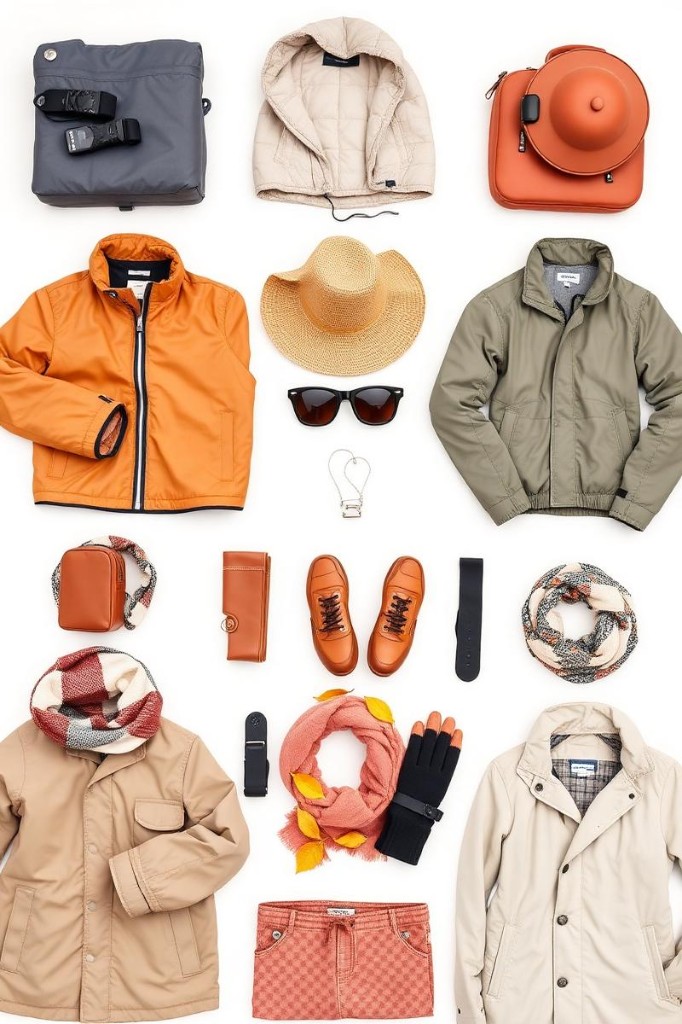
Travel clothing and gear by season

💰 Seasonal budget

PeriodAccommodation (€)Transport (€)Activities (€)Crowds (/5)Savings Tips
May-July200-4001800-250080-1505/5Book 6 months in advance
August-October180-3501600-220070-1304/5Avoid weekends
November-January120-2501200-180050-1002/5Negotiate rates
February-April140-2801400-200060-1203/5Take advantage of promotions

💡 Money-saving tips

  • Avoid July-August: Most expensive period with doubled rates
  • Prioritize November-March: Savings of up to 40% on accommodation
  • Book flights 4-6 months in advance: Best rates available
  • Choose family guesthouses: Authentic and economical alternative
  • Expect a high food budget: Costly imports; prefer local food trucks (roulottes)

🏥 Health and precautions

  • Enhanced sun protection: SPF 50+ mandatory; reflection on water and sand
  • Constant hydration: Demanding tropical climate; drink at least 3L / 100oz per day
  • Dengue/Chikungunya prevention: DEET repellents, long clothing in the evening
  • Watch out for coral: Water shoes are essential; treat cuts immediately
  • First aid kit: Antiseptics, waterproof bandages, anti-diarrheals
  • Travel insurance: Expensive medical evacuation between islands

Polynesian Events & Festivals

Cultural calendar and festivities not to be missed in French Polynesia

The cultural richness of Polynesia is expressed through unique seasonal events that shape island life and enrich the travel experience.

Heiva i Tahiti - July

Description: Major cultural festival celebrating Polynesian culture with traditional dance competitions, singing, and crafts. Exceptional festive atmosphere featuring the best groups from across Polynesia.

Location: Papeete, Tahiti - Toata Square and various stages

Highlight: Official competition recognized as a showcase of authentic Polynesian culture

Climate Impact: Dry season ideal for outdoor performances and public participation

Hawaiki Nui Va'a - October/November

Description: The most prestigious traditional outrigger canoe race in the Pacific, connecting Huahine to Bora Bora. A major sporting and cultural event gathering the best international rowers.

Location: Leeward Islands (Huahine, Raiatea, Taha'a, Bora Bora)

Highlight: A 130 km / 81 mile course over three days in a paradisiacal setting

Climate Impact: Seasonal transition offering favorable wind conditions for navigation

Marquesas Arts Festival - December (even years)

Description: A biennial celebration of Marquesan culture featuring traditional tattooing, sculpture, dance, and local gastronomy. An authentic event in a preserved setting.

Location: Rotating between the Marquesas Islands

Highlight: The only opportunity to discover all Marquesan traditions gathered in one place

Climate Impact: Beginning of the wet season, but the Marquesan climate remains more stable

Seasonal events

Dry Season (May-October):
  • Heiva i Tahiti (July) - Major cultural festival
  • Te Manu (September) - Bird festival in the Marquesas
  • Hawaiki Nui Va'a (October) - Outrigger canoe race
Wet Season (November-April):
  • Marquesas Arts Festival (December, even years)
  • Chinese New Year (January/February) - Celebrations in Papeete
  • Arrival of the Gospel (March) - Important religious holiday

Responsible Travel in French Polynesia

The fragility of Polynesian island ecosystems requires a responsible approach adapted to the natural cycles and climatic specifics of each archipelago.

Polynesia's coral atolls and high islands are home to exceptional marine biodiversity sensitive to climatic variations. Respecting marine species' breeding seasons, minimizing impact on coral reefs, and supporting the local economy are essential.

🌱 Low-season advantages

Traveling during the wet season reduces tourist pressure on fragile sites, allows for better distribution of local income, and decreases the collective carbon footprint.

♻️ Sustainable travel tips

  • Respect marine protected areas: Breeding zones and nurseries
  • Use reef-safe sunscreens: Protect the corals
  • Prioritize local transport: Reduce carbon footprint
  • Consume local: Tropical fruits, seasonal fish
  • Save fresh water: Precious resource on atolls
  • Respect marine wildlife: Safety distances with whales and dolphins

🏙️ Local sustainable initiatives

Polynesia is developing marine protected areas like the Fakarava reserve, coral farming projects to restore reefs, and solar energy programs on isolated atolls.

Our Expert Recommendations

Expert recommendations for your trip to French Polynesia

After analyzing official meteorological data and based on our field expertise, we offer personalized recommendations to optimize your Polynesian stay. These tips take into account climatic variations, tourist crowds, seasonal rates, and the specifics of each archipelago to ensure an unforgettable experience tailored to your expectations.

Optimal Period: May to October

Recommended Months: May, June, September, October

Advantages:
  • Stable weather conditions with constant trade winds
  • Calm sea ideal for inter-island navigation
  • Exceptional visibility for diving (30-40m / 98-131ft)
  • Bearable humidity (75-80%)
  • No cyclone risk
Limitations:
  • High tourist season with high prices
  • Reservations essential 6 months in advance

Ideal Profile: Honeymooners, experienced divers, sailing enthusiasts, comfortable budgets

Balanced Alternative: April and November

Alternative Months: April, November

Description: Transition periods offering an optimal compromise between favorable weather conditions and moderate rates

Advantages:
  • Substantial savings (30-40% vs. high season)
  • Weather still stable with some short showers
  • Fewer crowds at tourist sites
  • Ideal water temperature (26-27°C / 79-81°F)

👥 Tips for your travel style

Family with children: May-June or September; avoid July-August (too crowded). Prioritize Moorea and Bora Bora.
Tight budget: November-March; choose family guesthouses, avoid tourist restaurants. Marquesas for authenticity.
Adventure/nature: April-May or October-November; Marquesas and Tuamotu. Bring rain gear.
Luxury/relaxation: May-September; Bora Bora and Taha'a resorts; book 8-12 months in advance.
Photographer: June-August for stable light; April-May for lush post-rain vegetation.

Periods to avoid: December to March

Risks: Active cyclone season with significant weather risks, excessive humidity (85-90%), unpredictable showers disrupting water activities, and high probability of inter-island flight cancellations.

Cities to explore

Discover the must-sees of urban travel

All cities

Frequently Asked Questions

Find answers to essential questions for planning your trip to French Polynesia according to optimal weather conditions.

What is the best time to avoid cyclones in French Polynesia?

The dry season from May to October is completely free of cyclone risk. Cyclones only occur between November and April, with a peak from December to March. For maximum safety, prioritize June to September.

Can you visit French Polynesia during the rainy season?

Absolutely! The wet season (November-April) offers significant advantages: 30-40% lower rates, fewer tourists, lush vegetation, and ideal water temperatures. Rains are often short and intense, giving way to sunshine.

What are the climatic differences between the Polynesian archipelagos?

The Marquesas enjoy the driest and most stable climate. The Tuamotu (atolls) are windier with less rain. The Society Islands have microclimates depending on exposure. The Gambier Islands are the coolest (subtropical climate).

How much time should I plan for a first trip to French Polynesia?

For a complete discovery, plan for at least 12-15 days: 3-4 days in Tahiti/Moorea, 4-5 days in Bora Bora, 3-4 days in another archipelago (Marquesas or Tuamotu), plus inter-island travel time.

Is French Polynesia accessible on a small budget?

With proper planning, it is possible: travel during the wet season, choose family guesthouses, cook occasionally, prioritize the Marquesas or Tuamotu, and avoid July-August. Minimum budget of 150-200€ / $160-215 USD per day per person all-inclusive.