When to visit Germany? Complete Guide

Germany reveals four distinct climatic faces depending on the season, from spring mildness to winter Christmas markets.

  • 83.2 M population
  • German language
  • 180 days rainy days/year
  • May to September best time to visit
  • 7 to 14 days recommended stay

Weather and Climate in Germany

Understanding Germany's temperate continental climate

Germany features a temperate continental climate with four distinct zones influenced by the North Sea, the Baltic Sea, and the Bavarian Alps, creating significant regional variations.

  • Maritime North: Oceanic climate with mild winters and cool summers, influenced by the sea
  • Continental Center: More contrasting temperatures with cold winters and warm summers
  • Alpine South: Mountainous zone with significant precipitation and winter snow
  • Continental East: The driest climate with marked temperature fluctuations
MonthTemperature (°C / °F)Precipitation (mm / in)Conditions
January-1 to 3°C / 30 to 37°F55 mm / 2.17 inCold, snow possible
April7 to 15°C / 45 to 59°F45 mm / 1.77 inMild, blooming
July15 to 24°C / 59 to 75°F75 mm / 2.95 inWarm, thunderstorms
October8 to 14°C / 46 to 57°F50 mm / 1.97 inCool, autumn colors

Altitude variations create microclimates, particularly in Bavaria where the Alps generate significant precipitation and cooler temperatures.

The Seasons in Germany

Climate by Region in Germany

Germany's geographical diversity creates notable climatic variations between the maritime north, the continental center, and the alpine south, directly influencing your destination choice.

🌊 Maritime North (Hamburg, Bremen)

The northern region benefits from a temperate oceanic climate thanks to the influence of the North Sea and the Baltic Sea. Winters are milder than elsewhere, but summers remain cool and humid. This zone offers relatively stable weather year-round.

PeriodWeatherTemperature (°C / °F)Activities
SpringMild, windy8-15°C / 46-59°FPorts, maritime museums
SummerCool, humid16-22°C / 61-72°FCoasts, Frisian islands
AutumnWindy, rainy10-16°C / 50-61°FHanseatic cities
WinterMild, humid2-6°C / 36-43°FUrban culture

Specifics: Frequent strong winds, morning fog, marked maritime influence

🏛️ Continental Center (Berlin, Frankfurt)

The heart of Germany features a classic continental climate with more marked temperature fluctuations. Winters can be harsh and summers warm, offering true seasonal diversity ideal for discovering major metropolises.

PeriodWeatherTemperature (°C / °F)Activities
SpringVariable, mild6-18°C / 43-64°FParks, terraces
SummerWarm, stormy15-26°C / 59-79°FFestivals, beer gardens
AutumnCool, colorful8-17°C / 46-63°FMuseums, culture
WinterCold, dry-1-4°C / 30-39°FChristmas markets

Specifics: Frequent summer thunderstorms, winter snow possible, clear seasonal transitions

🏔️ Alpine South (Munich, Bavaria)

The alpine region features a mountainous climate with significant precipitation and variations based on altitude. The Alps create a specific microclimate with unique meteorological phenomena like the foehn wind.

PeriodWeatherTemperature (°C / °F)Activities
SpringCool, rainy5-16°C / 41-61°FLakes, hiking
SummerWarm, stormy14-24°C / 57-75°FMountains, castles
AutumnMild, misty7-15°C / 45-59°FOktoberfest, forests
WinterCold, snowy-3-3°C / 27-37°FWinter sports, markets

Specifics: Foehn effect, guaranteed snow at altitude, violent summer thunderstorms

🌾 Continental East (Dresden, Leipzig)

The German east experiences the most continental climate with cold, dry winters and warm summers. This region benefits from less precipitation than the west, offering often sunny conditions.

PeriodWeatherTemperature (°C / °F)Activities
SpringDry, sunny7-17°C / 45-63°FArchitecture, gardens
SummerWarm, dry16-25°C / 61-77°FHistoric cities
AutumnCool, dry9-16°C / 48-61°FCulture, heritage
WinterCold, dry-2-2°C / 28-36°FMarkets, museums

Specifics: Less precipitation, significant temperature fluctuations, harsh winters

Practical Guide for Germany

Prepare for your trip to Germany with our practical tips adapted to the country's climatic variations. From seasonal gear to budgets, optimize your stay based on your chosen dates.

👕 Seasonal packing

Spring (March-May):

  • Waterproof mid-season jacket
  • Light sweaters and t-shirts
  • Comfortable walking shoes
  • Compact umbrella

Summer (June-August):

  • Light and breathable clothing
  • Light jacket for evenings
  • Sun protection and hat
  • Raincoat for thunderstorms

Autumn (Sept-Nov):

  • Adaptable layers
  • Warm and waterproof jacket
  • Waterproof shoes
  • Scarf and light gloves

Winter (Dec-Feb):

  • Warm and waterproof coat
  • Thermal underwear
  • Hat, scarf, gloves
  • Non-slip shoes
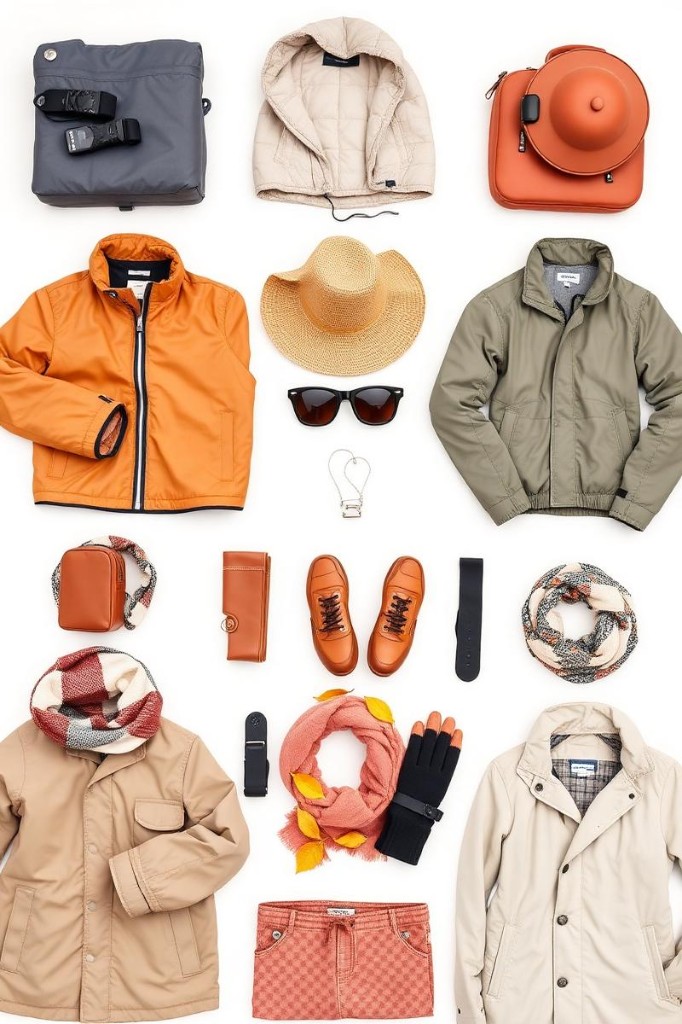
Travel clothing and gear by season

💰 Seasonal budget

PeriodAccommodation (€)Transport (€)Activities (€)Crowds (/5)Budget Tips
High season (June-Aug)80-150100-20040-805/5Book 3 months in advance
Mid-season (Apr-May, Sept-Oct)60-12080-15030-603/5Best quality-price balance
Low season (Nov-Mar)40-9060-12020-402/5Frequent hotel promotions
Christmas markets (Dec)70-13090-16035-704/5Avoid weekends

💡 Money-saving tips

  • Avoid July-August: Prices up to 40% higher during the summer high season
  • Book in advance: Save 20-30% on accommodation by booking 2-3 months ahead
  • Take advantage of low season: January-March offers the best hotel rates
  • Compare periods: A trip in May costs 25% less than in July
  • Weekday vs weekend: Traveling on weekdays reduces costs by 15-20%

🏥 Health and precautions

Seasonal health precautions:

  • Spring: Watch for pollen allergies, tick vaccination recommended
  • Summer: Sun protection essential, stay hydrated during thunderstorms
  • Autumn: Prevent colds, wear adaptable clothing
  • Winter: Protect against the cold, watch for slippery surfaces
  • Year-round: Travel insurance recommended, valid European Health Insurance Card
  • Mountains: High-protection sunscreen at altitude, appropriate gear

Events & Festivals in Germany

Cultural calendar and must-see festivities in Germany

Germany marks its seasons with exceptional cultural events, from legendary Christmas markets to grand summer festivals.

🍺 Oktoberfest (Mid-September - Early October)

The world's largest beer festival transforms Munich into an international festive capital. Over 6 million visitors gather in an authentic Bavarian atmosphere, blending centuries-old traditions with legendary conviviality.

Location: Munich, Theresienwiese

Note: Traditional attire (Lederhosen/Dirndl) strongly recommended

Climate impact: Generally mild and dry weather, ideal for outdoor festivities

🎄 Christmas Markets (November - December)

Weihnachtsmärkte create a unique, magical atmosphere throughout Germany. Nuremberg, Dresden, and Cologne offer the most authentic markets, featuring wooden stalls, mulled wine, and traditional crafts.

Location: All major German cities

Note: Nuremberg's Christkindlmarkt is the most famous in the world

Climate impact: Authentic winter atmosphere, sometimes with snow

🎭 Bayreuth Festival (July - August)

The global temple of Wagnerian opera attracts music lovers from around the world. This prestigious event, held in the theater designed by Wagner himself, represents German cultural excellence.

Location: Bayreuth, Bavaria

Note: Multi-year waiting list for tickets

Climate impact: Ideal summer period to discover the region

Seasonal events

Spring:

  • Spring Festival in Stuttgart (April)
  • Long Night of Museums in Berlin (May)
  • Rhine in Flames Festival (May)

Summer:

  • Love Parade in Berlin (July)
  • Rock am Ring Festival (June)
  • Wine Festivals in the Rhineland (August)

Autumn:

  • Festival of Lights in Berlin (October)
  • Local Beer Festivals (September)
  • Munich Film Festival (October)

Winter:

  • Cologne Carnival (February)
  • New Year's Eve at the Brandenburg Gate (December)

Responsible Travel in Germany

Germany, a pioneer in ecology and sustainability, offers numerous opportunities for tourism that respects the environment and the seasons.

The country focuses on renewable energy, green transport, and the preservation of its natural spaces. Adapting your trip to natural cycles helps minimize environmental impact while supporting the local economy.

🌱 Low-season advantages

Traveling outside the summer season significantly reduces your carbon footprint, avoids tourist congestion, and allows for a more authentic discovery of the country.

♻️ Sustainable travel tips

  • Prioritize trains: Excellent and eco-friendly rail network for your travels
  • Certified accommodations: Choose hotels with environmental labels
  • Local consumption: Regional and seasonal products in restaurants
  • Urban transport: Highly developed bicycles and public transport
  • Respect nature: Follow marked trails in forests
  • Energy savings: Simple actions in accommodations

🏙️ Local sustainable initiatives

Germany develops innovative eco-districts, wind farms, and reforestation programs. Many cities offer ecological tours and community-based green tourism initiatives.

Our Expert Recommendations

Expert recommendations for your trip to Germany

After analyzing climatic data, prices, and crowds, our experts recommend optimal periods based on your priorities. These tips are based on 20 years of meteorological observation and the experience of thousands of travelers to ensure a successful stay.

🌟 Optimal Period

Months: May to September

Advantages:

  • Ideal weather with pleasant temperatures
  • All sites and activities accessible
  • Long days until 9:00 PM
  • Festivals and cultural events
  • Outdoor terraces and beer gardens open

Disadvantages:

  • High prices in July-August
  • High tourist crowds

Ideal profile: First-time visitors, families, fans of festivals and outdoor activities

⚖️ Balanced Alternative

Months: April-May and September-October

Description: These periods offer the best compromise between favorable weather, moderate prices, and reasonable crowds

Specific advantages:

  • Rates 25% cheaper than in high season
  • Magnificent spring or autumn colors
  • Still very pleasant climate
  • Fewer crowds at tourist sites

👥 Tips for your travel style

👨‍👩‍👧‍👦 Family: June-August for school holidays, prioritize theme parks and lakes

💰 Budget: March-April and November for the best prices, avoid December (Christmas markets)

🎒 Adventure: May-September for hiking and outdoor sports, winter for winter sports

✨ Luxury: September-October for autumnal elegance and fewer crowds

📸 Photographer: October for colors, December for winter atmosphere

Avoid January-February for a first trip (cold, short days, closed sites) and July if you are looking for authenticity (maximum tourist congestion).

Cities to explore

Discover the must-sees of urban travel

All cities

Frequently Asked Questions

Find answers to essential questions to plan your trip to Germany based on optimal weather conditions.

When is the best time to visit Germany?

The optimal period is from May to September, offering pleasant weather and all sites open. For a good balance between price and weather, prioritize May-June and September, which offer excellent conditions with fewer crowds.

Is it really cold in Germany during winter?

German winters are moderately cold with temperatures ranging from -2 to 4°C / 28 to 39°F. The maritime north remains milder due to oceanic influence, while the east and south experience harsher winters with snow.

Can you visit Germany in the rain?

Absolutely! Germany has about 180 rainy days per year, but often in the form of short showers. Museums, castles, and historic centers offer excellent alternatives during rainy weather.

Are the Christmas markets worth a winter trip?

German Christmas markets are unique in the world and fully justify a winter trip. Nuremberg, Dresden, and Cologne offer an authentic and magical experience, despite the cold and short days.

How should I dress for the seasons in Germany?

Adopt the layering system: waterproof jacket in spring, light clothing + raincoat in summer, warm layers in autumn, and full winter gear in winter. An umbrella is essential year-round.