When to visit Guatemala? Complete Guide 2026-2027

Between majestic volcanoes and tropical forests, Guatemala offers a fascinating climatic diversity depending on the region and altitude.

  • 17.6 M population
  • Spanish language
  • 120 days rainy days/year
  • November to April best time to visit
  • 10 to 15 days recommended stay

Weather and Climate in Guatemala

Understanding Guatemala's diverse tropical climate

Guatemala features three distinct climate zones influenced by altitude, latitude, and volcanic terrain. This geographical diversity creates varied microclimates that completely transform the travel experience depending on the regions visited.

  • Hot lands (0-1000m / 0-3281ft): Hot and humid tropical climate on the Pacific and Atlantic coasts
  • Temperate lands (1000-2000m / 3281-6562ft): Pleasant subtropical climate in the central highlands
  • Cold lands (2000m+ / 6562ft+): Cool mountain climate in volcanic and mountainous regions
MonthTemperature (°C / °F)Precipitation (mm / in)Season
January15-28°C / 59-82°F8mm / 0.3inDry
February16-30°C / 61-86°F5mm / 0.2inDry
March18-32°C / 64-90°F15mm / 0.6inDry
April19-33°C / 66-91°F30mm / 1.2inTransition
May20-32°C / 68-90°F150mm / 5.9inWet
June19-30°C / 66-86°F280mm / 11.0inWet
July19-29°C / 66-84°F200mm / 7.9inWet
August19-30°C / 66-86°F220mm / 8.7inWet
September19-29°C / 66-84°F300mm / 11.8inWet
October18-28°C / 64-82°F180mm / 7.1inWet
November17-27°C / 63-81°F40mm / 1.6inTransition
December15-26°C / 59-79°F15mm / 0.6inDry

Altitude drastically influences temperatures: 25-35°C / 77-95°F in the plains, 15-25°C / 59-77°F at medium altitude, 5-15°C / 41-59°F in high mountains.

The Seasons in Guatemala

Sunny panorama overlooking a sparkling body of water from a hill, ideal for visiting Guatemala by Vera on Unsplash

Climate by Region of Guatemala

Guatemala's topographic diversity creates distinct microclimates. Altitude, wind exposure, and proximity to oceans drastically influence weather conditions between regions.

🏔️ Central Highlands (Antigua, Lake Atitlán)

Subtropical mountain climate with pleasant temperatures all year round. This region benefits from the most stable climate in the country due to its altitude between 1500 and 2000 meters / 4921 and 6562 feet.

PeriodWeatherTemperatureActivities
Nov-AprDry and sunny12-25°C / 54-77°FHiking, markets
May-OctAfternoon rains15-26°C / 59-79°FNature observation

Specifics: Cool nights requiring sweaters and jackets. Frequent morning fog. Ideal conditions for acclimatization.

🌴 Pacific Coast (Monterrico, Champerico)

Hot and humid tropical climate with consistently high temperatures. The hottest area of the country with significant humidity all year round.

PeriodWeatherTemperatureActivities
Nov-AprDry, very hot25-35°C / 77-95°FBeach, surfing
May-OctVery humid24-32°C / 75-90°FTurtle observation

Specifics: Strong winds in the dry season. Turtle nesting in the wet season. Sun protection is essential.

🌿 Petén and Tropical Forest (Tikal, Flores)

Humid tropical climate with dense vegetation and hot, muggy conditions. The wettest region of the country with abundant rainfall.

PeriodWeatherTemperatureActivities
Nov-AprLess humid20-32°C / 68-90°FTikal exploration
May-OctVery rainy22-30°C / 72-86°FWildlife observation

Specifics: Constant humidity of 80-90%. Many mosquitoes. Muddy trails in the wet season.

🏖️ Caribbean Coast (Livingston, Puerto Barrios)

Tropical climate with Caribbean influence, more humid than the Pacific coast. Rainfall is more evenly distributed throughout the year.

PeriodWeatherTemperatureActivities
Nov-AprLess rainy22-30°C / 72-86°FDiving, Garifuna culture
May-OctFrequent rains24-31°C / 75-88°FManatee observation

Specifics: Constant trade winds. Cyclonic risk September-November. Exceptional marine biodiversity.

Practical Guide for Guatemala

Preparing for a trip to Guatemala requires adaptation to significant climatic variations depending on the region and altitude. Versatile clothing and specific preparation are essential to fully enjoy this multi-faceted destination.

👕 Seasonal packing

Dry season (Nov-Apr): • Light cotton clothing • Sweater or jacket for altitude • Hat and sunglasses • Hiking shoes • High-protection sunscreen

Wet season (May-Oct): • Breathable, quick-drying clothing • Raincoat or poncho • Waterproof shoes • Plastic bags to protect equipment • Effective mosquito repellent

Year-round: • Multiple layers to adapt to altitude variations • Swimsuit • First aid kit • Headlamp

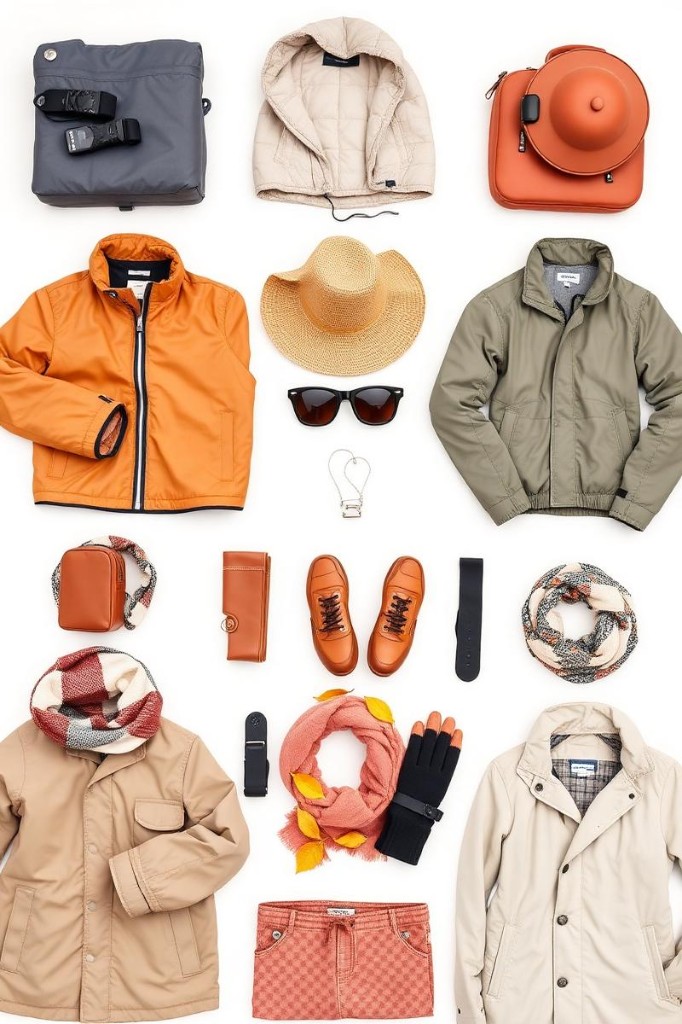
Travel clothing and gear by season

💰 Seasonal budget

PeriodAccommodation (€)Transport (€)Activities (€)Crowds (/5)Budget Tips
Dec-Jan40-12025-5030-805/5Book 2 months in advance
Feb-Mar35-10020-4525-704/5Avoid Semana Santa
Apr-May25-8015-3520-503/5Ideal transition for quality/price
Jun-Aug20-6012-3015-402/5Negotiate long-stay rates
Sep-Nov18-5510-2512-351/5Best prices of the year

💡 Money-saving tips

  • Avoid December-January: Rates increased by 40-60% during peak tourist season
  • Prioritize May and November: Transition periods with excellent value for money
  • Book accommodation in advance: Savings of 20-30% on last-minute rates
  • Travel in the wet season: Significant discounts but plan for flexibility regarding bad weather
  • Negotiate excursions: Better rates in the low season, smaller groups

🏥 Health and precautions

  • Recommended vaccinations: Hepatitis A/B, typhoid, yellow fever depending on areas visited
  • Malaria: Prophylaxis necessary in lowlands (Petén, coasts)
  • Altitude: Progressive acclimatization above 2500m / 8202ft, increased hydration
  • Wet season: Mosquito protection, water purification, avoid stagnant water
  • Tropical sun: SPF50+ sunscreen, covering clothing, constant hydration
  • Medical kit: Anti-diarrheal, disinfectant, bandages, personal medications

Events and Festivals in Guatemala

Cultural calendar and festivities not to be missed in Guatemala

Guatemalan festivities punctuate the year and offer an authentic glimpse into the country's rich Mayan and colonial cultural heritage.

Semana Santa (March-April)

The Holy Week in Antigua is one of the most spectacular celebrations in Latin America. Colorful processions featuring carpets of flowers and sawdust parade through the colonial cobblestone streets.

Location: Primarily Antigua Guatemala

Highlight: Ephemeral carpets (alfombras) created by residents, mystical nocturnal processions

Climate impact: End of the dry season, pleasant temperatures, risk of early rains

Giant Kite Festival (November 1st)

In Sumpango and Santiago Sacatepéquez, immense colorful kites are flown to communicate with the deceased during the Mayan All Saints' Day.

Location: Sumpango and Santiago Sacatepéquez (near Antigua)

Highlight: Giant kites up to 20 meters / 66 feet in diameter, ancestral Mayan tradition

Climate impact: Beginning of the dry season, favorable winds, ideal clear skies

Feast of Santo Tomás (December 13-21)

Chichicastenango celebrates its patron saint with traditional dances, Mayan ceremonies, and the famous artisanal market in a unique festive atmosphere.

Location: Chichicastenango (highlands)

Highlight: Fusion of Mayan-Catholic syncretism, Palo Volador dance, exceptional market

Climate impact: Peak dry season, cool nights at altitude, perfect conditions

Seasonal events

Dry season (Nov-Apr): • Livingston Festival (November) • Year-end celebrations (December) • Semana Santa (March-April) • Xela Summer Festival (April)

Wet season (May-Oct): • Independence Day (September 15) • Folkloric Festival (August) • Rabin Ajau - Miss Indígena (July) • Local patronal festivals (variable)

Responsible Travel in Guatemala

Guatemala, rich in exceptional biodiversity and ancestral cultures, requires an approach that respects fragile ecosystems and traditional Mayan communities.

Traveling responsibly in Guatemala involves respecting the natural cycles of tropical flora and fauna, supporting the local Mayan economy, and minimizing impact on fragile ecosystems like cloud forests and coral reefs.

🌱 Low-season advantages

Traveling in the wet season reduces tourist pressure on fragile sites, allows for a more equitable distribution of local income, and decreases the collective carbon footprint.

♻️ Sustainable travel tips

  • Water management: Use filter bottles, avoid plastic bottles, save water in the dry season
  • Waste: Bring back non-biodegradable waste, use eco-friendly soaps
  • Transport: Prioritize local buses, carpooling, walking for short distances
  • Wildlife: Respect observation distances, avoid camera flashes, do not feed animals
  • Communities: Buy local handicrafts, respect traditions, ask for permission for photos

🏙️ Local sustainable initiatives

Guatemala is developing community-based ecotourism with projects for quetzal conservation, sea turtle protection, participatory reforestation, and authentic Mayan tourism managed by local indigenous communities.

Our Expert Recommendations

Expert recommendations for your trip to Guatemala

After analyzing climate data, tourist traffic, and field conditions, our recommendations adapt to your travel priorities. Guatemala offers different experiences depending on the chosen season, each having specific advantages to maximize your discovery of this Central American gem.

🌟 Optimal Period: November to March

Recommended months: November, December, January, February, March

Advantages:

  • Ideal weather conditions with clear skies
  • All roads and trails accessible
  • Perfect visibility of volcanoes and landscapes
  • Calm sea for water activities
  • Pleasant temperatures at altitude

Disadvantages:

  • Maximum tourist traffic
  • High rates (peak season)

Ideal profile: First-time travelers, families, hikers, photographers

⚖️ Balanced Alternative: April-May and October-November

Alternative months: April, May, October, November

Description: Transition periods offering an excellent compromise between acceptable weather conditions and moderate rates

Specific advantages:

  • Interesting intermediate rates
  • Fewer tourist crowds
  • Nature in spectacular transition
  • Flexibility in bookings

👥 Tips for your travel style

👨‍👩‍👧‍👦 Family: November-March for safety and comfort. Prioritize highlands for moderate temperatures.

💰 Budget: May-October for significant savings. Flexibility needed for bad weather.

🥾 Adventure: December-February for volcanic treks. April-May for jungle exploration with less rain.

🏨 Luxury: January-March for optimal conditions and high-end services available.

📸 Photographer: November-January for perfect light and maximum visibility of landscapes.

⚠️ To Avoid: September-October

Peak of the wet season with intense rains, hurricane risks, impassable roads in rural areas, and reduced visibility of volcanoes.

Cities to explore

Discover the must-sees of urban travel

All cities

Frequently Asked Questions

Answers to essential questions for planning your trip to Guatemala according to optimal weather conditions.

What is the best time to visit the volcanoes of Guatemala?

The dry season from November to March offers the best conditions for climbing volcanoes. Clear skies guarantee optimal visibility at the summit, trails are dry and passable, and weather risks are minimized. Avoid the wet season when fog and rain can ruin the experience.

Can you travel to Guatemala during the rainy season?

Yes, but with necessary adaptations. Rains are generally concentrated in the late afternoon, leaving mornings free for sightseeing. Advantages: reduced rates, fewer tourists, lush nature. Disadvantages: difficult roads, risk of activity cancellations, waterproof gear is essential.

What are the climatic differences between the regions of Guatemala?

Altitude variations create distinct microclimates: hot and humid coasts (25-35°C / 77-95°F), temperate highlands (15-25°C / 59-77°F), and cool mountains (5-15°C / 41-59°F). The Petén (jungle) remains hot and humid all year, while Antigua enjoys a permanent spring climate due to its altitude.

How should I dress for the seasons in Guatemala?

Adopt a layering system: light clothing for the base, a sweater/jacket for altitude and evenings, and a raincoat for the wet season. Essentials year-round: walking shoes, hat, sunscreen, mosquito repellent. Temperature variations between day/night and by altitude require versatility.

Are there any specific climate risks in Guatemala?

Hurricanes are possible from September to November on the Caribbean coast. Violent but brief tropical storms occur in the wet season. Seismic risks are linked to volcanic activity (not climatic). At altitude, cool nighttime temperatures can be surprising. Follow local weather and guide advice for optimal safety.