When to visit Hungary? Complete Guide

Between continental climate and Mediterranean influences, Hungary reveals surprising seasonal faces.

  • 9.7 M population
  • Hungarian language
  • 120 days rainy days/year
  • May to September best time to visit
  • 5 to 10 days recommended stay

Weather and Climate in Hungary

Understanding Hungary's temperate continental climate

Hungary enjoys a temperate continental climate with three distinct zones influenced by the Pannonian Plain, the northern mountains, and the Danube, creating meteorological variations that enrich the travel experience.

  • Central Plain: The driest zone with hot summers and moderate winters
  • Northern Mountains: A cooler and more humid region with significant precipitation
  • Southwest: Mediterranean influences, the mildest climate in the country
MonthTemperature (°C / °F)Precipitation (mm / in)Sunshine (h)
January-2 to 3°C / 28 to 37°F37 / 1.462
April8 to 18°C / 46 to 64°F42 / 1.656
July16 to 26°C / 61 to 79°F56 / 2.209
October7 to 16°C / 45 to 61°F34 / 1.344

Altitude variations between the plain (78m / 256ft) and the Mátra mountains (1014m / 3327ft) create microclimates with temperature differences of up to 8°C / 14°F depending on the region.

Seasons in Hungary

Climate by Region in Hungary

Hungary's geographical diversity creates distinct microclimates between the Great Plain, the northern mountains, and the shores of Lake Balaton, directly influencing your travel experience.

🏛️ Budapest and Central Region

Description: Moderate continental climate in the heart of the Pannonian Plain. Budapest benefits from an urban microclimate slightly milder than the surrounding countryside, with less harsh winters and summers tempered by the Danube.

PeriodWeatherTemperatureActivities
SpringMild10-18°C / 50-64°FSightseeing, thermal baths
SummerWarm18-26°C / 64-79°FFestivals, cruises
AutumnPleasant8-16°C / 46-61°FCulture, gastronomy
WinterCold0-4°C / 32-39°FThermal baths, markets

Specifics: Urban heat island, wind protection by the Buda hills, moderating influence of the Danube.

🏔️ Northern Mountains

Description: The coolest and most humid region of the country, including the Mátra and Bükk mountains. Altitude creates a more temperate climate in summer and harsher in winter, with higher precipitation.

PeriodWeatherTemperatureActivities
SpringCool6-15°C / 43-59°FHiking, nature
SummerTemperate14-22°C / 57-72°FTrekking, coolness
AutumnColorful5-13°C / 41-55°FForests, harvest
WinterSnowy-5 to 2°C / 23-36°FSkiing, winter sports

Specifics: Snow possible, forest microclimates, summer refuge for coolness.

🌊 Lake Balaton

Description: Particular microclimate created by the largest body of water in Central Europe. The lake moderates temperatures, creating cooler summers and milder winters than in the rest of the country.

PeriodWeatherTemperatureActivities
SpringMild12-19°C / 54-66°FWalking, vineyards
SummerIdeal20-27°C / 68-81°FSwimming, sailing
AutumnGolden10-17°C / 50-63°FHarvest, spa
WinterModerate2-6°C / 36-43°FThermal baths, relaxation

Specifics: Moderating effect of the lake, romantic morning mists, bathing season from May to September.

🌾 Great Plain (Puszta)

Description: Most marked continental climate with hot, dry summers and cold winters. This vast flat expanse experiences the greatest temperature differences and the most extreme conditions in the country.

PeriodWeatherTemperatureActivities
SpringVariable8-20°C / 46-68°FNature observation
SummerHot18-30°C / 64-86°FHorseback riding, folklore
AutumnDry6-18°C / 43-64°FPhotography
WinterHarsh-5 to 3°C / 23-37°FCulture, thermal baths

Specifics: Strong winds, immense sky, driest conditions in the country, spectacular sunrises and sunsets.

Practical Guide for Hungary

Prepare your trip to Hungary with our practical recommendations adapted to seasonal climate variations. From clothing advice to budgets, optimize your stay according to the chosen period.

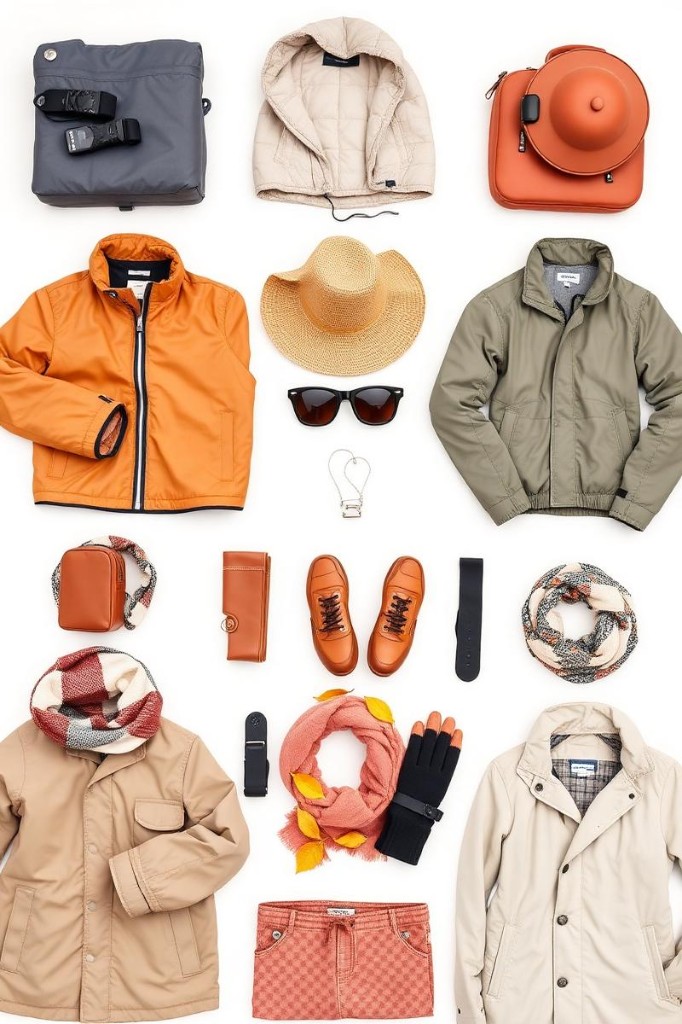
👕 Seasonal packing

Spring (March-May):

  • Light waterproof jacket
  • Sweaters and cardigans
  • Comfortable walking shoes
  • Compact umbrella

Summer (June-August):

  • Light cotton clothing
  • Swimwear for thermal baths
  • Hat and sunglasses
  • Sunscreen
  • Light jacket for evenings

Autumn (September-November):

  • Mid-season clothing
  • Raincoat
  • Waterproof shoes
  • Scarf and beanie

Winter (December-February):

  • Warm coat
  • Gloves and beanie
  • Non-slip winter shoes
  • Swimwear for outdoor thermal baths
Travel clothing and gear by season

💰 Seasonal budget

PeriodAccommodation (€)Transport (€)Activities (€)CrowdsSavings Tips
March-May45-8025-4015-303/5Book early
June-Aug70-12035-5525-455/5Avoid July-Aug
Sept-Nov50-8525-4015-352/5Harvest deals
Dec-Feb35-6520-3510-252/5Thermal packages

💡 Money-saving tips

  • Avoid July-August for prices 40% lower
  • Book 2-3 months in advance for the best deals
  • Take advantage of autumn for post-season promotions
  • Choose thermal packages in winter for excellent value
  • Use the Budapest Card to save on transport and attractions

🏥 Health and precautions

Seasonal precautions:

  • Spring: Pollen allergies, tick protection in nature
  • Summer: Enhanced sun protection, stay hydrated (30°C / 86°F possible)
  • Autumn: Warm clothing to avoid catching a cold
  • Winter: Watch out for slippery surfaces, thermal bath/outdoor temperature contrast
  • All seasons: No mandatory vaccines, tap water is safe to drink, European health insurance recommended

Events & Festivals in Hungary

Cultural calendar and festivities not to be missed in Hungary

Hungarian seasonal events set the pace for the year and significantly enrich the travel experience, blending millenary traditions with contemporary creativity.

🎭 Budapest Spring Festival (March-April)

Description: The country's largest cultural festival transforms Budapest into a giant stage with operas, classical concerts, and performances in the most beautiful historical venues. A refined and international atmosphere.

Location: Opera House, Palace of Arts, churches, and palaces of Budapest

Special feature: Exceptional access to venues usually closed to the public

Climate impact: Ideal period with mild temperatures for traveling between venues

🎵 Sziget Festival (August)

Description: One of Europe's largest music festivals on Óbuda Island. A week of international concerts, art, and celebration in a unique atmosphere, nicknamed the 'Island of Freedom'.

Location: Óbuda Island, Budapest

Special feature: Camping on the island, world-renowned eclectic programming

Climate impact: Perfect summer heat for the outdoor festival atmosphere

🎄 Budapest Christmas Markets (December)

Description: Christmas markets transform the capital into a winter fairy tale. Traditional crafts, mulled wine, and Hungarian specialties in a cozy and authentic atmosphere.

Location: Vörösmarty Square, St. Stephen's Basilica, Buda Castle

Special feature: Preserved authenticity far from mass tourism

Climate impact: Winter cold reinforces the cozy atmosphere of the stalls

Seasonal events

Spring:

  • Tokaj Wine Festival (April)
  • Formula 1 Races (August - Hungaroring)
  • Kalocsa Folk Festival (May)

Summer:

  • Szeged International Festival (July-August)
  • Summer Nights at Lake Balaton (June-August)
  • Debrecen Jazz Festival (August)

Autumn:

  • Tokaj Harvest Festival (September)
  • Budapest Film Festival (October)
  • Gastronomy Days (October)

Winter:

  • New Year's Eve on the Danube (December)
  • Thermal Bath Festival (January-February)
  • Mohács Carnival (February-March)

Responsible Travel in Hungary

Discover Hungary in an eco-friendly way by adapting your trip to natural cycles and supporting the local economy according to the country's seasonal specifics.

Hungary is developing sustainable tourism that respects its unique ecosystems: protection of Danube wetlands, preservation of national parks, and respect for the natural cycles of Lake Balaton and migratory wildlife.

🌱 Low-season advantages

Traveling in the off-season (October-March) reduces your carbon footprint, avoids overcrowding at natural sites, and allows for better-distributed economic support to local communities.

♻️ Sustainable travel tips

  • Transport: Prioritize the excellent train and public transport systems
  • Accommodation: Choose family-run guesthouses and eco-lodges
  • Activities: Respect wildlife during birdwatching
  • Consumption: Favor local and seasonal products
  • Waste: Participate in Danube cleanup initiatives
  • Energy: Use natural geothermal thermal baths

🏙️ Local sustainable initiatives

Hungary invests heavily in geothermal energy, develops national eco-parks, supports organic farming in the Puszta, and leads restoration programs for Danube wetlands.

Our Expert Recommendations

Expert recommendations for your trip to Hungary

After analyzing climatic data and our field experience, we offer personalized recommendations to optimize your discovery of Hungary. These tips are based on meteorological variations, tourist traffic, and seasonal cultural specifics to ensure an authentic and memorable experience.

🌟 Optimal Period: May-June and September

Recommended months: May, June, September

Advantages:

  • Ideal temperatures (18-24°C / 64-75°F)
  • Generous sunshine without excessive heat
  • Moderate crowds allowing for a peaceful experience
  • Attractive prices compared to July-August
  • Spring blooms or autumn colors

Disadvantages:

  • Some showers possible in spring

Ideal profile: Travelers seeking the perfect balance of weather/price/crowds

⚖️ Balanced Alternative: October and April

Alternative months: April, October

Description: Perfect compromise to discover Hungary with excellent value for money

Specific advantages:

  • Very attractive prices (30-40% cheaper)
  • Authentic local atmosphere
  • Charming transition seasons
  • Ideal for culture and gastronomy

👥 Tips for your travel style

👨‍👩‍👧‍👦 Family: May-June or September, mild temperatures, varied activities possible

💰 Budget: October-April, reduced prices, special thermal and cultural offers

🎒 Adventure: April-May and September-October, pleasant hiking, nature awakening

✨ Luxury: May-June, optimal conditions, terrace and gastronomy season

📸 Photographer: September-October, golden light, morning mist on the Danube

⚠️ Periods to Avoid

July-August: Intense heat, peak prices, heavy crowds

January-February: Harsh cold, very short days, some attractions closed

Cities to explore

Discover the must-sees of urban travel

All cities

Frequently Asked Questions

Find answers to essential questions to plan your trip to Hungary according to climatic conditions.

What is the best time to visit Budapest?

The optimal period for Budapest is from May to September, with peak comfort in May-June and September. These months offer pleasant temperatures (18-25°C / 64-77°F), generous sunshine, and allow you to fully enjoy terraces, Danube cruises, and outdoor thermal baths. Avoid July-August if you are sensitive to heat and crowds.

Can you swim in Lake Balaton all year round?

The bathing season at Lake Balaton runs from May to September, with optimal water temperatures from June to August (20-25°C / 68-77°F). Outside this period, the water is too cold for swimming, but the thermal baths and spas around the lake remain open and are particularly pleasant in autumn and winter.

Are the thermal baths in Budapest open in winter?

Yes, the thermal baths of Budapest are open all year round, and winter is actually the ideal season to enjoy them! The experience of bathing in 38°C / 100°F water while it is -5°C / 23°F outside is magical. Széchenyi, Gellért, and Rudas baths offer heated outdoor pools that are particularly popular from December to February.

Should I bring warm clothes even in summer?

Even in summer, bring a light jacket for the evenings. Temperatures can drop by 10°C / 18°F between day and night, especially near the Danube or Lake Balaton. In the mountains (Mátra region), evenings remain cool even in July-August. A windbreaker is usually sufficient.

When is the best time to see the beautiful autumn colors in Hungary?

Autumn colors reach their peak in October, particularly in the forests of the Bükk and Mátra mountains, as well as along the Danube. The Lake Balaton region and the Tokaj vineyards also offer spectacular landscapes. Late September to mid-October is the optimal time for photographing golden landscapes.