When to visit Italy? Complete Guide 2026-2027

Between the snow-capped Alps and the sunny Mediterranean coasts, Italy reveals surprising climates depending on the region and the season.

  • 59.1 M population
  • Italian language
  • 85 days rainy days/year
  • April to June and September to October best time to visit
  • 7 to 15 days recommended stay

Weather and Climate in Italy

Understanding the diverse climate of the Italian peninsula

Italy features four distinct climate zones influenced by its unique geography. From the Alps to the southern islands, variations in altitude, maritime proximity, and latitude create vastly different weather experiences depending on your destination.

  • Alpine Zone: Mountain climate with winter snow and cool summers in the North
  • Po Valley: Continental climate with cold winters and hot, humid summers
  • Mediterranean Coasts: Mild climate with temperate winters and hot, dry summers
  • South and Islands: Warm Mediterranean climate with very sunny summers and mild winters
MonthNorth (°C / °F)Center (°C / °F)South (°C / °F)Precipitation
January2-8°C / 36-46°F8-14°C / 46-57°F10-16°C / 50-61°FModerate
April12-18°C / 54-64°F15-21°C / 59-70°F16-22°C / 61-72°FLow
July20-28°C / 68-82°F22-30°C / 72-86°F24-32°C / 75-90°FRare
October12-18°C / 54-64°F16-22°C / 61-72°F18-24°C / 64-75°FModerate

Variations in altitude create microclimates: 0°C / 32°F in the mountains while it is 20°C / 68°F on the coast at the same time.

The Seasons in Italy

Climate by Italian Region

Italian geographical diversity creates fascinating microclimates. From the Alpine climate in the North to African influences in Sicily, each region reveals its own meteorological peculiarities that directly influence your travel experience.

🏔️ Northern Italy (Lombardy, Veneto, Piedmont)

Northern Italy has a continental climate with cold winters and hot summers. The Alps strongly influence precipitation and create perfect conditions for winter sports.

PeriodWeatherTemperature (°C / °F)Activities
Dec-FebSnow/Cold-2 to 8°C / 28-46°FSkiing, thermal baths
Mar-MayMild12-20°C / 54-68°FLakes, cities
Jun-AugHot20-28°C / 68-82°FHiking, festivals
Sep-NovCool10-18°C / 50-64°FHarvest, culture

Specifics: Winter fog in the plains, föhn effect in Alpine valleys

🌊 Central Italy (Tuscany, Lazio, Umbria)

Central Italy enjoys a temperate Mediterranean climate, ideal for cultural visits. The Tuscan hills and coasts offer optimal conditions for most of the year.

PeriodWeatherTemperature (°C / °F)Activities
Dec-FebMild/Humid8-14°C / 46-57°FMuseums, thermal baths
Mar-MayPerfect15-22°C / 59-72°FCountryside, art
Jun-AugHot/Dry22-30°C / 72-86°FCoasts, festivals
Sep-NovIdeal16-24°C / 61-75°FVineyards, hiking

Specifics: Refreshing sea breezes in summer, exceptional golden autumns

☀️ Southern Italy (Campania, Puglia, Calabria)

Southern Italy enjoys a warm Mediterranean climate with sunny summers and mild winters. African influences are felt, creating perfect conditions for seaside activities.

PeriodWeatherTemperature (°C / °F)Activities
Dec-FebMild10-16°C / 50-61°FCities, archaeology
Mar-MayPleasant16-23°C / 61-73°FCoast, nature
Jun-AugVery hot24-32°C / 75-90°FBeaches, islands
Sep-NovPerfect18-26°C / 64-79°FWarm sea, culture

Specifics: Sirocco winds in summer, warm sea until November

🏝️ Islands (Sicily, Sardinia)

Italian islands benefit from a pure Mediterranean climate with very mild winters and hot, dry summers. Insularity creates exceptional conditions for extended seaside tourism.

PeriodWeatherTemperature (°C / °F)Activities
Dec-FebTemperate12-18°C / 54-64°FHeritage, nature
Mar-MayIdeal18-24°C / 64-75°FHiking, villages
Jun-AugHot26-34°C / 79-93°FParadise beaches
Sep-NovExcellent20-27°C / 68-81°FSea, gastronomy

Specifics: Constant winds in summer, very long beach season

Practical Guide for Italy

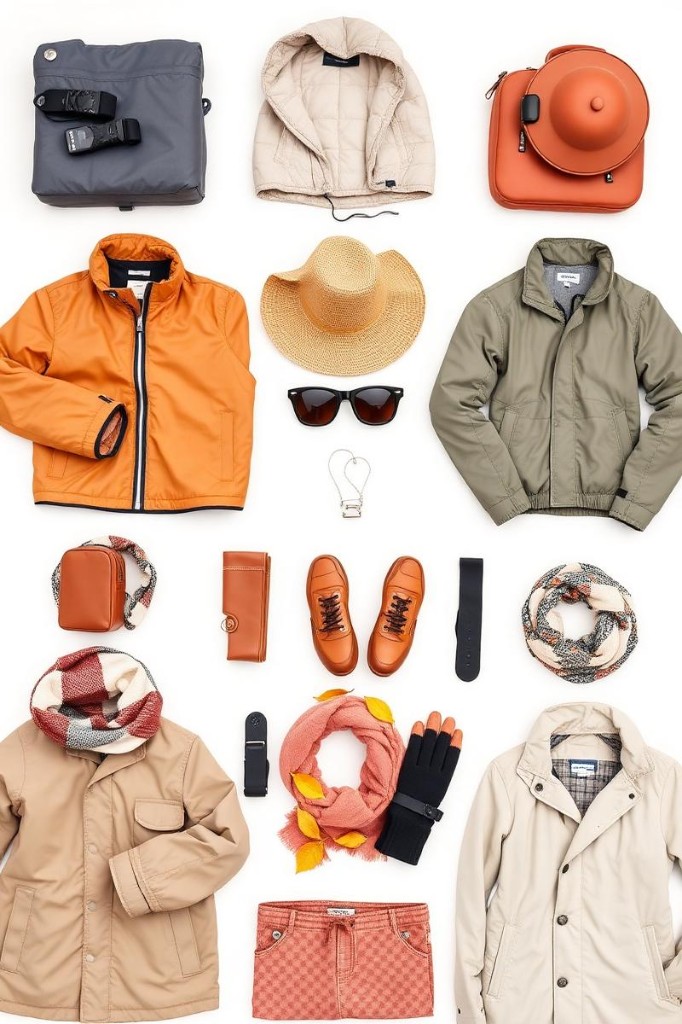
Preparing your suitcase for Italy requires anticipating climate variations by region and season. Appropriate gear will ensure your comfort during both cultural tours and moments of relaxation.

👕 Seasonal packing

Spring (March-May): • Light windbreakers • Comfortable walking shoes • Compact umbrella • Thin sweaters for evenings
Summer (June-August): • Light linen or cotton clothing • Sun protection (hat, sunglasses) • Swimwear • Sandals and closed-toe shoes
Autumn (September-November): • Modular layers • Light raincoat • Waterproof shoes • Scarf for evenings
Winter (December-February): • Warm coat for the North • Mid-season clothing for the South • Ski gear if necessary • Waterproof boots
Travel clothing and gear by season

💰 Seasonal budget

PeriodAccommodation (€)Transport (€)Activities (€)Crowds (/5)Budget Tips
High season (Jul-Aug)120-300150-40080-2005/5Book 6 months in advance
Mid season (Apr-Jun, Sep-Oct)80-200100-25060-1503/5Best value for money
Low season (Nov-Mar)50-12080-18040-1002/5Negotiate rates on-site

💡 Money-saving tips

  • Avoid July-August to save 40% on accommodation
  • Book flights 2-3 months in advance for the best deals
  • Take advantage of last-minute promotions in low season
  • Compare prices between regions: the South is generally cheaper
  • Use local public transport instead of taxis

🏥 Health and precautions

  • Sun protection: SPF 50+ sunscreen is essential in summer, especially in the South and on islands
  • Hydration: Drink regularly in high heat; bottled water is recommended
  • Altitude: Gradual adaptation in mountains, increased UV protection
  • Rainy season: Non-slip shoes for wet archaeological sites
  • Allergies: Be aware of pollen in spring; antihistamines are advised

Events & Festivals in Italy

Cultural calendar and festivities not to be missed in Italy

Italy vibrates to the rhythm of its traditional festivals and cultural events that mark each season, offering an authentic immersion into the Italian lifestyle.

🎭 Venice Carnival (February-March)

The most prestigious European carnival transforms Venice into a life-sized theater with its sumptuous masks and costume balls in historic palaces.

Location: Venice, St. Mark's Square and Venetian palaces

Highlight: Authentic period costumes and traditional mask competitions

Climate impact: Cool and humid weather, bring warm clothing to wear under costumes

🎵 Verona Festival (June-September)

The Verona Arena hosts the greatest operas in an exceptional ancient setting, creating an unforgettable lyrical experience under the summer stars.

Location: Roman Arena of Verona

Highlight: Exceptional natural acoustics and grand stage designs

Climate impact: Perfect summer evenings, bring a light jacket for nighttime coolness

🍇 Grape Harvest in Tuscany (September-October)

The harvest season turns Tuscany into a giant festival with tastings, village parties, and discovery of centuries-old winemaking traditions.

Location: Chianti, Montalcino, Montepulciano

Highlight: Participation in traditional grape harvesting is often possible

Climate impact: Ideal weather with mild temperatures and golden autumn light

Seasonal events

Spring: • Easter in Rome (March-April) • Explosion of the Cart in Florence (Easter) • Italian Film Festivals
Summer: • Spoleto Festival (June-July) • Palio di Siena (July-August) • White Nights in museums
Autumn: • White Truffle Festival (October-November) • Venice Biennale • Gastronomic 'Sagre' festivals
Winter: • Trentino Christmas Markets (December) • Epiphany in Rome (January) • Classical music festivals

Responsible Travel in Italy

Traveling sustainably in Italy means respecting its fragile ecosystems, from the Venetian lagoon to Alpine national parks, while supporting local communities.

Italy faces major environmental challenges: coastal erosion, overtourism in historic sites, and the impact of climate change on its ecosystems. Adapting your trip to the seasons allows you to minimize your footprint while discovering the country in an authentic way.

🌱 Low-season advantages

Traveling off-season reduces tourist pressure on fragile sites, lowers the carbon footprint of transport, and supports the local economy in a more balanced way throughout the year.

♻️ Sustainable travel tips

  • Prioritize public transport and trains for inter-city travel
  • Choose eco-certified accommodations or local agritourism
  • Respect marked trails in mountains and on coasts
  • Consume local and seasonal products in traditional restaurants
  • Avoid overcrowded sites during peak hours
  • Use reusable water bottles and public fountains

🏙️ Local sustainable initiatives

Italy is developing innovative sustainable projects: protection of the Venetian lagoon, reforestation of the Apennines, renewable energy in Sicily, and historic center preservation programs with active community participation.

Our Expert Recommendations

Expert recommendations for your trip to Italy

After analyzing climate data and field experience, our experts recommend optimal periods based on your priorities. Italy offers different experiences depending on the season, allowing you to adapt your trip to your specific expectations while enjoying the best weather conditions.

🌟 Optimal Period: May-June and September-October

Recommended months: May, June, September, October

Advantages:
  • Ideal temperatures (18-25°C / 64-77°F)
  • Moderate crowds
  • Reasonable prices
  • All sites open
  • Perfect conditions for walking
Disadvantages:
  • Some showers possible in spring
  • Booking recommended

Ideal profile: Travelers seeking the perfect balance between weather, comfort, and discovery

⚖️ Balanced Alternative: March-April and November

Alternative months: March, April, November

Description: Periods offering an excellent compromise between acceptable weather and attractive prices, perfect for tight budgets

Specific advantages:
  • Very advantageous rates
  • Preserved authenticity
  • Booking flexibility

👥 Tips for your travel style

Family: May-June and September for mild climate and varied activities
Budget: March-April and November to save 40% on costs
Adventure: June-September for Alpine hiking and water activities
Luxury: May and September for optimal conditions and premium service
Photographer: October for golden light and exceptional autumn colors

Periods to avoid: July-August (tourist overheating and high prices), January-February in the North (difficult conditions)

Cities to explore

Discover the must-sees of urban travel

All cities

Frequently Asked Questions

Find essential answers to the most common questions about planning a trip to Italy according to the seasons.

What is the best time to visit Italy?

The optimal period is from May to June and September to October. These months offer pleasant temperatures (18-25°C / 64-77°F), fewer crowds, and reasonable prices, perfect for combining cultural visits with relaxation.

Can you visit Italy in winter?

Absolutely! Winter is ideal for the South and the islands (mild temperatures 12-18°C / 54-64°F) and perfect for winter sports in the North. It is also the season for the most attractive prices and the authentic atmosphere of art cities.

What budget should be planned according to the season?

Expect to pay 30-40% more in high season (July-August) than in low season. Average budget: €150-300/day in summer, €100-200/day in spring/autumn, €80-150/day in winter, including accommodation and meals.

How to dress according to regions and seasons?

Opt for modular layers. Spring/autumn: light jacket and raincoat. Summer: light clothing + sun protection. Winter: warm coat for the North, mid-season clothing for the South. Comfortable walking shoes are essential year-round.

When should you avoid traveling to Italy?

Avoid July-August if you dislike crowds and intense heat (up to 35°C / 95°F in the South). January-February can be difficult in the North with fog and cold. Prefer the shoulder seasons for optimal comfort.