When to visit Martinique? Complete Guide

Between tropical softness and contrasting seasons, Martinique reveals its climatic secrets for an unforgettable trip.

  • 0.4 M population
  • French language
  • 150 days rainy days/year
  • December to April best time to visit
  • 7 to 14 days recommended stay

Weather and Climate in Martinique

Understanding the tropical maritime climate of Martinique

Martinique enjoys a tropical maritime climate influenced by trade winds and its geographical position. Two distinct climatic zones offer varied weather experiences depending on altitude and exposure to prevailing winds.

  • Coastal and low-altitude zone: Hot and humid climate with constant temperatures around 26-28°C / 79-82°F
  • Mountainous and interior zone: Cooler and rainier climate, with temperatures of 20-24°C / 68-75°F at higher altitudes
MonthTemperature (°C / °F)Rain (mm)Humidity (%)
January24-28°C / 75-82°F8578
February24-28°C / 75-82°F7076
March25-29°C / 77-84°F7575
April26-30°C / 79-86°F9577
May26-31°C / 79-88°F14080
June27-31°C / 81-88°F18082
July27-32°C / 81-90°F20083
August27-32°C / 81-90°F22084
September27-32°C / 81-90°F24085
October26-31°C / 79-88°F22084
November25-30°C / 77-86°F18082
December24-29°C / 75-84°F11079

Variations in altitude create microclimates: the southwest coast remains drier while Mount Pelée receives significant precipitation.

The Seasons in Martinique

Climate by Region in Martinique

Despite its modest size, Martinique presents remarkable climatic diversity. Volcanic relief, exposure to trade winds, and geographical orientation create distinct microclimates that influence your travel experience.

🏖️ South and Southwest Coast

Description: The driest and sunniest area of the island, sheltered from humid trade winds. Les Salines, Sainte-Anne, and Le Diamant enjoy a privileged climate with less precipitation than the rest of the island. Paradise beaches and turquoise waters characterize this popular region.

PeriodWeatherTemperatureActivities
Dec-AprSunny25-29°C / 77-84°FBeach, diving, sailing
May-NovShort showers27-31°C / 81-88°FSwimming, relaxing

Specifics: Dry micro-climate, moderate winds, maximum sunshine 8h/day in dry season

🌿 North and Northeast

Description: The wettest region directly exposed to trade winds. Saint-Pierre, Le Prêcheur, and the northern Atlantic coast receive significant precipitation. Dense tropical vegetation and spectacular volcanic landscapes. A wilder and more authentic atmosphere.

PeriodWeatherTemperatureActivities
Dec-AprCloudy23-27°C / 73-81°FHiking, culture
May-NovVery rainy25-30°C / 77-86°FThermal spas, nature

Specifics: Rainfall double that of the south, frequent mists, sea often rough on the Atlantic coast

⛰️ Mount Pelée and Pitons du Carbet

Description: High-altitude zone with a tropical mountain climate. Cooler temperatures and abundant precipitation create a unique ecosystem. Dense tropical forest, morning mists, and impressive volcanic landscapes characterize this region.

PeriodWeatherTemperatureActivities
Dec-AprFoggy18-24°C / 64-75°FHiking, observation
May-NovVery humid20-26°C / 68-79°FTrekking, nature

Specifics: Temperature drop with altitude (-6°C / 10.8°F per 1000m), frequent fog, orographic precipitation

🌊 East Atlantic Coast

Description: Oceanic facade exposed to trade winds and Atlantic swells. Le François, Le Robert, and Sainte-Marie offer an intermediate climate. Mangroves, islets, and 'fonds blancs' create unique landscapes despite sometimes difficult weather conditions.

PeriodWeatherTemperatureActivities
Dec-AprWindy24-28°C / 75-82°FKitesurfing, discovery
May-NovStormy26-31°C / 79-88°FKayaking, ecotourism

Specifics: Sustained winds, rough sea, alternating sun/showers, rich marine ecosystems

Practical Guide for Martinique

Preparing for a trip to Martinique requires adaptation to tropical specifics. Equipment, budget, and precautions vary by season to optimize comfort and safety during your Caribbean stay.

👕 Seasonal packing

Dry Season (Dec-Apr):

  • Light cotton clothing
  • Swimwear
  • Hat and sunglasses
  • Sandals and walking shoes
  • Light jacket for evenings

Humid Season (May-Nov):

  • Breathable, quick-drying clothing
  • Raincoat or poncho
  • Waterproof shoes
  • Mosquito repellent
  • Compact umbrella
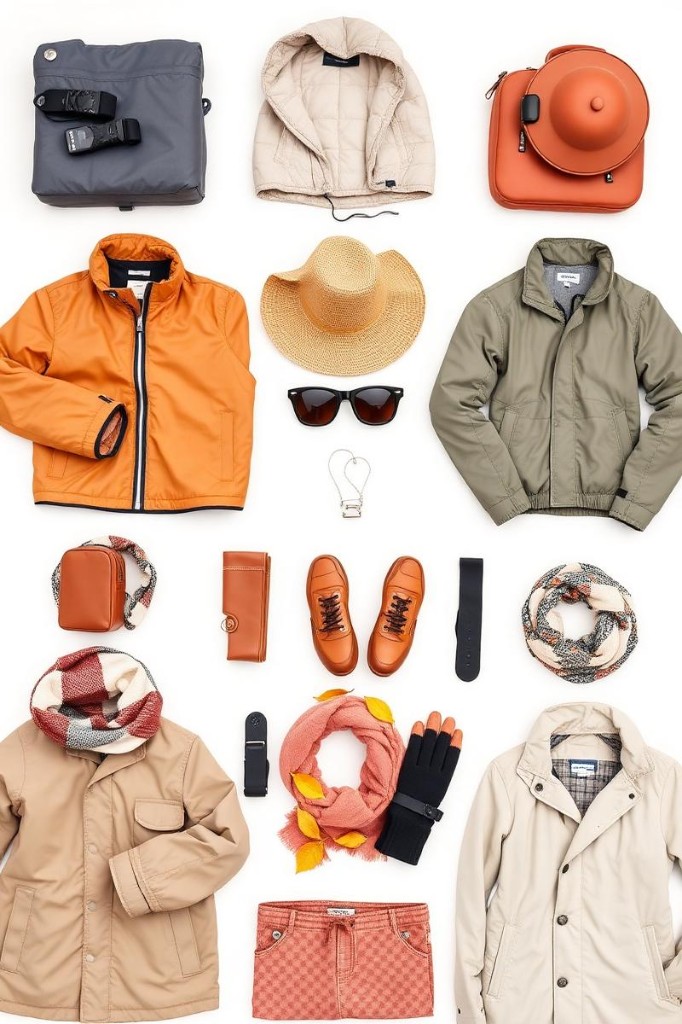
Travel clothing and gear by season

💰 Seasonal budget

PeriodAccommodation (€)Transport (€)Activities (€)Crowds (/5)Savings Tips
Dec-Jan150-30080-12050-1005/5Book 6 months ahead
Feb-Apr120-25070-10045-904/5Avoid school holidays
May-Jul80-18060-9035-702/5Enjoy low-season deals
Aug-Nov70-15050-8030-601/5Negotiate long-stay rates

💡 Money-saving tips

  • Travel in May-June or September-November to save 40% on accommodation
  • Book flights 3-4 months in advance for the best rates
  • Choose vacation rentals for long family stays
  • Take advantage of all-inclusive packages in the low season
  • Compare prices between the southern coast (more expensive) and other regions

🏥 Health and precautions

  • Sun protection: SPF50+ sunscreen, covering clothing, constant hydration
  • Humid season: Mosquito repellent, monitor for dengue/chikungunya/zika
  • Nautical activities: Beware of currents, jellyfish, and sea urchins depending on the season
  • Hiking: Adapted equipment, local guides for Mount Pelée
  • Food: Caution with seafood in the hot season, increased hydration

Events & Festivals in Martinique

Cultural calendar and festivities not to be missed in Martinique

The cultural richness of Martinique is expressed through an exceptional festive calendar punctuated by Creole seasons and traditions.

🎭 Martinique Carnival (January-March)

Description: A major island event featuring colorful parades, traditional music, and a unique festive atmosphere. Walking groups and floats parade through all communes. The highlight occurs during the 'Days of Fat' and Ash Wednesday.

Location: Primarily Fort-de-France, throughout the island

Highlight: Tradition of 'diablesses' and mythical Creole characters

Climate Impact: Dry period ideal for outdoor festivities

🎵 Martinique Jazz Festival (December)

Description: An international musical gathering blending jazz, world music, and Caribbean rhythms. Outdoor concerts and prestigious venues featuring renowned local and international artists.

Location: Fort-de-France, Lamentin, and exceptional sites

Highlight: Unique fusion between jazz and Creole music

Climate Impact: Dry season guarantees successful outdoor concerts

🏁 Tour de Martinique des Yoles Rondes (July-August)

Description: An iconic nautical competition featuring traditional boats. An extraordinary spectacle combining sport, tradition, and coastal landscapes. A popular and friendly atmosphere in all coastal towns.

Location: Full tour of the island, with stages in every coastal commune

Highlight: Living maritime heritage unique to the Antilles

Climate Impact: Humid season with winds favorable for navigation

Seasonal events

Dry Season (Dec-Apr):

  • Biguine Jazz Festival (December)
  • Carnival (January-March)
  • Sailing Week (February)
  • Terre de Blues Festival (March)

Humid Season (May-Nov):

  • Fort-de-France Festival (July)
  • Tour des Yoles Rondes (July-August)
  • Culturissimo Festival (August)
  • Cooks' Festival (August)

Responsible Travel in Martinique

Discovering Martinique in an eco-responsible way preserves exceptional biodiversity and supports the local economy while respecting island natural cycles.

The fragile Martinican ecosystem requires a respectful approach: protection of coral reefs, respect for sea turtle nesting periods, preservation of the tropical forest, and sustainable management of water resources.

🌱 Low-season advantages

Traveling in the humid season reduces tourist pressure, lowers the carbon footprint through spread-out attendance, and supports the local economy outside of peak times.

♻️ Sustainable travel tips

  • Use public transport and carpooling to reduce carbon impact
  • Choose eco-certified accommodations that respect the local environment
  • Consume local and seasonal products in traditional restaurants
  • Respect protected areas and follow marked trails when hiking
  • Avoid chemical sunscreens harmful to coral reefs
  • Participate in beach cleaning and environmental awareness actions

🏙️ Local sustainable initiatives

Martinique is developing renewable energies (wind, solar), sea turtle protection programs, reforestation projects, and community tourism initiatives that value authentic Creole heritage.

Our Recommendations

Expert recommendations for your trip to Martinique

After analyzing climatic data, cultural events, and practical constraints, our personalized recommendations will optimize your Martinican experience. Each period offers specific advantages depending on your priorities: weather, budget, crowds, or cultural authenticity.

🌟 Optimal Period: February - April

Recommended months: February, March, April

Advantages:

  • Optimal dry and sunny climate
  • Ideal temperatures 25-29°C / 77-84°F
  • Calm sea perfect for water activities
  • End of the high tourist season
  • Rich cultural events (Carnival, festivals)

Disadvantages:

  • Rates still high in February-March
  • Need to book in advance

Ideal profile: Travelers seeking perfect weather, families, honeymooners, divers

⚖️ Balanced Alternative: May - June

Alternative months: May, June

Description: Excellent compromise between acceptable weather conditions and affordable rates

Specific advantages:

  • Price reduction of 30-40% compared to high season
  • Start of the humid season with short showers
  • Lush and blooming vegetation
  • Fewer tourists, authentic atmosphere
  • Optimal water temperature 27-28°C / 81-82°F

👥 Tips for your travel style

👨‍👩‍👧‍👦 Family: February-April for safe weather, varied activities. Avoid July-August (hurricanes). Plan for 10-14 days.

💰 Budget: May-June or November for maximum savings. Vacation rentals, local restaurants. Stay 7-10 days.

🏃‍♂️ Adventure: December-March for Mount Pelée hikes. Dry season ideal for trekking. Optimal water sports.

💎 Luxury: January-March in high-end resorts. Book 6 months in advance. Exclusive experiences guaranteed.

📸 Photographer: February-April for perfect light. Humid season for lush vegetation. Spectacular sunrises/sunsets.

⚠️ Periods to avoid: September - October

Peak of the hurricane season with high weather risks, high humidity, and maximum precipitation. Many establishments close for maintenance.

Cities to explore

Discover the must-sees of urban travel

All cities

Frequently Asked Questions

Answers to essential questions to plan your trip to Martinique with peace of mind according to optimal weather conditions.

What is the best time to avoid hurricanes in Martinique?

The hurricane season officially runs from June to November, with peak risk between August and October. To avoid this risk entirely, prioritize the period from December to May. If you must travel during the hurricane season, May-July and November present lower risks.

Is it too hot in Martinique during the summer?

The Martinican summer (June-August) features temperatures of 27-32°C / 81-90°F with high humidity (80-85%). Although bearable thanks to the trade winds, the heat feels more intense than in the dry season. Adaptation takes 2-3 days, and morning/evening activities are recommended.

Can you swim all year round in Martinique?

Absolutely! The water temperature varies between 26°C / 79°F (February) and 29°C / 84°F (September), ideal for swimming all year round. However, be mindful of sea conditions: it is rougher on the Atlantic coast and during the humid season on certain exposed beaches.

How much does a trip to Martinique cost depending on the season?

Price differences are significant: high season (Dec-Apr) is 40-60% more expensive than low season (May-Nov). Average high-season budget: 150-200€ / $160-$215 per day/person. Low season: 80-120€ / $85-$130 per day/person. Flights: 450-800€ / $480-$860 depending on the period.

Which activities should be prioritized according to the season in Martinique?

Dry season: diving, Mount Pelée hiking, sailing, festivals. Humid season: cultural discovery, thermal spas, lush nature observation, local gastronomy. Nautical activities are possible all year round with adjustments based on weather conditions.