When to visit Mauritius? Complete Guide

Between tropical paradise climate and cyclone season, discover the meteorological secrets of this Indian Ocean pearl.

  • 1.3 million population
  • English, French, Mauritian Creole language
  • 150 days rainy days/year
  • May to December best time to visit
  • 7 to 14 days recommended stay

Weather and Climate in Mauritius

Understanding the tropical oceanic climate of Mauritius

Mauritius enjoys a tropical oceanic climate with two distinct zones influenced by southeast trade winds, altitude, and geographical orientation. This climatic diversity offers varied experiences depending on the region visited.

  • North and West coastal zone: Drier and sunnier, protected from trade winds with less rainfall
  • South and East coastal zone: More humid and windy, exposed to trade winds with more frequent rainfall
MonthTemperature (°C / °F)Precipitation (mm / in)Humidity (%)
January24-30°C / 75-86°F250mm / 9.8in80
February24-30°C / 75-86°F230mm / 9.1in82
March23-29°C / 73-84°F200mm / 7.9in80
April22-28°C / 72-82°F150mm / 5.9in78
May20-26°C / 68-79°F100mm / 3.9in75
June18-24°C / 64-75°F80mm / 3.1in73
July17-23°C / 63-73°F70mm / 2.8in72
August17-23°C / 63-73°F60mm / 2.4in72
September18-25°C / 64-77°F50mm / 2.0in73
October20-27°C / 68-81°F60mm / 2.4in74
November22-28°C / 72-82°F90mm / 3.5in76
December23-29°C / 73-84°F180mm / 7.1in78

Variations in altitude create microclimates: the central plateaus are cooler and more humid than the coastal areas.

Seasons in Mauritius

Climate by Mauritian Region

Mauritius presents marked regional climatic variations due to trade winds, relief, and geographical exposure. These differences directly influence the choice of your place of stay.

🏖️ North and West Coast

Description: The driest and sunniest region of the island, protected from the southeast trade winds by the central mountains. This area benefits from a particularly favorable microclimate with less rainfall and more stable weather conditions all year round. The beaches of Grand Baie, Trou aux Biches, and Flic en Flac offer ideal conditions.

PeriodWeatherTemperatureActivities
May-OctDry, sunny18-26°C / 64-79°FBeach, diving, water sports
Nov-AprHot, some showers24-30°C / 75-86°FSwimming, lounging, nightlife

Specifics: Calm and protected lagoon, spectacular sunsets, significant hotel concentration

🌊 East Coast

Description: Wild and authentic coast directly exposed to the southeast trade winds, offering more natural and preserved landscapes. This region is windier and receives more rainfall, creating lush vegetation. Belle Mare, Trou d'Eau Douce, and Île aux Cerfs are the main points of interest.

PeriodWeatherTemperatureActivities
May-OctWindy, dry17-25°C / 63-77°FKitesurfing, golf, nature discovery
Nov-AprHumid, frequent showers23-29°C / 73-84°FExcursions, spa, gastronomy

Specifics: Excellent conditions for wind sports, dense tropical vegetation, preserved authenticity

🏔️ Central Plateaus

Description: Mountainous and cool region located in the heart of the island, including Curepipe, Vacoas, and the surroundings of Piton de la Petite Rivière Noire. The altitude (400-800m / 1312-2625ft) creates a more temperate and humid climate, with cooler temperatures and higher rainfall.

PeriodWeatherTemperatureActivities
May-OctCool, misty15-22°C / 59-72°FHiking, cultural discovery
Nov-AprMild, rainy20-26°C / 68-79°FNature, local markets, thermalism

Specifics: Tropical mountain climate, rich biodiversity, authentic Mauritian culture

🌺 South Coast

Description: Wild and spectacular coast characterized by cliffs, powerful waves, and preserved nature. This more isolated region offers dramatic landscapes with sites like Gris Gris, Le Souffleur, and Rochester Falls. The climate is windier and cooler.

PeriodWeatherTemperatureActivities
May-OctWindy, dry16-24°C / 61-75°FCoastal hiking, photography
Nov-AprStormy, humid22-28°C / 72-82°FNature discovery, waterfalls

Specifics: Unique wild landscapes, rough sea, total authenticity, ecotourism

Practical Guide for Mauritius

Prepare your trip to Mauritius by taking into account the seasonal climatic variations that directly influence your comfort, budget, and activities. These practical tips will help you optimize your stay according to the chosen period.

👕 Seasonal packing

Austral Winter (May-October):

  • Light cotton and linen clothing
  • Light sweater for evenings
  • Windbreaker for water activities
  • Walking shoes for hiking

Austral Summer (November-April):

  • Very light and breathable clothing
  • Light raincoat or poncho
  • Enhanced sun protection (hat, sunglasses)
  • Waterproof shoes
  • Compact rain gear
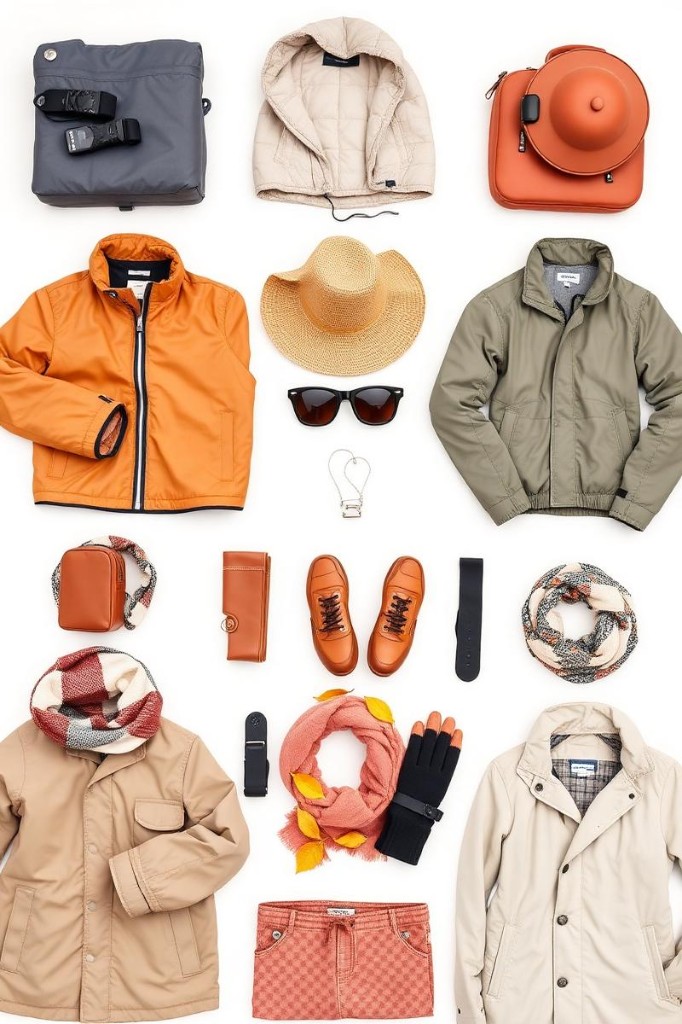
Travel clothing and gear by season

💰 Seasonal budget

PeriodAccommodation (€)Transport (€)Activities (€)Crowds (/5)Budget Tips
May-July150-40080-15050-1204/5Book 3-6 months in advance
August-October180-450100-18060-1405/5Avoid August, favor May-June
November-January120-30060-12040-1002/5Best rates outside cyclone season
February-April100-25050-10035-801/5Significant discounts but weather risk

💡 Money-saving tips

  • Avoid July-August: most expensive period with maximum crowds
  • Favor May-June: excellent weather-price compromise
  • Enjoy November-December: attractive rates before the holidays
  • Book in advance: up to 40% savings on high-season accommodation
  • Watch for promotions: special offers during cyclone season

🏥 Health and precautions

  • Sun protection: SPF 50+ mandatory, reapply every 2 hours, beware of ocean reflection
  • Hydration: 2-3L of water/day, avoid ice cubes in the humid season
  • Rainy season precautions: Mosquito repellent, covering clothing in the evening
  • Water activities: Respect swimming flags, beware of currents on the south coast
  • Altitude: Bring warm clothing for central plateaus (15°C / 59°F possible)
  • Vaccinations: Routine updates, Hepatitis A recommended

Mauritian Events & Festivals

Cultural calendar and festivities not to be missed in Mauritius

Mauritian festivities reflect the island's cultural diversity and adapt to the seasons, significantly enriching the travel experience.

🎊 International Music Festival (June-July)

Description: A major musical event attracting international and local artists in an exceptional tropical setting. Open-air concerts, festive atmosphere, and musical discovery in several iconic locations on the island.

Location: Port Louis, Grand Baie, various venues

Highlight: Unique fusion of Mauritian musical cultures with international artists

Climate impact: Ideal period with dry weather and pleasant temperatures for outdoor concerts

🌺 Holi - Festival of Colors (March)

Description: A spectacular Hindu celebration marking the arrival of spring with throwing colored powders, traditional dances, and community festivities. A joyful and participatory atmosphere throughout the island.

Location: Hindu temples, public spaces, island-wide

Highlight: Participation open to all, an explosion of color and collective joy

Climate impact: End of the hot season, temperatures still high but bearable for festivities

🏃‍♂️ Mauritius International Marathon (July)

Description: An international race crossing the island's spectacular landscapes, from the coast to the central plateaus. A major sporting event attracting runners from around the world in a unique tropical setting.

Location: Varied course across the island

Highlight: Exceptional course combining coasts, forests, and mountain panoramas

Climate impact: Optimal period with cool temperatures and dry conditions ideal for physical exertion

Seasonal events

Austral Winter (May-October):

  • Porlwi Festival (June) - Urban arts and culture
  • Fête de la Musique (June) - National music celebration
  • Mauritian Film Festival (August) - Local and international cinema

Austral Summer (November-April):

  • Chinese New Year (January-February) - Parades and festivities
  • Maha Shivaratri (February-March) - Major Hindu pilgrimage
  • Spring Festival (March-April) - Various cultural celebrations

Responsible Travel in Mauritius

Adopting an eco-responsible approach in Mauritius helps preserve the island's natural beauty while respecting its fragile ecosystems and local communities.

Mauritius, with its crystal-clear lagoons and unique biodiversity, requires special attention to environmental impacts. Respecting natural cycles and marine wildlife breeding periods contributes to the preservation of this tropical paradise.

🌱 Low-season advantages

Traveling during the shoulder season (April-May, November) reduces tourist pressure on ecosystems while supporting the local economy in a more balanced way.

♻️ Sustainable travel tips

  • Water management: Save this precious resource, avoid wasting it in pools/showers
  • Marine protection: Oxybenzone-free sunscreens, respect corals and turtles
  • Waste: Reduce plastic, participate in organized beach cleanups
  • Transport: Favor local buses, cycling, walking for authentic discovery
  • Local consumption: Mauritian products, local crafts, family restaurants

🏙️ Local sustainable initiatives

Mauritius is developing innovative sustainable projects: solar farms, sea turtle conservation programs, community recycling initiatives, and coral reef protection by local associations.

Our Expert Recommendations

Expert recommendations for your trip to Mauritius

Based on the analysis of climatic data and our field expertise, these recommendations will guide you to the optimal period according to your priorities. Each season offers specific advantages to be evaluated according to your traveler profile and expectations.

🏆 Optimal Period: May to October

Recommended months: May, June, September, October

Advantages:

  • Dry and sunny climate with refreshing trade winds
  • Comfortable temperatures (17-26°C / 63-79°F)
  • Total absence of cyclones
  • Perfect conditions for all activities
  • Exceptional visibility for diving

Limitations:

  • High tourist season (July-August)
  • Higher rates

Ideal profile: All types of travelers, families, couples, sports enthusiasts

⚖️ Balanced Alternative: November and April

Alternative months: November, April

Description: Transition periods offering an excellent weather-price compromise with still favorable conditions

Specific advantages:

  • Rates reduced by 20-40%
  • Moderate crowds
  • Still pleasant climate
  • Lush vegetation

👥 Tips for your travel style

👨‍👩‍👧‍👦 Family: May-June and September-October, avoid European school holidays for better prices

💰 Budget: November-December and April, significant promotions with decent weather

🏃‍♂️ Adventure: May-October for hiking and water sports, optimal conditions

🏖️ Luxury: June-September, high-end services and perfect weather

📸 Photographer: May-June, exceptional light and contrasting landscapes

⚠️ Periods to avoid: January to March

Cyclone season with significant weather risks, high humidity, and intense rainfall. Reserved for experienced travelers who accept climatic uncertainties.

Cities to explore

Discover the must-sees of urban travel

All cities

Frequently Asked Questions

Find answers to essential questions to plan your trip to Mauritius according to climatic conditions.

What is the best time to avoid cyclones in Mauritius?

The dry season from May to October is completely free of cyclones. The cyclone season runs from November to April, with peak risk between January and March. For maximum safety, prioritize May to October.

Can you swim all year round in Mauritius?

Yes, the water temperature varies between 24°C (75°F) in the austral winter and 29°C (84°F) in the austral summer. Even in the cool season (May-October), swimming remains very pleasant. The lagoons of the north and west coasts offer the best conditions.

What is the price difference between high and low season?

The differences can reach 40 to 60% between high season (July-August) and low season (February-March). May-June and September-October offer the best value for money with excellent climatic conditions.

How should I dress according to the seasons in Mauritius?

In the austral winter (May-October): light clothing + sweater for evenings. In the austral summer (November-April): very light clothing, raincoat, and enhanced sun protection. Always bring closed shoes for the central plateaus.

Which region should I choose based on the weather?

The north and west coast (Grand Baie, Flic en Flac) enjoys the driest and most stable climate all year round. The east coast is windier and more humid but perfect for wind sports. The central plateaus are cooler and suitable for hiking.