When to visit Mexico? Complete Guide

From arid deserts to tropical jungles, Mexico reveals a fascinating climatic mosaic that transforms every season into a unique adventure.

  • 128 million population
  • Spanish language
  • 120 days rainy days/year
  • November to April best time to visit
  • 10 to 21 days recommended stay

Weather and Climate in Mexico

Understanding Mexico's diverse tropical climate

Mexico features six distinct climate zones influenced by altitude, the Pacific and Atlantic oceans, and its unique geographical position. This diversity offers varied travel experiences depending on the chosen region.

  • Pacific Coast: Warm and humid tropical climate with a marked rainy season
  • Caribbean Coast: Maritime tropical with constant temperatures and potential for cyclones
  • Central Plateau: Temperate high-altitude climate with significant day/night variations
  • Desert North: Arid climate with high thermal amplitudes and rare precipitation
MonthTemperature (°C / °F)Precipitation (mm / in)Conditions
January15-25°C / 59-77°F15 / 0.6Dry and sunny
April20-30°C / 68-86°F25 / 1.0Ideal
July18-28°C / 64-82°F180 / 7.1Rainy season
October18-28°C / 64-82°F50 / 2.0Pleasant transition

Altitude drastically transforms the Mexican climate: while the coasts feature 25-35°C / 77-95°F year-round, Mexico City at 2,240m / 7,349ft oscillates between 5-25°C / 41-77°F with cool nights even in summer.

Seasons in Mexico

Climate by Mexican Region

The exceptional geographical diversity of Mexico creates distinct microclimates. Mountainous relief, two oceans, and latitude significantly influence regional weather conditions.

🏖️ Riviera Maya & Yucatán

Description: Constant maritime tropical climate with high temperatures year-round. The Yucatán Peninsula benefits from refreshing sea breezes but remains exposed to cyclones between June and November. Cenotes offer a welcome coolness.

PeriodWeatherTemperature (°C / °F)Activities
Dec-AprDry, sunny24-28°C / 75-82°FBeaches, Mayan sites
May-NovHot, humid26-32°C / 79-90°FCenotes, nature

Specifics: Cyclone risk, Caribbean Sea always warm (26-29°C / 79-84°F), constant humidity 80%

🌵 Central Plateau & Mexico City

Description: Temperate high-altitude climate with significant variations between day and night. Mexico City and its surroundings enjoy a pleasant mountain climate, nicknamed 'eternal spring', but nights can be cool even in summer.

PeriodWeatherTemperature (°C / °F)Activities
Oct-AprDry, cool5-22°C / 41-72°FCity tours, museums
May-SepAfternoon rains12-25°C / 54-77°FMarkets, colonial sites

Specifics: Altitude 2000-2500m / 6560-8200ft, thin air, urban pollution, spectacular thunderstorms

🌊 Pacific Coast

Description: From Puerto Vallarta to Acapulco, warm tropical climate with a marked rainy season. Temperatures remain high year-round with significant humidity during the summer. Pacific winds provide freshness.

PeriodWeatherTemperature (°C / °F)Activities
Nov-AprDry, pleasant22-30°C / 72-86°FSurfing, fishing, beaches
May-OctHot, stormy25-35°C / 77-95°FWhale watching

Specifics: Pacific swell, spectacular sunsets, coastal microclimates

🏜️ Desert North

Description: Arid climate with high thermal amplitudes. The Sonora and Chihuahua deserts feature scorching days and cool nights. Rare but sometimes violent precipitation creating flash floods.

PeriodWeatherTemperature (°C / °F)Activities
Nov-MarMild, dry5-25°C / 41-77°FHiking, desert
Apr-OctVery hot15-45°C / 59-113°FAvoid mid-day

Specifics: Day/night differences of 20°C / 36°F, sandstorms, rare natural oases

Practical Guide for Mexico

Prepare for your trip to Mexico by adapting your gear to the significant climatic variations between regions and seasons. From light clothing to sun protection, every detail counts for a successful stay.

👕 Seasonal packing

Dry Season (Nov-Apr):

  • Light cotton clothing
  • Sweater or jacket for evenings
  • Closed walking shoes
  • Hat and sunglasses
  • High-SPF sunscreen

Rainy Season (May-Oct):

  • Breathable, quick-drying clothing
  • Light raincoat or poncho
  • Non-slip sandals
  • Waterproof bag for electronics
  • Effective mosquito repellent
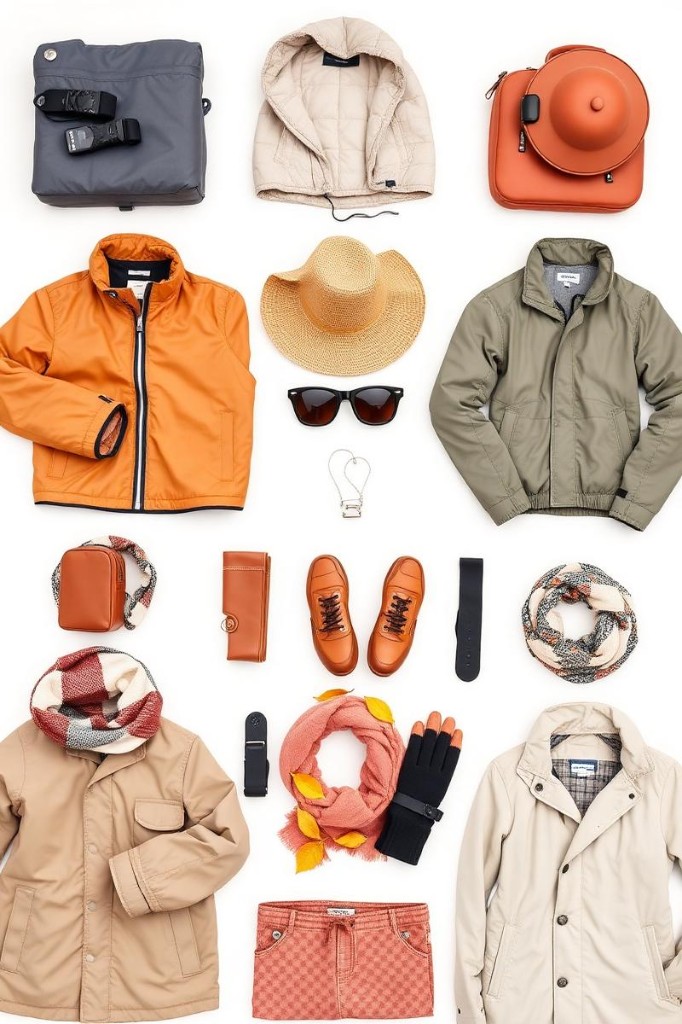
Travel clothing and gear by season

💰 Seasonal budget

PeriodAccommodation (€/$)Transport (€/$)Activities (€/$)Crowds (/5)Savings Tips
Dec-Jan80-200 / 85-215600-1000 / 650-108050-100 / 55-1105/5Book 6 months ahead
Feb-Apr60-150 / 65-160500-800 / 540-86040-80 / 45-854/5Avoid US holidays
May-Jun40-100 / 45-110400-600 / 430-65030-60 / 35-652/5Best value for money
Jul-Sep50-120 / 55-130450-700 / 485-75535-70 / 40-753/5Negotiate locally
Oct-Nov45-110 / 50-120420-650 / 450-70035-65 / 40-702/5Ideal transition period

💡 Money-saving tips

  • Travel between May and June for the best rates with still-acceptable weather
  • Book accommodation 3-4 months in advance to avoid last-minute price hikes
  • Choose less touristy destinations during high season
  • Take advantage of September-October promotions after the rainy season
  • Negotiate activity prices directly with local providers

🏥 Health and precautions

  • Year-round: Enhanced sun protection (due to altitude), constant hydration
  • Dry season: Watch for rapid dehydration, use moisturizers
  • Wet season: Mosquito repellent, waterproof first-aid kit
  • Altitude: Gradual adaptation in Mexico City and mountain regions
  • Coasts: Watch for ocean currents and jellyfish depending on the season
  • Vaccinations: Hepatitis A/B recommended, yellow fever if transiting through South America

Mexican Events & Festivals

Cultural calendar and festivities not to be missed in Mexico

Mexican festivities punctuate the year and offer an authentic immersion into local culture, often linked to traditional seasonal cycles.

🎭 Día de los Muertos (November 1-2)

Description: Iconic celebration blending pre-Hispanic and Catholic traditions. Families honor their deceased with colorful altars, offerings, and night processions in a mystical and joyful atmosphere.

Location: Throughout Mexico, particularly spectacular in Oaxaca and Michoacán

Special feature: UNESCO Intangible Cultural Heritage, a unique cultural experience

Climate impact: Ideal dry season, cool temperatures for nocturnal celebrations

🎪 Carnival of Veracruz (February-March)

Description: The largest carnival in Mexico with nine days of non-stop festivities. Colorful parades, live music, folk dances, and Caribbean vibes in the streets of the historic port of Veracruz.

Location: Veracruz, Gulf of Mexico coast

Special feature: Unique fusion of African, European, and indigenous cultures

Climate impact: Perfect dry period, mild temperatures for outdoor festivities

🌺 Guelaguetza Oaxaca (July)

Description: Authentic folk festival celebrating the cultural diversity of the indigenous peoples of Oaxaca. Traditional dances, hand-embroidered costumes, and ancestral gastronomy in a natural amphitheater.

Location: Oaxaca de Juárez, central valleys

Special feature: Preserved ancient traditions, exceptional craftsmanship

Climate impact: Rainy season but brief showers, lush vegetation

Seasonal events

Dry Season (Nov-Apr):

  • Día de los Muertos (November)
  • Posadas and Christmas (December)
  • Carnival (February-March)
  • Holy Week (March-April)

Rainy Season (May-Oct):

  • Independence Day (September)
  • Guelaguetza Oaxaca (July)
  • Cervantino Festival Guanajuato (October)
  • Local Fiestas Patrias (summer)

Responsible Travel in Mexico

Traveling to Mexico responsibly means respecting its fragile ecosystems and adapting your visit to natural cycles to minimize environmental impact.

Mexico is home to exceptional biodiversity threatened by mass tourism. Respecting marine breeding seasons, avoiding overcrowding of fragile sites, and choosing eco-friendly providers preserves this unique natural heritage.

🌱 Low-season advantages

Traveling during the rainy season reduces tourist pressure, supports the local economy spread throughout the year, and allows for observing nature at its peak.

♻️ Sustainable travel tips

  • Use biodegradable sunscreen in cenotes and coral reefs
  • Prioritize local public transport and avoid short domestic flights
  • Respect marine turtle nesting areas (May-October)
  • Consume water sparingly, a precious resource in arid regions
  • Buy directly from local artisans rather than tourist chains
  • Avoid activities with captive wild animals

🏙️ Local sustainable initiatives

Mexico is developing community-based ecotourism projects: biosphere reserves managed by indigenous communities, marine conservation programs, and renewable energy initiatives in tourist areas.

Our Expert Recommendations

Expert recommendations for your trip to Mexico

After analyzing climatic data over 20 years and field experience, our recommendations adapt to your travel priorities. Mexico offers different experiences depending on the chosen period, each with its specific advantages.

🌟 Optimal Period: December to March

Recommended Months: December, January, February, March

Advantages:

  • Ideal weather conditions in all regions
  • Calm sea and perfect visibility for diving
  • All sites accessible without restrictions
  • Low humidity and pleasant temperatures
  • Ideal period for families and first-time visitors

Disadvantages:

  • Maximum tourist crowds
  • High season rates

Ideal Profile: Families, comfort travelers, first-time Mexico discovery

⚖️ Balanced Alternative: October-November

Alternative Months: October, November

Description: Perfect transition between seasons with excellent value for money. End of rains, pleasant temperatures, and moderate crowds.

Specific Advantages: Landscapes still green, attractive rates, stable weather, authentic cultural festivals

👥 Tips for your travel style

👨‍👩‍👧‍👦 Family: December-March, avoid rainy season, prioritize Riviera Maya. Activities adapted for children.

💰 Budget: May-June and October-November. Negotiation possible, cheaper accommodation, promotional flights.

🎒 Adventure: Rainy season acceptable, easier nature access, spectacular waterfalls, fewer crowds.

💎 Luxury: January-March, resorts in peak season, optimal services, perfect weather conditions.

📸 Photographer: October-November for soft light, contrasted landscapes, dramatic post-rain skies.

⚠️ Periods to avoid: August-September

Peak of the rainy season with cyclone risks on the Caribbean coast. Maximum humidity and limited access to some remote areas. Reserved for experienced travelers.

Cities to explore

Discover the must-sees of urban travel

All cities

Frequently Asked Questions

Find answers to essential questions about planning your trip to Mexico according to weather conditions.

When is the best time to visit Mexico?

The optimal period is from December to March with a dry climate, pleasant temperatures (20-28°C / 68-82°F), and low humidity. It is the peak tourist season, but conditions are ideal for all activities. For a good compromise, October-November still offers good conditions with fewer crowds.

Can you travel to Mexico during the rainy season?

Absolutely! The rainy season (May-October) has significant advantages: lower prices, fewer tourists, lush landscapes, and spectacular waterfalls. Showers are generally short and occur in the late afternoon. Simply avoid August-September on the Caribbean coast (cyclone risk).

Are there risks of cyclones in Mexico?

Cyclones primarily affect the Caribbean coast between June and November, peaking in August-September. The Pacific coast is less exposed. Monitor weather forecasts and purchase travel insurance. Tourist infrastructure is well-prepared for these phenomena.

What budget should I plan for according to the season?

Expect to pay 30-50% more in high season (December-March) for accommodation and flights. The period from May-June offers the best rates. Average budget: 60-100€ / $65-$110 per day in low season, 80-150€ / $85-$165 per day in high season for a comfortable trip.

How should I dress according to regions and seasons?

Opt for light cotton clothing year-round. Add a jacket for evenings during the dry season and in high-altitude regions (Mexico City). In the rainy season, bring quick-drying clothes and a light raincoat. Sunscreen is essential everywhere.