When to visit Panama? Complete Guide

Between golden Pacific coasts and lush Caribbean jungles, Panama offers climatic surprises all year round.

  • 4.4 M population
  • Spanish language
  • 180 days rainy days/year
  • December to April best time to visit
  • 7 to 14 days recommended stay

Weather and Climate in Panama

Understanding Panama's tropical and two-season climate

Panama enjoys a humid tropical climate marked by two distinct seasons: the dry season and the rainy season. Located between two oceans, the country is influenced by trade winds, the altitude of the mountain ranges, and its double coastline, creating remarkable climatic diversity within just 75,000 km² / 28,958 sq mi.

  • Pacific Coast: Well-defined dry season from December to April, generous sunshine, and calm seas suitable for beaches and diving.
  • Caribbean Coast (Atlantic): Almost constant rain with peaks between May and December, lush vegetation, and exceptional biodiversity.
  • Highlands (Chiriquí / Boquete): Cool temperatures between 15°C / 59°F and 22°C / 72°F, frequent morning mist, ideal for hiking and coffee cultivation.
  • Panama City and Canal Zone: Hot and humid tropical urban climate, influenced by the proximity of both oceans and accessible in any season.
MonthTemperature (°C / °F)Precipitation (mm / in)Humidity (%)
January24-30°C / 75-86°F25 mm / 1 in75
February24-31°C / 75-88°F15 mm / 0.6 in73
March25-32°C / 77-90°F20 mm / 0.8 in74
April25-32°C / 77-90°F55 mm / 2.2 in78
May25-31°C / 77-88°F185 mm / 7.3 in85
June24-30°C / 75-86°F175 mm / 6.9 in87

Altitude variations create microclimates: from 30°C / 86°F on the coast to 15°C / 59°F in the mountains at 2,000m / 6,562ft altitude.

The Seasons in Panama

Climate by region in Panama

From the Pacific to the Caribbean, passing through the verdant peaks of the mountain ranges, Panama offers surprising climatic diversity for a country of its size. The relief, the orientation of the trade winds, and the double coastline create distinct microclimates that directly influence your travel experience and the choice of your destinations.

🌊 Pacific Coast

The Panamanian Pacific coast, which stretches from the Azuero Peninsula to the beaches of Coronado and up to Santa Catalina, benefits from the clearest dry season in the country. From December to April, the sky is pristine blue and the calm waters invite diving and surfing. This is where the majority of seaside tourist infrastructure is concentrated. The rainy season (May–November) brings intense but generally short morning showers, keeping the landscapes in vibrant green. Chiriquí Province, in the western Pacific, benefits from a particularly mild microclimate all year round.

PeriodWeatherTemperatureRecommended activities
Dec – AprSunny, dry27–34°C / 81–93°FBeach, diving, surfing, whale watching
May – JulAfternoon showers25–32°C / 77–90°FHiking, bird watching, ecotourism
Aug – OctFrequent rain24–30°C / 75–86°FHumpback whales, rafting, waterfalls
NovemberTransition, clearings25–32°C / 77–90°FCultural visit, Panama Canal, photography

Specific feature: The Pacific coast hosts the exceptional passage of humpback whales from July to October, unique in the world, where both populations (North Pacific and South Pacific) meet in Panamanian waters.

🌿 Caribbean Coast (Bocas del Toro & Colón)

The Caribbean coast of Panama is one of the rainiest regions in Central America, with precipitation that can exceed 3,000 mm / 118 in per year in some areas. The Bocas del Toro archipelago, iconic in the northwest, however, experiences two precious periods of relative calm: in September-October and in March, offering ideal weather windows to explore its turquoise waters and coral reefs. The vegetation is of exceptional density and richness, housing unique marine and terrestrial fauna. Temperatures remain hot and constant all year round.

PeriodWeatherTemperatureRecommended activities
Sep – OctRelative calm, sun26–30°C / 79–86°FSnorkeling, kayaking, beach, dolphin watching
MarchDrier period26–31°C / 79–88°FDiving, surfing, island exploration
Nov – FebHeavy rain24–29°C / 75–84°FEcotourism, Ngäbe-Buglé culture, mangroves
Apr – AugVery humid25–30°C / 77–86°FTropical forest, waterfalls, nature photography

Specific feature: Bocas del Toro follows a climatic calendar partially inverted compared to the Pacific: its best periods (September-October and March) often correspond to the rainy season or transition on the Pacific side, allowing you to combine both coasts into an optimized travel strategy.

⛰️ Highlands (Chiriquí & Boquete)

Nestled in the mountain ranges at over 1,200 meters / 3,937ft altitude, the Chiriquí Highlands offer a temperate and refreshing climate, a true exception in this tropical country. Boquete, nicknamed "the city of eternal spring," shows temperatures between 15°C / 59°F and 22°C / 72°F all year round. Mornings are often misty with clouds clinging to the slopes, creating a mysterious atmosphere around coffee plantations and cloud forest hiking trails. Volcán Barú, the highest point in Panama at 3,474m / 11,398ft, is accessible in the dry season to contemplate both oceans simultaneously on a clear day.

PeriodWeatherTemperatureRecommended activities
Dec – AprCool, sunny, morning mist15–22°C / 59–72°FBarú hiking, Geisha coffee tasting, Quetzal
May – NovMisty, light to moderate rain13–19°C / 55–66°FCloud forests, spa, coffee culture, bird watching

Specific feature: Boquete is one of the best global destinations for observing the Resplendent Quetzal (March–April) and for tasting Panama's Geisha coffee, one of the most expensive and prized coffees in the world.

🏙️ Panama City & Canal Zone

Panama City, an ultra-modern and cosmopolitan capital, enjoys a hot and humid tropical climate all year round. Located on the Pacific coast, it benefits from a well-defined dry season (December–April) with optimal sunshine and pleasant dry heat. The Panama Canal zone, just a few kilometers from the city center, can be visited in any season, with giant locks operating 24/7, 365 days a year. The rainy season intensifies the level of Gatún Lake, facilitating the transit of large ships and offering a greener natural setting from the visitor center viewpoints.

PeriodWeatherTemperatureRecommended activities
Dec – AprHot, sunny, dry27–34°C / 81–93°FCanal, Casco Viejo, museums, nearby beaches, gastronomy
May – NovHot, humid, afternoon showers25–31°C / 77–88°FCanal (Miraflores, Agua Clara), gastronomy, shopping, culture

Specific feature: The Panama Canal can be admired all year round, but the dry season (December–April) offers the best conditions to enjoy the panoramic terraces of the Miraflores and Agua Clara visitor centers in good weather and without risk of rain.

Practical Travel Guide to Panama

Preparing well for your trip to Panama involves adapting your equipment to the climatic conditions of the chosen period and the regions visited. Between the humid heat of Panama City, the coolness of the Highlands, and the tropical rains of the Caribbean, good anticipation will allow you to enjoy every stage of your journey with peace of mind. Here are our practical recommendations for traveling smart and comfortably, whatever season you choose.

👕 Seasonal packing

Dry Season (December–April):

  • Light cotton or linen clothing (shorts, dresses, breathable t-shirts)
  • Wide-brimmed hat or anti-UV cap
  • Sunscreen SPF 50+ (very intense tropical sun)
  • Polarized sunglasses
  • Light jacket for cool evenings and hotel air conditioning
  • Light walking shoes and comfortable sandals

Rainy Season (May–November):

  • Light raincoat or compact, foldable rain poncho
  • Quick-dry fabric clothing
  • Boots or waterproof shoes for forest hikes
  • Long-lasting DEET mosquito repellent (increased dengue risks)
  • Dry bag or waterproof covers to protect cameras and electronics

Chiriquí Highlands (all year):

  • Fleece or warm waterproof jacket (cool nights at altitude)
  • Light long pants for cloud forest hikes
  • Waterproof hiking shoes with good grip
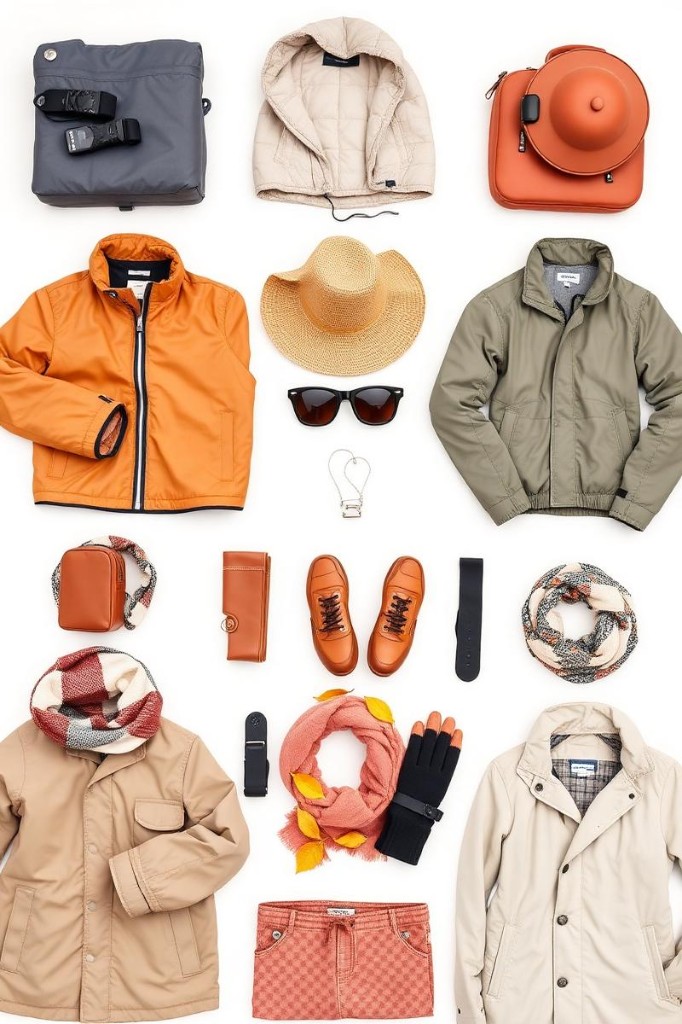
Travel clothing and gear by season

💰 Seasonal budget

PeriodAccommodation (€/night)Transport (€/day)Activities (€/day)Crowds (/5)Savings Tips
Dec–Jan (holidays)90–25030–6050–1205/5Book at least 3 months in advance
Feb–Apr (high season)70–18025–5040–1004/5Compare accommodation outside the city center
May–Jul (early rains)45–11020–4030–702/5Take advantage of early booking and last-minute deals
Aug–Oct (peak rainy)35–9015–3525–601/5Lowest rates of the year on all items
November (transition)45–12020–4030–752/5Excellent value for money before the December rise

💡 Money-saving tips

  • Travel in November or May to benefit from an excellent compromise between acceptable weather conditions and low prices, with savings of 30 to 50% on accommodation compared to high season.
  • Book your flights 3 to 6 months in advance for the high season (December–April), especially during the February–March Carnival and end-of-year holidays.
  • Prefer public transport (intercity buses, shared taxis, collective boats in Bocas del Toro) rather than renting a car to significantly reduce your travel costs.
  • Eat lunch in local fondas, popular restaurants where a full meal costs less than 5 €, rather than in tourist establishments that charge much higher prices.
  • Combine the Pacific coast and the Highlands during the same stay in the dry season to maximize experiences without multiplying international transport costs.

🏥 Health and precautions

  • Recommended vaccinations: Hepatitis A and B, typhoid, yellow fever (mandatory if you transit through risk areas), tetanus-polio update before departure.
  • Dengue and Zika: Risks present all year round, increased in the rainy season — use DEET mosquito repellent and wear covering clothing at dawn and dusk.
  • Sun protection: Very high UV index (8–11) all year round — SPF 50+ sunscreen, wide-brimmed hat, and regular hydration are essential.
  • Tap water: Potable in Panama City, but prefer bottled water in rural regions, islands, and remote areas for added safety.
  • Altitude: If you visit Boquete or attempt to climb Volcán Barú (3,474m / 11,398ft), plan a full day of acclimatization and avoid intense efforts for the first 24 hours.
  • Rainy season: Leptospirosis risks during floods — avoid contact with stagnant water and flooded areas.

Events & Festivals in Panama

Cultural calendar and festivities you shouldn't miss in Panama

Panama celebrates its traditions with contagious energy and palpable national pride. Its festivals, deeply rooted in the country's identity, are a sincere invitation to experience Panama from the inside, far beyond simple beach tourism.

Panama Carnival (February–March) 🎭

The largest festival in Central America, celebrated during the four days preceding Ash Wednesday. Panama City and Las Tablas (Azuero Peninsula) vibrate to the rhythm of allegorical floats, colorful comparsas, and giant water battles (culecos) that refresh the delirious crowd. Hundreds of thousands of participants invade the streets in a unique and communicative atmosphere of popular joy. It is one of the most authentic and festive carnivals in all of Latin America.

Location: Panama City (Cinta Costera) and Las Tablas (Los Santos Province)

Special feature: The giant water battles (culecos) organized by water trucks are an absolutely unique tradition in Panama, allowing you to cool off in the heat of the dry season in an euphoric atmosphere.

Climatic impact: Taking place in the middle of the dry season, the Carnival benefits from ideal weather conditions: heat, omnipresent sun, and total absence of rain guarantee a perfect and memorable outdoor party.

Panama Jazz Festival (January) 🎷

Every year in January, Panama City transforms into a true world capital of jazz. This internationally renowned festival attracts famous artists from around the world to several outdoor stages and iconic venues in the capital. The atmosphere is both festive and elegant, mixing traditional jazz, sunny Latin jazz, and bold contemporary fusion. An essential cultural and musical experience for music-loving travelers wishing to discover Panama City from a different angle.

Location: Panama City (multiple stages: Casco Viejo, Amador, large waterfront hotels)

Special feature: Many free outdoor concerts are organized in the historic Casco Viejo district, a UNESCO World Heritage site, creating a magical atmosphere at sunset.

Climatic impact: The dry season in January guarantees clear evenings under the stars with no risk of rain, perfect conditions for outdoor concerts on the Panama City waterfront.

Mejorana Festival in Guararé (September) 🎶

The National Mejorana Festival is the most important celebration of Panamanian folk culture. Organized annually in Guararé (Los Santos Province) since 1949, it honors the mejorana, an iconic local musical instrument, as well as traditional dances (tamborito, Panamanian cumbia), embroidered regional costumes, and authentic local gastronomy. A true journey to the heart of the deepest and most sincere Panamanian soul.

Location: Guararé, Los Santos Province (Azuero Peninsula)

Special feature: A festival entirely organized by and for Panamanians, with very few foreign tourists — a cultural immersion of rare authenticity and sincerity that you will not find anywhere else.

Climatic impact: Taking place in the middle of the rainy season, passing showers are possible in the evening, but the festivities are mainly held indoors or under covered structures, without impact on the celebrations.

Seasonal events

Dry Season (December–April):

  • Panama Jazz Festival (January)
  • Panama Carnival and Las Tablas (February–March)
  • Panama International Film Festival (March–April)
  • Holy Week and Easter processions (March–April, very spectacular in colonial cities)

Rainy Season (May–November):

  • Humpback whale watching on the Pacific side (July–October) — an essential natural event
  • Festival del Manito in Ocú (August) — folklore and traditions of the Azuero Peninsula
  • Panama City Foundation Day (August)
  • Mejorana Festival in Guararé (September)
  • Panamanian Patriotic Week (November) — parades and national celebrations throughout the country

Responsible travel in Panama

Panama protects nearly 30% of its territory in protected natural areas, a remarkable environmental commitment that places nature at the heart of its national identity. Traveling responsibly in this country means actively contributing to the preservation of a natural heritage of inestimable value for the entire planet.

Panama is a global biodiversity hotspot recognized by scientists: a living biological corridor between two continents, it hosts more bird species than all of North America combined. Respecting wildlife breeding calendars (sea turtles from May to October, humpback whales from July to October), avoiding water activities in fragile coral zones, and choosing eco-certified lodges are all concrete and accessible gestures to help preserve this exceptional ecosystem for future generations.

🌱 Low-season advantages

Traveling in the low season (May–November) in Panama means making the choice of a more sustainable and equitable experience: reduced pressure on fragile ecosystems, better distribution of tourism income throughout the year for local communities, and reduction of the collective carbon footprint thanks to more balanced attendance of protected natural sites.

♻️ Sustainable travel tips

  • Choose eco-certified lodges bearing the "Certification for Sustainable Tourism" (CST) label issued by the Costa Rican Tourism Institute and recognized in Panama, a guarantee of truly responsible practices towards the environment and local communities.
  • Eliminate single-use plastic from your luggage: bring a filtered water bottle (tap water is potable in Panama City) and reusable bags for your shopping and excursions.
  • Respect marine protected areas scrupulously: never touch corals, do not feed wild fauna under any circumstances, and choose exclusively certified and responsible diving operators.
  • Prefer public transport (comfortable intercity buses, collective boats in Bocas del Toro) rather than private taxis or short domestic flights when possible.
  • Buy artisanal and local: Guna Yala molas, Boquete Geisha coffee, traditional pottery and basketry — each purchase directly supports indigenous artisans and communities.
  • Visit national parks with a licensed local guide: you thus contribute directly to the economy of the ranger and guide communities who live from the conservation of these spaces.

🏙️ Local sustainable initiatives

Panama is deploying several remarkable sustainable initiatives: the mangrove conservation program in the Gulf of Chiriquí, the Panamanians for Wildlife project for monitoring and protecting sea turtles, and the ambitious development of hydroelectric energy which already provides more than 60% of the national electricity. The Guna Yala communities manage their own tourist access to their islands autonomously, a model of community ecotourism praised internationally.

Our Recommendations

Expert recommendations for your trip to Panama

After an in-depth analysis of climatic data from several official meteorological sources and Panama's regional specifics, our main recommendation is the dry season from December to April, and more particularly the months of January, February, and March, which combine the best weather conditions with a particularly rich cultural program (Jazz Festival, Carnival). For travelers with a more flexible budget or lovers of wild and authentic nature, the transition period of November offers excellent value for money before the inevitable rise in December rates. The Caribbean coast, with its partially inverted climatic calendar, remains accessible and beautiful in September-October.

Optimal period: January – March ⭐

Recommended months: January, February, March

  • Well-established dry season on the entire Pacific coast: generous sun, calm sea, accessible beaches
  • Pleasant temperatures (27–32°C / 81–90°F) softened by a refreshing sea breeze in the evening
  • Exceptional cultural programming: Jazz Festival in January and Carnival in February–March
  • Ideal conditions for diving, snorkeling, and water activities
  • Boquete Highlands at their best: sunny hikes and Quetzal watching (March–April)

Limitations: Highest prices of the year on all budget items; reservations essential several months in advance, especially for the Carnival period.

Ideal profile: Families with children, couples on a romantic trip, divers and beach lovers, cultural travelers, first visit to Panama.

Balanced alternative: November or May 🌤️

Alternative months: November (best choice), May

November represents the ideal window for travelers looking to combine increasingly favorable weather conditions and a firmly controlled budget. The rains gradually fade on the Pacific side, prices remain in low-season mode (20 to 40% cheaper than in high season), and tourist sites regain their tranquility after the rainy summer. May, at the very beginning of the rainy season, also offers beautiful sunny mornings with landscapes of absolutely spectacular greenness.

Specific advantages:

  • Substantial savings of 20 to 40% on accommodation and activities compared to high season
  • Lush landscapes of exceptional greenness without the high-season crowds
  • More authentic experience and deeper interactions with locals
  • November particularly ideal for combining a visit to the Panama Canal and a refreshing getaway to Boquete

👥 Tips for your travel style

Family with children: Opt for January or February, in the middle of the dry season. The Pacific coast (Coronado, Farallón, Santa Catalina beaches) offers ideal conditions with calm seas and guaranteed sun. Plan for child-friendly mosquito repellent and essential SPF 50+ sun protection.

Travelers on a small budget: Aim for August–October for the lowest rates of the year on all items. Stay in welcoming local guesthouses, travel by comfortable intercity buses, and enjoy the many free activities (Casco Viejo, observing the Canal from public viewpoints).

Adventurers and hikers: The dry season (December–April) is ideal for climbing Volcán Barú and hiking in the Darién National Park. In the rainy season (June–October), rafting on the Río Chiriquí Viejo reaches maximum adrenaline levels.

Luxury travelers: December and January combine the best climatic conditions with the full opening of premium lodges in Bocas del Toro, refined boutique hotels in Casco Viejo, and private islands in the Pearl Archipelago.

Photographers: The transition season (November, early May) offers golden light of exceptional quality, dramatic skies after the rains, and lush vegetation at its peak. Humpback whales (July–October) and the Resplendent Quetzal in Boquete (March–April) are absolutely essential photographic subjects.

Avoid at all costs: October (peak rain), Holy Week (overcrowding), first fortnight of January (maximum prices).

Cities to explore

Discover the must-sees of urban travel

All cities

Frequently Asked Questions

Are you planning your trip to Panama and wondering about the best time to go or conditions to anticipate? Here are precise and concrete answers to the most frequent questions from our travelers.

What is the best time to visit Panama?

The best time to visit Panama is between December and April, during the well-defined dry season. You benefit from optimal sunshine on the Pacific coast, pleasant temperatures (27–32°C / 81–90°F), and the best conditions for diving and all outdoor activities. January and February are particularly recommended to combine ideal weather and a rich cultural program with the Jazz Festival (January) and Carnival (February–March), considered the largest in Central America.

Can Panama be visited all year round?

Yes, Panama can be visited all year round thanks to its remarkable regional climatic diversity. While the Pacific coast is less attractive in the rainy season (May–November), the Caribbean coast in Bocas del Toro experiences its best periods in September-October. Panama City and the Panama Canal remain accessible and interesting in any season. The rainy season offers very advantageous rates (up to 50% savings) and landscapes of stunning lush vegetation.

Is it very hot in Panama?

Panama is a hot tropical country with coastal temperatures that generally oscillate between 25°C / 77°F and 34°C / 93°F all year round without much seasonal variation. Humidity can make the heat feel more intense, especially in the rainy season. If you wish to escape the tropical heat, the Chiriquí Highlands around Boquete offer a much more temperate and pleasant climate, with cool temperatures of 15–22°C / 59–72°F all year round, perfect for hikers and lovers of exceptional coffee.

When can you watch whales in Panama?

Panama is one of the most exceptional global destinations for humpback whale watching. Two distinct populations meet in the waters of the Panamanian Pacific from July to October: you can admire these giants of the sea off the Pearl Islands, Coiba Island (UNESCO World Heritage), and Bahía de Piñas. It is one of the few destinations in the world where populations from the Northern and Southern Hemispheres coexist in the same maritime space, offering particularly spectacular sightings.

Do I need a visa to visit Panama?

Citizens of many Western countries do not need a visa to visit Panama for tourist stays of up to 90 days. A passport valid for at least 6 months after the planned entry date and a return or onward ticket are required upon entry. It is also recommended to be able to justify sufficient funds for your stay (approximately 500 USD). Entry conditions can change, so always check the most recent information with the Panamanian embassy or your country's Ministry of Foreign Affairs before you leave.