When to visit Reunion Island? Full Guide

Between tropical climate and mountain microclimates, Reunion Island offers surprising meteorological diversity depending on the region and season.

  • 0.9 M population
  • French language
  • 180 days rainy days/year
  • May to November best time to visit
  • 10 to 15 days recommended stay

Weather and Climate of Reunion Island

Understanding the tropical oceanic climate of the Intense Island

Reunion Island features five distinct climate zones influenced by trade winds, volcanic relief, and altitude. This diversity offers varied weather experiences depending on your destination on the island.

  • West Coast: The driest and sunniest area, protected from trade winds
  • East Coast: The wettest region exposed to winds and precipitation
  • The Highlands (Hauts): Cool mountain climate with significant altitude variations
  • Wild South (Sud Sauvage): Windy zone with an intermediate climate and volcanic landscapes
  • Cirques: Specific microclimates depending on exposure and altitude
MonthTemperaturePrecipitationConditions
January-March22-30°C / 72-86°F200-400mm / 7.9-15.7inHot and humid season
April-May20-28°C / 68-82°F100-200mm / 3.9-7.9inPleasant transition
June-September18-25°C / 64-77°F50-150mm / 2.0-5.9inIdeal dry season
October-December20-28°C / 68-82°F100-250mm / 3.9-9.8inReturn of humidity

Altitude variations create remarkable microclimates: 25°C / 77°F on the coast, 15°C / 59°F in the Highlands, and sometimes 5°C / 41°F at Piton des Neiges.

Climatic Seasons

Climate by Region of Reunion Island

The island presents a remarkable climatic diversity depending on exposure to trade winds, altitude, and geography. This variety allows you to choose your destination according to your weather preferences.

🏖️ West Coast - Saint-Gilles and Saint-Paul

Description: Known as the 'leeward coast', this region benefits from the driest and sunniest climate on the island. Protected from trade winds by the relief, it offers over 300 days of sunshine per year and ideal conditions for seaside activities and relaxation.

PeriodWeatherTemperatureActivities
May-OctDry and sunny20-26°C / 68-79°FBeach, diving, relaxation
Nov-AprHot and humid24-30°C / 75-86°FSwimming, water sports

Specifics: Minimal rainfall (600mm / 23.6in per year), light winds, calm seas, microclimate particularly favorable for beach tourism.

🌿 East Coast - Saint-Denis and Sainte-Marie

Description: 'Windward' region directly exposed to trade winds, characterized by lush vegetation, significant rainfall, and an authentic tropical atmosphere. The climate is wetter but offers spectacular green landscapes.

PeriodWeatherTemperatureActivities
May-OctCool and windy18-24°C / 64-75°FHiking, cultural discovery
Nov-AprHot and very humid22-28°C / 72-82°FNature observation, waterfalls

Specifics: High rainfall (2,000mm / 78.7in per year), constant trade winds, dense tropical vegetation, permanent waterfalls, preserved Creole authenticity.

⛰️ The Highlands - Cirques and Volcanoes

Description: Mountain region offering a unique temperate climate in the tropics. The cirques of Mafate, Cilaos, and Salazie present microclimates depending on their exposure, with cool temperatures and grandiose landscapes.

PeriodWeatherTemperatureActivities
May-OctDry and cool10-20°C / 50-68°FHiking, trekking
Nov-AprHumid and cloudy15-22°C / 59-72°FGeological observation

Specifics: Significant variations depending on altitude (5-25°C / 41-77°F), frequent fog, possible frost in winter, mountain conditions in a tropical environment.

🌋 Wild South - Grand Brûlé and Piton de la Fournaise

Description: Active volcanic region with an intermediate climate, marked by recent lava flows and a unique lunar landscape. Weather conditions vary depending on altitude and volcanic activity.

PeriodWeatherTemperatureActivities
May-OctDry and windy15-23°C / 59-73°FVolcanology, hiking
Nov-AprVariable and humid18-26°C / 64-79°FEruption observation

Specifics: Constant strong winds, volcanic desert landscapes, rapid variations depending on altitude, sometimes extreme conditions near the crater.

Practical Guide for Reunion Island

Preparing for a trip to Reunion Island requires adapting to significant climate variations by region and season. Specific equipment is essential to fully enjoy the island's diversity.

👕 Seasonal packing

Dry Season (May-October):

  • Light cotton clothing
  • Fleece for the Highlands
  • Hiking shoes
  • Enhanced sun protection
  • Windbreaker for altitude

Wet Season (November-April):

  • Breathable clothing
  • Quality raincoat
  • Waterproof shoes
  • Tropical mosquito repellent
  • Quick-dry gear is essential
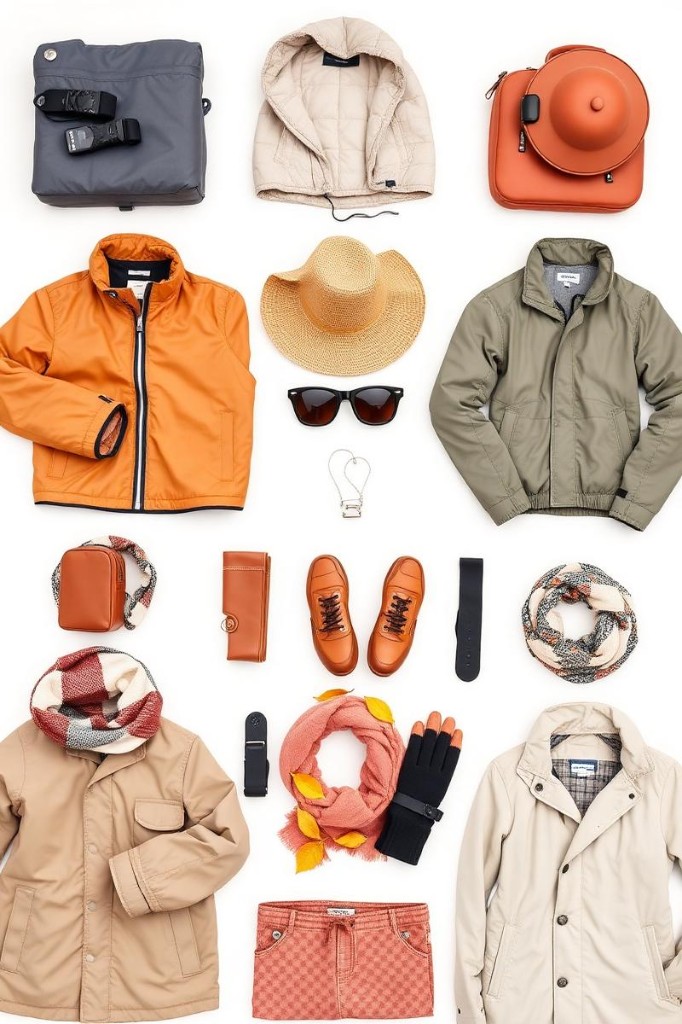
Travel clothing and gear by season

💰 Seasonal budget

PeriodAccommodation (€)Transport (€)Activities (€)Crowds (/5)Budget Tips
May-July80-150600-90040-804/5Book 3 months in advance
August-October100-200800-120050-1005/5Avoid school holidays
Nov-January60-120500-80030-602/5Take advantage of low season
February-April70-130550-85035-703/5Monitor cyclone weather

💡 Money-saving tips

  • Avoid July-August to reduce costs by 30%
  • Book accommodation 2-3 months in advance during the dry season
  • Take advantage of promotions from November to January
  • Compare prices between the west coast (more expensive) and east
  • Choose mountain lodges for authenticity

🏥 Health and precautions

  • Sun Protection: SPF 50+ mandatory, sunglasses, and hat
  • Hydration: 2-3L / 68-101oz of water per day, more when hiking
  • Mosquitoes: Tropical repellent, long clothing in the evening
  • Altitude: Gradual adaptation for the Highlands, warm clothing
  • Cyclones: Follow weather alerts, keep emergency supplies
  • Sea: Watch for currents and sharks, swim at patrolled beaches

Events & Festivals in Reunion Island

Cultural calendar and festivities not to be missed on the Intense Island

The cultural richness of Reunion Island is expressed through unique events punctuated by the seasons and mixed Creole traditions.

🎭 Terre de Blues Festival (October)

Description: International blues festival bringing together local and international artists in a unique atmosphere blending world music and Creole culture. The event takes place in several iconic locations on the island.

Location: Saint-Paul, Saint-Pierre, Saint-Denis

Highlight: Unique musical fusion between blues, maloya, and Indian Ocean music

Climate Impact: Ideal dry season for outdoor concerts

🌺 Saffron Festival (October-November)

Description: Celebration of the local saffron harvest in the island's Highlands, featuring tastings, culinary workshops, and discovery of Creole agricultural traditions. An authentic event in the heart of the cirques.

Location: Cilaos and the Highlands

Highlight: The only production of French saffron in the tropics

Climate Impact: Cool period ideal for mountain activities and hiking

🏃 Grand Raid - Diagonale des Fous (October)

Description: Legendary ultra-trail crossing the island from Saint-Pierre to Saint-Denis, considered one of the most difficult races in the world. An exceptional sporting and human spectacle in grandiose landscapes.

Location: Full island crossing

Highlight: 165km / 102.5 miles and 9,600m / 31,496ft of elevation gain in tropical conditions

Climate Impact: Organized in the dry season to optimize race conditions

Seasonal events

Dry Season (May-October):

  • Choca Festival (June) - Saint-Joseph
  • Sakifo Festival (June) - Saint-Pierre
  • Vanilla Festival (July) - Sambava
  • Metis Festival (September) - Saint-Leu

Wet Season (November-April):

  • Festival of Lights (December) - Saint-Denis
  • Cavadee (January-February) - Tamil celebrations
  • Carnival (February-March) - Island-wide
  • Green Honey Festival (March) - Plaine des Palmistes

Responsible Travel in Reunion Island

Preserving the unique ecosystems of Reunion Island requires a respectful approach adapted to the climatic specificities and the insular fragility of this World Heritage site.

Reunion Island is home to exceptional endemic ecosystems threatened by climate change and tourist pressure. Respecting the breeding periods of marine and terrestrial fauna is essential to preserve this unique biodiversity.

🌱 Low-season advantages

Traveling during the wet season reduces pressure on infrastructure, supports the spread-out local economy, and decreases the collective carbon footprint while preserving fragile natural sites.

♻️ Sustainable travel tips

  • Respect marked trails to protect endemic flora
  • Avoid sea turtle nesting periods (November-March)
  • Use 'Car Jaune' public transport to reduce impact
  • Choose eco-certified accommodation
  • Consume local and seasonal products
  • Save water, a precious island resource

🏙️ Local sustainable initiatives

The island is developing innovative projects: wind farm, solar power plant, coral reef protection, endemic reforestation programs, and school awareness programs on island sustainable development.

Our Expert Recommendations

Expert recommendations for your trip to Reunion Island

After analyzing multi-year climate data and field feedback, our recommendations adapt to your travel priorities. The climatic diversity of Reunion Island allows you to customize your stay according to your expectations, from seaside relaxation to volcanic adventure and Creole cultural discovery.

🏆 Optimal Period: May to October

Recommended months: May, June, September, October

Advantages:

  • Ideal weather conditions for all activities
  • Zero cyclonic risk
  • Perfect visibility in the mountains
  • Calm seas on the west coast
  • Pleasant temperatures day and night

Disadvantages:

  • High tourist season
  • Prices increased by 20-30%

Ideal profile: Hikers, families, first-time visitors, photographers

⚖️ Balanced Alternative: April and November

Alternative months: April, November

Description: Transition periods offering an optimal compromise between acceptable weather conditions and moderate rates.

Specific advantages:

  • Attractive intermediate rates
  • Fewer tourist crowds
  • Still favorable climate
  • Lush vegetation

👥 Tips for your travel style

👨‍👩‍👧‍👦 Family: May-June and September, avoid July-August (too crowded), prefer the west coast

💰 Budget: November-January, monitor cyclone alerts, book last minute

🎒 Adventure: May-October for hiking, April-May for active volcanoes

🏖️ Luxury: June-September, west coast resorts, avoid weekends

📸 Photographer: May-June for soft light, October for contrasts, avoid rainy season

⚠️ Periods to avoid: January to March

Active cyclone season with high weather risks, high humidity, and impassable trails. Reserved for experienced travelers who accept tropical weather hazards.

Cities to explore

Discover the must-sees of urban travel

All cities

Frequently Asked Questions

Find answers to essential questions to plan your trip to Reunion Island according to optimal weather conditions.

What is the best time to avoid cyclones in Reunion Island?

The dry season from May to October is completely free of cyclonic risks. Cyclones only occur between November and April, peaking from January to March. For a worry-free trip, prioritize the May-October period.

Can you swim all year round in Reunion Island?

Yes, the water temperature varies from 22°C to 27°C / 72°F to 81°F depending on the season. In the austral winter (June-September), the water is cooler but remains pleasant. The west coast offers the best swimming conditions with protected lagoons and generally calm seas.

Should I bring warm clothing to visit the Highlands of Reunion Island?

Absolutely! Temperatures drop by 6°C / 10.8°F for every 1,000m / 3,280ft of altitude. At Piton des Neiges (3,070m / 10,072ft), it can be 5°C / 41°F even in summer. Bring a fleece, windbreaker, and beanie for high-altitude hikes, especially in the dry season.

How much time is needed to visit Reunion Island?

10 to 15 days minimum are recommended to discover the island's diversity. One week provides an overview, but 2-3 weeks offer time to explore the cirques, volcanoes, coasts, and adapt to climate variations by region.

Is the rainy season a deal-breaker for visiting Reunion Island?

Not necessarily! November-December and April remain accessible with moderate rainfall. The vegetation is lush and prices are attractive. Avoid January-March (cyclone peak), but other months of the wet season can suit flexible travelers.