When to visit Serbia? Complete Guide

Between continental climate and Mediterranean influences, Serbia reveals contrasting seasonal faces that transform your travel experience.

  • 6.8 M population
  • Serbian language
  • 120 days rainy days/year
  • May to September best time to visit
  • 5 to 10 days recommended stay

Weather and Climate in Serbia

Understanding Serbia's temperate continental climate

Serbia features three distinct climate zones influenced by its geographical position between Central Europe and the Balkans. Mountains in the south and plains in the north create significant weather variations that directly impact your travel itinerary.

  • North - Vojvodina Plain: Continental climate with hot summers and cold winters, moderate precipitation
  • Center - Belgrade Region: Transition zone with continental influences and moderated Mediterranean effects
  • South - Mountains and Valleys: Mountainous climate with cooler temperatures and higher precipitation
MonthTemperature (°C / °F)Precipitation (mm / in)Sunshine (h/day)
January-1 to 4°C / 30 to 39°F45 / 1.82
April8 to 18°C / 46 to 64°F55 / 2.26
July16 to 27°C / 61 to 81°F65 / 2.69
October9 to 19°C / 48 to 66°F50 / 2.04

Altitude variations from 50m to 2,169m (164ft to 7,116ft) create distinct microclimates depending on the regions visited.

The Seasons in Serbia

Climate by Region in Serbia

Serbia's geographical diversity creates distinct regional microclimates. Between the northern plains, central hills, and southern mountains, each region offers specific weather conditions that influence your choice of itinerary.

🏛️ Belgrade and Central Region

The capital and its region benefit from a moderate continental climate with hot summers and relatively mild winters. Located at the confluence of the Danube and Sava rivers, Belgrade enjoys a slightly more temperate urban microclimate.

PeriodWeatherTemperature (°C / °F)Activities
SpringMild10-18°C / 50-64°FSightseeing, terraces
SummerHot18-27°C / 64-81°FFestivals, cruises
AutumnPleasant8-20°C / 46-68°FMuseums, gastronomy
WinterCool0-5°C / 32-41°FCulture, nightlife

Specifics: Urban heat island, morning winter fog, spectacular summer thunderstorms

🌾 Vojvodina (North)

The Vojvodina plain presents a typical continental climate with significant temperature ranges. This fertile agricultural region experiences hot, dry summers and harsh winters with cold winds.

PeriodWeatherTemperature (°C / °F)Activities
SpringVariable8-19°C / 46-66°FCycling
SummerHot and dry17-29°C / 63-84°FFestivals, nature
AutumnMild6-21°C / 43-70°FHarvest, heritage
WinterCold-2-4°C / 28-39°FThermal spas

Specifics: Košava winds in autumn, frequent fog, heavy snow in winter

⛰️ Southern Serbia and Mountains

The southern mountainous regions offer a cooler and more humid climate with higher precipitation. Altitude creates ideal conditions to escape summer heat and enjoy alpine landscapes.

PeriodWeatherTemperature (°C / °F)Activities
SpringCool5-15°C / 41-59°FGentle hiking
SummerTemperate12-24°C / 54-75°FTrekking, nature
AutumnColorful3-18°C / 37-64°FPhotography
WinterSnowy-5-2°C / 23-36°FWinter sports

Specifics: Snow from December to March, frequent summer thunderstorms, microclimates based on exposure

🏞️ Morava Valley

This central valley benefits from a transitional climate between the continental influences of the north and Mediterranean influences of the south. Vineyards and orchards testify to favorable climatic conditions.

PeriodWeatherTemperature (°C / °F)Activities
SpringMild9-17°C / 48-63°FWine tourism
SummerHot16-26°C / 61-79°FRural discovery
AutumnPleasant7-19°C / 45-66°FHarvest
WinterModerate-1-6°C / 30-43°FHeritage

Specifics: Hills provide wind protection, morning fog, favorable wine-growing climate

Practical Guide for Serbia

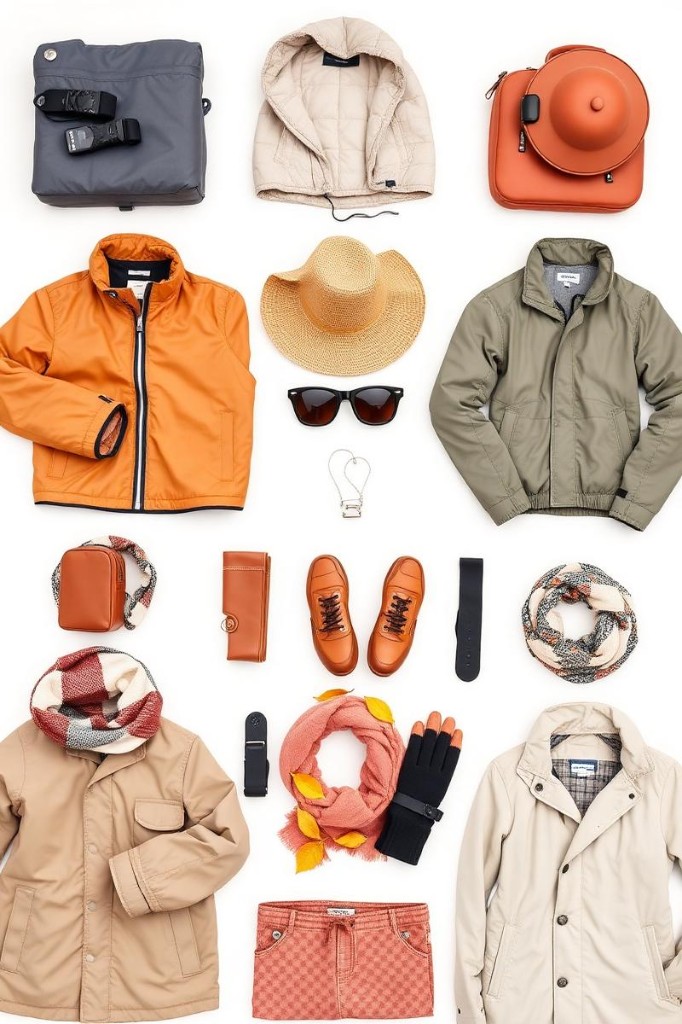
Packing your suitcase according to the seasonal climate variations of Serbia is essential to fully enjoy your trip. From hot summers to harsh winters, each season requires equipment adapted to the country's meteorological specifics.

👕 Seasonal packing

Spring (March-May):

  • Waterproof mid-season jacket
  • Light sweaters and t-shirts
  • Long trousers and jeans
  • Comfortable walking shoes
  • Compact umbrella

Summer (June-August):

  • Light cotton clothing
  • Hat and sunglasses
  • High-SPF sunscreen
  • Sandals and closed-toe shoes
  • Light jacket for evenings

Autumn (September-November):

  • Layerable clothing
  • Warm waterproof jacket
  • Light scarf and gloves
  • Waterproof shoes
  • Warm clothing for November

Winter (December-February):

  • Thick winter coat
  • Beanie, scarf, gloves
  • Thermal underwear
  • Warm, non-slip boots
  • Wool or fleece clothing
Travel clothing and gear by season

💰 Seasonal budget

PeriodAccommodation (€)Transport (€)Activities (€)Crowds (/5)Budget Tips
Spring40-8025-4015-302/5Book early
Summer60-12035-5025-455/5Avoid July-August
Autumn45-8530-4520-353/5September deals
Winter35-7020-3510-251/5Best yearly prices

💡 Money-saving tips

  • Avoid high season: July-August see prices increase by 40-60%
  • Book in advance: 2-3 months before for the best rates
  • Take advantage of low season: December-February offer significant discounts
  • Compare periods: May and September combine favorable weather and moderate prices
  • Negotiate off-season: Possibility of additional discounts in winter

🏥 Health and precautions

  • Vaccinations: No mandatory vaccinations; DTP update recommended
  • Sun protection: SPF 30+ cream in summer, UV sunglasses mandatory
  • Hydration: 2-3L (approx. 0.5-0.8 gal) of water/day in summer, watch for heatstroke
  • Rainy season: Waterproof clothing in spring and autumn
  • Altitude: Gradual adaptation in mountains, protection against cold
  • Allergies: Abundant pollen in April-May; bring antihistamines

Events & Festivals in Serbia

Cultural calendar and festivities not to be missed in Serbia

Serbian cultural richness is revealed through an intense festive calendar that marks the seasons and significantly enriches the travel experience.

🎵 EXIT Festival (July)

The most famous electronic music festival in the Balkans transforms the Petrovaradin Fortress into a global music temple. An electrifying atmosphere with international artists in a unique historical setting.

Location: Novi Sad, Petrovaradin Fortress

Highlight: Festival held in an 18th-century fortress, a UNESCO heritage site

Climate impact: Intense summer heat; ensure hydration and sun protection

🎭 BITEF - International Theatre Festival (September)

A must-attend event for contemporary European theatre that attracts the biggest international companies. Belgrade becomes the theatrical capital of the Balkans for two weeks.

Location: Belgrade, various city theatres

Highlight: Oldest theatre festival in the Balkans, avant-garde programming

Climate impact: Ideal autumn temperatures for indoor performances

🎶 Guča Trumpet Festival (August)

The most authentic trumpet festival in the world celebrates traditional Serbian music. An explosion of joy, music, and conviviality in the atmosphere of Balkan brass bands.

Location: Guča, Central Serbia

Highlight: Over 600,000 visitors, competition between brass orchestras

Climate impact: Summer heat; an outdoor festival requiring sun protection

Seasonal events

Spring:

  • Documentary Film Festival (March-April)
  • Belgrade Design Week (May)
  • Flower Festival in Vrnjačka Banja (May)

Summer:

  • Summer Festival in Belgrade (June-August)
  • Jazz Festival in Novi Sad (July)
  • Nišville Jazz Festival (August)

Autumn:

  • Belgrade Film Festival (October)
  • Music Days in Novi Sad (October)
  • Rakija Festival (November)

Winter:

  • Christmas Markets in Belgrade (December)
  • Orthodox New Year (January)
  • Winter Festival in Zlatibor (February)

Responsible Travel in Serbia

Discovering Serbia in an eco-responsible way means adapting your trip to natural and seasonal cycles while respecting the local environment and authentic rural communities.

Serbia offers numerous opportunities for sustainable tourism: respecting fragile mountain ecosystems, nesting periods for birdlife in national parks, and supporting local initiatives for the preservation of natural and cultural heritage.

🌱 Low-season advantages

Traveling off-season significantly reduces your carbon footprint, decreases pressure on tourist sites, and allows for spread-out economic support for local rural communities.

♻️ Sustainable travel tips

  • Local transport: Prioritize trains and local buses, rural carpooling
  • Accommodation: Choose family-run guesthouses and agritourism
  • Consumption: Local products at markets, seasonal specialties
  • Waste: Plastic reduction, respect for nature while hiking
  • Water: Savings in mountain regions, responsible use
  • Wildlife: Respect reproduction periods, observe from a distance

🏙️ Local sustainable initiatives

Serbia is developing innovative eco-tourism projects: organic farms in Vojvodina, reforestation programs in the mountains, community rural tourism initiatives, and biodiversity preservation projects in national parks.

Our Expert Recommendations

Expert recommendations for your trip to Serbia

After analyzing detailed climate data and based on our field expertise, here are our personalized recommendations to optimize your discovery of Serbia. These tips incorporate weather variations, tourist crowds, cultural events, and regional specifics to ensure an exceptional travel experience tailored to your expectations.

🌟 Optimal Period: May to September

Recommended months: May, June, July, August, September

Climate advantages:

  • Pleasant temperatures (18-27°C / 64-81°F) ideal for all activities
  • Maximum sunshine (8-9h/day) perfect for sightseeing
  • Moderate precipitation allowing for planning
  • Optimal conditions for festivals and events
  • Full accessibility to mountain sites

Disadvantages:

  • Significant tourist crowds in July-August
  • Higher prices during high season

Ideal profile: First-time visitors, families, festival lovers, photographers

⚖️ Balanced Alternative: April and October

Alternative months: April, October

Justification: These months offer a perfect compromise between favorable weather conditions and moderate visitor numbers

Specific advantages:

  • Mild temperatures (15-20°C / 59-68°F) comfortable for walking
  • Rates reduced by 30-40% compared to summer
  • Fewer tourists for an authentic discovery
  • Exceptional spring or autumn colors

👥 Tips for your travel style

👨‍👩‍👧‍👦 Family with children: May-June and September to avoid high heat. Prioritize parks and outdoor activities.

💰 Budget travel: April, October, and November offer the best value for money with significant discounts.

🏔️ Adventure lovers: June-September for mountain hiking, outdoor sports, and exploration of national parks.

🏛️ Culture enthusiasts: May and September combine pleasant weather and rich cultural programming.

📸 Photographers: April-May for blooms, September-October for autumn colors and golden light.

❄️ To Avoid: December to February

The Serbian winter can be harsh with freezing temperatures and significant snowfall, especially in mountainous regions. Some tourist attractions close, and transport conditions can be difficult.

Cities to explore

Discover the must-sees of urban travel

All cities

Frequently Asked Questions

Find answers to essential questions to plan your trip to Serbia according to optimal weather conditions.

What is the best time to visit Serbia?

The optimal period is from May to September with pleasant temperatures (18-27°C / 64-81°F) and maximum sunshine. To avoid crowds, prioritize May-June and September, which offer an excellent balance between weather and visitor numbers.

Is it very cold in winter in Serbia?

Yes, the Serbian winter is continental with temperatures from -3°C to 6°C (27°F to 43°F). Snow is frequent from December to February, especially in the mountains. Belgrade experiences milder winters but remains cool with regular frosts.

Is there a rainy season in Serbia?

Serbia does not have a marked rainy season. Precipitation is spread throughout the year with a slight peak in spring (55mm / 2.2in per month). Summer remains relatively dry with occasional refreshing thunderstorms.

When should I go for festivals in Serbia?

Summer concentrates the main festivals: EXIT Festival in Novi Sad in July, Guča Trumpet Festival in August. Spring and autumn also offer beautiful cultural events with more comfortable weather conditions.

Does the climate vary much between regions?

Yes, Serbia features three distinct climate zones: the Vojvodina plain (continental), the central region (temperate), and the southern mountains (mountainous). Temperature differences can reach 10°C (18°F) between the north and the south.