When to visit Sierra Leone? Complete Guide

Between the sunny dry season and the lush rainy season, discover the climatic secrets of this West African gem.

  • 8.6 M population
  • English, Krio language
  • 180 days rainy days/year
  • November to April best time to visit
  • 7 to 14 days recommended stay

Weather and Climate in Sierra Leone

Understanding the humid tropical climate of Sierra Leone

Sierra Leone features two distinct climatic zones influenced by the Atlantic Ocean and the West African monsoon. This geographical diversity, from coastal beaches to inland mountains, creates meteorological variations that directly impact your travel experience depending on the chosen period.

  • West Atlantic Coast: The most humid zone with strong winds and significant rainfall
  • Inland and mountainous regions: Drier and more stable climate, with temperatures slightly more contrasted depending on altitude
MonthTemperature (°C / °F)Rainfall (mm / in)Humidity (%)
January26-32°C / 79-90°F5mm / 0.2in65
February27-33°C / 81-91°F10mm / 0.4in68
March28-34°C / 82-93°F25mm / 1.0in70
April28-33°C / 82-91°F80mm / 3.1in75
May27-32°C / 81-90°F200mm / 7.9in80
June25-30°C / 77-86°F350mm / 13.8in85
July24-29°C / 75-84°F400mm / 15.7in88
August24-29°C / 75-84°F450mm / 17.7in90
September25-30°C / 77-86°F380mm / 15.0in87
October26-31°C / 79-88°F200mm / 7.9in82
November27-32°C / 81-90°F50mm / 2.0in75
December26-32°C / 79-90°F15mm / 0.6in68

Altitude variations influence temperatures, with cooler mountainous areas in the east of the country.

Seasons in Sierra Leone

Climate by Region in Sierra Leone

Despite its modest size, Sierra Leone has notable regional climatic variations. Geographical factors such as oceanic proximity, altitude, and relief orientation create microclimates that influence your choice of destination according to your preferences.

🏖️ West Coastal Region (Freetown, Peninsula)

Description: Most visited area including the capital Freetown and the beautiful peninsula beaches. This region is directly influenced by the Atlantic Ocean, creating a more humid climate tempered by sea breezes. Rainfall is the highest in the country during the rainy season.

PeriodWeatherTemperatureRecommended activities
Nov-Apr☀️ Dry26-32°C / 79-90°FBeaches, urban tours, Banana Islands
May-Oct🌧️ Very humid24-30°C / 75-86°FMuseums, covered markets

Specifics: Constant sea winds, frequent morning fog in the dry season, rainfall can exceed 3000mm / 118in annually.

🌿 Northern Region (Makeni, Kabala)

Description: Savannah and hill zone offering a slightly drier climate than the coast. This region has more contrasted temperatures between day and night, especially at altitude. Landscapes alternate between wooded savannah and gallery forests along waterways.

PeriodWeatherTemperatureRecommended activities
Nov-Mar☀️ Dry and hot28-35°C / 82-95°FSafaris, hiking, traditional villages
Apr-Oct🌧️ Humid25-31°C / 77-88°FWildlife observation, photography

Specifics: More marked Harmattan influence, cooler nights at altitude, longer dry season than on the coast.

🏔️ Eastern Region (Kono, Kailahun)

Description: Mountainous and forest zone with the most temperate climate in the country due to altitude. This region houses the last primary forests and offers cooler temperatures, especially appreciated during the hot season.

PeriodWeatherTemperatureRecommended activities
Nov-Apr☀️ Cool and dry23-30°C / 73-86°FTrekking, ecotourism, mines
May-Oct🌧️ Moderate22-28°C / 72-82°FForests, waterfalls, primate observation

Specifics: Frequent altitude fog, better distributed rainfall, forest microclimates.

🌾 Southern Region (Bo, Kenema)

Description: Transition zone between forest and savannah, characterized by a balanced climate. This important agricultural region has stable and predictable weather conditions, ideal for discovering authentic rural Sierra Leone.

PeriodWeatherTemperatureRecommended activities
Nov-Apr☀️ Stable25-32°C / 77-90°FMarkets, plantations, crafts
May-Oct🌧️ Regular24-29°C / 75-84°FAgriculture, local festivals

Specifics: Transition climate, well-marked seasons, optimal agricultural conditions.

Practical Guide for Sierra Leone

Preparing for a trip to Sierra Leone requires adaptation to specific tropical climatic conditions. Between constant heat, high humidity, and marked seasonal alternation, your equipment and budget must be adjusted according to the period of your visit to ensure comfort and safety.

👕 Seasonal packing

Dry season (November-April):

  • Light cotton or linen clothing
  • Sun protection (hat, sunglasses)
  • Light jacket for evenings
  • Closed shoes for dust

Rainy season (May-October):

  • Quick-drying clothing
  • Quality raincoat or poncho
  • Non-slip waterproof shoes
  • Plastic bags to protect equipment

All year round:

  • Strong mosquito repellent
  • High-SPF sunscreen
  • Long clothing for insect protection
  • Sandals for the beach
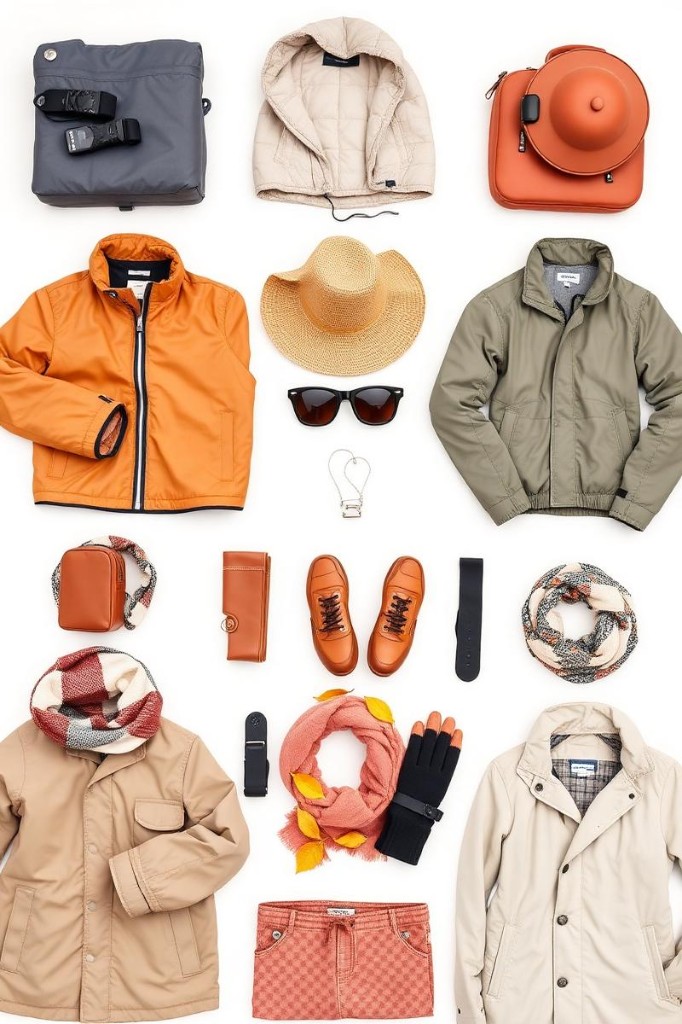
Travel clothing and gear by season

💰 Seasonal budget

PeriodAccommodation (€)Transport (€)Activities (€)Crowds (/5)Budget Tips
Dec-Feb80-150100-20050-1005/5Book 3 months in advance
Mar-Apr60-12080-15040-804/5Avoid Easter holidays
May-Jul40-8060-12030-602/5Negotiate long-stay rates
Aug-Oct35-7050-10025-501/5Low season promotions
November50-10070-13035-703/5Favorable transition

💡 Money-saving tips

  • Avoid December-January: Peak pricing of the tourist high season
  • Prioritize May-September: Discounts up to 50% on accommodation
  • Book flights 2-3 months before: Best rates for the dry season
  • Negotiate in the low season: Hotels often accept additional discounts
  • Bundle activities: Multi-activity packages are more advantageous

🏥 Health and precautions

  • Mandatory vaccinations: Yellow fever (certificate required), updated DTP
  • Recommended vaccinations: Hepatitis A and B, typhoid, meningitis
  • Malaria: Mandatory preventive treatment all year round, resurgence in the rainy season
  • Sun protection: Minimum SPF 50+, frequent reapplication
  • Hydration: 3-4 liters of water per day, avoid tap water
  • Rainy season: Beware of waterborne diseases, systematic disinfection
  • Medical kit: Anti-diarrheals, antiseptics, waterproof bandages

Events & Festivals in Sierra Leone

Cultural calendar and festivities not to be missed in Sierra Leone

Sierra Leonean cultural events punctuate the year and offer an authentic immersion into local traditions, often linked to climatic cycles.

🎭 Krio Culture Festival (December)

Description: Major celebration of Creole culture in Freetown, blending traditional music, dance, and local gastronomy. The event brings all communities together in an exceptional festive atmosphere, taking advantage of the optimal dry climate.

Location: Freetown, historic districts and beaches

Special feature: Only festival specifically celebrating the country's unique Creole heritage

Climate impact: Ideal dry period for extended outdoor events

🌾 Harvest Festival (November)

Description: Traditional celebrations marking the end of the rainy season and the beginning of the harvest. Ritual dances, ancestral music, and sharing of the first fruits in an atmosphere of community gratitude.

Location: Rural villages, particularly in the southern agricultural regions

Special feature: Authentic, non-touristy event offering deep cultural immersion

Climate impact: Coincides with the favorable climatic transition

🎵 Sierra Leone Music Festival (February)

Description: Contemporary and traditional music festival attracting local and international artists. A unique blend of African genres, reggae, and world music in a tropical paradise setting.

Location: Various cities, concentrated in Freetown and Bo

Special feature: Promotion platform for young Sierra Leonean talent

Climate impact: Benefits from the perfect weather conditions of the dry season

Seasonal events

Dry season (Nov-Apr):

  • Poro and Bondo initiation ceremonies (December-February)
  • Traditional mask festivals (January-March)
  • National sports competitions (February-April)

Rainy season (May-Oct):

  • Planting rituals (May-June)
  • Rain festivals (July-August)
  • End of Ramadan celebrations (variable)

Responsible Travel in Sierra Leone

Traveling responsibly in Sierra Leone means respecting natural cycles and supporting local communities while minimizing the environmental impact of your stay.

Sierra Leone, rich in biodiversity but ecologically fragile, requires a respectful tourism approach. Adapt your trip to the seasons to protect sensitive ecosystems, particularly during the breeding periods of marine and terrestrial wildlife.

🌱 Low-season advantages

Traveling in the rainy season reduces tourist pressure, supports spread-out local economy, and lowers your carbon footprint thanks to more accessible group rates.

♻️ Sustainable travel tips

  • Water management: Save during the dry season, avoid waste
  • Plastic waste: Bring a filter bottle, refuse plastic bags
  • Local transport: Favor public transport and local guides
  • Marine wildlife: Respect turtle nesting periods (May-September)
  • Forests: Stay on marked trails, do not feed primates
  • Communities: Buy local crafts, respect traditions

🏙️ Local sustainable initiatives

Sierra Leone is developing community-based ecotourism with marine conservation projects, participatory reforestation programs, and solar energy initiatives in rural eco-lodges directly supporting local populations.

Our Expert Recommendations

Expert recommendations for your trip to Sierra Leone

After analyzing official climate data and field experience feedback, our recommendations are based on meteorological cycles, site accessibility, and price variations. Sierra Leone offers distinct experiences depending on the season, requiring planning adapted to your travel priorities.

🏆 Optimal period: December to March

Recommended months: December, January, February, March

Advantages:

  • Perfect weather conditions (sun, low humidity)
  • All roads passable, easy access to sites
  • Calm sea ideal for water activities
  • Optimal visibility for wildlife watching
  • Numerous cultural events

Disadvantages:

  • High prices (high season)
  • Maximum tourist influx

Ideal profile: First visit, families with children, travelers seeking comfort and safety

⚖️ Balanced alternative: November and April

Alternative months: November, April

Description: Transition periods offering an excellent compromise between favorable weather conditions and moderate rates

Specific advantages:

  • Climate still/already pleasant
  • Attractive intermediate rates
  • Fewer tourist crowds
  • Spectacular transitional landscapes

👥 Tips for your travel style

👨‍👩‍👧‍👦 Family: December-March mandatory, adapted infrastructure, safe activities. Absolutely avoid the rainy season.

💰 Budget: May-October for maximum savings, accept climatic constraints. Negotiate long-stay packages.

🏃‍♂️ Adventure: November-April for trekking, May-June for an authentic experience of the beginning rainy season.

✨ Luxury: January-February, peak of the dry season, optimal high-end services, exclusive events.

📸 Photographer: December-March for perfect light, May-September for lush landscapes and spectacular waterfalls.

⚠️ Periods to avoid: July-August

Peak of the rainy season with maximum rainfall, difficult roads, and extreme humidity. Reserved for very experienced travelers.

Cities to explore

Discover the must-sees of urban travel

All cities

Frequently Asked Questions

Find answers to essential questions to plan your trip to Sierra Leone according to optimal climatic conditions.

What is the best time to visit Sierra Leone?

The best time is from December to March, during the dry season. You will enjoy an ideal climate with little rainfall, pleasant temperatures (26-32°C / 79-90°F), and excellent accessibility to all tourist sites.

Can you travel to Sierra Leone during the rainy season?

Yes, but it requires specific preparation. The rainy season (May-October) offers advantageous rates and lush landscapes, but involves difficult roads, high humidity, and intense rainfall. Recommended for experienced travelers.

What are the temperatures in Sierra Leone?

Temperatures remain tropical all year round: 26-34°C / 79-93°F in the dry season and 24-32°C / 75-90°F in the rainy season. Variations are more related to humidity than pure temperature, with slightly cooler nights at higher altitudes.

Are there health risks related to the climate?

Malaria is present all year round with a resurgence in the rainy season. Yellow fever vaccination is mandatory. Risks of waterborne diseases during the monsoon. Sun protection is essential and constant hydration is recommended.

How should I dress according to the season in Sierra Leone?

In the dry season: light cotton clothing, sun protection. In the rainy season: quick-drying clothing, quality raincoat, waterproof shoes. All year round: mosquito repellent and long clothing for protection.