When to visit Slovenia? Complete Guide

Between the Alps and the Adriatic, Slovenia offers four distinct climates depending on the season and region.

  • 2.1 million population
  • Slovenian language
  • 140 days rainy days/year
  • May to September best time to visit
  • 5 to 10 days recommended stay

Weather and Climate in Slovenia

Understanding Slovenia's temperate continental climate

Slovenia features three distinct climatic zones influenced by the Alps, the Pannonian Plain, and the Adriatic coast. This geographical diversity creates significant weather variations that directly impact your travel experience depending on the region chosen.

  • Alpine zone: Mountain climate with harsh winters and cool summers, ideal for winter sports
  • Continental zone: Temperate climate with four distinct seasons, perfect for cultural discovery
  • Mediterranean zone: Mild climate on the coast with pleasant winters and warm summers
MonthTemp. Min/MaxPrecipitationSunshine
January-2°C / 28°F to 5°C / 41°F85mm / 3.3in3h/day
April8°C / 46°F to 17°C / 63°F95mm / 3.7in6h/day
July15°C / 59°F to 26°C / 79°F110mm / 4.3in9h/day
October9°C / 48°F to 16°C / 61°F140mm / 5.5in4h/day

Altitude strongly influences temperatures: -6°C / 10.8°F per 1000m / 3280ft of altitude. The Julian Alps reach up to 2864m / 9396ft, creating alpine microclimates that contrast with the coastal mildness of Piran.

The Seasons in Slovenia

Climate by Slovenian Region

The geographical diversity of Slovenia creates significant climatic variations between the Alps, the continental plain, and the Mediterranean coast, directly influencing your destination choice based on your preferences.

🏔️ Julian Alps and Alpine Region

Description: The Julian Alps offer a typical mountain climate with harsh winters and cool summers. This region houses the country's highest peaks, including Triglav (2864m / 9396ft), and presents significant variations based on altitude. Precipitation is abundant, often as snow in winter.

PeriodWeatherTemperatureActivities
Dec-FebHeavy snow-5°C / 23°F to 2°C / 36°FSkiing, snowshoeing
Jun-AugCool and humid12°C / 54°F to 22°C / 72°FHiking, mountaineering
Sep-OctColorful autumn8°C / 46°F to 15°C / 59°FTrekking, photography

Specifics: Risk of frequent summer thunderstorms, guaranteed snow from December to March, foehn phenomenon causing rapid temperature variations.

🏛️ Central Region and Ljubljana

Description: The central region enjoys a temperate continental climate with four well-marked seasons. Ljubljana and its surroundings benefit from a moderate climate, influenced by the proximity of the Alps to the north and the Pannonian Plain to the east. Summers are warm and winters relatively mild.

PeriodWeatherTemperatureActivities
Mar-MayMild and blooming8°C / 46°F to 18°C / 64°FCultural visits
Jun-AugWarm and stormy16°C / 61°F to 26°C / 79°FFestivals, terraces
Sep-NovGolden autumn10°C / 50°F to 18°C / 64°FMuseums, gastronomy

Specifics: Frequent morning fog in autumn, urban heat island in summer, relative protection from winds by surrounding terrain.

🌊 Adriatic Coast (Littoral)

Description: The short Slovenian coast (46 km / 29 mi) benefits from a mild Mediterranean climate with pleasant winters and warm summers. Piran, Portorož, and Izola enjoy privileged weather conditions, influenced by the proximity of the Adriatic Sea which tempers extremes.

PeriodWeatherTemperatureActivities
Apr-MayMild and sunny12°C / 54°F to 20°C / 68°FCoastal walks
Jun-SepWarm and dry20°C / 68°F to 28°C / 82°FSwimming, sailing
Oct-NovIndian summer15°C / 59°F to 22°C / 72°FWine tourism, relaxation

Specifics: Bora (northeasterly wind) sometimes violent in winter, pleasant sea temperatures from June to October (18-24°C / 64-75°F), microclimate protected from alpine precipitation.

🌾 Eastern Region (Prekmurje)

Description: The eastern region features a more marked continental climate with hotter summers and harsher winters than the rest of the country. This fertile plain is characterized by significant temperature ranges and a different precipitation regime, more concentrated in summer.

PeriodWeatherTemperatureActivities
May-SepHot and humid15°C / 59°F to 27°C / 81°FThermal spas, cycling
Oct-NovDry autumn8°C / 46°F to 16°C / 61°FHarvest, hiking
Dec-FebCold and dry-3°C / 27°F to 4°C / 39°FThermal spas

Specifics: Persistent fog in winter, intense summer thunderstorms, marked Pannonian influence with easterly winds, region with the most sunshine in summer.

Practical Guide for Slovenia

Preparing for your trip to Slovenia requires adapting to seasonal and regional climate variations. This practical guide assists you with clothing, budget, and health choices to optimize your stay based on the time and regions visited.

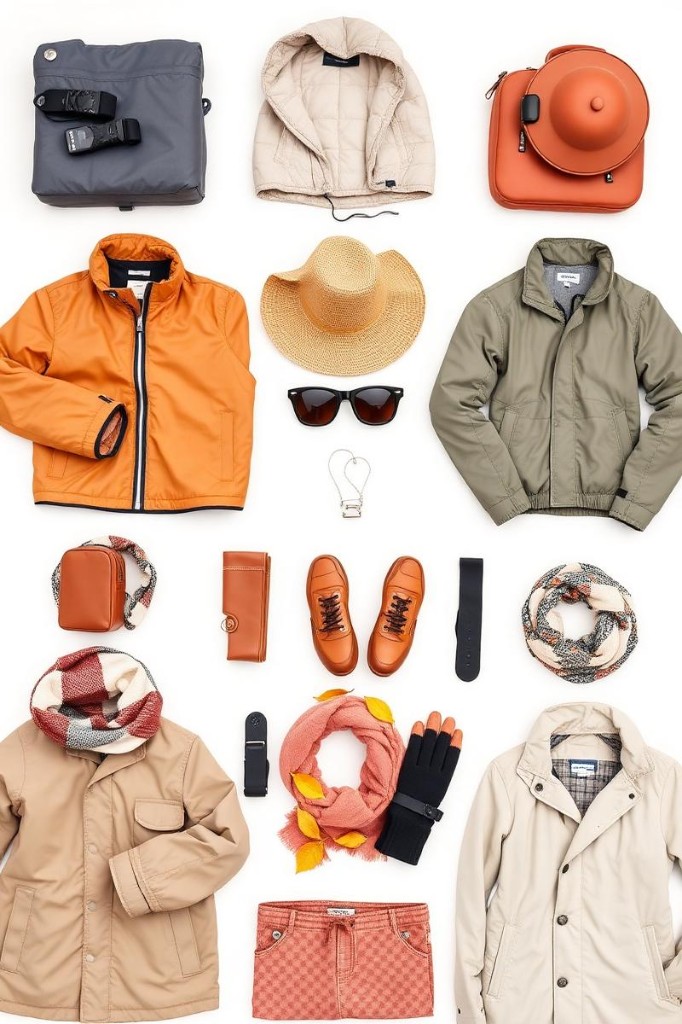
👕 Seasonal packing

Spring (March-May):

  • Light waterproof jacket
  • Sweater or fleece for evenings
  • Waterproof walking shoes
  • Layered clothing

Summer (June-August):

  • Light and breathable clothing
  • Rain jacket for thunderstorms
  • Hiking shoes
  • Swimwear
  • Sun protection (hat, sunglasses)

Autumn (September-November):

  • Warm and waterproof clothing
  • Good non-slip shoes
  • Compact umbrella
  • Multiple layers

Winter (December-February):

  • Warm and waterproof coat
  • Ski equipment if necessary
  • Non-slip winter boots
  • Warm accessories (gloves, hat, scarf)
Travel clothing and gear by season

💰 Seasonal budget

PeriodAccommodation (€)Transport (€)Activities (€)Crowds (/5)Budget Tips
High season (Jul-Aug)80-150€/night50-80€/day30-60€/day5/5Book 3 months in advance
Mid-season (May-Jun, Sep)60-100€/night40-60€/day25-45€/day3/5Great value for money
Low season (Oct-Apr)40-70€/night30-50€/day20-35€/day2/5Negotiate group rates
Winter ski (Dec-Mar)70-120€/night45-70€/day40-80€/day4/5Ski packages + accommodation

💡 Money-saving tips

  • Avoid July-August: Save 30-40% on accommodation by choosing May-June or September
  • Early booking: Book 2-3 months in advance for the best rates
  • Advantageous low season: Enjoy reduced prices from October to April (outside ski season)
  • Seasonal comparison: Monitor price variations by season to optimize your budget
  • All-inclusive packages: In winter, ski + accommodation packages often offer better value

🏥 Health and precautions

  • Sun protection: SPF 30+ cream mandatory in the mountains, even on cloudy days, due to snow reflection
  • Hydration: Drink regularly, especially during summer hikes and ski activities
  • Altitude precautions: Gradual acclimatization above 1500m / 4921ft, be aware of altitude sickness
  • Rainy season: Waterproof clothing essential from October to November
  • Seasonal allergies: Pollen peak in May-June, bring antihistamines if sensitive
  • Travel insurance: Winter sports and mountain hiking coverage recommended

Events & Festivals in Slovenia

Cultural calendar and festivities not to be missed in Slovenia

Slovenian seasonal events mark the year and significantly enrich the travel experience, blending ancestral traditions with contemporary creativity in exceptional natural settings.

🎭 Ljubljana Festival (June-September)

Description: Slovenia's largest cultural festival transforms the capital into an open-air stage. Opera, theater, classical and contemporary music take place in iconic historical venues like Ljubljana Castle and Renaissance courtyards.

Location: Historic center of Ljubljana, castle, theaters

Highlight: Prestigious international programming in an exceptional architectural setting

Climate impact: Ideal summer period, with open-air performances favored by pleasant weather

🍷 Grape Harvest Festival (September-October)

Description: Traditional celebration in Slovenian wine regions, particularly spectacular in the Vipava Valley and Styria. Tastings, folklore, and festivities mark the grape harvest in a friendly and authentic atmosphere.

Location: Wine regions: Vipava, Goriška Brda, Slovenian Styria

Highlight: Millennial tradition combining gastronomy, oenology, and cultural heritage

Climate impact: Golden autumn perfect for outdoor activities and grape ripening

🎿 Alpine Ski World Cup - Kranjska Gora (January)

Description: A prestigious stage of the Alpine Ski World Cup circuit, the giant slalom and slalom in Kranjska Gora attract the world's best skiers. The festive atmosphere turns this alpine resort into a ski capital for a weekend.

Location: Kranjska Gora ski resort, Vitranc slopes

Highlight: The only Slovenian stage of the world circuit, a tradition since 1961

Climate impact: Optimal winter conditions with guaranteed snow and ideal temperatures for skiing

Seasonal events

Spring:

  • Ljubljana Spring Festival (March-April)
  • Opening of Postojna Cave (March)
  • Traditional Easter celebrations (March-April)

Summer:

  • Ljubljana Tropical Nights (July-August)
  • Ljubljana Jazz Festival (June-July)
  • International Folklore Festival (July)

Autumn:

  • Borštnik Festival in Maribor (October)
  • European Heritage Days (September)
  • Chestnut Festival (October)

Winter:

  • Christmas Markets (December-January)
  • Ptuj Carnival (February)
  • Ljubljana Winter Festival (December-February)

Responsible Travel in Slovenia

Slovenia, a pioneer of sustainable tourism in Europe, invites you to discover its natural riches while respecting alpine, karst, and coastal ecosystems that are particularly fragile depending on the season.

Slovenian territory houses sensitive ecosystems requiring a respectful approach: unique karst caves, primary forests, crystal-clear alpine lakes, and remarkable biodiversity. Wildlife breeding periods and natural cycles guide the best practices of the responsible traveler.

🌱 Low-season advantages

Traveling outside the summer season significantly reduces environmental impact: less pressure on fragile natural sites, reduced carbon footprint, and equitable support for the local economy spread throughout the year.

♻️ Sustainable travel tips

  • Water management: Respect fragile karst springs, save water in mountain regions
  • Zero waste: Take your trash with you when hiking, use recycling points
  • Green transport: Prefer trains and public transport, electric bikes in the region
  • Biodiversity: Respect wildlife, stay on marked trails
  • Local consumption: Favor regional and artisanal products, traditional restaurants
  • Eco-friendly accommodation: Choose establishments certified Slovenia Green

🏙️ Local sustainable initiatives

Slovenia develops the Slovenia Green label certifying sustainable destinations, invests heavily in renewable energy (hydroelectric, solar), and supports community programs for the preservation of natural and cultural heritage in each region.

Our Expert Recommendations

Expert recommendations for your trip to Slovenia

After analyzing official climate data and field feedback, our recommendations adapt to Slovenian meteorological specificities. The country's geographical diversity allows you to find the ideal period based on your preferred activities and traveler profile, taking into account marked seasonal variations.

Optimal Period: May to September

Recommended months: May, June, July, August, September

Advantages:

  • Pleasant temperatures (15-26°C / 59-79°F) in all regions
  • Full accessibility to mountain sites
  • Perfect conditions for hiking and outdoor activities
  • All tourist services operational
  • Swimming possible in lakes and the Adriatic Sea

Disadvantages:

  • High tourist crowds in July-August
  • Accommodation prices at their peak

Ideal profile: Families, hikers, water sports enthusiasts, first-time visitors

Balanced Alternative: April and October

Alternative months: April, October

Description: Transition periods offering an excellent compromise between acceptable weather conditions and moderate crowds

Specific advantages:

  • Attractive prices and accommodation availability
  • Exceptional spring or autumn colors
  • Climate still mild for most activities
  • More authentic experience with fewer tourists

👥 Tips for your travel style

Family with children: Prefer June-August for weather safety and full accessibility to attractions. Avoid local school holidays.

Budget traveler: Opt for May or September, excellent value for money with 30% savings on accommodation and fewer crowds.

Adventure lover: July-August for mountaineering and high mountains, December-March for skiing and winter sports in the Julian Alps.

Luxury travel: September-October for autumn colors, mild climate, and optimal gastronomic experience with the grape harvest.

Photographer: May for alpine flowers, September for autumn colors, December-January for snowy landscapes and unique winter light.

Avoid November to February except for skiing or Christmas markets: difficult weather conditions, many sites closed, short days, and harsh temperatures limiting outdoor activities.

Cities to explore

Discover the must-sees of urban travel

All cities

Frequently Asked Questions

Find answers to essential questions to plan your trip to Slovenia according to the country's climate and seasonal conditions.

What is the best time to visit Slovenia?

The optimal period is from May to September with pleasant temperatures (15-26°C / 59-79°F) and full access to sites. June-August offer the best conditions but also the highest crowds. May and September are excellent compromises with fewer tourists and milder prices.

Can you visit Slovenia in winter?

Absolutely! The Slovenian winter is ideal for winter sports in the Julian Alps (Kranjska Gora, Bovec) and the Christmas markets in Ljubljana. Temperatures range between -2°C / 28°F and 5°C / 41°F. Pack warm clothing and check tourist site opening hours.

What is the climate like on the Slovenian coast?

The Adriatic coast enjoys a mild Mediterranean climate with pleasant winters (8-12°C / 46-54°F) and warm summers (20-28°C / 68-82°F). Swimming is pleasant from June to September. Be aware of the Bora wind in winter, which can be strong.

Is there a rainy season in Slovenia?

Slovenia experiences rainfall spread throughout the year with a peak in October-November (140mm / 5.5in per month). Summer thunderstorms are frequent but brief. Always pack a waterproof jacket, especially from October to April.

How long does it take to visit Slovenia?

Plan for at least 5 to 10 days to discover the highlights: Ljubljana, Lake Bled, Postojna Cave, and the coast. Two weeks allow you to explore the Julian Alps and enjoy outdoor activities depending on the season.