When to visit Switzerland? Complete Guide

Between snowy peaks and crystal-clear lakes, Switzerland reveals its charms throughout the seasons.

  • 8.7 million population
  • German, French, Italian, Romansh language
  • 120 days rainy days/year
  • May to October best time to visit
  • 5 to 10 days recommended stay

Weather and Climate in Switzerland

Understanding Switzerland's Alpine continental climate

Switzerland features four distinct climatic zones influenced by altitude, Alpine topography, and European air masses, creating varied microclimates across different valleys and regions.

  • Swiss Plateau: Temperate climate with mild winters and warm summers, the most densely populated area
  • Alps: Harsh Alpine climate with persistent snow and cool temperatures
  • South of the Alps (Ticino): Mediterranean influence with mild winters and sunny summers
  • Jura: Mountainous climate with significant precipitation and distinct winters
MonthTemperature (°C / °F)Precipitation (mm / in)Sunshine (h)
January-2 to 3°C / 28 to 37°F65mm / 2.56in60
April6 to 15°C / 43 to 59°F75mm / 2.95in160
July13 to 25°C / 55 to 77°F100mm / 3.94in230
October7 to 16°C / 45 to 61°F80mm / 3.15in120

Altitude causes temperature variations of 6°C per 1000m / 3.3°F per 1000ft, creating dramatic differences between valleys (15°C / 59°F) and summits (-10°C / 14°F) in winter.

Swiss Seasons

Climate by Swiss Region

Swiss topographical diversity generates distinct microclimates. Alpine relief, exposure, and altitude create significant climatic variations that directly influence your travel experience.

🏔️ Swiss Plateau

The economic and demographic heart, this region enjoys a temperate continental climate with mild winters and pleasant summers. The most accessible and urbanized area of the country.

PeriodWeatherTemperatureActivities
WinterFrequent fog-1 to 5°C / 30 to 41°FCities, museums, thermal baths
SummerSunny15 to 26°C / 59 to 79°FLakes, hiking, festivals

Specifics: Characteristic winter fog phenomenon, sometimes stormy summers, smooth transition between seasons.

⛰️ Swiss Alps

An iconic region with harsh Alpine conditions. Extreme variations depending on altitude, eternal snow, and glaciers create a unique environment.

PeriodWeatherTemperatureActivities
WinterAbundant snow-10 to 0°C / 14 to 32°FSkiing, snowshoeing, mountaineering
SummerCool at altitude5 to 20°C / 41 to 68°FHiking, mountaineering, trains

Specifics: Significant thermal gradient, meteorological risks in high mountains, seasons shifted according to altitude.

🌺 Ticino (South of the Alps)

The only region with a Mediterranean influence, protected by the Alpine barrier. Mild winters, warm summers, and lush vegetation create a unique atmosphere in Switzerland.

PeriodWeatherTemperatureActivities
WinterMild and humid2 to 10°C / 36 to 50°FLakes, cities, low-altitude hiking
SummerHot and stormy18 to 28°C / 64 to 82°FLakes, mountains, gastronomy

Specifics: Significant precipitation, frequent summer thunderstorms, Mediterranean vegetation unique to Switzerland.

🌲 Swiss Jura

A mountain range with more humid and cool conditions. Lower relief but rigorous climate with marked winters and cool summers.

PeriodWeatherTemperatureActivities
WinterSnowy and cold-5 to 2°C / 23 to 36°FCross-country skiing, snowshoeing
SummerCool and humid12 to 22°C / 54 to 72°FHiking, mountain biking, watchmaking

Specifics: Abundant precipitation all year round, frequent fog, characteristic dense forests.

Practical Guide for Switzerland

Prepare your trip according to Swiss climatic variations. Equipment, budget, and precautions adapt to the specific weather and seasonal conditions of the country.

👕 Seasonal packing

Winter (December-February):

  • Warm layered clothing
  • Waterproof, non-slip boots
  • Gloves, hat, scarf
  • Sunglasses (snow glare)

Spring (March-May):

  • Versatile mid-season clothing
  • Lightweight waterproof jacket
  • Hiking boots
  • Sun protection

Summer (June-August):

  • Light and breathable clothing
  • Fleece for altitude and evenings
  • Mountain boots
  • Rain protection (frequent thunderstorms)

Autumn (September-November):

  • Layering
  • Warm and waterproof jacket
  • Sturdy footwear
  • Warm accessories for late season
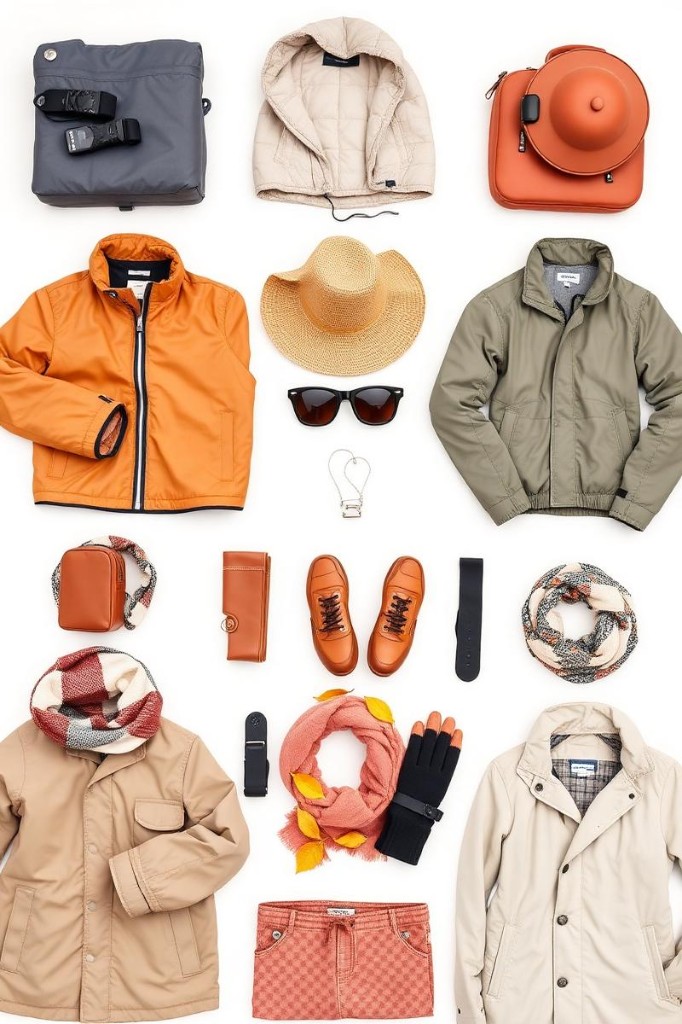
Travel clothing and gear by season

💰 Seasonal budget

PeriodAccommodation (€)Transport (€)Activities (€)Crowds (/5)Savings Tips
High Summer150-40080-15050-2005/5Book 6 months ahead
Ski Winter200-500100-20060-3005/5Avoid school holidays
Spring100-25060-12030-1502/5Best value for money
Autumn120-30070-13040-1803/5Late September promos

💡 Money-saving tips

  • Avoid July-August: Save 30-40% on accommodation by choosing June or September
  • Swiss Travel Pass: Cost-effective from 3 days for transport and included activities
  • Alternative accommodation: Mountain hostels and camping reduce costs by 50%
  • Mountain restaurants: Prepared picnics avoid high prices
  • Free activities: Hiking trails and public lakes have no access fees

🏥 Health and precautions

  • Altitude: Gradual acclimatization above 2500m / 8200ft, increased hydration
  • Sun protection: SPF50+ sunscreen mandatory in mountains (snow/ice reflection)
  • Travel insurance: Winter sports and mountain rescue coverage recommended
  • Mountain weather: Check conditions before outings, risk of summer thunderstorms
  • First aid kit: Adapted to outdoor activities and altitude changes
  • Vaccinations: No specific vaccinations required, valid European health card recommended

Swiss Events & Festivals

Cultural calendar and festivities not to be missed in Switzerland

Swiss traditions shape the year according to the seasons, offering unique and authentic experiences.

🎭 Montreux Jazz Festival (July)

A legendary musical event on the shores of Lake Geneva. Electric atmosphere with international artists in an exceptional Alpine setting. Both free and ticketed concerts throughout the city.

Location: Montreux, Vaud Riviera

Special feature: Multiple stages, ranging from jazz to contemporary music, unique atmosphere

Climate impact: Ideal summer weather, outdoor concerts possible

🎿 Lauberhorn (January)

The longest downhill race on the world Alpine ski circuit in Wengen. An exceptional sporting spectacle in a grand Alpine setting attracting 30,000 spectators.

Location: Wengen, Bernese Oberland

Special feature: The most technical and spectacular downhill on the circuit

Climate impact: Optimal winter conditions required, guaranteed snow at altitude

🍇 Winegrowers' Festival (Every 20-25 years)

An exceptional UNESCO celebration of Vaud wine traditions. A grand spectacle with thousands of participants in a unique temporary amphitheater.

Location: Vevey, shores of Lake Geneva

Special feature: Rare event, next edition around 2045, intangible heritage

Climate impact: Organized in summer for optimal weather conditions

Seasonal events

Winter:

  • Christmas Markets (December) - Basel, Zurich, Montreux
  • Basel Carnival (February-March) - Centuries-old tradition
  • Solothurn Film Festival (January)

Spring:

  • Sechseläuten Zurich (April) - Spring festival
  • Landsgemeinde Appenzell (April) - Direct democracy

Summer:

  • Paléo Festival Nyon (July) - Contemporary music
  • Locarno Film Festival (August) - International cinema
  • National Day (August 1st) - Fireworks

Autumn:

  • Désalpe (September) - Descent of the herds
  • Comptoir Suisse Lausanne (September)

Responsible Travel in Switzerland

Switzerland, a pioneer in sustainable development, invites you to practice tourism that respects its fragile Alpine ecosystems and age-old traditions.

Alpine ecosystems require special attention: respect for marked trails, wildlife nesting periods, and protection of alpine pastures. The climatic sensitivity of glaciers requires increased environmental awareness.

🌱 Low-season advantages

Traveling in spring or autumn reduces tourist pressure, lowers your carbon footprint, and supports the local economy in a more balanced way.

♻️ Sustainable travel tips

  • Public transport: Exemplary rail network, Swiss Travel Pass encourages eco-mobility
  • Accommodation: Prioritize sustainable labels (Ibex, Steinbock Label)
  • Hiking: Stay on marked trails, respect Alpine fauna and flora
  • Waste: "Leave No Trace" principle, bring all waste back to the valley
  • Water: Moderate consumption, natural sources available in the mountains
  • Gastronomy: Local and seasonal products, support for Alpine producers

🏙️ Local sustainable initiatives

Switzerland is developing innovative projects: renewable hydroelectric energy, glacier protection, Alpine reforestation programs, and community-based sustainable tourism initiatives in remote valleys.

Our Expert Recommendations

Expert recommendations for your trip to Switzerland

After analyzing climatic data and field experience, our recommendations adapt to your priorities. Switzerland's diversity allows for successful experiences all year round depending on your expectations and traveler profile.

🌟 Optimal Period: June to September

Recommended months: June, July, August, September

Advantages:

  • Maximum access to mountain sites
  • Stable and sunny weather
  • All outdoor activities possible
  • Lakes at pleasant temperatures (18-22°C / 64-72°F)
  • Mountain transport fully operational

Disadvantages:

  • High tourist crowds
  • Peak prices

Ideal profile: Families, hikers, first-time visitors, mountain lovers

⚖️ Balanced Alternative: May and October

Alternative months: May, October

Description: Ideal compromise between favorable weather conditions and moderate prices

Specific advantages:

  • Reduced prices by 25-30%
  • Fewer crowds at sites
  • Exceptional spring or autumn colors
  • Weather still mild for most activities

👥 Tips for your travel style

👨‍👩‍👧‍👦 Family: June-August for varied activities, July for children's festivals, avoid local school holidays

💰 Budget: May and September-October, alternative accommodation, Swiss Travel Pass, mountain picnics

🏔️ Adventure: June-September for high mountains, July-August for mountaineering, optimal conditions

✨ Luxury: June-September in palaces, December-March in prestigious resorts, premium services

📸 Photographer: September-October for autumn colors, June for blooms, winter for snowy landscapes, golden light

⚠️ Periods to Avoid

November to March (except skiing): Unstable weather, mountain sites closed, short days

July-August weekends: Maximum crowds, high prices, difficult reservations

Cities to explore

Discover the must-sees of urban travel

All cities

Frequently Asked Questions

Answers to essential questions for planning your trip according to the Swiss climate.

What is the best time to visit Switzerland?

The optimal period is from June to September for maximum access to mountain sites and stable weather conditions. May and October offer an excellent compromise with fewer crowds and more affordable prices.

Can you visit Switzerland in winter without skiing?

Absolutely! The Swiss winter offers many alternatives: Christmas markets, scenic trains, thermal baths, snowshoeing, winter hiking, and cultural cities. Ticino remains particularly mild.

How should I dress for the seasons in Switzerland?

Opt for the layering system all year round. In summer, bring a fleece for higher altitudes and rain protection. In winter, full warm gear is required. Mountain boots are essential regardless of the season.

Do prices vary much depending on the season?

Yes, variations are significant. High season (July-August, December-March for skiing): +40-60% on accommodation. Low season (November, April-May): substantial savings of 30-40% are possible.

When can I see the most beautiful Alpine landscapes?

Each season offers its own beauty: June for alpine flower blooms, July-August for maximum clarity, September-October for golden autumn colors, and December-March for snowy winter magic.