When to visit the Northern Mariana Islands? Complete Guide

A tropical archipelago with multiple climatic facets, the Northern Mariana Islands offer surprising meteorological diversity depending on the season.

  • 0.057 M population
  • English, Chamorro, Carolinian language
  • 180 days rainy days/year
  • December to April best time to visit
  • 7 to 14 days recommended stay

Weather and Climate of the Northern Mariana Islands

Understanding the tropical maritime climate of the Northern Mariana Islands

The archipelago enjoys a tropical maritime climate influenced by Pacific trade winds. Two distinct climatic zones characterize the islands, with variations based on exposure to prevailing winds and altitude, which directly impact your travel experience.

  • Western coastal zone: More sheltered from winds, slightly higher temperatures, and less rainfall
  • Eastern coastal zone: Exposed to trade winds, more humid with frequent rainfall and moderate temperatures
MonthAvg Temp. (°C / °F)Precipitation (mm / in)Humidity (%)Rainy Days
January26°C / 78.8°F95mm / 3.74in75%12
February26°C / 78.8°F75mm / 2.95in74%10
March27°C / 80.6°F85mm / 3.35in75%11
April28°C / 82.4°F105mm / 4.13in76%13
May29°C / 84.2°F125mm / 4.92in78%15
June30°C / 86°F145mm / 5.71in79%16
July30°C / 86°F165mm / 6.50in80%18
August30°C / 86°F185mm / 7.28in81%19
September30°C / 86°F205mm / 8.07in82%20
October29°C / 84.2°F185mm / 7.28in81%18
November28°C / 82.4°F145mm / 5.71in79%15
December27°C / 80.6°F115mm / 4.53in77%13

Altitude variations on the main islands create microclimates, with cooler temperatures at higher elevations and increased humidity in the valleys.

Climatic Seasons

Climate by Region of the Mariana Islands

Each island in the archipelago presents its climatic characteristics based on its exposure to prevailing winds, terrain, and geographical position, which directly influences your choice of destination.

🏝️ Saipan (Main Island)

Description: The main island enjoys the most stable climate in the archipelago. Its west coast, sheltered from trade winds, offers particularly favorable conditions with less rainfall and slightly higher temperatures. The moderate terrain creates interesting microclimates.

PeriodWeatherTemperature (°C / °F)Recommended Activities
Dec-Apr☀️ Sunny26-28°C / 78.8-82.4°FDiving, beaches, hiking
May-Nov🌦️ Variable29-30°C / 84.2-86°FCulture, spa, gastronomy

Specifics: Natural protection against strong winds, preserved coral reefs, drier microclimate on the west coast.

🌋 Tinian

Description: A smaller island more exposed to winds, Tinian has a slightly more humid climate than Saipan. Its flat terrain offers less protection against bad weather but ensures constant wind conditions, appreciated for certain activities.

PeriodWeatherTemperature (°C / °F)Recommended Activities
Dec-Apr☀️ Windy25-27°C / 77-80.6°FKitesurfing, historical exploration
May-Nov🌧️ Rainy28-29°C / 82.4-84.2°FHistorical sites, relaxation

Specifics: Stronger winds, slightly higher rainfall, excellent visibility for stargazing in the dry season.

🏔️ Rota

Description: The southernmost island has more rugged terrain, creating notable climatic variations. Higher altitude areas enjoy cooler temperatures while the coasts remain warm and humid.

PeriodWeatherTemperature (°C / °F)Recommended Activities
Dec-Apr☀️ Cool at altitude24-27°C / 75.2-80.6°FHiking, caves, diving
May-Nov🌿 Lush27-29°C / 80.6-84.2°FEcotourism, wildlife observation

Specifics: High-altitude microclimates, denser vegetation, natural caves with constant cool climate.

🌊 Northern Islands

Description: The northernmost islands are directly influenced by North Pacific currents. The climate is more variable with sometimes extreme weather conditions, particularly during typhoon season.

PeriodWeatherTemperature (°C / °F)Recommended Activities
Dec-Apr🌊 Rough seas23-26°C / 73.4-78.8°FNature observation, fishing
May-Nov⛈️ Unstable26-28°C / 78.8-82.4°FLimited access

Specifics: Difficult marine conditions, exceptional marine life, restricted access depending on weather conditions.

Practical Guide for the Northern Mariana Islands

Prepare for your trip to the Northern Mariana Islands by adapting your gear and budget to the specific tropical climate. These practical recommendations will help you fully enjoy your stay, regardless of the season you choose.

👕 Seasonal packing

Dry Season (December-April):

  • Light cotton or linen clothing
  • Swimwear and sarongs
  • Light hiking shoes
  • High-protection sunscreen
  • Hat and sunglasses

Wet Season (May-November):

  • Breathable, quick-drying clothing
  • Light raincoat or poncho
  • Waterproof shoes
  • Mosquito repellent
  • Long-sleeved clothing for evenings
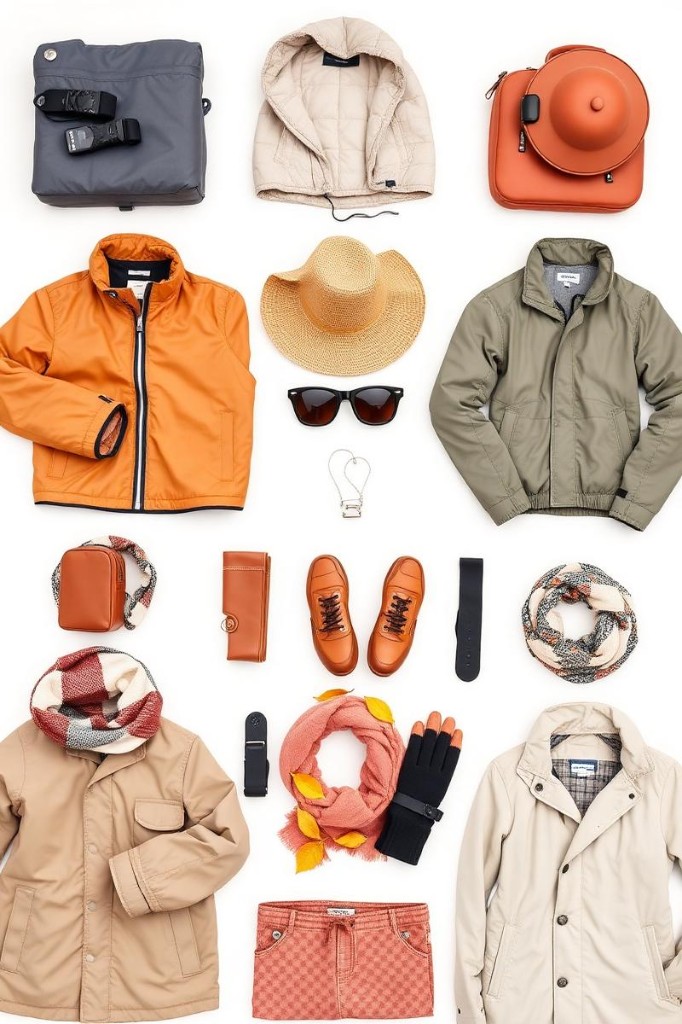
Travel clothing and gear by season

💰 Seasonal budget

PeriodAccommodation (€)Transport (€)Activities (€)CrowdsBudget Tips
Dec-Feb150-300€/night1200-1800€80-150€/day5/5Book 6 months in advance
Mar-Apr120-250€/night1000-1500€70-130€/day4/5Avoid school holidays
May-Jul80-180€/night800-1200€50-100€/day2/5Take advantage of promotions
Aug-Nov70-150€/night700-1000€40-80€/day1/5Negotiate rates on-site

💡 Money-saving tips

  • Travel in the low season (May-November) to save up to 40% on accommodation
  • Book flights 3-4 months in advance for the best rates
  • Choose accommodations with a kitchen to reduce dining costs
  • Take advantage of activity packages offered by hotels during the off-season
  • Avoid the Christmas-New Year period, the most expensive time of the year

🏥 Health and precautions

  • Sun protection: SPF 50+ sunscreen is essential; expose yourself gradually during the first few days
  • Hydration: Drink 2-3L of water/day; avoid tap water and prioritize bottled water
  • Rainy season: Use mosquito repellent, wear long clothing in the evening, and be careful on slippery surfaces
  • Water activities: Reef shoes are mandatory; respect the coral and monitor currents
  • Vaccinations: Universal vaccines should be up to date; no specific mandatory vaccinations


Cities to explore

Discover the must-sees of urban travel

All cities